
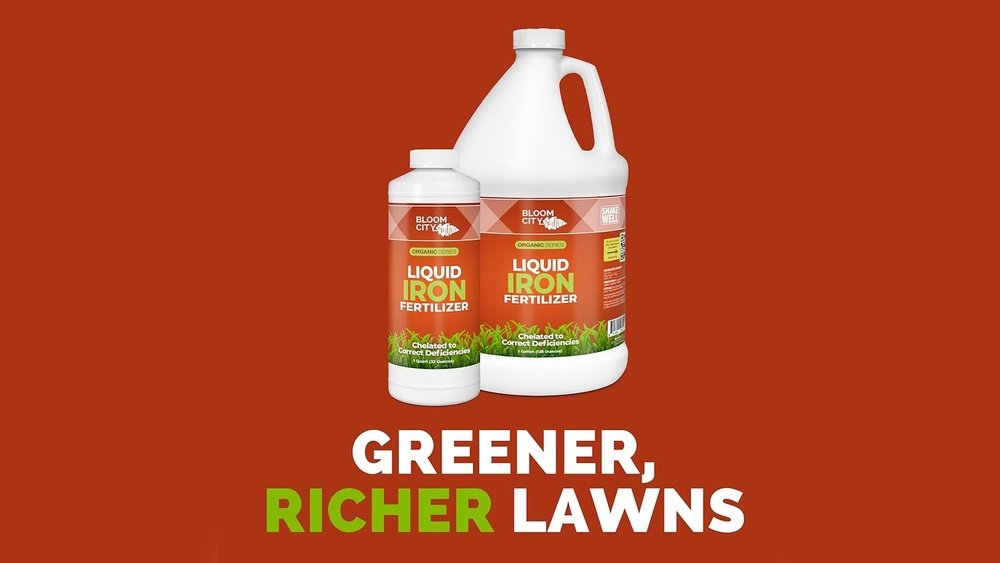
A healthy, green lawn is more than just a pretty sight. It cools your home, filters air, and boosts curb appeal. But sometimes, even with watering and fertilizing, your grass looks dull or yellow. This can be frustrating, especially when you want your yard to stand out. One simple solution many people overlook is liquid iron. Iron is a key nutrient for grass, making it greener and stronger. Applying liquid iron can transform a weak lawn into a lush carpet—but only if you do it correctly. Using the wrong method or timing can waste money, damage grass, or even stain sidewalks. Whether you’re new to lawn care or looking to fix stubborn yellow patches, learning how to apply liquid iron the right way will help your lawn thrive. Let’s dig into the details so you can confidently use liquid iron for the best results.
What Is Liquid Iron And Why Is It Important?
Liquid iron is a lawn supplement made from iron sulfate or chelated iron dissolved in water. It is sprayed or poured directly onto grass. Unlike granular iron, which you spread and water in, liquid iron is absorbed quickly—sometimes in just hours.
How Iron Works In Grass
Iron helps your lawn produce chlorophyll, the pigment that makes plants green. Without enough iron, grass turns yellow (a condition called iron chlorosis). This is common in high pH soils, sandy yards, or places with lots of rain. Iron is not stored well by grass, so regular supply is important.
Signs Your Lawn Needs Iron
- Yellowing between leaf veins while veins stay green
- Grass grows slowly, even with fertilizer
- Lawn looks pale, not deep green
- Cool-season grasses (like fescue or rye) often show symptoms first
Many people confuse iron deficiency with nitrogen shortage. But with iron, yellowing starts between the veins, while nitrogen causes overall pale leaves. Knowing the difference saves time and money.
Types Of Liquid Iron Products
Different liquid iron products are available, and choosing the right one affects your results. Here are the main types:
Iron Sulfate
Iron sulfate is the most common and affordable option. It works fast and is easy to mix. However, it can stain concrete and is less stable in high pH soil.
Chelated Iron
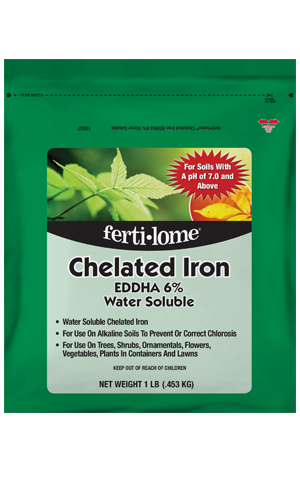
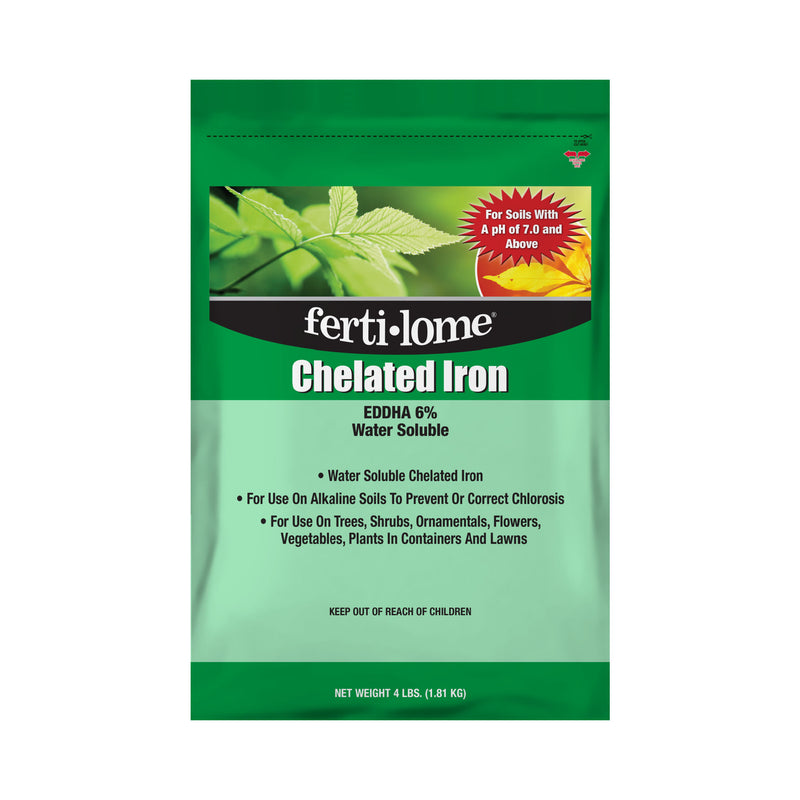
Chelated iron is iron bound to a special molecule. This keeps it stable and available for grass, even in tough soils. It costs more but is less likely to stain surfaces and works in alkaline soil.
Organic Liquid Iron
Some brands use natural sources (like seaweed extract) to supply iron. These are gentle and eco-friendly but may be weaker than synthetic types.
Comparison Of Liquid Iron Types
Here is a quick comparison to help you decide:
| Type | Speed | Price | Staining Risk | Best For |
|---|---|---|---|---|
| Iron Sulfate | Fast | Low | High | Quick fixes |
| Chelated Iron | Moderate | Medium/High | Low | Alkaline soils |
| Organic Liquid Iron | Slow | High | Low | Eco-friendly lawns |
Most homeowners use iron sulfate for quick green-up or chelated iron for lasting results.
Preparing Your Lawn Before Applying Liquid Iron
Applying liquid iron to a lawn is simple, but good preparation makes a big difference. Start with these steps:
Test Your Soil
Test your soil pH using a home kit or professional service. Iron works best in soil with pH below 7. 0. If your soil is alkaline (above 7. 5), chelated iron is better. Soil tests also show if your lawn lacks other nutrients.
Mow Your Lawn
Cut your grass to normal height before applying iron. This lets the product reach the soil and roots. Avoid mowing too short, as stressed grass won’t absorb iron well.
Clean Up Debris
Remove leaves, sticks, or trash from the lawn. Iron works best when it touches grass blades and soil directly.
Water Lightly
If your lawn is dry, water it a day before applying iron. Moist soil helps iron move into roots. But avoid soaking the lawn right before spraying, as wet grass can dilute the iron.
Choosing The Right Application Method
Liquid iron can be applied in several ways. Choosing the right method depends on your yard size, product type, and goals.
Hose-end Sprayer
This is the most popular method for home lawns. You mix liquid iron in a container that attaches to your hose. Water sprays out, carrying iron across the grass. Hose-end sprayers are fast and cover large areas.
Pump Sprayer
For precise application, use a hand-pump sprayer. This is ideal for small lawns, trouble spots, or expensive chelated iron. You mix the product and spray evenly.
Watering Can
If you have a tiny lawn or want to avoid spraying, mix liquid iron in a watering can and pour it over the grass. This is slow but avoids drift onto sidewalks.
Drop Spreader (granular Iron Only)
Some liquid iron products can also be applied as granules. If you use granular iron, a drop spreader spreads it evenly, but you must water it in.
Application Method Comparison
Here’s a simple table showing the pros and cons:
| Method | Coverage | Speed | Precision | Best For |
|---|---|---|---|---|
| Hose-End Sprayer | Large | Fast | Low | Big lawns |
| Pump Sprayer | Small/Medium | Medium | High | Spot treatment |
| Watering Can | Small | Slow | High | Tiny lawns |
| Drop Spreader | Large | Medium | Medium | Granular iron |
Choose the method that fits your lawn size and the product you buy.
Credit: steveregan.com
Mixing Liquid Iron: Dosage And Safety
Getting the mix right is key. Too much iron can damage grass or stain surfaces. Too little won’t help. Always follow the product label, but here are general guidelines:
Typical Dosage
- Iron sulfate: 2-4 ounces per gallon of water for 1,000 square feet.
- Chelated iron: 1-2 ounces per gallon for 1,000 square feet.
- Organic iron: Follow label, as concentrations vary.
For a standard yard (5,000 sq ft), you’ll need 5-20 ounces of iron, mixed in 5 gallons of water.
Mixing Steps
- Measure iron product carefully.
- Add iron to water and mix well.
- Pour mixture into sprayer or watering can.
- If using a hose-end sprayer, follow device instructions.
Safety Tips
- Wear gloves, long sleeves, and eye protection.
- Avoid breathing mist or fumes.
- Keep pets and kids off the lawn until dry.
- Store leftover iron safely—away from children and food.
Non-obvious Insight
Many beginners forget that water quality affects iron mixing. Hard water (with lots of minerals) can cause iron to settle or form clumps. If possible, use distilled water for mixing, especially with chelated iron.
How To Apply Liquid Iron To Lawn Step-by-step
Applying liquid iron is straightforward, but small details matter. Here’s a step-by-step guide:
1. Prepare Equipment
Check that your sprayer or watering can is clean. Leftover chemicals can react with iron.
2. Mix Product Properly
Mix liquid iron according to instructions. Shake or stir well.
3. Test Sprayer
Spray a small patch to check flow and coverage. Adjust nozzle if needed.
4. Apply Evenly
Start at one corner and walk slowly. Overlap passes to avoid stripes or missed spots. For hose-end sprayers, keep water pressure steady.
5. Avoid Non-grass Areas
Keep iron off sidewalks, patios, and driveways. Iron stains concrete and stone. If you spill, rinse immediately.
6. Let Lawn Dry
Wait until grass is dry before mowing or watering again. This gives iron time to absorb.
7. Clean Equipment
Rinse sprayer or can with clean water. Iron residue can corrode metal or clog sprayers.
Practical Example
If your lawn is 2,000 sq ft, mix 4 ounces of iron sulfate in 2 gallons of water. Use a pump sprayer and apply in two sessions—one for each half of the lawn. Overlap a bit to prevent streaks.
Common Mistake
Many homeowners spray too quickly, missing patches or causing stripes. Take your time and walk at a steady pace.
When Is The Best Time To Apply Liquid Iron?
Timing makes a big difference. Apply iron when your lawn is actively growing—not dormant. Here are the best times:
Spring
Grass starts growing after winter. Iron boosts color and vigor.
Early Summer
Apply before heat stress. Iron helps grass stay green even as temperatures rise.
Fall
For cool-season lawns, fall iron helps recovery from summer and prepares for winter.
Avoid Applying In Extreme Heat Or Cold
Do not apply iron when temperatures are above 85°F or below 50°F. Grass cannot absorb nutrients well in these conditions.
Rain And Weather Tips
- Apply iron when rain is not expected for 24 hours. Rain can wash iron away.
- Avoid windy days. Spray drift can stain surfaces or waste product.
- Early morning or late afternoon is best—less sun, less evaporation.
How Often Should You Apply Liquid Iron?
Iron is not a permanent fix. Your lawn may need several applications a year, depending on soil and grass type.
General Frequency
- Most lawns: Every 6-8 weeks during growing season
- High pH soil: Every 4-6 weeks
- Severe iron deficiency: Once a month until color improves
Signs You Need More Iron
If grass turns yellow again after a few weeks, another application may be needed. But too much iron can cause toxicity—dark, almost blue-green grass or brown patches.
Balancing Iron With Other Fertilizers
Liquid iron is not a replacement for nitrogen or other nutrients. If your lawn still looks weak after iron treatment, check for phosphorus or potassium shortages.
Non-obvious Insight
Many people forget to track their applications. Keeping a simple log helps avoid over-application and tracks improvement.
Credit: johnsonsgarden.com
Results: What To Expect After Applying Liquid Iron
Liquid iron works fast. Here’s what you can expect:
Visible Changes
- Grass turns deep green within 24-48 hours
- Yellow patches fade quickly
- Lawn looks healthier and thicker
Lasting Effects
Iron color boost lasts 3-6 weeks, depending on soil and weather. Reapply as needed.
Side Effects
- Temporary stains on concrete or stone
- Over-application causes brown tips or “burn”
- Pets and kids should avoid the lawn until dry
Real-life Example
A homeowner in Texas applied iron sulfate in early spring. Within two days, the lawn turned a rich green, while neighbors’ grass stayed pale. The effect lasted about a month before fading.
Tips For Avoiding Stains And Damage
Iron is powerful—but messy. Here’s how to avoid problems:
Preventing Stains
- Cover sidewalks and patios with plastic sheets before spraying
- Use a pump sprayer for edge areas
- Rinse spills immediately with water
Protecting Grass
- Never apply iron in full sun—heat can “burn” grass
- Avoid doubling up on passes (too much iron)
- Use the lowest effective dose
Cleaning Tools
- Rinse sprayer or watering can after use
- Clean hands and clothes to avoid rust stains
Non-obvious Insight
If iron stains concrete, use lemon juice or vinegar to remove marks quickly. Many cleaners do not work on iron stains, but mild acid dissolves them.

Credit: www.fertilome.com
Comparing Liquid Iron To Other Lawn Treatments
Liquid iron is not the only option for greener grass. Here’s how it stacks up against other treatments.
Liquid Iron Vs. Granular Iron
Granular iron is slower but easier to apply. It is less likely to stain but takes longer to show results.
Liquid Iron Vs. Nitrogen Fertilizer
Nitrogen fertilizer makes grass grow quickly, but too much can cause thatch or weak roots. Iron only affects color—not growth.
Liquid Iron Vs. Lawn Paint
Lawn paint is a short-term fix for color but does not improve health. Iron boosts both color and strength.
Treatment Comparison Table
| Treatment | Speed | Longevity | Risk | Effect |
|---|---|---|---|---|
| Liquid Iron | Fast | Medium | Staining | Color + Health |
| Granular Iron | Slow | Long | Low | Color |
| Nitrogen Fertilizer | Fast | Medium | Overgrowth | Growth + Color |
| Lawn Paint | Immediate | Short | None | Color Only |
Choose liquid iron for fast green-up and stronger grass.
Mistakes To Avoid When Using Liquid Iron
Even experienced lawn owners make mistakes with iron. Here are common errors:
1. Applying Too Much Iron
Overdosing leads to brown grass tips, patchy color, and wasted money. Always measure carefully.
2. Spraying On Concrete
Iron stains driveways, patios, and sidewalks. Use edge sprayers or cover surfaces.
3. Ignoring Soil Ph
High pH soil needs chelated iron. Iron sulfate will not work well and may waste time.
4. Applying In Bad Weather
Wind, rain, or extreme heat reduce effectiveness. Choose calm, cool days.
5. Not Mixing Properly
Clumps or uneven mixture cause patchy results. Mix well and use clean water.
6. Skipping Safety Precautions
Iron can irritate skin and eyes. Wear protection and keep kids and pets away.
7. Not Rinsing Equipment
Residual iron corrodes metal and clogs sprayers. Clean tools after use.
Practical Advisor Tip
Many people forget to label their sprayer for iron use only. Mixing iron with other lawn chemicals can cause unwanted reactions.
Best Practices For A Healthy, Green Lawn
Liquid iron is just one part of good lawn care. Combine it with other practices for the best results.
Mowing
Mow regularly but not too short. Taller grass shades soil and improves health.
Watering
Deep, infrequent watering encourages strong roots. Avoid watering right after iron application.
Fertilizing
Use balanced fertilizers with nitrogen, phosphorus, and potassium. Iron adds color, but other nutrients build strength.
Soil Testing
Test soil every 1-2 years. Adjust pH and nutrients as needed.
Aeration
Aerate compacted soil once a year. This helps iron and other nutrients reach roots.
Overseeding
Reseed thin or bare patches in fall or spring. Healthy grass absorbs iron better.
Environmental And Safety Considerations
Iron is generally safe, but it can affect the environment if misused.
Safe Disposal
Do not pour leftover iron into drains or streams. Dispose of according to label or local rules.
Wildlife And Pets
Keep animals off the lawn until iron dries. Ingesting iron can cause stomach upset.
Water Runoff
Avoid spraying near water features or storm drains. Excess iron can harm fish and aquatic life.
Regulatory Guidelines
Some states or cities have rules about lawn chemicals. Check local guidelines before applying.
External Resource
For more details on lawn nutrient management, visit University of Florida IFAS Extension.
Frequently Asked Questions
How Long Does Liquid Iron Take To Green Up A Lawn?
Liquid iron works fast. Most lawns show deeper green color in 24 to 48 hours. If your soil is very alkaline or your grass is stressed, it may take up to a week. Results last about 3-6 weeks.
Can I Apply Liquid Iron And Fertilizer Together?
You can apply liquid iron and fertilizer together, but it’s best to separate applications by a week. This prevents reactions and allows each product to work properly. Always check labels for compatibility.
Will Liquid Iron Stain My Concrete Or Stone?
Yes, liquid iron can stain concrete, stone, and brick. Stains are brown or orange and hard to remove. Protect surfaces with plastic sheets, or rinse spills immediately. Mild acid like vinegar can help remove stains.
Is Liquid Iron Safe For Pets And Children?
Once dry, liquid iron is generally safe. But while wet, it can irritate skin or cause stomach upset if ingested. Keep pets and children off the lawn until it dries completely—usually a few hours.
How Do I Know If My Lawn Needs Iron Or Nitrogen?
Iron deficiency shows as yellowing between leaf veins, while nitrogen shortage causes overall pale leaves. If unsure, test your soil or try a small iron application. If color improves, your lawn needs iron.
A lush, green lawn is possible with the right care and tools. Liquid iron is a simple, powerful way to boost color and health, but it works best when applied correctly. By following these steps—testing soil, mixing carefully, applying with care, and avoiding common mistakes—you can enjoy a yard that stands out all season.
Remember, the best lawns come from consistent effort and smart choices. Take pride in your yard and let it shine.