
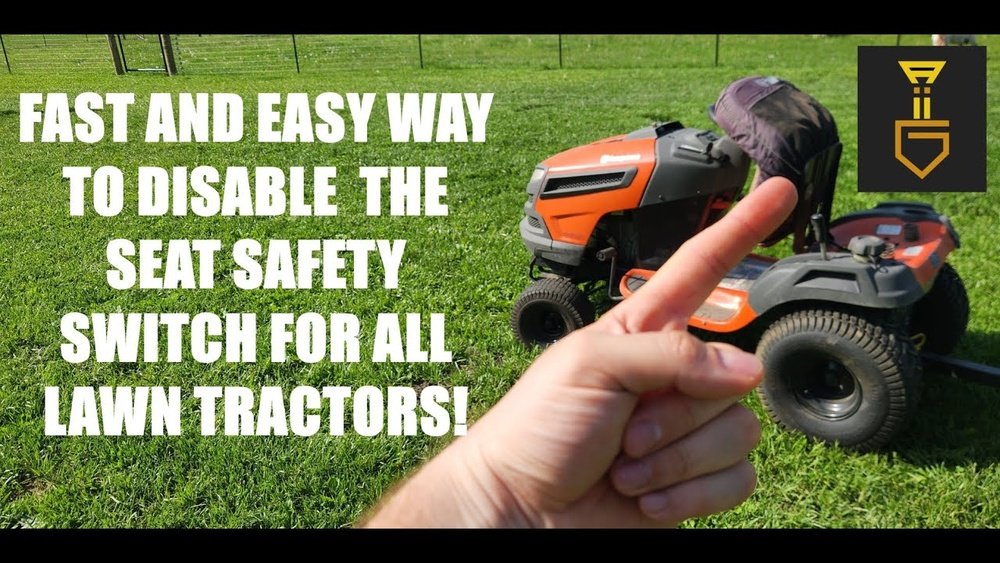
Many people who own a riding mower have wondered if they can bypass the safety switch. Maybe the mower won’t start, or you need to move it a short distance without sitting on it. The safety switch, also called an operator presence switch, is there for a reason: to protect you from injury. But sometimes, it can be too sensitive or fail, stopping you from using your mower even when nothing is wrong. This guide explains how to bypass the safety switch on a riding mower, what you need to know before you try, and the risks involved. You’ll get clear steps, warnings, and tips to help you decide if this is the right choice for your situation.
Understanding Riding Mower Safety Switches
Most modern riding mowers come with several safety switches. The most common ones are the seat switch, brake/clutch switch, blade engagement switch, and reverse switch. These switches are designed to prevent accidents. For example, if you get off the seat while the blades are running, the mower will shut off.
Common Types Of Safety Switches
- Seat switch – Located under the seat, this switch shuts off the engine or stops the blades if you get up.
- Brake/clutch switch – The mower won’t start unless the brake is pressed or the clutch is engaged.
- Blade engagement switch – Prevents the engine from starting if the blades are engaged.
- Reverse switch – Stops the blades if you try to mow in reverse (on some models).
Why Do Mowers Have These Switches?
Safety switches prevent children or untrained users from being hurt. For example, the seat switch helps prevent someone from falling off and being injured by the blades. These features are required by law in many countries.
Which Switch Is Most Commonly Bypassed?
Most people want to bypass the seat switch. This is usually because the mower keeps shutting off when you shift your weight, or if you need to start the engine while standing next to it for maintenance.
Safety Warning: Risks Of Bypassing
Bypassing safety switches is dangerous. You are removing an important safety feature. If the mower runs when you’re not ready, you could be injured or cause damage. Before you bypass anything, ask yourself: Is there another way to solve the problem?
- Legal issues: In some places, tampering with safety features can void your warranty or even break the law.
- Insurance problems: If you bypass a switch and have an accident, your insurance may not cover the damage.
- Accident risk: Without the safety switch, accidents are much more likely, especially if children are around.
When To Consider Bypassing (and When Not To)
There are a few situations where bypassing a safety switch is considered, but you should be cautious.
- Testing or repair: If you are repairing the mower and need it to run for a short time without sitting on it, a temporary bypass might help.
- Faulty switch: If the switch is broken and you can’t get a replacement quickly, you may want a temporary solution.
Never bypass a safety switch for everyday mowing or if others will use the mower. Always restore the safety feature after repairs.
Tools And Materials You’ll Need
Bypassing a riding mower safety switch is a simple electrical job, but you still need the right tools.
- Basic tool kit: Screwdrivers, pliers, wire cutters/strippers.
- Electrical tape or wire connectors.
- Multimeter (for checking continuity and wiring).
- Protective gloves.
- Owner’s manual (for your mower’s wiring diagram).
Using the correct tools makes the job much safer and faster.

Credit: www.reddit.com
How To Bypass The Seat Safety Switch
Here’s a step-by-step guide for bypassing the seat switch, the most common safety switch people want to bypass. These instructions are for educational purposes only. Always consider the risks and the law before you act.
Step 1: Locate The Seat Switch
Lift the seat and look for a small electrical switch underneath. It usually has two wires connected to it with a plastic connector.
Step 2: Disconnect The Battery
Always disconnect the battery before working on the wiring. This prevents accidental shocks or short circuits.
Step 3: Unplug The Switch
Find the plastic connector attached to the switch. Carefully unplug it. Do not pull on the wires directly.
Step 4: Identify The Wires
On most mowers, the connector has two wires. Use your multimeter to check which terminals complete the circuit when the seat is down.
Step 5: Join The Wires
There are two common methods:
- Twist and tape: Twist the two wires together and wrap them tightly with electrical tape.
- Wire connector: Insert both wires into a wire connector and twist until secure.
This will “fool” the mower into thinking the seat is always occupied.
Step 6: Test The Connection
Reconnect the battery. Try starting the mower while off the seat. If it starts and doesn’t shut off, your bypass works.
Step 7: Secure Everything
Tuck the wires safely away from moving parts or hot surfaces. Make sure the connection is solid and insulated.
Step 8: Reconsider The Risks
Before you mow, ask yourself if you really want to operate without this safety feature. If you’re done with repairs, restore the original switch.
How To Bypass The Brake/clutch Or Other Switches
Some riding mowers won’t start unless the brake is pressed or the clutch is in. The process is similar to the seat switch, but wiring can be more complex. Always check your wiring diagram.
- Brake/clutch switch: Usually located near the pedal. Bypass by connecting the two wires leading to the switch.
- Blade engagement switch: Found near the blade lever. Again, connect the wires to bypass.
- Reverse switch: This is more advanced and often not recommended. It may require changes to the mower’s control module.
If you’re not sure, consult a professional or your mower’s service manual.
Comparison: Bypassing Vs. Repairing The Switch
Is it better to bypass the switch or fix/replace it? Here’s a quick look at the pros and cons.
| Action | Pros | Cons |
|---|---|---|
| Bypass | Quick, low cost, gets mower running | Unsafe, may void warranty, possible legal issues |
| Repair/Replace | Safe, keeps warranty, follows manufacturer rules | May cost more, takes time to get parts |
Practical Tips And Insights
A few things most beginners miss:
- Check for debris: Sometimes, grass or dirt under the seat can press the switch or prevent it from working. Clean before you bypass.
- Temporary solutions: If you must bypass the switch, use a removable method. This lets you restore safety features after repairs.
- Document changes: If you bypass any safety switch, note exactly what you did. This helps if you sell the mower or need repairs later.

Credit: texquimica.com.br
Common Mistakes To Avoid
Even simple electrical jobs can go wrong. Here are a few mistakes to watch out for:
- Bypassing the wrong wires: Always check the wiring diagram.
- Leaving wires exposed: Bare wires can cause shorts, fires, or shocks.
- Forgetting the battery: Always disconnect power before working.
- Permanent bypasses: Never leave safety features bypassed when others will use the mower.
How Different Brands Handle Safety Switches
Not all riding mowers are the same. Some brands make bypassing easy; others use complex systems.
| Brand | Seat Switch Location | Bypass Difficulty |
|---|---|---|
| John Deere | Under seat cushion | Easy |
| Cub Cadet | Under seat pan | Medium |
| Husqvarna | Rear seat hinge | Hard (often uses multi-wire) |
Always check your brand’s manual before you start. Some newer mowers use electronic modules that can be damaged by incorrect bypassing.
Legal And Warranty Considerations
Manufacturers put safety switches on for good reason. If you bypass them:
- You may void your warranty.
- Some insurance companies refuse claims after an accident if safety features were altered.
- In many countries, it’s illegal to sell equipment with disabled safety features.
If you need a mower that works without these switches, consider buying a commercial model or talking to a dealer about your needs.
Alternative Solutions
If you’re having problems with your safety switch, try these ideas before bypassing:
- Replace the switch: Most cost $10–$30 and are easy to fit.
- Clean the contacts: Corrosion or dirt can stop the switch from working.
- Adjust the seat: Sometimes the seat is loose or bent, not pressing the switch fully.
- Consult a pro: A mechanic can fix most issues safely.
Data: Frequency Of Safety Switch Issues
How common are safety switch problems? Based on user forums and repair shops, here’s an estimate:
| Problem Type | % of Mower Owners Affected |
|---|---|
| Seat switch failure | 15% |
| Brake/clutch switch failure | 8% |
| Blade switch failure | 5% |
Seat switch problems are the most common, usually after a few years of use.
Long-term Implications
If you bypass a safety switch and forget about it, you put everyone at risk. Mowers are powerful machines. Even experts have accidents when safety features are missing. Make a habit of restoring all safety switches after repairs.

Credit: www.youtube.com
When To Call A Professional
If you’re unsure about wiring, or your mower has electronic controls instead of simple switches, call a professional. Some repairs are not safe for DIY. A pro can fix the switch or suggest the safest way forward.
Further Reading
If you want to learn more about mower safety and regulations, the OSHA Lawn Mower Safety page offers detailed guidelines and statistics.
Frequently Asked Questions
Can I Mow Safely After Bypassing The Seat Safety Switch?
Operating without the seat switch is dangerous. You lose a key safety feature. Even if you’re experienced, unexpected things can happen. Always restore the switch after repairs.
Will Bypassing The Safety Switch Damage My Mower?
If you connect the wires incorrectly, you could cause electrical problems, short circuits, or blow a fuse. Always follow your mower’s wiring diagram and instructions.
Is Bypassing The Safety Switch Illegal?
In many places, yes—especially if you sell or lend the mower. Check local laws, and remember that you may void your warranty or lose insurance coverage.
How Do I Know If My Safety Switch Is Faulty?
If your mower shuts off when you move, fails to start, or only runs when you wiggle the seat, the switch may be faulty. Use a multimeter to test continuity.
Are There Riding Mowers Without Safety Switches?
All modern mowers have safety switches due to regulations. Older mowers (before 1980) sometimes lack these features, but they are rare and not recommended for regular use.
Bypassing the safety switch on a riding mower is sometimes tempting, but it comes with serious risks. Always consider safer solutions first. If you must bypass, do so carefully and restore all safety features as soon as possible. Mower safety is not just about rules—it’s about protecting yourself and those around you.