
Many homeowners love a clean, green lawn. But when your mower engine starts running rough, stalling, or wasting fuel, the problem often lies with the carburetor idle setting. Adjusting a lawn mower carburetor may sound technical, but with the right steps, even beginners can make their mower run smoother and last longer. This guide explains how to adjust the idle, why it matters, and the small details that most people miss.
Why Carburetor Idle Adjustment Matters
The carburetor mixes air and fuel for the engine. The idle setting controls how much fuel enters when the mower is running but not cutting grass. If the idle is too high, the mower races or wastes fuel. If too low, it may stall or run unevenly.
A well-adjusted idle means:
- Smoother engine operation
- Less fuel consumption
- Lower emissions
- Longer engine life
New mowers often come with the idle set for the factory, not your local climate or fuel. Over time, dirt, old fuel, or small carb parts can cause the idle to drift. Adjusting it restores performance—like tuning a guitar to the right note.
Basic Lawn Mower Carburetor: What To Know
Before you start, it helps to know the main parts involved:
- Idle screw: Sets the base engine speed at idle.
- Idle mixture screw: Adjusts how much fuel mixes with air at idle.
- Throttle linkage: Connects the carburetor to your engine’s speed lever.
- Choke: Helps start a cold engine.
Most walk-behind mowers have one or two screws for idle. Riding mowers may have more. Always check your mower’s manual for the carburetor layout.
Common Symptoms Of Bad Idle Setting
How do you know if your idle needs adjusting? Watch for these signs:
- Engine stalls when you stop moving
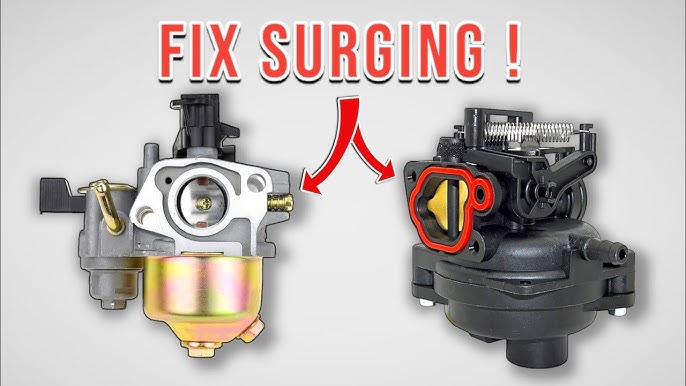
- Surging (engine speed goes up and down)
- Hard starting
- Black smoke from exhaust (too much fuel)
- Engine runs hot or feels weak
Many people change the spark plug or fuel before checking the carburetor. Adjusting the idle is often the real fix.
Tools You Need For Adjustment
Simple tools make the job easy:
- Flathead screwdriver (most common)
- Phillips screwdriver (some mowers)
- Small brush or compressed air for cleaning
- Tachometer (optional, for precise idle speed)
- Gloves and safety glasses (always a good idea)
Tip: Some screws may be covered by a plastic plug or cap. Gently pry it off if needed.
Safety First: Preparing Your Mower
Never skip safety. Here’s how to get ready:
- Work outdoors or in a well-ventilated area.
- Let the engine cool for a few minutes.
- Set the parking brake (for riding mowers).
- Remove debris around the carburetor.
- Have a fire extinguisher nearby—gasoline is flammable.
Taking these steps protects you and your machine.

Credit: www.hipastore.com
Step-by-step: How To Adjust Lawn Mower Carburetor Idle
Getting the idle right is a process. Here’s how to do it, even if you’re a first-timer.
1. Locate The Carburetor And Screws
Find the carburetor on the side of the engine. Look for two small screws:
- Idle speed screw (often larger, near the throttle)
- Idle mixture screw (smaller, sometimes at an angle)
Some mowers have only one. If you’re unsure, check your manual or search your mower’s model online.
2. Warm Up The Engine
Start the mower and let it run for 3-5 minutes. This warms up the engine oil and fuel. Never adjust a cold engine—the settings will be wrong once it heats up.
3. Adjust The Idle Speed Screw
Turn the idle speed screw slowly clockwise to increase engine speed, or counterclockwise to lower it. Set it so the engine runs smoothly without the blade moving (for push mowers). For riding mowers, set idle so the engine doesn’t stall when you release the brake.
Pro tip: If you have a tachometer, most small engines idle at 1200–1500 RPM.
4. Adjust The Idle Mixture Screw
Turn the idle mixture screwin (clockwise) until the engine almost starts to die. Then, turn it out (counterclockwise) until the engine runs rough. Find the midpoint where the engine runs smoothest. This balances air and fuel.
- If you smell strong gasoline or see black smoke, it’s too rich (too much fuel).
- If the engine sputters or backfires, it’s too lean (not enough fuel).
5. Fine-tune Both Screws
Go back and forth between the speed and mixture screws. Small changes can have a big effect. Adjust until:
- Engine runs smooth
- No surging or stalling
- Exhaust is clear, not smoky
6. Test Under Load
Engage the mower blade or drive forward a few feet (if safe). The engine should stay running and not bog down. If it stalls, repeat the adjustment.
7. Let The Engine Cool And Restart
Turn off the mower, let it cool, and restart. If it starts easily and idles well, you’re done. If not, repeat the above steps.
Carburetor Idle Adjustment: Data Table
Here’s a quick comparison of symptoms, causes, and what to adjust:
| Symptom | Possible Cause | Which Screw to Adjust | Direction to Turn |
|---|---|---|---|
| Engine stalls at idle | Idle too low, mixture too lean | Speed & Mixture | Speed: Clockwise, Mixture: Out |
| Engine surges up/down | Mixture too lean or air leak | Mixture | Out |
| Black smoke | Mixture too rich | Mixture | In |
| Engine races at idle | Idle too high | Speed | Counterclockwise |
Common Mistakes And How To Avoid Them
Many people make the same errors when adjusting a mower carburetor. Here’s what to watch for:
- Adjusting a cold engine: Always warm up first.
- Turning screws too much: Small changes make a big difference—go slow.
- Forgetting the air filter: A dirty filter changes the air/fuel balance. Clean or replace before adjusting.
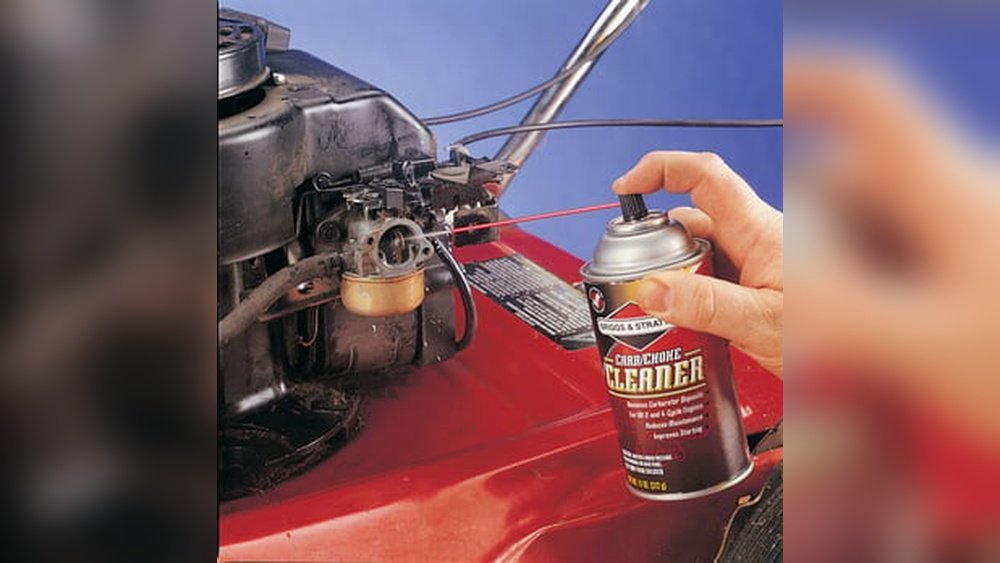
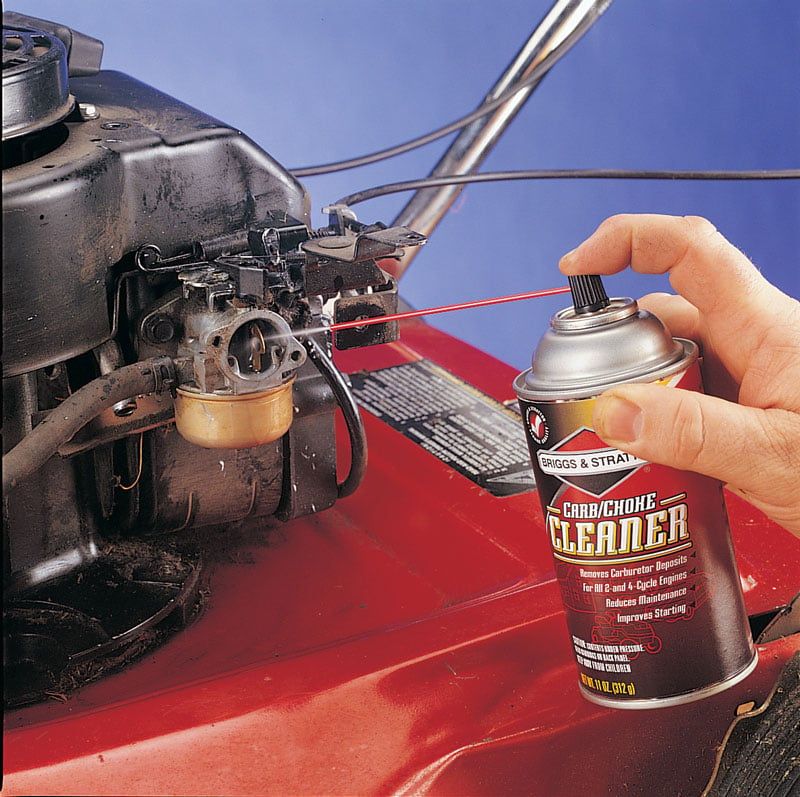
- Not cleaning the carburetor: Dirt or varnish can block passages. If adjustment doesn’t help, clean the carburetor first.
- Missing fuel problems: Old or bad gas can mimic carburetor issues. Use fresh fuel.
A less obvious mistake: Adjusting at high altitude. Engines need different settings above 5,000 feet because air is thinner. If you mow in the mountains, set the mixture a little leaner.
When To Call A Professional
Sometimes, adjustment won’t fix the problem. Call a pro if:
- Engine still stalls after adjustment
- Fuel leaks from the carburetor
- You see broken springs or parts
- The carburetor body is cracked
Carburetor repair kits exist for DIYers, but if you’re unsure, a mechanic saves time and avoids bigger damage.
Extra Tips For Reliable Idle Adjustment
Two expert tips that most guides miss:
- Change the idle setting with the mower on a flat surface. Hills or slopes affect fuel flow and can give a false reading.
- Keep a log of your settings. Write down how many turns you made on each screw. If you move or change fuel type, you can quickly return to your best settings.
How Often Should You Adjust The Idle?
Most mowers only need idle adjustment once a year, usually at the start of mowing season. But if you change altitude, fuel type, or notice performance drops, check more often.
Credit: www.youtube.com
How Fuel Type And Weather Affect Adjustment
Gasoline blends change by region and season. Ethanol fuel (E10) absorbs water and can cause rough idle if left in the tank over winter. Always use fresh fuel, and drain old gas before spring.
Weather also changes the air/fuel mix. Hot, humid days need a bit more air (leaner mix). Cold or dry air needs more fuel (richer mix). Tiny adjustments can keep your mower running well all season.
Comparing Manual And Automatic Carburetors
Some new mowers have automatic (fixed jet) carburetors. These adjust themselves, but still need cleaning if performance drops.
| Type | Adjustable? | Common on | Maintenance Needed |
|---|---|---|---|
| Manual carburetor | Yes (screws) | Older & mid-range mowers | Cleaning, adjustment |
| Automatic (fixed jet) | No | Newer models | Cleaning only |
If your mower has no screws, you likely have an automatic carburetor. Cleaning is the main solution.
Troubleshooting: What If The Idle Still Isn’t Right?
If adjustment doesn’t help, try these steps:
- Check for vacuum leaks: Listen for a hissing sound near the carburetor. Replace cracked hoses.
- Inspect fuel lines: Soft or cracked lines cause poor fuel flow.
- Replace the spark plug: A weak spark can mimic carb issues.
- Look at the governor linkage: If the governor spring is weak or disconnected, idle will surge.
Many owners forget to check for air leaks. Even a loose carburetor bolt can affect the idle.
Quick Reference: Idle Adjustment At A Glance
Use this summary as a cheat sheet:
| Step | What To Do | Goal |
|---|---|---|
| 1 | Warm up engine | Accurate adjustment |
| 2 | Set idle speed screw | Stable engine speed |
| 3 | Set idle mixture screw | Smooth running |
| 4 | Test under load | No stalling or surging |
| 5 | Re-check when cool | Easy starting next time |
Credit: www.briggsandstratton.com
Frequently Asked Questions
How Do I Know If My Lawn Mower Idle Is Set Correctly?
You’ll know the idle is correct when your mower starts easily, idles smoothly (no surging or shaking), and doesn’t stall when you let go of the handle or brake. Listen for a steady, even sound at low speed.
Can I Adjust The Carburetor With The Air Filter Off?
It’s best to leave the air filter on when adjusting. The filter restricts airflow slightly, so removing it changes the fuel mix. Adjusting with the filter off can make the idle too rich once you put it back on.
What Happens If I Turn The Idle Screw Too Far?
Turning the idle speed screw too far in can make the engine race or even damage it. Too far out, and the engine may stall or run rough. Always make small adjustments (1/8 turn at a time) and listen to the engine.
Is It Safe To Clean The Carburetor Myself?
Yes, but use caution. Remove the carburetor and clean with approved carburetor cleaner. Don’t use wire or sharp objects, as they can damage small passages. If you’re unsure, ask a pro. For more details, see this Wikipedia guide.
Do All Mowers Have Adjustable Carburetors?
No. Some newer mowers use fixed-jet or automatic carburetors with no idle screws. If you can’t find adjustment screws, check your manual. For these, regular cleaning is the best maintenance.
Adjusting your lawn mower carburetor idle is a simple way to keep your mower running better, longer. With careful steps and attention to detail, you can solve most idle issues yourself—saving time, money, and frustration every mowing season.