
A healthy, green lawn is something many homeowners dream about. But over time, grass can thin, bare spots may appear, and weeds can take over. When your lawn starts to look tired, reseeding is a smart way to bring it back to life. The good news: you do not need to till up your entire yard to get results. Reseeding a lawn without tilling is easier than you think—and it can be just as effective if you follow the right steps. With the right plan, materials, and timing, you can help your grass grow thick and lush again.
Why Reseed Without Tilling?
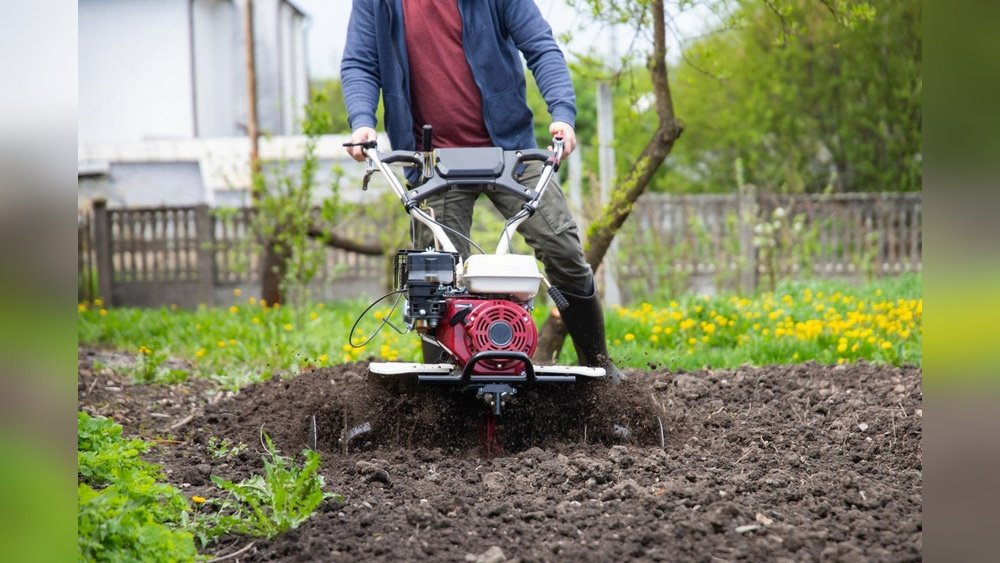
Many people think you must till the soil to reseed a lawn. Tilling can be hard work and may cause problems, like bringing up weed seeds or damaging soil structure. In many cases, tilling is not needed. Reseeding without tilling saves time, keeps soil healthier, and protects nearby plants. It is less disruptive for pets, kids, and the environment. This method is especially useful if you have only some bare spots or if your lawn has gentle slopes that might erode with tilling.
When To Reseed Your Lawn
Timing is critical for success. The best time depends on your grass type:
- Cool-season grasses (like fescue, ryegrass, and Kentucky bluegrass): Early fall is ideal—usually September to mid-October. Soil is still warm, but the air is cooler.
- Warm-season grasses (like bermuda, zoysia, and buffalo grass): Late spring to early summer is best, when soil temperatures are above 65°F (18°C).
If you reseed at the wrong time, seeds may not sprout or young grass may die in harsh weather. Early fall is safest for most regions.
Credit: mikesbackyardnursery.com
Tools And Materials You’ll Need
To reseed without tilling, gather these items:
- Grass seed (choose the right type for your climate)
- Seed spreader (hand-held or push type)
- Rake (metal garden rake works best)
- Lawn mower
- Leaf blower or stiff broom
- Soil amendments (compost, topsoil, or peat moss)
- Garden hose and sprinkler
- Fertilizer (starter type for new lawns)
- Weed puller or small shovel
- Protective gloves
Buying the right type of grass seed is one of the most important steps. Cheap seed mixes often have lots of filler and weed seeds. Look for a blend suited for your yard’s light, soil, and water conditions.
Step-by-step Guide: Reseeding Without Tilling
Reseeding can be done in a weekend. Here are the steps to follow for the best results.
1. Mow The Lawn Short
Begin by mowing your grass shorter than usual—about 1 to 1. 5 inches (2. 5 to 4 cm) tall. Remove as much leaf material as possible without scalping into the soil. This helps seeds reach the ground.
Pro tip: Bag the clippings or rake them up so you do not leave a thick layer on the lawn.
2. Clear Away Debris
Use a rake, leaf blower, or broom to remove leaves, sticks, and old grass clumps. Seeds need to touch the soil to sprout, so a clean surface matters.
3. Control Weeds
Pull out visible weeds by hand or with a weed puller. For large weed patches, apply a non-selective herbicide two weeks before reseeding, then remove dead weeds. This gives your new grass a better start.
4. Loosen The Soil Surface
This is a key step many beginners miss. Use a metal rake to scratch the soil surface. You do not need to dig deep—just rough up the top ¼ inch (0. 5 cm). This creates small grooves for seeds to settle in.
If your soil is very hard, consider aerating. You can rent a core aerator or use a manual tool to punch small holes.
5. Add Soil Amendments (if Needed)
If your soil is poor or compacted, top-dress with a thin layer (¼ to ½ inch) of compost or quality topsoil. Spread it evenly and rake it in gently. This adds nutrients and helps seeds make contact with the soil.
6. Spread The Grass Seed
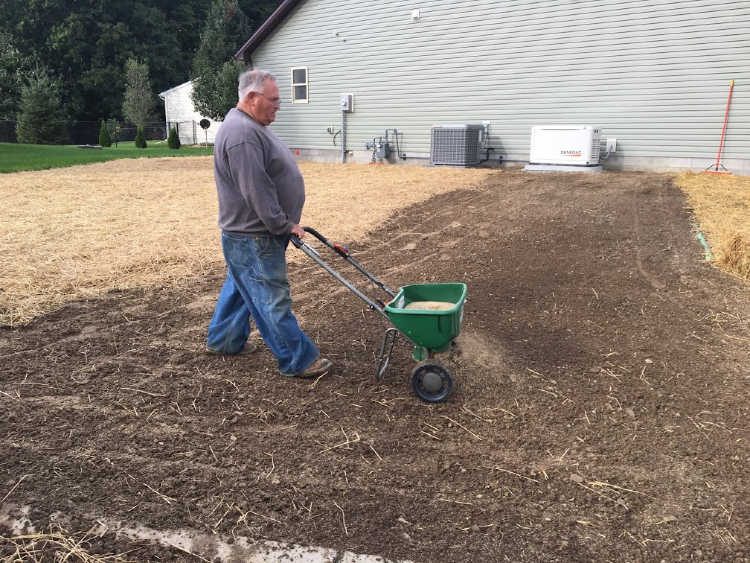
Fill your seed spreader and apply grass seed evenly over the area. For small spots, you can spread by hand. Use the recommended rate on the seed bag—too much seed can lead to weak grass.
For best coverage, make two passes: one north-south, one east-west.
7. Lightly Rake And Press Seed
After spreading, lightly rake again to mix the seed with the top layer of soil. Then, walk over the area or use a lawn roller to press seeds into the soil. This improves seed-to-soil contact, which is critical for germination.
8. Apply Starter Fertilizer
Starter fertilizers help new grass grow strong roots. Choose one with a high phosphorus content (the middle number on the bag). Apply at the rate listed on the label.
9. Cover Seeds (optional)
In areas with lots of sun or wind, cover seeded spots with a thin layer of straw (not hay, which may contain weed seeds) or peat moss. This keeps seeds moist and protects them from birds.
10. Water Gently And Often
Water is the most important part of reseeding. Use a gentle spray so seeds do not wash away. Keep the top ½ inch of soil moist at all times for the first 2–3 weeks. This usually means watering once or twice a day, depending on weather.
Once seeds sprout, slowly reduce watering to encourage deeper roots.
11. Mow When The Grass Is Tall Enough
Wait until the new grass is 3–4 inches (7–10 cm) tall before the first mow. Set the mower high and use sharp blades.
Tip: Mow when the grass is dry to avoid pulling up young seedlings.
12. Keep Off Until Established
Limit foot traffic for the first month, or until the grass is well-rooted. This is a step many overlook but can make a big difference in success.
Credit: www.earthtools.com
How Reseeding Without Tilling Compares To Other Methods
The no-till method has several clear advantages, but it is not right for every situation. Here’s a comparison of common lawn renovation approaches:
| Method | Disruption | Best For | Drawbacks |
|---|---|---|---|
| No-Till Reseeding | Low | Thin/bare lawns, minor weed issues | Slower results than full tilling |
| Tilling & Reseeding | High | Heavily compacted soil, major weed problems | Labor-intensive, can cause erosion |
| Sod Installation | Moderate to High | Instant green lawn, patch repairs | Expensive, needs lots of water at first |
Non-obvious insight: No-till reseeding works best when at least 50% of your lawn is still covered in grass. If you have mostly bare dirt or heavy weed growth, consider more aggressive options.
Choosing The Right Grass Seed
Picking the right seed blend is one of the most important steps. Here’s a quick guide comparing popular types for reseeding:
| Grass Type | Climate | Shade Tolerance | Wear Tolerance |
|---|---|---|---|
| Kentucky Bluegrass | Cool | Medium | High |
| Fescue (Tall/Red) | Cool | High | Medium |
| Perennial Ryegrass | Cool | Low | High |
| Bermuda | Warm | Low | High |
| Zoysia | Warm | Medium | High |
Expert tip: Mix two or more grass types for better disease resistance and year-round color.
Common Mistakes To Avoid
- Skipping soil contact: Grass seeds must touch soil to sprout. Do not just toss seed on the lawn and hope for the best.
- Overseeding too heavily: Too much seed leads to weak, crowded grass that is more likely to fail.
- Under-watering: New grass needs consistent moisture. Missing even one hot, dry day can ruin your efforts.
- Using the wrong seed: Choose a blend suited for your region and yard conditions.
- Not controlling weeds first: Weeds will out-compete your new grass if left unchecked.
- Ignoring soil health: Adding compost or fertilizer can turn a good result into a great one.
- Mowing too soon: Cutting grass before it is established can pull up seedlings.
Tips For Best Results
- Test your soil before reseeding. A simple soil test tells you if your lawn needs lime or specific nutrients.
- Aerate your lawn if soil is hard or compacted. This improves root growth and water absorption.
- Use mulch mats on slopes to prevent erosion and help seeds stay in place.
- Keep pets off the lawn for at least three weeks.
- Fertilize again 4–6 weeks after seedlings appear for an extra boost.

Credit: lawnsynergy.com
Expected Timeline: What To Expect
Lawn reseeding is not instant. Here is a realistic timeline:
| Week | What Happens |
|---|---|
| 1–2 | Seeds sprout, tiny shoots appear |
| 3–4 | Grass fills in, first mowing possible |
| 5–8 | New grass thickens, blends with old lawn |
| 9+ | Lawn matures, regular maintenance resumes |
Non-obvious insight: Do not be alarmed if some spots are slower to fill in. Grass seed can take up to three weeks to sprout, especially in cool weather.
Maintenance After Reseeding
Once your lawn is established:
- Mow regularly, but never cut more than one-third of the grass blade at a time.
- Fertilize each season based on your grass type.
- Water deeply but less often to encourage deep roots.
- Watch for weeds and remove them quickly by hand.
If you follow these steps, you can keep your new lawn thick and green for years.
Frequently Asked Questions
How Soon Can I Walk On My Lawn After Reseeding?
Try to avoid walking on the lawn for at least three weeks. Young grass is delicate and can be damaged easily. Wait until the grass is at least 3 inches tall and feels firmly rooted before allowing regular use.
Is It Okay To Overseed Over Weeds?
It’s best to remove as many weeds as possible before overseeding. Weeds compete with new grass for water and nutrients. If you have a lot of weeds, consider using a weed killer a couple of weeks before reseeding.
How Often Should I Water After Reseeding?
Water lightly once or twice a day to keep the top layer of soil moist. After seedlings grow to about 2 inches, reduce to deeper, less frequent watering. This helps grass develop strong roots.
Will Birds Eat My Grass Seed?
Birds can eat some seed, but covering with straw or peat moss helps protect it. You can also set up visual deterrents like shiny tape or pinwheels until the grass sprouts.
Where Can I Learn More About Lawn Care?
For in-depth information and research, visit the Turfgrass Producers International for expert guides and resources.
A lush, green lawn is possible without the hard work of tilling. By following these clear, practical steps, you can restore your yard and enjoy a healthy, beautiful outdoor space. Patience and consistency are key—stick to the process, and you’ll see results that last.