
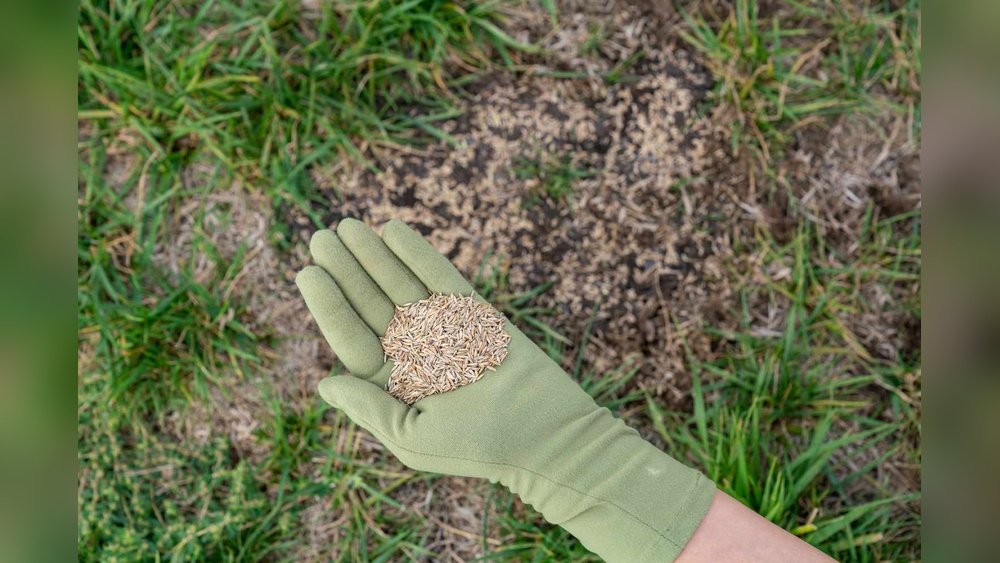
A patchy lawn can make any garden look tired and neglected. Bare spots, thin grass, and uneven color can be embarrassing, especially when you want a green, healthy yard. Many people think patchy lawns are hard to fix, or that only professionals can make grass look good again.
The truth is, with the right steps, you can repair your lawn yourself using grass seed. This guide will show you how to repair a patchy lawn, explain common mistakes, and share some expert seed tips for best results.
Understanding Why Lawns Get Patchy
Before you start fixing your lawn, it’s important to know why the patches appeared in the first place. Common causes include:
- Heavy foot traffic: Walking or playing on grass can damage it.
- Pet urine: Dogs often create brown or bare spots.
- Poor soil: Compacted, sandy, or clay-heavy soil stops grass from growing well.
- Shade: Grass needs sunlight. Too much shade leads to thin areas.
- Pest damage: Insects or grubs can eat grass roots.
- Weed competition: Weeds steal nutrients and space from grass.
- Drought or overwatering: Both can kill grass and leave bare soil.
Knowing the cause helps you avoid the same problem after you reseed.
Choosing The Right Grass Seed
Not all grass seeds are the same. The best seed for your lawn depends on your climate, soil, and how you use your yard.
| Grass Type | Best For | Sun/Shade | Hardiness |
|---|---|---|---|
| Kentucky Bluegrass | Cool climates | Full sun to light shade | High |
| Perennial Ryegrass | Quick repair, overseeding | Sun | Medium |
| Fescue (Tall or Fine) | Shade tolerance | Shade/Partial Sun | High |
| Bermuda Grass | Warm climates | Full sun | Very high |
| Zoysia Grass | Drought resistance | Sun | High |
Pro tip: Always buy high-quality, fresh seed from a reputable brand. Old seed or cheap mixes often produce weak or weedy lawns.
Essential Tools And Materials
You don’t need expensive equipment to fix patchy grass. Here’s what helps:
- Grass seed (right type for your area)
- Rake (metal garden rake, not plastic leaf rake)
- Lawn soil or compost
- Seed spreader (small handheld or push style)
- Garden hose and spray nozzle
- Starter fertilizer (labeled for new grass)
- Mulch or straw (optional, helps hold moisture)
Many people miss the importance of soil improvement. A bit of compost or topsoil goes a long way for seed germination.
Step-by-step: How To Fix A Patchy Lawn With Seed
Let’s walk through the process. Each step matters. Skipping one can lead to poor results.
1. Prepare The Patch Area
Use a rake to clear away dead grass, weeds, and debris. Loosen the top 1-2 inches of soil. If the soil is hard, poke holes with a garden fork. This improves seed-to-soil contact, which is key for germination.
Expert tip: Don’t just sprinkle seed on top of old grass or hard soil. Seeds need bare, loose soil to grow roots.
2. Add Soil Or Compost
Spread a thin layer (about 0. 5 inch) of fresh lawn soil or compost. This adds nutrients and helps retain moisture. Level it out with your rake so the area is even.
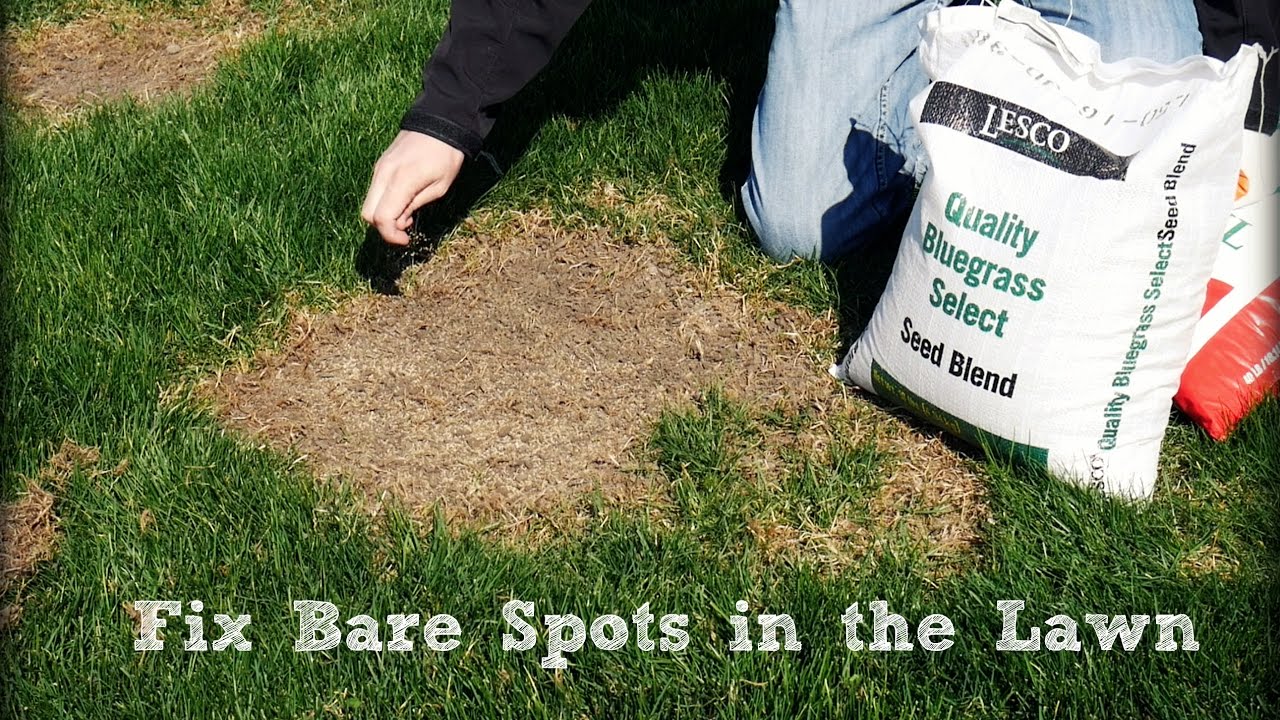
3. Apply Grass Seed Evenly
Use your hand or a small spreader for small patches. For large areas, a broadcast spreader is better. Follow the seeding rate on the seed bag. Too much seed can cause overcrowding; too little leads to thin grass.
4. Rake Seed Into The Soil
Gently rake the seeded area so most seeds are lightly covered with soil. They should be about 1/8 inch deep. This protects seeds from birds and helps them stay moist.
5. Water The Area
Water gently right after seeding. Keep the soil moist (not soaked) until grass is at least 1 inch tall. Light watering 2-3 times a day is better than one heavy soak. Dry soil kills new seedlings quickly.
6. Add Mulch Or Straw (optional)
A light layer of straw or mulch helps hold moisture and protects seeds. Don’t smother the seeds—use just enough so about 50% of the soil shows through.
7. Apply Starter Fertilizer
If possible, use a starter fertilizer designed for new grass. It encourages strong root growth. Don’t use regular fertilizer—too much nitrogen can burn seedlings.
8. Keep Off The Area
Avoid walking or playing on new grass until it’s well established. Foot traffic can crush seedlings before roots develop.
9. Mow When Ready
Wait until new grass reaches about 3 inches tall. Use a sharp mower blade and never cut more than one-third of the grass height at once.
10. Keep Up With Care
Continue to water, mow, and feed your lawn as it grows. Deep, less frequent watering encourages strong roots. Fertilize as needed, following the package directions.
Credit: www.youtube.com
Common Mistakes To Avoid
Many people make the same errors when repairing their lawn. Avoid these for best results:
- Skipping soil prep: Seeds thrown on hard or weedy soil rarely grow well.
- Using the wrong seed: Shade grass in sun, or warm-season grass in cold areas, leads to thin lawns.
- Over-seeding: Too much seed means weak, spindly grass.
- Letting the soil dry out: New seeds die if not kept moist.
- Cutting grass too soon: Mowing young grass can pull it out of the soil.
Seed Tip Insights Most Beginners Miss
- Seed shelf life matters: Grass seed loses germination power over time. Always check the “tested” or “packed for” date. Fresh seed gives higher sprout rates.
- Soil test is worth it: A simple soil test tells you about pH and nutrients. Grass grows best in pH 6.0–7.0. If your soil is too acidic or alkaline, consider adjusting it with lime or sulfur.
When Is The Best Time To Reseed?
Timing is a big factor in success. The best time depends on your grass type.
| Grass Type | Best Seeding Time | Reason |
|---|---|---|
| Cool-season (Bluegrass, Rye, Fescue) | Early fall (September-October) | Cool weather, less weed competition |
| Warm-season (Bermuda, Zoysia) | Late spring to early summer | Warm soil, fast growth |
Planting at the wrong time means seeds may not sprout, or young grass dies in harsh weather.
Comparing Seeding With Sod And Plugs
Seeding is cost-effective, but not the only way to fix bare patches. Here’s how it compares to sod and plugs.
| Method | Cost | Speed | Best For | Drawbacks |
|---|---|---|---|---|
| Seeding | Low | Slow (2-8 weeks) | Large or small areas | Needs patience, regular care |
| Sod | High | Instant | Quick results, erosion control | Expensive, may not match existing grass |
| Plugs | Medium | Medium (months) | Small patches | Slow spread, not for large areas |

Credit: growtrax.com
Practical Tips For Long-lasting Results
- Rotate mowing patterns. Mowing in different directions helps grass stand upright and reduces soil compaction.
- Aerate your lawn yearly. Aeration allows air, water, and nutrients to reach grass roots. It’s especially useful for compacted or high-traffic lawns.
- Overseed yearly. Even healthy lawns thin out over time. Overseeding each fall (for cool-season grass) keeps your lawn thick and helps crowd out weeds.
- Spot treat weeds. Pull out weeds by hand or use a selective weed killer. Do not treat with herbicides right after seeding—wait until grass is mature.
Real-life Example
Maria, from Ohio, had a lawn full of bare spots and moss after a wet spring. She thought the grass would fill in by itself, but the patches got bigger. She followed the steps above—removing dead grass, adding compost, seeding with a high-quality fescue mix, and watering daily.
In six weeks, her lawn was thick and green again. The key was keeping the soil moist and not mowing too soon.
When To Call A Professional
If you see large dead areas, thick thatch layers, or signs of grubs or fungus, a lawn care expert might be needed. Some problems require special treatments or equipment. However, for most patchy lawns, DIY seeding works well with patience and the right approach.
If you want detailed grass type guides and more care tips, the Old Farmer’s Almanac Lawn Care Guide is a trusted resource.
Frequently Asked Questions
What Is The Best Seed For Patchy Lawns?
The best seed depends on your climate and yard conditions. For cool areas, Kentucky bluegrass or fescue works well. For warm regions, Bermuda or zoysia is better. Look for “overseeding” mixes for patch repair.
How Long Does It Take For New Grass To Grow?
Most grass seed sprouts in 7-21 days, but it can take 6–8 weeks for patches to fill in fully. Growth depends on temperature, watering, and seed quality.
Can I Walk On My Lawn After Seeding?
Avoid walking on newly seeded areas for at least 3-4 weeks. Wait until the new grass is at least 3 inches tall and well-rooted.
How Often Should I Water New Grass Seed?
Water lightly 2-3 times a day to keep the top inch of soil moist. After grass sprouts, water less often but more deeply.
Is It Okay To Seed In Spring?
Spring is fine for seeding, but fall is usually better for cool-season grasses. Fall seeding means fewer weeds and better root growth before summer heat.
Restoring a patchy lawn is possible for any homeowner. By understanding why patches appear, choosing the right seed, and following the right steps, you can enjoy a thick, green lawn. Remember, patience and consistent care are your best tools for lasting results.

Credit: www.thespruce.com