
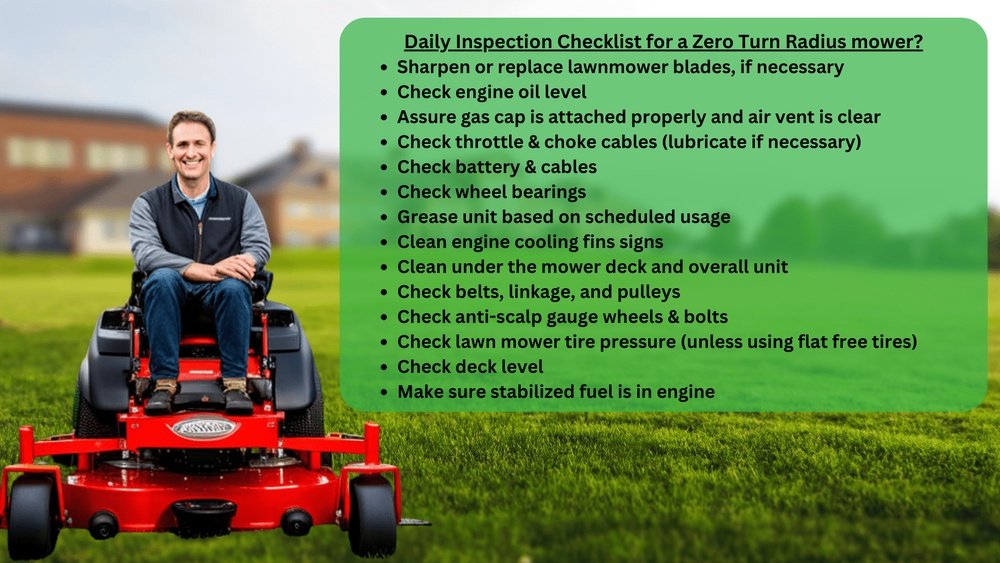
Keeping your lawn mower in top shape means paying attention to the little things that make a big difference—like the air filter. A clean, properly installed air filter helps your mower run smoothly, saves fuel, and extends the life of the engine. Many homeowners forget or avoid this simple task, but replacing the air filter is not difficult if you have the right guidance. Whether you’re new to mower maintenance or just want to do it better, this guide will walk you through every step, highlight common mistakes, and share smart tips for best results.
Why The Air Filter Matters
The air filter is a small but crucial part of your lawn mower. It blocks dirt, dust, and debris from entering the engine. When the filter gets clogged, the engine can’t get enough clean air, which leads to poor performance, increased fuel use, and even permanent damage. According to industry studies, a dirty air filter can reduce engine efficiency by up to 15% and increase emissions noticeably. For most homeowners, changing the air filter at least once a season can prevent a lot of problems and save money on repairs.
Types Of Lawn Mower Air Filters
Understanding your mower’s air filter type is the first step toward a successful replacement. There are three main types:
| Type | Material | Common Use | Maintenance |
|---|---|---|---|
| Paper | Pleated Paper | Push Mowers | Replace, not clean |
| Foam | Spongy Foam | Riding Mowers | Clean and re-oil, or replace |
| Dual-Element | Foam + Paper | Commercial Mowers | Clean foam, replace paper |
Most walk-behind mowers use paper air filters, while larger riding mowers might use foam or dual-element filters. Always check your mower’s manual to confirm the right filter for your model.
Tools And Materials Needed
Before you begin, gather these items:
- Replacement air filter (matched to your mower model)
- Screwdriver (flat or Phillips, depending on cover type)
- Clean rag or soft brush
- Work gloves (optional, but recommended)
- Vacuum cleaner (for heavy debris)
- Small tray or container (to hold screws)
Having everything ready will make the process smoother and prevent losing small parts.
Step-by-step: How To Replace A Lawn Mower Air Filter
Changing the air filter is a simple process, but attention to detail matters. Follow these steps:
- Turn off the mower and remove the spark plug wire. This prevents accidental starting and keeps you safe.
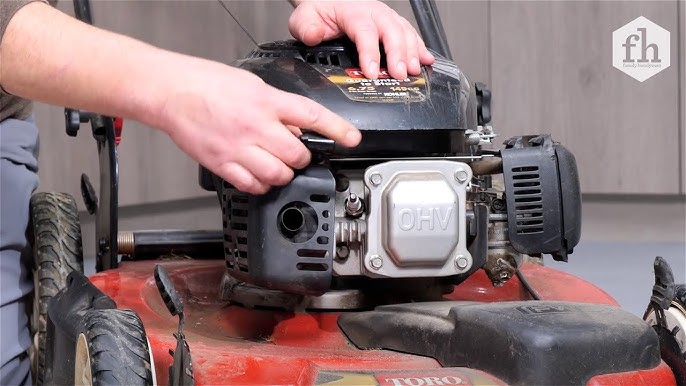
- Locate the air filter cover. On most mowers, it’s on the side or top of the engine, marked with “Air Filter” or a small diagram.
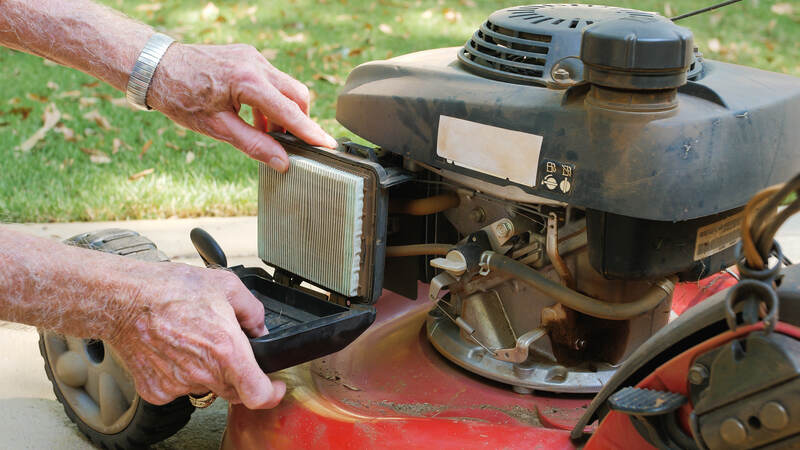
- Open the cover. Use a screwdriver or simply unclip, depending on your mower. Place screws or clips in your tray.
- Remove the old air filter. Note how it fits—some filters have a specific direction.
- Clean the housing. Wipe out dust and debris with a rag or use a vacuum. Do not let dirt fall into the engine.
- Install the new filter. Make sure it sits firmly in the slot. For dual-element filters, install the foam piece first, then the paper.
- Replace the cover and tighten screws/clips. Avoid overtightening, which can crack the cover.
- Reconnect the spark plug wire.
- Start the mower and check performance. Listen for smooth running. If the engine sputters, double-check the filter placement.
Practical Tips For First-time Users
Many beginners miss small details that can affect results. Here are some helpful tips:
- Buy the exact filter type and size. Even similar-looking filters can fit poorly and let in dust.
- Take a photo of the old filter before removal. This helps you remember the correct position.
- Check for gaskets. Some filters include a rubber seal. Make sure it is in place to prevent leaks.
- Replace the filter more often if you mow in dusty or dry conditions. Dusty yards or mowing after dry spells clog filters faster.
- Don’t over-oil foam filters. If you use a foam type, squeeze out excess oil after soaking. Too much oil blocks airflow.
Signs Your Air Filter Needs Replacement
Not sure when to replace the air filter? Look for these signs:
- Reduced engine power
- Hard starting
- Increased fuel use
- Black smoke from exhaust
- Dirty or torn filter
If you notice any of these, check your filter even if it’s not “replacement time” yet. Most experts recommend changing the filter every 25-50 hours of use, or once per season.
Mistakes To Avoid
Even a simple task like this has common pitfalls:
- Using the wrong filter. Always check the model number. Universal filters are rarely a perfect fit.
- Skipping cleaning. Installing a new filter in a dirty housing doesn’t help—dirt can still enter.
- Forgetting the spark plug wire. This safety step is easy to overlook but important.
- Ignoring foam pre-filters. If your mower uses a dual-element filter, the foam part needs cleaning or replacement too.
- Not checking the cover seal. An air leak here can be just as bad as a dirty filter.
How To Choose The Right Replacement Filter
Choosing the correct filter is more than just picking one that looks similar. Compare these factors:
| Factor | Why It Matters | Notes |
|---|---|---|
| Model Number | Ensures proper fit | Check on filter or in manual |
| Type (Paper/Foam) | Matches engine needs | Some filters are combined |
| Brand | OEM fits best | Aftermarket may be cheaper but not always reliable |
| Gasket/Seal | Prevents leaks | Included with some filters |
Bring your old filter or the mower’s manual to the store. If buying online, use the model number for a precise match.
Credit: www.youtube.com
Cleaning Vs. Replacing: When Is Cleaning Enough?
Some filters, especially foam types, can be cleaned rather than replaced every time. Here’s how to decide:
- Paper filters: Replace when dirty; do not wash, as water damages the paper.
- Foam filters: Wash in warm soapy water, rinse, and let dry fully. Re-oil before reuse.
- Dual-element filters: Clean the foam part; replace the paper section.
If the filter is torn, heavily stained, or won’t come clean, replacement is best.
How A Clean Air Filter Improves Mower Performance
A fresh air filter does more than protect your engine. It also:
- Improves fuel efficiency (less gas wasted)
- Reduces emissions (cleaner air for your yard)
- Boosts cutting power (engine breathes easier)
- Prevents costly repairs (dirt causes wear inside)
Many users are surprised by how much smoother their mower runs after a simple filter change. If your mower has been sluggish or hard to start, this is often the fix.

Credit: www.ifixit.com
Real-world Example: Mower Performance Before And After
Let’s look at a practical example:
A homeowner noticed his mower losing power and using more fuel. After checking, he found a clogged paper air filter. He replaced it with a new one (cost: $8). The next mowing session, the engine ran smoothly, fuel use dropped by about 10%, and cutting was more even. This small task avoided a possible $100+ repair.
How Often Should You Replace The Air Filter?
The right schedule depends on use, but here are general guidelines:
- Normal use: Once per season or every 25-50 hours
- Dusty areas: Every 15-25 hours or twice per season
- After heavy storms: Check for water or mud, replace if dirty
Always check the filter at the start of the mowing season. If you mow professionally or frequently, monthly checks are smart.
Credit: www.lawnstarter.com
Environmental Tip: Dispose Of Used Filters Properly
Used air filters contain oil, fuel residues, and dirt. Do not throw them in regular trash if your community has hazardous waste guidelines. Many cities have special drop-off locations for engine parts. Check local rules to keep your yard and environment healthy.
Additional Maintenance Tips
While changing the air filter, it’s a good time to check other parts:
- Spark plug: Clean or replace if worn
- Oil level: Top up or change as needed
- Blade: Sharpen or replace for better cutting
- Wheels and cables: Lubricate lightly
A complete checkup once a season keeps your mower running trouble-free.
When To Ask For Professional Help
Most air filter replacements are simple, but call a professional if:
- The engine won’t start after replacement
- You see oil or fuel leaks near the filter
- Cover or housing is damaged
- You’re unsure of the filter type
A small service fee is better than risking engine damage. Many local shops offer quick checks for a reasonable price.
Where To Find More Information
For more details on your mower model or general engine care, visit the manufacturer’s website or look for resources like Briggs & Stratton’s maintenance guide. These sources offer diagrams, videos, and troubleshooting tips.
Frequently Asked Questions
How Do I Know Which Air Filter Fits My Lawn Mower?
Check your mower’s owner’s manual or look at the old filter for a model number. Most filters have a part number printed on the side. If you’re not sure, take the old filter to a hardware store for a comparison.
Can I Clean And Reuse A Paper Air Filter?
No, paper air filters should not be washed or reused. Water or cleaning chemicals can damage the paper and reduce filtering ability. Always replace with a new paper filter.
How Often Should I Check The Air Filter?
Check the air filter at least once every season, or more often if you mow in dusty or dry conditions. Regular checks help catch problems before they cause engine damage.
Is It Safe To Run My Mower Without An Air Filter For A Short Time?
No, running a mower without an air filter exposes the engine to dirt and debris, which can cause quick and severe damage. Always use a filter, even for short mowing jobs.
What Happens If The Air Filter Is Installed Incorrectly?
If the filter is installed the wrong way or not seated properly, unfiltered air can enter the engine. This leads to poor performance, increased wear, and possible engine failure. Always follow the steps and double-check fit before closing the cover.
Keeping your lawn mower’s air filter clean and in good shape is one of the easiest ways to ensure a smooth-running, long-lasting mower. With these tips, you can handle this task confidently and avoid common mistakes. A little care now means your mower will be ready for every cut, every season.