
Every Bermuda grass lawn owner knows how rewarding a thick, green turf can be. But sometimes, you notice yellowing patches that seem to expand, turning your once-beautiful grass into a patchwork of unhealthy spots. If this is happening, you might be dealing with Take All Patch, a serious disease that targets Bermuda grass. Knowing how to identify and treat Take All Patch can make the difference between a dying lawn and a vibrant one. Let’s dive into everything you need to know, from symptoms to treatment, so you can rescue your Bermuda grass and keep it healthy year-round.
Understanding Take All Patch In Bermuda Grass
Take All Patch is a disease caused by the fungus Gaeumannomyces graminis. It mainly attacks the roots and stolons of Bermuda grass. While the name might sound dramatic, the effects are just as serious: this disease can destroy large sections of your lawn if left untreated.
Common Symptoms:
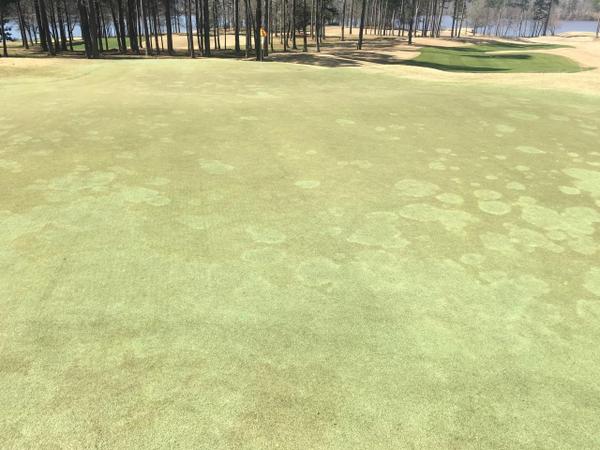
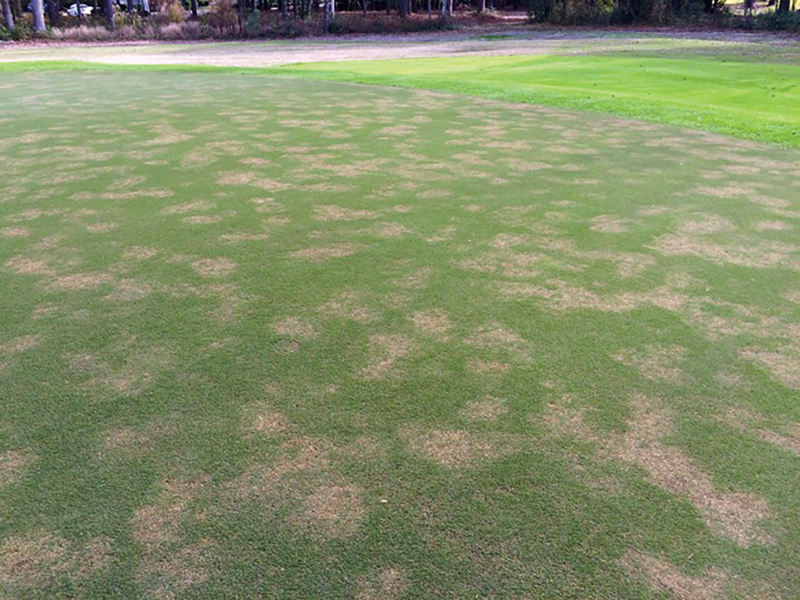
- Circular, irregular patches of yellow or light brown grass
- Grass thins out and eventually dies in affected areas
- Roots look blackened, short, and brittle
- Patches often appear in spring or early summer
The fungus thrives in cool, wet conditions and can survive in the soil for years. Unlike some turf diseases, Take All Patch does not recover easily without intervention.
Why Bermuda Grass Is Vulnerable
Bermuda grass is known for its toughness, but it’s not immune to diseases. Take All Patch is particularly problematic because it attacks below the surface. Sandy soils, poor drainage, and excessive thatch make Bermuda grass more vulnerable. Many homeowners overlook these factors, giving the fungus a chance to spread before they even notice a problem.
Credit: content.ces.ncsu.edu
Diagnosing Take All Patch
It’s easy to confuse Take All Patch with other turf problems like dollar spot or brown patch. However, some key signs set it apart.
Visual Clues:
- Large, irregular dead patches (often 6 inches to several feet wide)
- Surviving grass in the center of patches, giving a “frog-eye” appearance
- Roots and stolons look black and rotten, not healthy white
Simple Test: Gently pull up the grass in the affected area. If the roots break off easily and look black, it’s likely Take All Patch.
If you’re still unsure, consider sending a soil sample to a local extension office for confirmation.
How Take All Patch Spreads
The fungus spreads through soil, infected plant material, water, and even lawn equipment. It survives winter in plant debris, then becomes active as soil warms up in spring. Overwatering, compacted soil, and mowing when wet can all make the problem worse.
Two things beginners often miss:
- The disease can be hidden in new sod or grass seed, so always check sources before planting.
- Lawn care tools can carry the fungus from one part of your yard to another.
Step-by-step: Treating Take All Patch In Bermuda Grass
Dealing with Take All Patch requires patience and a multi-step approach. There’s no instant cure, but with the right actions, you can stop the disease and help your Bermuda grass recover.
1. Improve Drainage And Reduce Soil Compaction
Take All Patch thrives in wet, poorly drained soils. Start by making your soil less inviting for the fungus.
- Aerate your lawn at least once a year to break up compacted soil.
- Fill in low spots where water collects.
- Consider adding organic matter or sand to improve drainage if your soil is heavy clay.
2. Adjust Watering Practices
Too much water creates the perfect environment for Take All Patch.
- Water deeply but infrequently—about 1 inch per week is usually enough.
- Water early in the morning so grass dries before nightfall.
- Avoid watering after heavy rains.
3. Correct Soil Ph
Take All Patch prefers alkaline soils (pH above 6. 5). Lowering soil pH can slow disease progress and help your grass recover.
- Test your soil pH using a home kit or lab service.
- If pH is high (above 6.5–7.0), apply elemental sulfur following package instructions to lower it gradually.
- Retest pH every few months to track changes.
4. Fertilize Wisely
Bermuda grass needs nutrients to fight off disease, but too much nitrogen can make Take All Patch worse.
- Use a balanced fertilizer (like 16-4-8 or 10-10-10).
- Apply light, frequent feedings rather than heavy doses.
- In spring, focus on potassium to strengthen roots.
5. Remove Thatch
A thick thatch layer (more than 0. 5 inch) holds moisture and harbors disease.
- Dethatch your lawn in late spring or early summer.
- Use a dethatching rake or machine for best results.
- Remove debris to prevent the disease from spreading.
6. Apply Fungicides (if Needed)
Fungicides can help, but only if used with other lawn care steps. They work best when applied early, before patches grow large.
- Look for products containing azoxystrobin, propiconazole, or myclobutanil.
- Follow label directions carefully—overuse can harm your lawn.
- Repeat applications every 2–4 weeks as needed.
Important: Fungicides alone rarely solve the problem. Combine with cultural practices for best results.
7. Overseed And Repair Damaged Areas
After controlling the disease, reseed or resod thin patches to speed up recovery.
- Use high-quality Bermuda grass seed or sod.
- Keep soil moist until new grass is established.
- Avoid heavy traffic on repaired areas for 4–6 weeks.
8. Clean Tools And Equipment
Always clean mowing blades, rakes, and shoes after working in infected areas. This simple step can stop the fungus from spreading.
9. Monitor And Maintain
Keep checking your lawn every few weeks for new patches. Quick action at the first sign of return can prevent a major outbreak.
Comparing Treatment Options
Choosing the right strategy depends on the severity of the disease and your budget. Here’s a quick comparison of common approaches.
| Treatment | Cost | Effectiveness | Best For |
|---|---|---|---|
| Improved Drainage | Low–Medium | High (long-term) | All lawns |
| Fungicide Application | Medium–High | Medium (short-term) | Severe outbreaks |
| Soil pH Adjustment | Low | Medium | Alkaline soils |
| Dethatching | Low–Medium | High | Lawns with thick thatch |
Mistakes To Avoid
Many homeowners make errors that actually help Take All Patch thrive. Avoid these pitfalls:
- Overwatering: This keeps soil too wet, encouraging the fungus.
- Heavy nitrogen fertilization: Too much nitrogen feeds the fungus more than the grass.
- Ignoring soil pH: Not testing pH means you might miss a key factor in disease control.
- Delaying action: Waiting until patches are large makes recovery much harder.
- Skipping dethatching: Old, dead grass is a perfect breeding ground for the fungus.
Enhancing Bermuda Grass Recovery
After you control Take All Patch, your lawn still needs extra care to fill in bare spots and regain strength.
- Topdress thin areas with a thin layer of compost to improve soil health.
- Mow at the proper height (1–1.5 inches) to encourage lateral growth.
- Keep foot traffic off weak areas until new growth is strong.
Many people don’t realize that recovery may take an entire growing season, especially if the disease was severe. Patience and consistent care are key.
How To Prevent Take All Patch In The Future
Once your lawn is healthy again, prevention is your best defense. Here are proven ways to keep Take All Patch from coming back:
- Test soil pH every spring and adjust if necessary.
- Aerate your lawn annually to keep soil loose.
- Water early in the day and only as needed.
- Fertilize with a balanced product, focusing on potassium.
- Dethatch regularly to prevent buildup.
- Check new sod or seed for signs of disease before planting.
Pro tip: Healthy Bermuda grass is naturally resistant to many problems. Focus on a strong maintenance routine, and you’ll reduce the risk of Take All Patch and other diseases.
Real-world Example
In a 2021 Texas A&M turfgrass trial, researchers found that lawns with consistent aeration, balanced fertilization, and proper watering had 60% fewer Take All Patch outbreaks compared to lawns with poor maintenance. This shows that cultural practices are just as important as chemical treatments in managing the disease.
Credit: gcmonline.com
Table: Signs Of Take All Patch Vs. Other Lawn Diseases
To help you diagnose your lawn problem accurately, here’s a side-by-side look at Take All Patch symptoms compared to other common turf diseases.
| Symptom | Take All Patch | Brown Patch | Dollar Spot |
|---|---|---|---|
| Patches Size | 6″ to several feet | 1′ to several feet | 1–6″ |
| Root Health | Black, rotten | Normal | Normal |
| Leaf Appearance | Yellow, thin, dying | Brown, water-soaked | Straw-colored spots |
| Best Season | Spring | Summer | Spring/Summer |
Table: Fungicides For Take All Patch
If you decide to use fungicides, here are some common options and their key details.
| Active Ingredient | Brand Example | Application Rate | Notes |
|---|---|---|---|
| Azoxystrobin | Heritage G | 4–8 lbs/1000 sq ft | Apply before symptoms are severe |
| Propiconazole | Banner MAXX | 1–2 fl oz/1000 sq ft | Repeat every 2–4 weeks |
| Myclobutanil | Cleary’s 3336 | 1.5–2 fl oz/1000 sq ft | Rotate with other fungicides |
For more information on turfgrass diseases, you can visit the Wikipedia page on lawn diseases.

Credit: www.marconews.com
Frequently Asked Questions
What Is The Best Fungicide For Take All Patch In Bermuda Grass?
The most effective fungicides usually contain azoxystrobin, propiconazole, or myclobutanil. However, results improve when you use these along with good lawn care practices like aeration, dethatching, and balanced fertilization.
Can Take All Patch Go Away On Its Own?
No, Take All Patch rarely disappears without intervention. The fungus survives in soil for years, and patches will likely get bigger if you don’t treat the problem.
How Long Does It Take Bermuda Grass To Recover From Take All Patch?
Recovery can take several months, sometimes a full growing season. The speed depends on how quickly you treat the disease, the severity of the outbreak, and your lawn care routine.
Is Take All Patch Contagious To Other Types Of Grass?
Yes, Take All Patch can affect other warm-season grasses, not just Bermuda. It is less common in cool-season grasses, but can still infect them if conditions are right.
How Can I Prevent Take All Patch From Coming Back?
The best way is to keep your soil pH slightly acidic (around 6.0–6.5), avoid overwatering, dethatch annually, and keep your lawn healthy with proper fertilization and mowing.
Maintaining Bermuda grass isn’t always easy, especially when dealing with diseases like Take All Patch. But with the right approach, you can restore your lawn and prevent future outbreaks. Remember: healthy turf is your best defense against any lawn problem.