
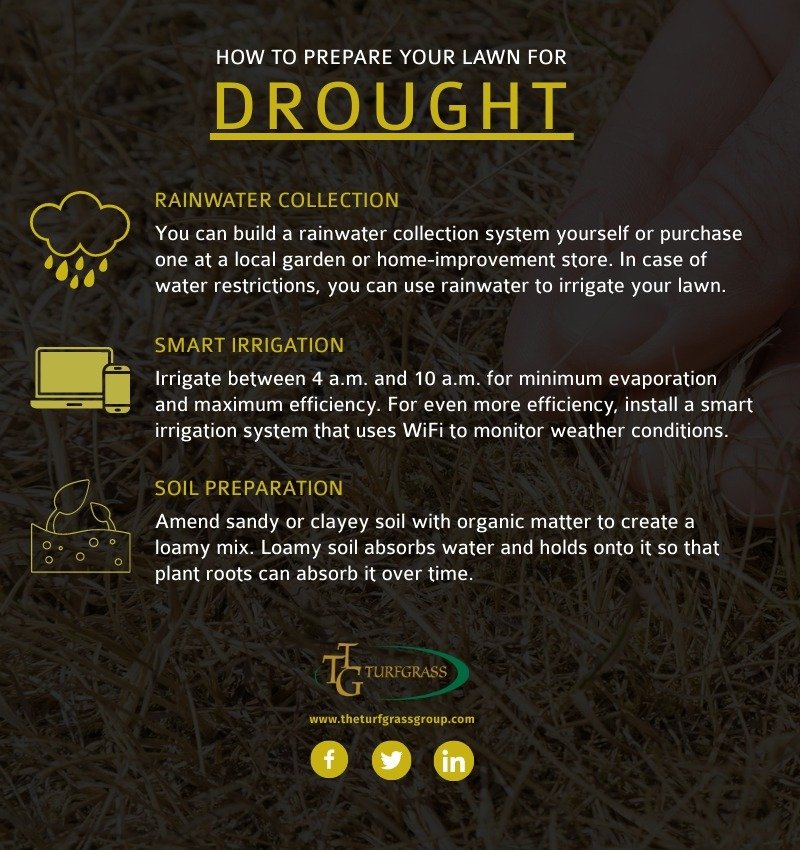
Water your lawn efficiently by focusing on deep, infrequent watering in the early morning.
Dealing with drought conditions can be a daunting task, especially when you want to maintain a lush, green lawn. As climate change alters global weather patterns, many regions face prolonged dry spells, making traditional watering methods ineffective. To preserve your lawn without wasting valuable resources, adopting strategic watering techniques becomes crucial. Let's dive into the art and science of keeping your lawn vibrant even during droughts.
Understanding Drought-Resistant Lawns
To tackle lawn care during droughts, it's essential to understand how grass behaves under stress. Drought conditions trigger grasses to go dormant, where they conserve resources to survive. Choosing drought-resistant grass types such as Bermuda, Buffalo, or Zoysia can make a significant difference.
Key Strategies for Watering During Drought
-
Water Deeply and Infrequently
- Instead of frequent shallow watering, focus on deep soaking once or twice a week.
- Ensure water penetrates 6 to 8 inches into the soil to reach the root zone.
-
Optimal Timing
- Water early in the morning when evaporation rates are lower.
- Avoid midday watering to minimize water loss and evening watering to prevent fungal diseases.
-
Adjust Sprinkler Systems
- Use smart timers and moisture sensors to adjust watering based on soil needs.
- Position sprinklers to minimize runoff and ensure even coverage.
-
Mulching and Aeration
- Apply organic mulch to help retain soil moisture and reduce temperature extremes.
- Aerate the lawn to improve water absorption and root growth.
-
Evaluate Soil Health
- Test soil for nutrient levels and pH. Amend with compost or organic fertilizers if necessary.
- Healthy soil enhances grass resilience under drought stress.
Personal Insights on Drought Lawn Care
Having managed lawns through several dry summers, I've learned that flexibility and observation are key. One particular season, I tested different mulch materials, ranging from straw to wood chips. I found that straw mulch not only retained soil moisture better but also broke down faster, enriching the soil. Experiment with different techniques to find what works best for your environment.
Benefits and Limitations
-
Benefits:
- Conserves water, reducing utility bills.
- Promotes deeper root growth for healthier lawns.
-
Limitations:
- Requires initial investment in drought-tolerant grass and proper equipment.
- Some strategies might need trial and error.
Frequently Asked Questions on How to Water Lawn in Drought Conditions
How often should I water my lawn during a drought?
Water your lawn once or twice a week, ensuring deep saturation.
Is it better to water at night or in the morning?
Water early in the morning to reduce evaporation and avoid fungal issues.
Can I still mow my lawn during a drought?
Yes, but keep the grass a bit longer to provide shade and reduce moisture loss.
Should I fertilize my lawn during drought conditions?
Fertilize sparingly and opt for organic fertilizers to avoid stressing the lawn.
What signs indicate my lawn is getting enough water?
Grass blades will be springy and green rather than wilted and brown.
Conclusion
Maintaining a lush lawn during drought conditions might seem challenging, but with the right strategies, it's achievable. Focus on deep watering, choose the right grasses, and pay attention to soil health. Each lawn is unique, so don't hesitate to adapt techniques to best fit your landscape. Stay proactive, and soon you'll see the fruits of your labor thrive even under the harshest conditions. Ready to transform your lawn care routine? Start exploring these methods today and watch your lawn flourish. Share your own experiences and tips in the comments, and let's grow together!