
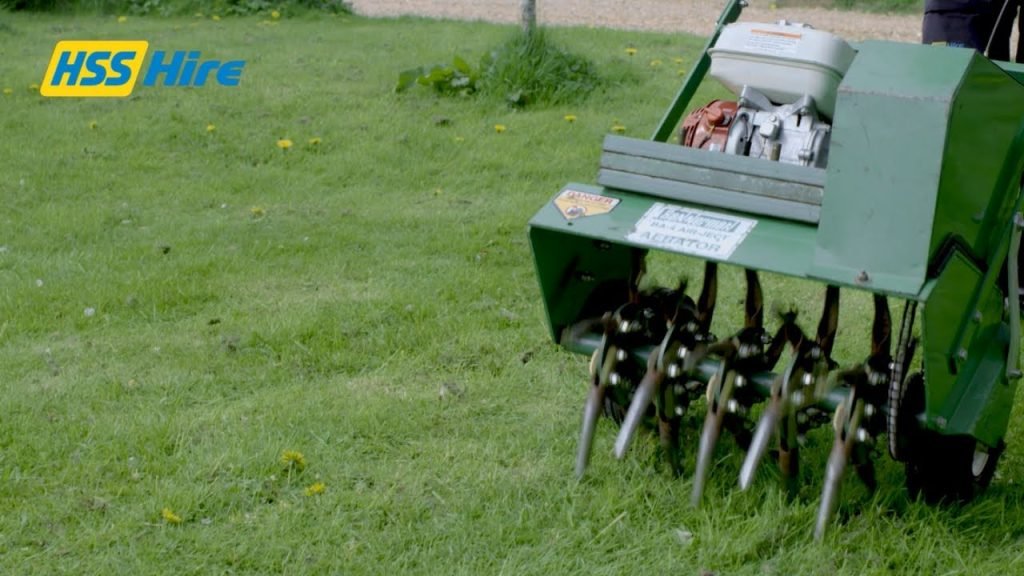
Using a lawn spiker for aeration improves soil health by creating holes that allow air, water, and nutrients to reach grass roots.
Achieving a vibrant, lush lawn requires more than just regular mowing and watering. Understanding how to properly aerate your lawn using a spiker can transform your garden into a thriving green carpet. If you've ever struggled with compacted soil or poor grass growth, learning to use a lawn spiker for aeration could be the game-changer your garden needs. With years of experience nurturing healthy lawns, I’m here to walk you through the process, ensuring you’re fully equipped with the knowledge and techniques to make the most of this effective tool.
Why Lawn Aeration is Crucial
Compacted soil can severely restrict airflow, water penetration, and nutrient absorption. Aeration addresses these issues by making small holes in the ground, allowing the roots to grow deeper, ultimately leading to a stronger lawn. The process of using a lawn spiker involves piercing the ground to alleviate soil compaction and promote healthier grass.
How to Use a Lawn Spiker for Aeration
Step-by-Step Guide
-
Choose the Right Time
- Best performed during the growing season: early spring or fall.
- Ensure your lawn is slightly moist, making it easier for the spiker to penetrate.
-
Select Your Equipment
- Manual spikers for small areas; powered ones for larger lawns.
- Make sure the spikes are clean and rust-free.
-
Prepare Your Lawn
- Mow your lawn to a manageable height.
- Remove any debris that might obstruct the spiker.
-
Spike the Lawn
- Push the spiker firmly into the ground, creating holes throughout.
- For manual spikers, it’s effective to work on a grid pattern for best coverage.
-
Post-Aeration Care
- Water your lawn thoroughly after aeration to help nutrients penetrate.
- Apply a suitable fertilizer to promote growth.
By following these steps, you’ll help your lawn unlock its full potential, creating an environment where grass can thrive.
Benefits of Using a Lawn Spiker
- Improves Air Circulation: Boosts oxygen flow to roots.
- Enhances Absorption: Increases water, fertilizer, and nutrient intake.
- Reduces Thatch Buildup: Helps break down excessive organic matter.
- Encourages Deep Root Growth: Strengthens grass resilience.
Common Mistakes to Avoid
- Aerating Dry Soil: Can lead to ineffective penetration. Ensure the soil is slightly moist.
- Over-Aeration: Avoid spiking the same spot too often; it can cause stress.
- Ignoring Timing: Aerate during the right seasons for optimal results.
Personal Insights
From my experience, it’s easy to underestimate the impact of seasonal timing. I once tried aerating in summer, but found the ground too hard. Timing and soil moisture make a significant difference.
Frequently Asked Questions of how to use a lawn spiker for aeration
What is the best time to aerate my lawn?
Early spring or fall, when the grass is actively growing and soil conditions are moist.
Can I use a lawn spiker on any type of grass?
Yes, spiking benefits all grass types by improving soil condition.
How often should I aerate my lawn?
Typically, once a year. However, heavily compacted lawns may benefit from twice-a-year aeration.
Is a lawn spiker better than a plug aerator?
Spikers are simpler and suitable for moderately compacted soils, while plug aerators are better for severely compacted lawns.
How deep should the spikes penetrate?
Ideally, spikes should penetrate 1-2 inches deep to effectively relieve compaction.
Conclusion
Embracing the practice of lawn spiking can be a game-changer for your lawn's health and appearance. By following these expert tips and avoiding common mistakes, you'll cultivate grass that's not only lush but resilient. Take pride in nurturing your outdoor space, and enjoy the transformation that proper aeration can bring. Ready to give it a try? Dive in and watch your lawn flourish! Leave a comment or subscribe for more gardening insights, and explore additional resources to keep your lawn pristine.