Provide food, water, shelter, and nesting opportunities.
Imagine the joy of watching vibrant hummingbirds dart around your garden, their iridescent feathers glinting in the sun. Attracting these mesmerizing creatures involves more than simply putting up a feeder. With the right mix of flowers, feeders, and environment adjustments, you can transform your garden into a hummingbird haven. This guide is your blueprint to creating a paradise that will make these delightful birds linger in your yard.
Understanding Hummingbirds
Hummingbirds are intriguing creatures known for their incredible speed, agility, and vibrant plumage. Before diving into creating their paradise, it’s essential to understand their needs. They primarily seek nectar, insects for protein, and a safe habitat for nesting and resting. Having knowledge of these habits will help you design an environment that attracts and retains them.
The Right Flowers for Nectar
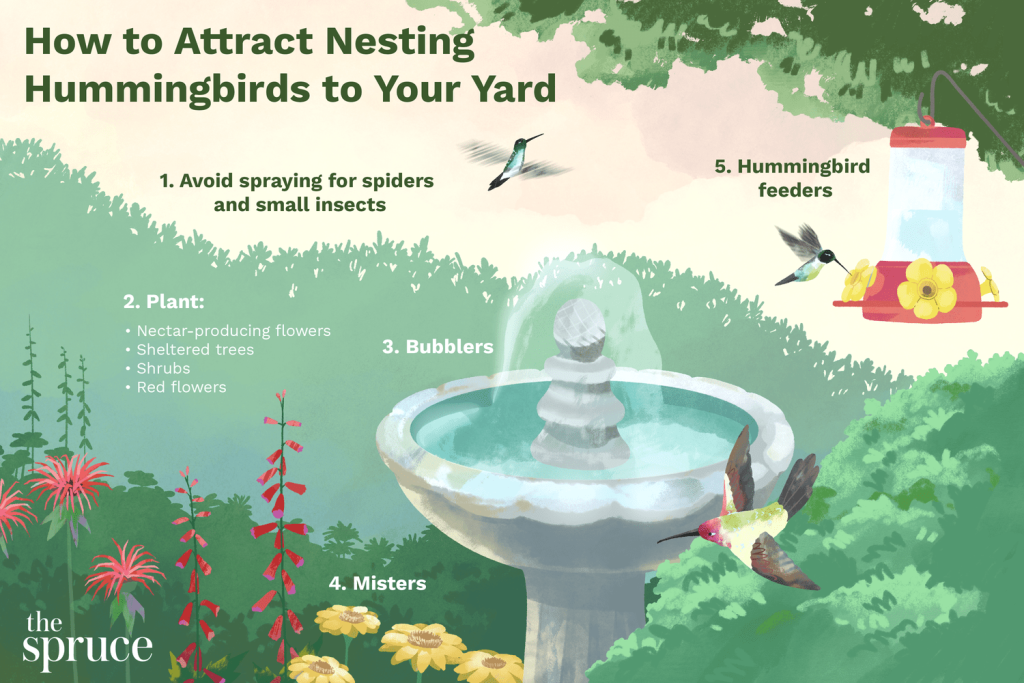
Hummingbirds are drawn to vibrant, tubular flowers rich in nectar. Some of their favorites include:
- Bee Balm
- Salvia
- Columbine
- Honeysuckle
Planting a variety of colors will attract more hummingbirds because they are attracted to the vibrant hues. Ensure that these plants are in bloom throughout the seasons to provide a consistent food source.
Strategic Feeder Placement
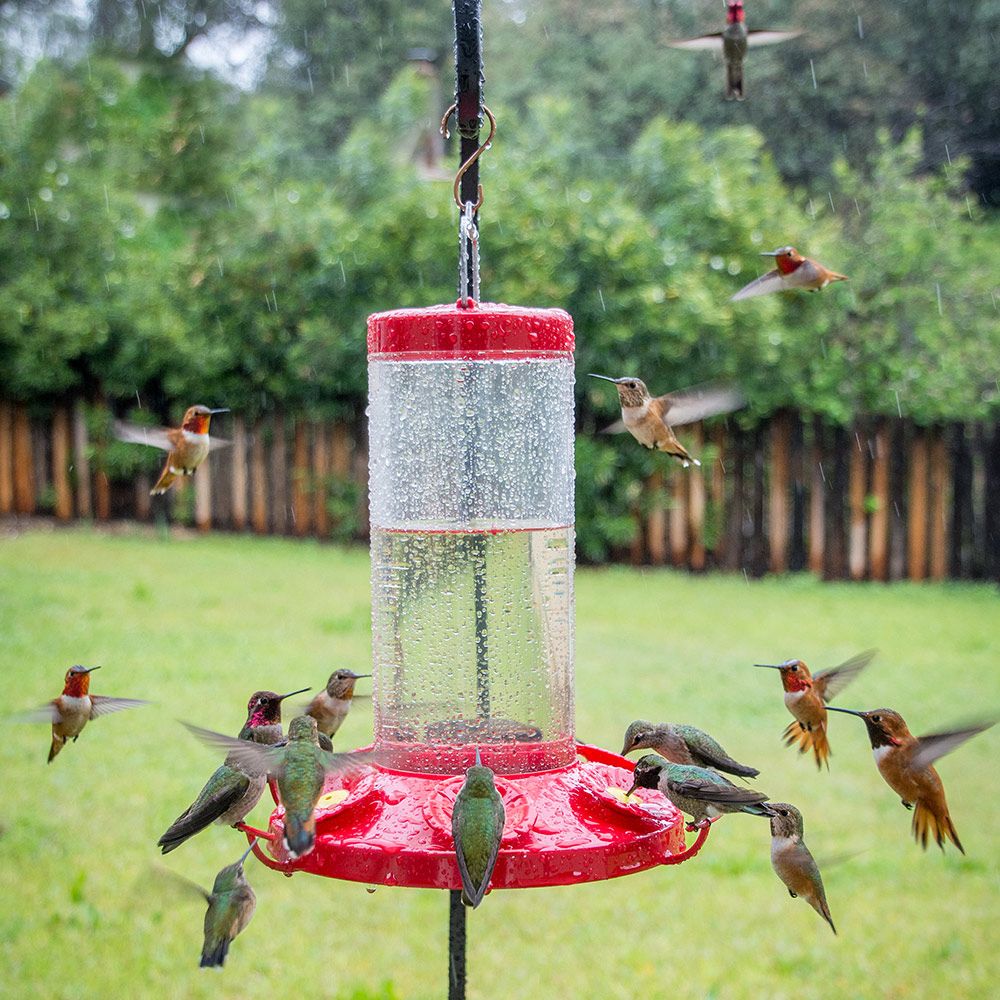
Hanging feeders is a tried-and-true method for luring hummingbirds. Here are some tips:
- Place feeders at different heights and locations to mimic a natural feeding pattern.
- Use feeders with red accents as the color attracts them.
- Keep feeders clean and refill them every few days to prevent fermentation and mold.
Make your own nectar by mixing one part sugar with four parts water; avoid honey or artificial sweeteners as they can harm hummingbirds.
Providing Water Sources
Beyond nectar, hummingbirds need water for both drinking and bathing. Consider:
- Installing misters or drippers, which simulate natural rain—attractive to hummingbirds.
- Creating a shallow water bath with moving water, as they are drawn to the sound and movement.
Ensure the water sources are clean and positioned near perches for rest.
Creating Shelter and Nesting Sites
To truly welcome hummingbirds, offer shelter from predators and nesting options:
- Plant dense shrubs and trees to provide natural cover.
- Leave some dead branches, as hummingbirds often use these for perching.
- Consider placing nesting boxes designed for small birds.
These elements help create a safe environment for feeding and breeding.
Maintaining a Pesticide-Free Environment
A healthy garden free from pesticides is crucial. Hummingbirds rely on insects for protein, making:
- Integrated pest management (IPM) techniques preferable.
- Companion planting to naturally repel harmful insects.
By avoiding chemicals, you ensure a safe, thriving ecosystem for hummingbirds and other beneficial wildlife.
Frequently Asked Questions
How often should I clean my hummingbird feeder?
Clean your feeder at least once a week, more frequently in hot weather, to prevent mold and fermentation.
What is the best time to set up hummingbird feeders?
Set up feeders in early spring before the hummingbirds arrive, so they recognize a dependable food source.
Can I use store-bought nectar for hummingbirds?
While store-bought nectar is convenient, homemade nectar (sugar and water) is healthier and lacks preservatives or dyes.
Do hummingbirds need special seeds?
Hummingbirds do not eat seeds; they rely on nectar and small insects for nutrition.
How can I attract hummingbirds all year?
Plant a variety of native flowers that bloom in different seasons and maintain feeders year-round in regions where hummingbirds don't migrate.
Conclusion
Bringing hummingbirds to your garden can be a deeply rewarding experience. By providing the essentials like food, water, shelter, and a pesticide-free environment, you're not just inviting them into your space but creating a sanctuary. Start today by planting vibrant flowers, setting up feeders, and designing a haven that invites these enchanting creatures. Join the community of hummingbird enthusiasts and share your experiences; you might discover that this tiny bird brings a new dimension of joy and beauty to your garden.