
If you want your St. Augustine grass to stay thick, green, and healthy all year round, you need the right care routine. This grass is known for its lush look and shade tolerance, but without proper watering, fertilizing, and mowing, it can quickly lose its charm.
You might be wondering how to keep your lawn looking its best without spending hours every week on maintenance. The good news? With a few simple steps tailored to your lawn’s needs, you can enjoy a vibrant yard that stands out in your neighborhood.
Keep reading to discover easy and effective tips that will transform your St. Augustine grass into the envy of Austin, Texas, and beyond.
Choosing The Right Fertilizer
Choosing the right fertilizer is key to keeping St Augustine grass healthy and green. Fertilizer supplies essential nutrients that help the grass grow thick and resist disease. Different seasons and soil types require specific fertilizer types. Understanding NPK ratios and micronutrients ensures the lawn gets exactly what it needs. Local rules may limit fertilizer use, so staying informed helps avoid problems.
Seasonal Fertilizer Types
Use fertilizers that match the lawn’s growth cycle. In spring and summer, choose high-nitrogen blends to promote leaf growth. During fall and winter, switch to fertilizers rich in potassium to strengthen roots. Avoid heavy nitrogen in winter to prevent weak growth. Organic options can be applied year-round for steady nutrition.
Npk Ratios For St Augustine
Look for fertilizers with a high first number, representing nitrogen. Nitrogen supports lush, green blades. The second number, phosphorus, should be low since St Augustine often has enough phosphorus in the soil. A higher third number, potassium, helps with stress tolerance and root strength. Typical ratios include 15-0-15 or 16-4-8.
Micronutrients Importance
Micronutrients like iron and magnesium boost the grass’s color and health. Iron encourages deep green leaves without overfeeding nitrogen. Magnesium supports photosynthesis and overall vigor. Some fertilizers include these nutrients, or apply them separately as foliar sprays. Micronutrients keep the lawn vibrant and resilient.
Local Fertilizer Restrictions
Check local laws about fertilizer use before applying. Some areas restrict nitrogen or phosphorus during certain months to protect waterways. These rules help prevent pollution and maintain healthy ecosystems. Follow guidelines to avoid fines and protect the environment. Using slow-release fertilizers can also reduce runoff risks.
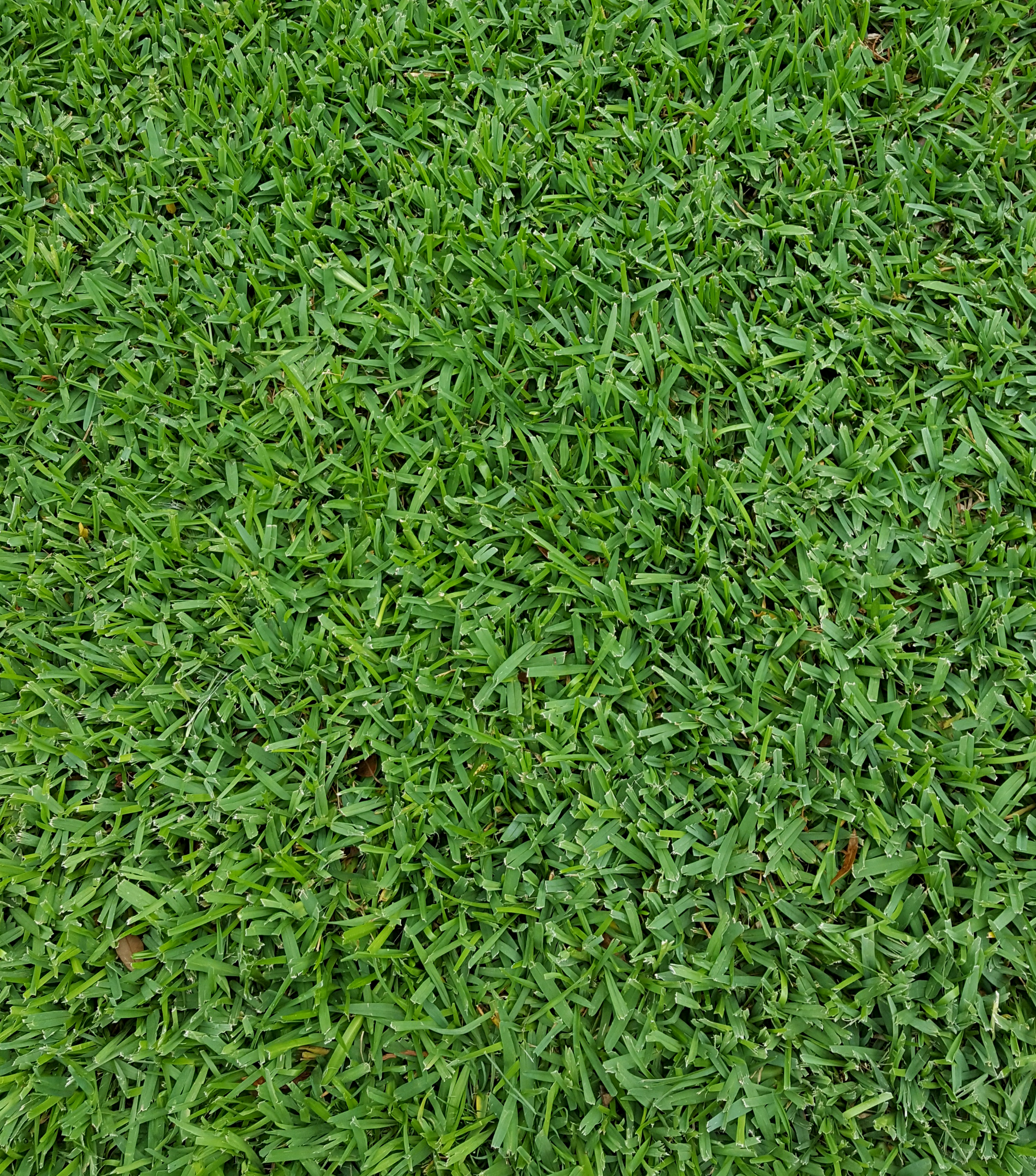
Credit: hgic.clemson.edu
Watering Techniques
Watering St Augustine grass correctly is key to keeping it lush and healthy. Proper watering helps the grass grow strong roots and resist drought. It also prevents diseases caused by too much moisture. Understanding the right watering techniques can save water and improve your lawn’s look.
Optimal Watering Schedule
Water deeply but less often. Aim for about 1 inch of water per week. Early morning is best to reduce evaporation. Spread water evenly across the lawn. Avoid watering in the evening to prevent fungal growth. Adjust the schedule based on weather and soil type.
Signs Of Overwatering
Look for puddles or soggy soil. Grass may appear yellow or wilted. Fungus or mold can develop on the surface. Roots might rot from too much moisture. Overwatering wastes water and weakens grass. Reduce watering if these signs show up.
Drought Management
During dry periods, water deeply once or twice a week. Let the soil dry slightly between watering. Avoid short, frequent watering that wets only the surface. Drought-stressed grass may turn brown but often recovers. Use mulch or shade to help retain soil moisture.
Mowing Practices
Mowing St. Augustine grass correctly helps keep it healthy and thick. Proper mowing reduces weeds and stress on the grass. Follow these mowing practices to maintain a lush lawn.
Recommended Mowing Height
Set your mower blade between 2.5 and 4 inches high. This height allows the grass to develop strong roots. Cutting too short can harm the grass and invite weeds. Taller grass shades the soil, keeping it moist and cool.
Mowing Frequency
Mow your lawn once a week during the growing season. If the grass grows fast, mowing twice a week is okay. Avoid cutting more than one-third of the grass blade at a time. This practice keeps the grass healthy and reduces stress.
Blade Maintenance Tips
Keep your mower blades sharp for clean cuts. Dull blades tear grass, causing brown edges and disease risk. Check blades often and sharpen them at least twice a year. Clean the mower deck to prevent grass buildup and rust.

Credit: lawnlove.com
Weed And Pest Control
Weed and pest control plays a vital role in keeping St Augustine grass healthy and lush. Weeds compete for nutrients, water, and sunlight. Pests cause damage by feeding on grass blades and roots. Managing both effectively ensures a dense, green lawn. Regular monitoring helps catch problems early. Timely action prevents spread and severe damage.
Effective Herbicides For Fall
Fall is the best time to apply herbicides for St Augustine grass. Use selective herbicides that target broadleaf weeds without harming the grass. Products containing atrazine work well against dandelions and clover. Apply on dry, calm days to avoid drift. Follow label instructions carefully to protect your lawn. Spot treat stubborn patches to minimize chemical use.
Pest Identification And Treatment
Identify common pests like chinch bugs, grubs, and armyworms early. Look for brown patches, thinning grass, or visible insects. Use a magnifying glass to inspect blades and soil. For small infestations, handpicking or spraying insecticidal soap helps. Severe cases require targeted insecticides labeled for St Augustine grass. Always follow safety guidelines and avoid overuse to protect beneficial insects.
Preventative Measures
Prevent pest and weed problems by maintaining strong grass. Mow regularly at recommended heights to reduce stress. Water deeply but infrequently to promote deep roots. Aerate soil to improve drainage and reduce pest habitat. Remove debris and thatch where pests hide. Use mulch barriers around flower beds to block weed seeds. Healthy grass resists pests and weeds naturally.
Soil Care And Aeration
Proper soil care and aeration form the foundation for a healthy St Augustine grass lawn. Good soil encourages strong roots and lush growth. Aeration helps relieve soil compaction and allows air, water, and nutrients to reach the grass roots effectively. Focusing on soil health ensures the lawn stays green and resilient through Texas heat and heavy use.
Soil Testing Importance
Testing your soil shows its nutrient levels and pH balance. St Augustine grass prefers slightly acidic to neutral soil, around pH 6.0 to 7.0. A soil test reveals deficiencies or excesses of nutrients like nitrogen, phosphorus, and potassium. Knowing your soil’s condition lets you apply the right fertilizers and amendments. This prevents overfeeding and promotes strong, healthy grass.
Aeration Benefits
Aeration breaks up compacted soil, improving root growth. It creates small holes that allow oxygen, water, and nutrients to penetrate deeper. This process helps reduce water runoff and increases soil absorption. Aeration also reduces thatch buildup, which can block nutrients and water from reaching roots. Regular aeration keeps St Augustine grass thick and lush throughout the year.
Using Organic Matter
Adding organic matter improves soil texture and fertility. Materials like compost or aged manure enrich the soil with nutrients and beneficial microbes. Organic matter boosts water retention in sandy soils and improves drainage in clay soils. It also encourages healthy root development and supports natural soil life. Spread a thin layer of organic matter on your lawn annually for best results.
Handling Shade And Sun Exposure
St Augustine grass thrives best when it gets the right balance of sun and shade. This grass can handle some shade but grows stronger with proper sunlight. Understanding how to care for it in different light conditions helps keep your lawn green and healthy all year.
Shade Tolerance Tips
St Augustine grass tolerates partial shade better than many other grasses. It can grow under trees or near buildings where sunlight is limited. Cut your grass a bit higher to help it catch more light. Avoid heavy traffic on shaded areas because the grass grows slower there. Water shaded spots less often to prevent mold and disease.
Sunlight Requirements
This grass prefers full sun for at least six hours a day. More sun means thicker, greener grass. In very hot areas, some afternoon shade can protect it from stress. Too much sun without water causes brown patches. Water deeply but less often to encourage strong roots.
Adjusting Care Based On Location
Look at where your lawn gets sun and shade during the day. Water shaded areas less to avoid overwatering. Fertilize shaded grass lightly since it grows slower. In sunny spots, mow more often to keep grass healthy. Adjust your care routine with the season and local weather changes.
Managing Common Issues
St. Augustine grass is popular for its lush, green look and ability to thrive in warm climates. Yet, it can face common problems that affect its health and appearance. Managing these issues early keeps your lawn vibrant and strong. Understanding how to handle thatch, brown patches, and fungal diseases is key to lawn care success.
Dealing With Thatch
Thatch is a layer of dead grass and roots that builds up on the soil. A thin layer is normal, but thick thatch stops water and nutrients from reaching roots. Remove excess thatch by raking or using a dethatching machine. Aerate the lawn to improve soil air flow and reduce thatch buildup. Regular mowing at the right height helps prevent thatch growth.
Preventing Brown Patches
Brown patches appear when grass loses moisture or nutrients. Avoid overwatering, which can cause shallow roots and fungal problems. Water deeply but less often to encourage strong roots. Fertilize with balanced nutrients to keep grass healthy and green. Mow at recommended heights to reduce stress on the grass blades.
Addressing Fungal Diseases
Fungal diseases show as spots, mold, or discoloration on grass blades. Remove grass clippings and debris to reduce disease risk. Improve lawn drainage to avoid standing water. Use fungicides only when necessary and follow product instructions carefully. Maintaining good lawn health through proper watering, mowing, and fertilizing helps prevent fungal issues.
Using Compost And Waste
Using compost and organic waste helps nourish St Augustine grass naturally. Compost adds nutrients and improves soil texture. It supports healthy root growth and water retention. Proper use of compost reduces the need for chemical fertilizers. Waste from the garden and kitchen can turn into valuable compost. This section explains how to use compost and waste safely and effectively.
Benefits Of Composting
Composting returns nutrients to the soil slowly and steadily. It enhances soil structure and increases moisture retention. St Augustine grass grows thicker and greener with compost. Compost supports beneficial soil microbes that keep grass healthy. It reduces lawn diseases by improving soil health. Using compost lowers water needs by keeping soil moist longer.
Avoiding Harmful Additives
Not all compost or waste is safe for St Augustine grass. Avoid using compost with pesticides or herbicides. These chemicals can harm grass roots and soil life. Do not add meat, dairy, or oily food scraps to compost. Such waste attracts pests and creates bad odors. Make sure compost is fully decomposed before using it on the lawn.
Incorporating Coffee Grounds Safely
Coffee grounds add nitrogen and organic matter to compost. Use coffee grounds in small amounts to avoid acidity. Mix them well with other compost materials like leaves and grass clippings. Spread coffee grounds thinly on soil or mix into compost piles. Avoid piling coffee grounds thickly on St Augustine grass to prevent damage.
:max_bytes(150000):strip_icc()/st-augustine-grass-care-guide-5199869-hero-15bc2f176ca3487b84a6b7b8d5efde9e.jpg)
Credit: www.thespruce.com
Frequently Asked Questions
What Is The Best Fertilizer For St. Augustine Grass?
The best fertilizer for St. Augustine grass has a high nitrogen, low phosphorus, and adequate potassium ratio. Use products like Scotts Turf Builder Southern Lawn Food or Espoma Organic All-Season Lawn Food. Perform soil tests to adjust nutrients and apply iron for a greener lawn.
Are Coffee Grounds Good For St. Augustine Grass?
Coffee grounds harm St. Augustine grass due to caffeine toxicity. Compost coffee grounds instead to improve soil health safely.
Is St. Augustine Grass Easy To Maintain?
St. Augustine grass is moderately easy to maintain with proper mowing, watering, fertilizing, and pest control. It thrives in warm climates and shaded areas.
What Do You Put On St. Augustine Grass In The Fall?
Apply a fertilizer high in potassium and low in nitrogen to strengthen roots. Use iron supplements to enhance green color. Conduct a soil test to tailor nutrient needs. Avoid heavy nitrogen to prevent stress before winter dormancy.
Conclusion
Caring for St. Augustine grass takes regular attention and simple steps. Water deeply but less often to encourage strong roots. Mow at the right height to keep it healthy and thick. Use fertilizers suited for your soil type and season.
Watch for pests and diseases and treat them early. A well-cared lawn stays green and soft all year. Small efforts make a big difference in lawn health. Enjoy a beautiful yard with these easy care tips.