
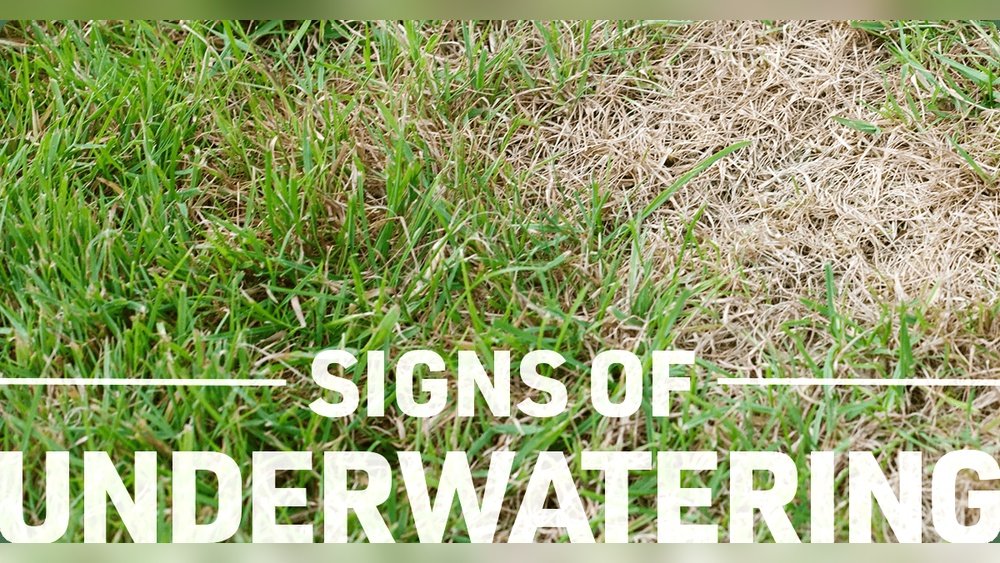
Is your lawn looking less vibrant despite your best watering efforts? You might be overwatering your grass without even realizing it.
Overwatering can harm your lawn more than underwatering, leading to yellow patches, soggy soil, and even unwanted fungi. But how can you tell if you’re giving your grass too much water? In this guide, you’ll discover the clear signs of overwatering and learn how to spot them early.
Keep reading to save your lawn and make your watering routine smarter—not harder. Your grass will thank you!

Credit: www.angi.com
Signs Of Overwatered Grass
Knowing the signs of overwatered grass helps protect your lawn. Too much water can harm grass roots and soil. It blocks air from reaching roots, causing grass to weaken. Watch for these key signs to keep your lawn healthy.
Soggy Or Spongy Soil
Soil that feels wet and soft shows overwatering. You may notice water pooling or muddy patches. Spongy soil means the ground holds too much moisture. Grass roots cannot grow well in soggy soil.
Yellowing Grass Patches
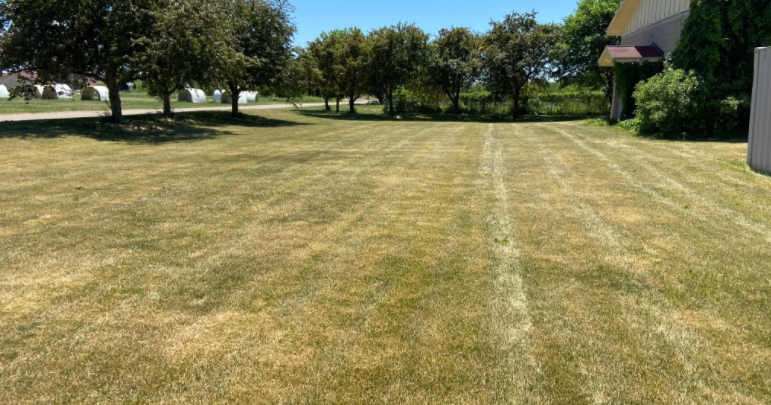
Grass turning yellow is a common sign of too much water. Instead of green, patches become pale or brownish. Yellow grass shows roots are suffocating and dying. It loses its ability to absorb nutrients.
Increased Weed Growth
Weeds thrive in wet conditions and outgrow grass. Overwatered lawns often have more weeds than usual. These unwanted plants steal nutrients and water from grass. More weeds signal your watering needs adjustment.
Fungal Disease Appearance
Fungus grows fast in moist, damp lawns. Overwatering creates perfect conditions for fungal diseases. Look for spots, mold, or mildew on grass blades. Fungal infections damage grass and spread quickly.
Mushrooms On Lawn
Mushrooms popping up means excess moisture in soil. They grow from decaying organic matter below the surface. While mushrooms are not harmful, they show overwatering problems. Remove them and reduce watering frequency.
Runoff And Water Waste
Water flowing off your lawn means too much watering. Runoff wastes water and can cause soil erosion. It prevents water from soaking into roots. Adjust watering to avoid wasted water and lawn damage.
Shallow Root Systems
Overwatered grass develops weak, shallow roots. Roots stay near the surface since water is always available. Shallow roots make grass vulnerable to drought and heat stress. Deep, strong roots need proper watering habits.
Higher Pest Activity
Wet lawns attract more pests like insects and grubs. These pests damage grass by feeding on roots and blades. Overwatering creates an inviting environment for them. Controlling watering helps reduce pest problems.
Credit: www.tomsguide.com
Causes Of Overwatering
Overwatering grass happens when lawn care practices provide too much water. This excess moisture harms the grass and soil. Understanding the main causes helps prevent damage. It also promotes a healthy, green lawn.
Excessive Irrigation Schedules
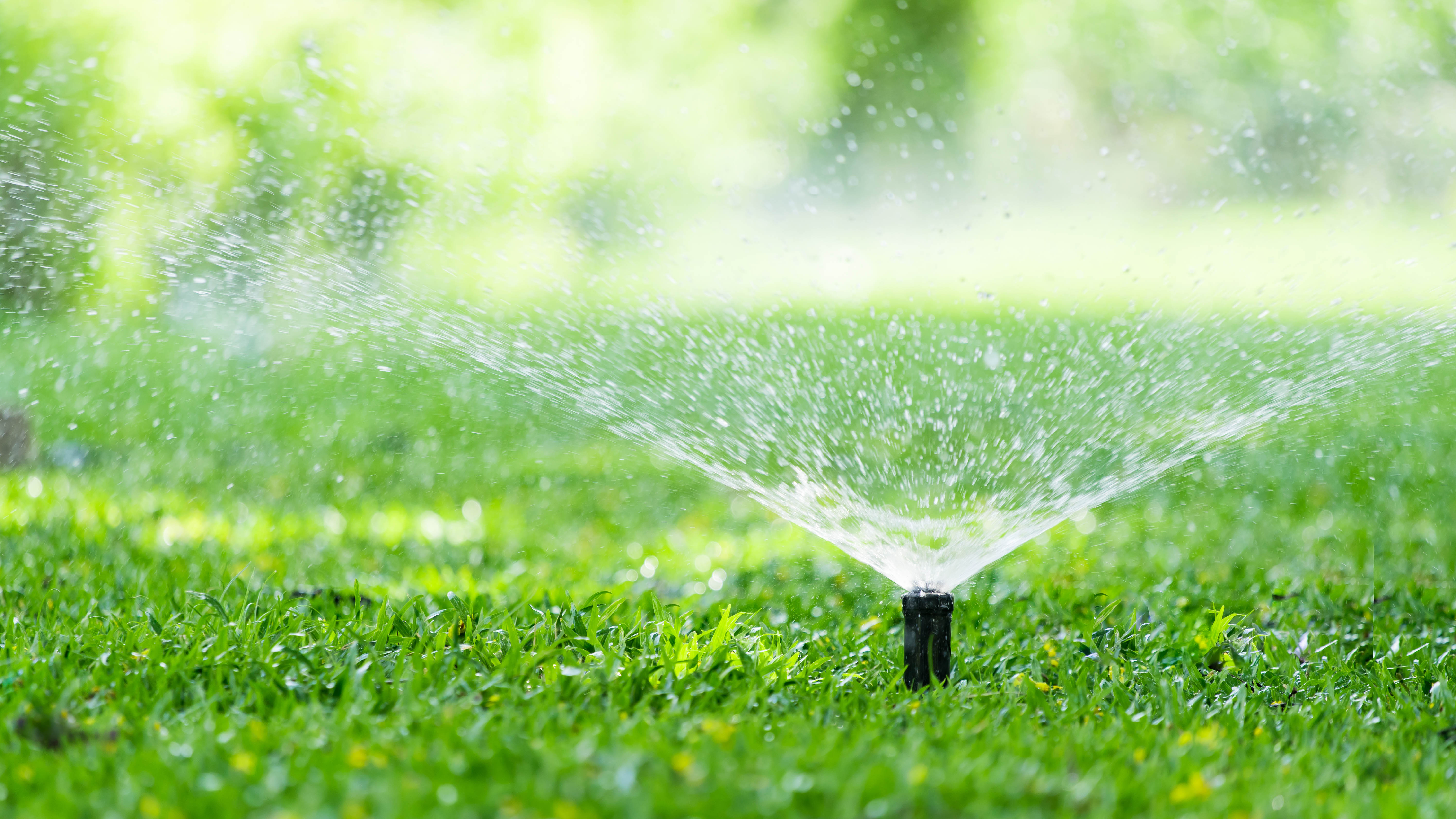
Setting irrigation schedules too often leads to overwatering. Many lawns get watered daily or for long periods. This saturates the soil and roots. Grass needs water, but too much causes harm. Adjusting schedules based on weather and soil needs is key.
Improper Sprinkler Use
Sprinklers placed incorrectly can water unevenly or too much. Some spots stay wet while others remain dry. Overlapping sprinkler coverage adds extra water to certain areas. This creates soggy patches where grass struggles to grow. Check sprinkler timing and placement regularly.
Poor Soil Drainage
Soil that does not drain well traps water around roots. Clay soils or compacted ground hold moisture too long. This lack of drainage starves roots of oxygen. Waterlogged soil invites fungi and pests. Improving soil with aeration or organic matter helps water flow better.
Lack Of Lawn Monitoring
Not checking the lawn often leads to unnoticed overwatering. Without regular monitoring, soggy spots go untreated. Signs like yellow grass or mushrooms get ignored. Simple observations can catch problems early. Use a screwdriver or soil probe to test moisture levels.
Effects Of Overwatering On Lawn Health
Overwatering damages lawn health in many ways. Excess water harms grass roots, soil, and blades. Understanding these effects helps prevent long-term damage. Healthy lawns need balanced watering to thrive. Too much water disrupts natural growth and soil conditions.
Root Suffocation
Too much water fills soil air spaces. Grass roots cannot get oxygen needed to survive. Roots become weak and start to rot. Shallow roots form, making grass less stable. This leads to patchy, unhealthy lawn areas.
Nutrient Leaching
Excess water washes away important nutrients from soil. Grass struggles to absorb the food it needs. Lack of nutrients causes yellowing and weak growth. Soil becomes less fertile over time. Lawn looks dull and lifeless.
Soil Compaction
Heavy watering causes soil particles to press tightly. Compacted soil blocks air and water flow to roots. Grass roots cannot grow deep or spread well. Water pools on the surface, leading to soggy spots. Compacted soil reduces lawn resilience.
Grass Blade Damage
Overwatered grass blades lose their green color. They turn yellow or brown and become limp. Excess moisture encourages fungal diseases and pests. Blades weaken, causing thinning and bare patches. Grass loses its lush, healthy appearance.
Preventing Overwatering
Preventing overwatering is essential for maintaining a healthy lawn. Too much water can damage grass roots and invite diseases. Simple steps can help you avoid giving your grass more water than it needs. These tips will guide you to keep your lawn green and strong without overdoing it.
Adjusting Watering Frequency
Water your lawn less often to prevent soggy soil. Grass usually needs water only once or twice a week. Skip watering if the soil is still moist. Adjust the schedule based on weather and soil conditions. This helps roots grow deeper and stronger.
Using Smart Irrigation Systems
Smart irrigation systems save water by watering only when needed. These systems use sensors to detect soil moisture. They stop watering during rain or when the ground is wet. This technology reduces waste and protects your lawn from overwatering.
Testing Soil Moisture
Check soil moisture before watering to avoid excess water. Use a simple soil moisture meter or a screwdriver to test. If the soil feels damp below the surface, wait before watering. This practice prevents water buildup and root damage.
Seasonal Watering Tips
Adjust watering based on the season for best results. In cooler months, water less because grass growth slows down. In hot, dry periods, increase watering but avoid daily use. Seasonal changes affect how much water your lawn needs.
Reviving Overwatered Lawns
Overwatering can damage grass roots and cause lawn problems. Reviving an overwatered lawn takes care and patience. Start by improving soil health and adjusting watering habits. Use proper techniques to help grass recover and grow strong.
Improving Drainage
Water must drain well to prevent root suffocation. Check soil for low spots that hold water. Add sand or organic matter to improve soil texture. Create slopes to guide excess water away. Use drainage pipes if needed to remove standing water quickly.
Aeration Techniques
Aeration helps air reach grass roots by making small holes in soil. Use a spike or plug aerator for best results. Aeration reduces soil compaction and improves water absorption. Perform aeration during the growing season for faster recovery. This allows roots to breathe and grow deeper.
Fungicide Treatments
Overwatering can cause fungal diseases in grass. Use fungicides to control mold and mildew. Choose a product safe for your grass type. Apply fungicide after aeration and on dry days. Follow label instructions to avoid damaging the lawn.
Adjusting Watering Habits
Water grass only when it needs it. Check soil moisture before watering. Water deeply but less often to encourage strong roots. Early morning is the best time to water. Avoid watering in the evening to reduce disease risk. Use a timer or smart irrigation system to prevent overwatering.
Credit: www.getsunday.com
Watering Guidelines By Season
Watering your lawn correctly changes with the seasons. Each season has different water needs. Following seasonal watering guidelines helps prevent overwatering. It also keeps grass healthy and green all year. Adjusting water amounts and timing is key. Watch your lawn’s response and make changes as needed.
Spring And Summer Tips
Spring and summer are hot months. Grass needs more water but not too much. Water deeply two to three times a week. Early morning is the best time to water. This reduces evaporation and keeps roots strong. Avoid watering in the evening to stop fungus growth.
Fall Watering Advice
In fall, grass growth slows down. Water less often but still deeply. One or two times a week is enough. Water in the morning for best results. Fall watering helps roots prepare for winter. Cut back watering as temperatures drop.
Winter Lawn Care
Most lawns need little to no water in winter. Grass is dormant and uses less moisture. Water only during dry spells if the soil is very dry. Avoid overwatering to prevent root damage. Use rainfall as the main water source when possible.
Frequently Asked Questions
How Do You Tell If Your Grass Is Overwatered?
Overwatered grass appears yellow, limp, and patchy. Soil feels soggy or spongy. Watch for mushrooms, fungal growth, and increased weeds. Roots stay shallow, and water may pool or run off. These signs indicate excess watering harming your lawn’s health.
Can Grass Recover From Overwatering?
Grass can recover from overwatering with proper drainage and reduced watering. Recovery time varies by damage severity. Aerate soil and avoid excess moisture to restore healthy growth.
What Does Grass That Is Overwatered Look Like?
Overwatered grass looks yellow, limp, and patchy with soggy soil. You may notice mushrooms, fungal growth, and increased weeds. Roots stay shallow, and the lawn feels spongy or waterlogged.
Should I Stop Watering My Lawn In October?
You should reduce watering in October as cooler weather lowers grass water needs. Water only if soil feels dry to avoid overwatering.
Conclusion
Overwatering grass causes many common problems. Yellow patches and soggy soil appear first. Fungi and weeds grow faster in wet conditions. Roots stay shallow and weak without enough air. Puddles or runoff show excess water use. These signs help you adjust watering habits.
Healthy lawns need balanced water and care. Watch your grass closely and water smartly. This keeps your lawn green and strong year-round. Avoid overwatering to save water and protect grass health.