
You’ve just moved into your new home, and your lawn is staring back at you—waiting to be transformed. Taking care of your lawn for the first time might feel overwhelming, but it doesn’t have to be.
With the right simple steps, you can turn your yard into a green, healthy space that adds beauty and value to your home. In this guide, you’ll discover easy lawn care tips designed specifically for first-time homeowners like you. Ready to make your lawn the envy of the neighborhood?
Let’s get started!
Lawn Basics
Starting a lawn can feel tricky for first-time homeowners. Understanding lawn basics sets a strong foundation. It helps your grass grow green and healthy. Knowing soil, grass types, and zones guides your care choices. This knowledge saves time and money later. Let’s explore these key basics for lawn care success.
Soil Testing
Soil testing tells you what your ground needs. It shows the pH and nutrients in your soil. You can buy a test kit or send samples to a lab. Testing helps choose the right fertilizer and lime. Healthy soil supports strong roots and thick grass. Test your soil before planting or fertilizing. It prevents guesswork and lawn problems.
Choosing Grass Types
Pick grass that fits your climate and yard conditions. Some grasses handle heat better, while others thrive in shade. Warm-season grasses suit hot areas. Cool-season grasses grow well in cooler zones. Think about how much sun and water your lawn gets. Choosing the right type reduces extra work and keeps your lawn lush.
Understanding Lawn Zones
Lawn zones divide areas by climate and weather patterns. Knowing your zone helps pick grass and care routines. Some zones need more watering or mowing than others. Austin, Texas is in a warm zone with hot summers. This means using drought-resistant grass and watering wisely. Adapting to your zone protects your lawn year-round.
Mowing Techniques
Mowing your lawn correctly is key to keeping it healthy and green. Proper mowing helps grass grow strong and blocks weeds. It also makes your yard look neat and tidy. For first-time homeowners, learning good mowing techniques can save time and effort while improving lawn health.
Ideal Mowing Height
Set your mower to the right height for your grass type. Most lawns do best between 2.5 and 3.5 inches tall. Cutting grass too short stresses the plants and invites weeds. Taller grass shades roots, keeping soil moist and cool. Avoid cutting more than one-third of the blade length at once.
Mowing Frequency
Mow your lawn often enough to keep it healthy. During spring and summer, mow once a week. Grass grows faster in warm weather and needs regular trimming. In cooler months, reduce mowing to every two weeks or less. Skipping mowing for too long causes uneven growth and weak grass.
Equipment Tips
Keep mower blades sharp for clean cuts. Dull blades tear grass, causing brown tips and disease. Check blade sharpness before each mowing session. Clean mower deck to prevent grass buildup. Adjust mower settings for different lawn areas and slopes. Wear safety gear and mow in daylight for best results.
Watering Strategies
Watering is a key part of lawn care for first-time homeowners. Good watering habits keep your grass green and strong. Knowing when and how much to water saves time and money. It also prevents damage to your lawn. Use smart watering strategies to help your lawn thrive all year.
Optimal Watering Times
Water your lawn early in the morning. Between 6 a.m. and 10 a.m. is best. The cooler air helps reduce water loss. Avoid watering in the heat of the day. Afternoon sun causes quick evaporation. Evening watering can lead to disease because grass stays wet too long.
Watering Frequency
Water deeply but less often. Aim for one to two times each week. Deep watering encourages roots to grow deep. Shallow, frequent watering causes weak roots and dry patches. Adjust watering based on weather and soil type. Sandy soil needs more water than clay soil.
Signs Of Overwatering And Drought
Yellowing grass or soggy soil means overwatering. Too much water drowns roots and causes disease. Dry, brown patches or curled grass show drought stress. Grass blades may also feel brittle. Check soil moisture regularly to avoid these problems. Proper watering keeps your lawn healthy and strong.

Credit: www.thepinnaclelist.com
Fertilizing Tips
Fertilizing is essential to keep your lawn green and healthy. It supplies nutrients your grass needs to grow strong. Proper fertilizing improves the soil and helps grass resist pests and diseases. For first-time homeowners, understanding how to fertilize correctly saves time and effort. Follow these simple tips to feed your lawn the right way.
When To Fertilize
Timing matters for fertilizing your lawn. Fertilize during the growing season for best results. In most areas, early spring and early fall are ideal. Avoid fertilizing in extreme heat or drought. These conditions can stress your grass. Check local guidelines for the best schedule in your region.
Choosing The Right Fertilizer
Pick a fertilizer made for your grass type. Look for a balanced formula with nitrogen, phosphorus, and potassium. Nitrogen helps leaf growth, phosphorus supports roots, and potassium boosts overall health. Use slow-release fertilizers to feed your lawn over time. This reduces the risk of burning your grass.
Application Methods
Apply fertilizer evenly across your lawn. Use a spreader for the best coverage and control. There are two main types: broadcast and drop spreaders. Broadcast spreaders cover large areas quickly. Drop spreaders provide precise application for small lawns. Water your lawn after fertilizing to help nutrients soak in.
Weed Control
Weed control is key for a healthy, green lawn. Weeds compete with grass for nutrients, water, and sunlight. Controlling them early helps your lawn grow strong and beautiful. A good weed control plan saves time and effort later.
Common Lawn Weeds
Several weeds often invade new lawns. Dandelions have bright yellow flowers and deep roots. Crabgrass spreads quickly and looks like thin blades. Clover has small white flowers and grows low. Each weed needs different care to remove effectively.
Preventive Measures
Keep your lawn thick and healthy to stop weeds. Mow regularly but avoid cutting grass too short. Water deeply and less often to encourage strong roots. Use quality fertilizer to feed your grass. Remove weeds by hand before they spread seeds.
Safe Herbicide Use
Choose herbicides made for your grass type. Read all instructions before applying any product. Apply herbicides on calm, dry days to avoid drift. Avoid overuse to protect your lawn and environment. Store chemicals safely out of reach from children and pets.
Seasonal Lawn Care
Seasonal lawn care keeps your grass healthy all year long. Each season has specific tasks to support growth and prevent damage. Knowing what to do during spring, summer, fall, and winter helps your lawn thrive. This guide breaks down key actions for every season.
Spring Tasks
Start by clearing leaves and debris from the lawn. Rake the grass to remove dead patches and loosen the soil. Apply a balanced fertilizer to boost growth. Aerate the soil to improve air and water flow. Overseed thin or bare areas to encourage new grass. Set your mower blades higher to protect fresh grass.
Summer Maintenance
Water the lawn deeply but less often. Early morning watering reduces evaporation. Mow regularly, but never cut more than one-third of the grass height. Watch for weeds and remove them promptly. Apply a slow-release fertilizer if needed. Keep an eye on pests and treat infestations quickly.
Fall Preparation
Rake fallen leaves to prevent mold and smothering. Aerate the lawn to relieve soil compaction. Overseed to fill bare spots and strengthen the grass. Apply a high-phosphorus fertilizer to support root growth. Lower mower blades gradually to prepare grass for winter. Clean and store lawn equipment properly.
Winter Protection
Avoid heavy traffic on frozen grass to prevent damage. Clear fallen branches and keep the lawn free of debris. Limit salt use on nearby walkways to protect grass. Use mulch around plants to insulate roots. Plan for early spring soil testing and lawn care. Stay ready for the next growing season.
Soil And Lawn Health
Healthy soil is the foundation of a strong, green lawn. It supports grass roots, retains moisture, and provides nutrients. First-time homeowners should focus on soil health to keep their lawn lush and vibrant. Simple steps like aeration, overseeding, and managing soil compaction improve lawn growth and resilience.
Aeration Benefits
Aeration means making small holes in the soil. This helps air, water, and nutrients reach the grass roots. Aeration reduces soil compaction and allows roots to grow deeper. Lawns that get aerated often have better color and thickness. It also helps with water drainage and reduces runoff.
Overseeding Techniques
Overseeding adds new grass seeds to an existing lawn. This fills in bare spots and thickens thin areas. Use high-quality seed that matches your lawn type. Spread seeds evenly over the soil after aeration for best results. Water the lawn gently but regularly until the new grass grows.
Dealing With Soil Compaction
Soil compaction happens when soil particles press tightly together. This stops water and air from reaching roots. Heavy foot traffic and machinery cause compaction. Loosen compacted soil by aerating or using a garden fork. Avoid walking on wet soil to prevent making compaction worse.
Pest And Disease Management
Pest and disease management is vital for a healthy lawn. Pests and diseases can damage grass and plants quickly. Early detection saves your lawn from severe harm. Understanding common pests and how to control them helps maintain a lush, green yard. A healthy lawn resists diseases better and recovers faster.
Identifying Common Pests
Watch for insects like grubs, ants, and beetles in the soil. Signs include brown patches, wilting grass, or holes in leaves. Look closely for small bugs crawling on grass blades. Some pests are visible only at dawn or dusk. Use a magnifying glass for better inspection. Knowing the pest helps choose the right treatment.
Natural Pest Control
Use natural predators like ladybugs and birds to reduce pests. Plant flowers that attract beneficial insects near your lawn. Avoid harsh chemicals that harm helpful bugs and soil health. Neem oil and insecticidal soap offer safe pest control options. Keep your lawn clean by removing debris and fallen leaves. Healthy soil and grass can fight pests naturally.
Disease Prevention
Water early in the morning to avoid wet grass overnight. Wet grass invites fungal diseases like mold and rust. Mow regularly but never cut more than one-third of grass height. Proper mowing prevents stress and disease spread. Aerate your lawn to improve air and water flow in soil. Use disease-resistant grass types suitable for your region. Regular lawn care keeps diseases at bay.
Troubleshooting Common Issues
Troubleshooting common lawn issues helps keep your yard healthy and green. Early identification of problems saves time and money. Simple solutions often fix most lawn troubles. Here are some frequent issues first-time homeowners face.
Brown Spots
Brown spots usually mean dry patches or disease. Check your lawn’s watering pattern first. Avoid watering only once in a while. Make sure water reaches the roots deeply. Sometimes pests or fungi cause brown spots. Treat affected areas with proper fungicide or pest control. Reseed the spots if grass does not recover.
Thinning Grass
Thinning grass shows poor growth or damage. It happens due to lack of nutrients or too much shade. Test your soil to find nutrient gaps. Apply balanced fertilizer to improve growth. Avoid walking on the grass too often. Thin grass may also need overseeding to fill bare spots.
Uneven Growth
Uneven growth looks patchy and unbalanced. It can result from inconsistent watering or soil compaction. Water the lawn evenly and deeply. Aerate soil to allow air and water to reach roots. Uneven mowing height also causes patchy grass. Keep mower blades sharp and set at the right height.
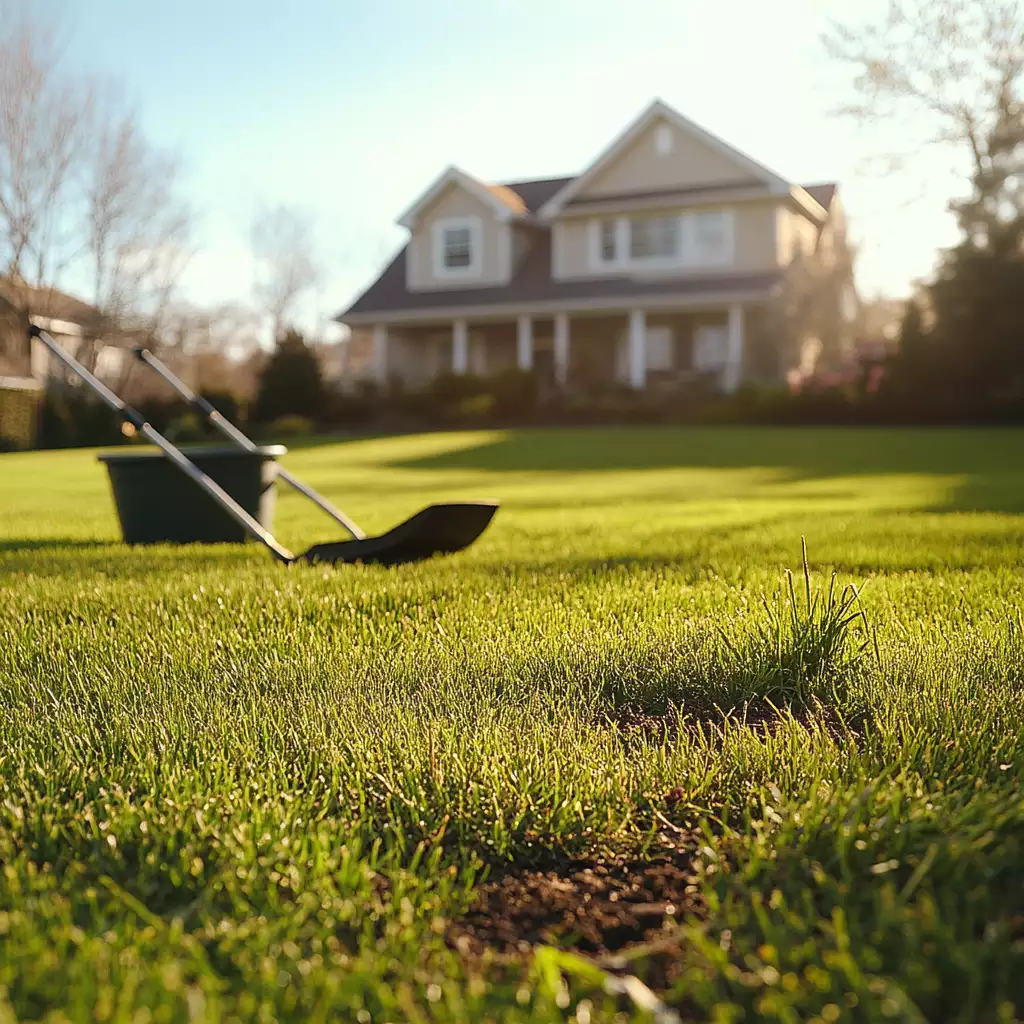
Credit: seacoastpower.com
Tools And Equipment
Starting lawn care means having the right tools and equipment. These help keep your lawn healthy and beautiful. Good tools make tasks easier and save time. This section covers the basics of lawn care tools, how to maintain them, and budget options for beginners.
Essential Lawn Tools
Every new homeowner needs a few key tools. A lawn mower is the most important for regular grass cutting. A good rake helps remove leaves and debris. A garden hose or sprinkler keeps the lawn watered. Also, consider a pair of gloves to protect your hands. A spade or shovel helps with planting and soil work. These tools cover most basic lawn care tasks.
Maintenance And Storage
Keep tools clean and dry after each use. Wipe blades and remove dirt to prevent rust. Store tools in a dry, sheltered place like a shed or garage. Regularly check for damage or wear. Sharpen mower blades and rake tines to keep them working well. Proper care extends tool life and improves lawn care results.
Budget-friendly Options
Start with basic, affordable tools before buying advanced equipment. Look for second-hand tools in good condition. Many stores offer quality budget mowers and hand tools. Renting equipment is a good choice for one-time or rare tasks. Simple tools can manage most lawn care jobs without high costs.

Credit: otolawn.com
Frequently Asked Questions
How Often Should I Mow My Lawn As A Beginner?
Mow your lawn once a week during the growing season. Adjust frequency based on grass growth rate. Avoid cutting more than one-third of the grass blade at a time to keep your lawn healthy and prevent stress.
When Is The Best Time To Water My Lawn?
Water your lawn early in the morning for best absorption. Aim for 1 inch of water per week, including rainfall. Avoid watering in the heat of the day to reduce evaporation and fungal issues.
How Do I Choose The Right Fertilizer For My Lawn?
Select fertilizer based on your grass type and soil test results. Use a balanced fertilizer with nitrogen, phosphorus, and potassium. Apply fertilizer during the growing season to promote healthy growth and green color.
What Are Simple Ways To Control Lawn Weeds Effectively?
Regular mowing and proper watering discourage weed growth. Use pre-emergent herbicides in early spring to prevent weed seeds from sprouting. Spot-treat existing weeds with post-emergent herbicides for targeted control.
Conclusion
Caring for your lawn takes patience and simple steps. Mow regularly to keep grass healthy and neat. Water your lawn deeply but not too often. Use fertilizer to feed your grass and help it grow. Watch for weeds and remove them quickly.
Over time, your lawn will look green and strong. Enjoy the pride of a well-kept yard at your new home. Small efforts today bring a beautiful lawn tomorrow. Keep learning and adjusting your care routine as needed. Your lawn will thank you with its fresh, green beauty.