
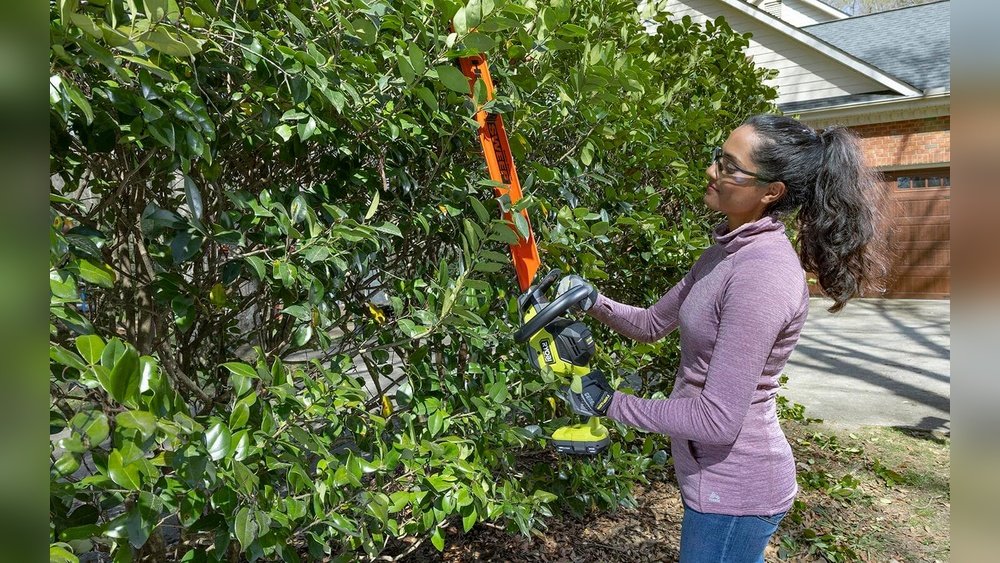
Are your shrubs looking a little wild or uneven? Using a hedge trimmer can be a quick and effective way to shape them into neat, attractive forms—but only if you know the right techniques.
In this guide, you’ll discover how to use a hedge trimmer safely and skillfully to transform your shrubs without harming them. From preparing your tools to mastering the cutting motions, you’ll gain the confidence to create clean lines and healthy plants that boost your garden’s curb appeal.
Keep reading, and you’ll learn simple steps to turn your overgrown bushes into beautifully shaped greenery you’ll be proud of.
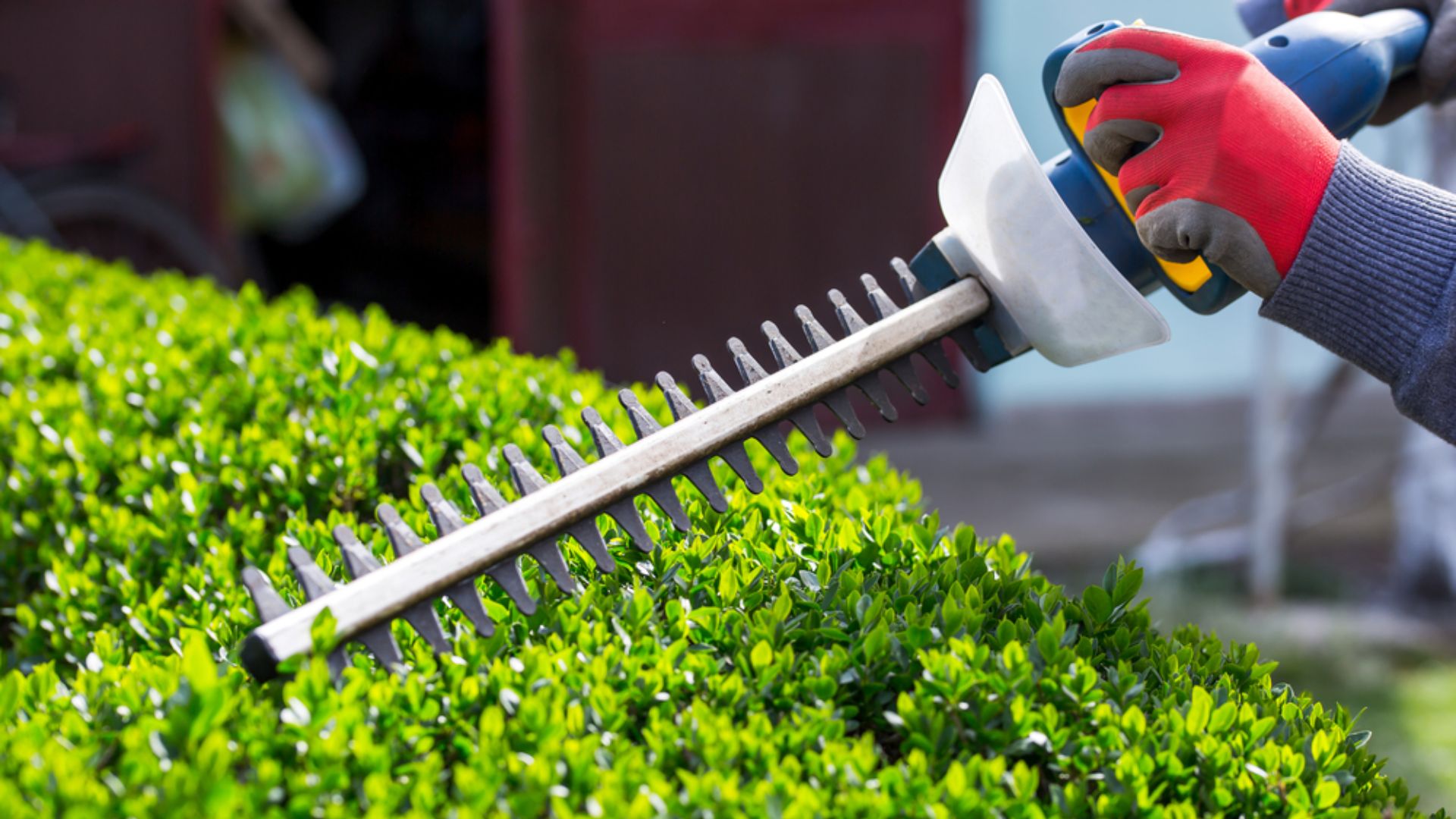
Credit: www.yourgreenpal.com
Tools And Preparation
Using a hedge trimmer to shape shrubs requires the right tools and proper preparation. Choosing the correct trimmer, gathering all necessary equipment, and readying the work area will make the task safer and easier. Proper preparation helps you achieve clean, even cuts and keeps your shrubs healthy.
Choosing The Right Hedge Trimmer
Select a hedge trimmer that fits your shrub size and shape. For small, delicate shrubs, choose a lightweight, electric model. For larger, tougher shrubs, use a gas-powered or heavy-duty cordless trimmer. Check the blade length; shorter blades offer better control for detailed shaping. Sharp blades make cleaner cuts and reduce damage to plants.
Gathering Essential Tools
Besides the hedge trimmer, gather safety gloves and eye protection. Use ear protection if your trimmer is loud. Have a ladder ready for tall shrubs. Keep pruning shears nearby for precise trimming. A rake will help clear cut branches quickly. Prepare a tarp or bag to collect trimmings for easy cleanup.
Preparing The Work Area
Clear the area around your shrubs of debris and obstacles. Remove toys, garden furniture, or pets from the work zone. Check for hidden wires or irrigation lines near the shrubs. Make sure you have enough light to see your work clearly. Position yourself for safe movement and easy access to all shrub sides.

Credit: www.youtube.com
Assessing Your Shrubs
Before you start shaping your shrubs with a hedge trimmer, take time to assess them carefully. This step helps you understand their health and natural form. It also guides your trimming decisions for a neat, healthy look. Proper assessment prevents damage and encourages better growth.
Identifying Dead And Damaged Branches
Look for branches that are brown, dry, or brittle. These are dead or damaged and should be removed first. Cutting them away helps the shrub focus energy on healthy parts. Use your hands to gently move branches and spot weak spots. Removing these branches keeps the shrub healthy and tidy.
Observing Natural Shape And Growth
Notice how your shrub grows naturally. Some shrubs grow tall and narrow, others wide and round. Follow the natural lines to keep the shape balanced. Avoid cutting too deep or too much at once. Observing growth patterns helps maintain the plant’s strength and beauty.
Planning The Desired Form
Decide the shape you want before trimming. Simple shapes like spheres or cones are easier to maintain. Sketch a rough outline if it helps. Think about sunlight and air flow around the shrub. Planning the form saves time and makes your trimming more effective.
Basic Trimming Techniques
Basic trimming techniques form the foundation for shaping healthy and attractive shrubs. These steps help you control growth and maintain the natural beauty of your plants. Proper trimming ensures air and light reach all parts of the shrub. It also promotes new growth and prevents overgrowth. Follow these simple techniques to start shaping your shrubs effectively.
Starting With Cleanup Cuts
Begin by removing dead or damaged branches. This step clears the shrub and improves its health. Use the hedge trimmer carefully to cut these parts close to the main stem. Clean cuts help prevent disease and pest problems. Removing old wood opens space for new shoots and better air flow.
Thinning Out Dense Growth
Dense areas block sunlight and reduce air circulation. Thin out crowded branches by cutting some back to the base. Avoid cutting too much; remove only about one-third of the growth. Thinning keeps the shrub lively and balanced. It also prevents the plant from becoming too heavy or misshapen.
Shaping The Perimeter
Shape the outer edges to give your shrub a neat form. Use the hedge trimmer to trim along the desired outline. Keep the base slightly wider than the top to allow sunlight to reach lower branches. Step back often to check the symmetry. Smooth, even shapes create a pleasing appearance and keep the shrub healthy.
Creating A Balanced Shape
Creating a balanced shape is key to making your shrubs look neat and healthy. A well-shaped shrub adds charm to any garden. It also helps the plant grow evenly and get enough sunlight. Use a hedge trimmer carefully to achieve this balance. Focus on smooth lines and even sides. Step back often to check your progress and avoid mistakes.
Tapering From Base To Top
Start shaping by making the base of the shrub wider than the top. This tapering allows sunlight to reach all parts of the plant. Cut more at the top to create a gentle slope. Avoid straight sides that block light and air. This method helps prevent disease and promotes growth. Use slow, steady strokes with the hedge trimmer to shape the shrub evenly from bottom to top.
Maintaining Symmetry
Symmetry means both sides of the shrub look alike. Stand back and view the shrub from different angles. Trim small sections at a time on one side, then match the other side. Use your eyes to compare shapes and sizes. Balanced shrubs look more attractive and tidy. Keep the trimmer blade level and steady to avoid uneven cuts. Symmetry keeps your garden looking well cared for.
Using Guides For Straight Lines
Use simple guides to help cut straight lines and flat surfaces. String tied between stakes works well for long hedges. Mark the desired height on the stakes for uniform cuts. You can also use a wooden board as a straight edge. Move the guide slowly while trimming to follow the line. Guides help prevent uneven shaping and make the job faster. They give your shrubs a professional, clean look.
Safety Tips And Best Practices
Using a hedge trimmer to shape shrubs can save time and effort. Safety must be your top priority during the process. Following best practices reduces risks and ensures better results. Here are essential safety tips and practices to keep in mind.
Protective Gear Recommendations
Wear safety glasses to protect your eyes from flying debris. Use gloves to shield your hands from sharp branches and the trimmer itself. Long sleeves and pants help prevent cuts and scratches. Consider ear protection if your trimmer is noisy. Sturdy, closed-toe shoes keep your feet safe from falling branches or the trimmer blade.
Handling The Hedge Trimmer Safely
Always hold the trimmer with both hands for better control. Keep a firm grip and maintain a balanced stance. Never trim above shoulder height to avoid strain and loss of control. Make sure the cord or battery cable is clear of the blades. Turn off the trimmer before moving to another spot or clearing jams.
Avoiding Common Mistakes
Do not rush the trimming process; go slow for precise shaping. Avoid trimming in wet conditions to prevent slips and electrical hazards. Keep the blade sharp to cut cleanly without forcing the tool. Don’t ignore warning labels and manufacturer instructions. Check the area for hidden wires, garden hoses, or obstacles before starting.
Maintenance After Trimming
After shaping your shrubs with a hedge trimmer, maintenance is key. Proper care keeps your garden tidy and your tools ready for the next use. It also supports the health of your plants. Follow these steps to maintain both your trimmed shrubs and your equipment.
Cleaning Up Clippings
Remove all trimmed branches and leaves from the ground. Clippings can attract pests and cause disease. Use a rake or broom to gather debris quickly. Dispose of or compost the clippings properly. This keeps your garden clean and safe.
Caring For Your Hedge Trimmer
Turn off and unplug the trimmer before cleaning. Wipe the blades with a dry cloth to remove sap and dirt. Use a brush to clean hard-to-reach spots. Oil the blades lightly to prevent rust. Check for loose screws and tighten if needed. Store the trimmer in a dry place to protect it.
Monitoring Shrub Health Post-trimming
Watch your shrubs closely after trimming. Look for signs of stress like browning or wilting leaves. Water the plants regularly to help recovery. Avoid trimming during extreme heat or cold. Healthy shrubs grow back stronger and fuller with proper care.
Advanced Shaping Tips
Advanced shaping of shrubs takes skill and patience. Using a hedge trimmer is great for broad cuts but lacks precision for fine details. This section shares tips for detailed shaping and caring for different shrub types. Timing your pruning also affects shrub health and appearance. These tips will help you create well-formed, attractive bushes with confidence.
Using Hand Pruners For Detail Work
Hand pruners give better control than a hedge trimmer. Use them to cut small branches and shape tight corners. They help refine edges and remove unwanted growth without damaging the shrub. Trim carefully around flowers and new shoots to avoid stress. Always clean your pruners before use to prevent disease spread.
Techniques For Different Shrub Types
Different shrubs need different trimming approaches. For dense shrubs, trim lightly to keep the shape and allow light inside. Soft-leaved shrubs benefit from gentle shaping to avoid leaf damage. Flowering shrubs should be pruned after blooming to protect buds. Learn the growth habits of your shrub before cutting for best results.
Seasonal Timing For Best Results
Timing your trimming boosts shrub health. Late winter or early spring is ideal for most shrubs before new growth starts. Avoid cutting in late summer or fall to prevent winter damage. Some flowering shrubs need pruning right after they bloom. Check your shrub’s needs to pick the best season for shaping.
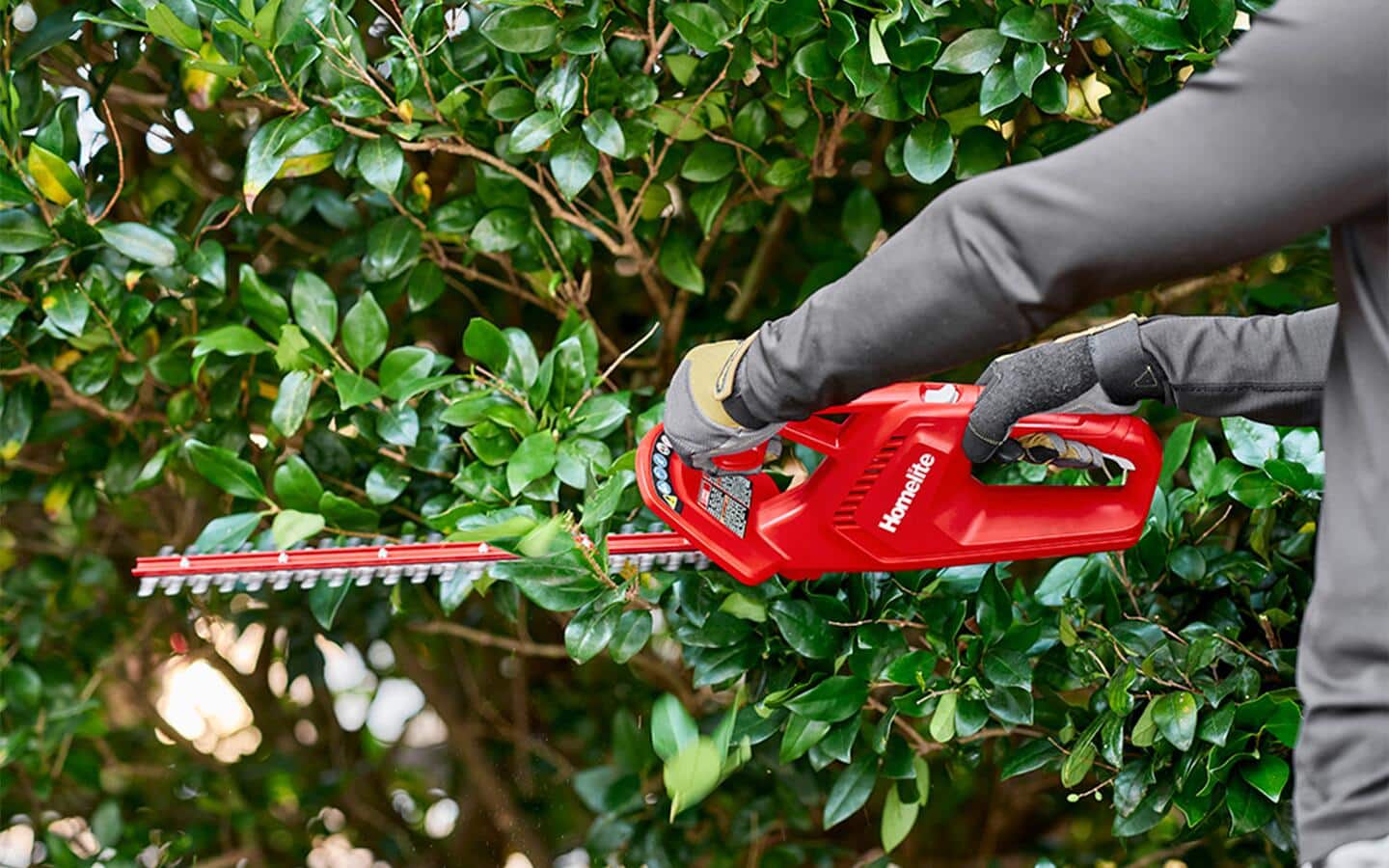
Credit: www.homedepot.com
Frequently Asked Questions
Can I Use A Hedge Trimmer On Shrubs?
Yes, you can use a hedge trimmer on shrubs, but hand pruning offers better control and protects plant health. Use trimmers carefully to avoid overcutting.
How To Shape A Bush For Beginners?
Start by removing dead or damaged branches with sharp hand pruners. Thin out thin, inward-growing twigs. Shape the bush by trimming tips, keeping the base wider than the top. Remove no more than one-third of growth yearly. Step back often to check symmetry and maintain control.
What Is The 1/3 Rule For Pruning Shrubs?
The 1/3 rule for pruning shrubs means never remove more than one-third of the plant’s growth at once. This prevents stress and promotes healthy regrowth.
How To Shape An Overgrown Shrub?
Start by removing dead or damaged branches with sharp hand pruners. Thin out crowded growth to improve air circulation. Trim wayward branches, shaping the shrub with a wider base than top. Cut lightly, removing no more than one-third of growth annually.
Step back often to check symmetry.
Conclusion
Shaping shrubs with a hedge trimmer takes practice and care. Always start by removing dead or damaged branches first. Trim slowly to keep a natural look and avoid cutting too much at once. Step back often to check your progress and maintain balance.
Using the right tools helps you work safely and efficiently. Regular trimming keeps shrubs healthy and attractive. Keep these tips in mind for neat, well-shaped bushes all year round.