
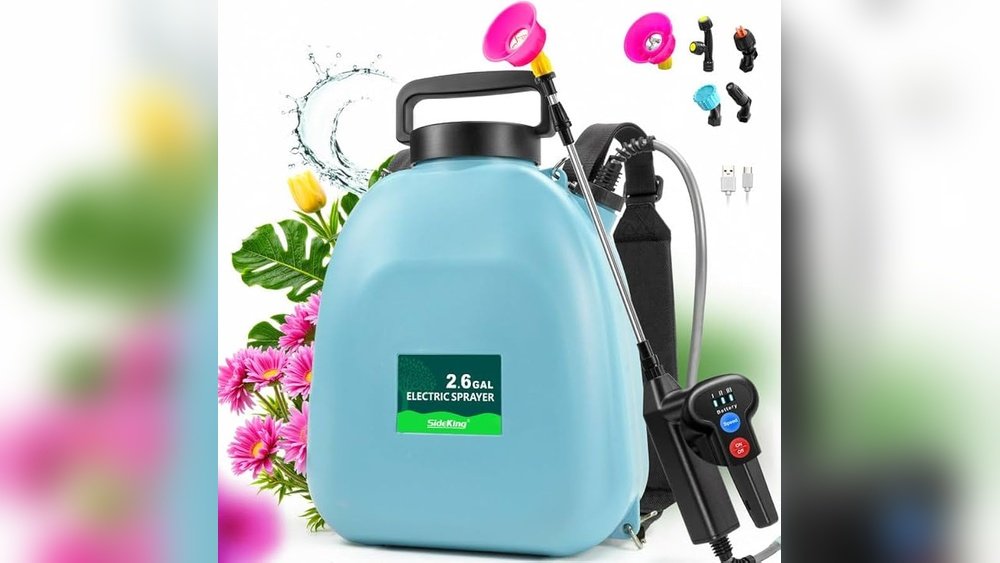
Weeds can quickly take over your garden, stealing nutrients and spoiling the look of your carefully nurtured plants. If you’re tired of battling these unwanted invaders by hand, using a garden sprayer for weed control might be the game-changer you need.
But how do you make sure you’re spraying the right way to get the best results without harming your garden? In this guide, you’ll learn simple, practical steps to use a garden sprayer effectively, protect your plants, and keep your garden healthy and weed-free.
Ready to take control of your garden and enjoy a lush, thriving space? Let’s dive in!

Credit: www.amazon.com
Choosing The Right Sprayer
Choosing the right garden sprayer is key for effective weed control. The right sprayer helps apply herbicides evenly and saves time. It also reduces waste and prevents damage to desirable plants. Understanding sprayer types, capacity, pressure, and material ensures you pick the best one for your garden needs.
Types Of Garden Sprayers
Handheld sprayers are light and easy for small gardens. Pump sprayers offer more pressure and cover larger areas. Backpack sprayers give freedom to move and hold more liquid. Hose-end sprayers connect to a water hose for quick mixing and spraying. Choose based on your garden size and weed control tasks.
Capacity And Pressure Options
Smaller sprayers hold 1 to 3 gallons, ideal for spot treatments. Larger models can store 4 gallons or more for big yards. Pressure affects spray reach and droplet size. Adjustable pressure lets you control spray intensity. Too much pressure can waste herbicide or harm plants. Pick a sprayer with pressure settings that match your needs.
Material And Durability
Plastic sprayers are lightweight and affordable but may wear out faster. Metal sprayers last longer and resist damage better. Look for sprayers with corrosion-resistant parts, especially if using strong herbicides. Durable seals and nozzles prevent leaks and clogging. Choose materials that fit your budget and how often you spray weeds.
Selecting Effective Weed Killers
Preparing your garden sprayer correctly is essential for effective weed control. Proper preparation ensures even herbicide application and protects your plants and equipment. Follow these simple steps to get your sprayer ready for the job.
Cleaning And Maintenance
Start by cleaning your sprayer thoroughly. Remove any leftover chemicals from previous use. Rinse the tank, hose, and nozzle with clean water. Check for clogs or damage in the nozzle and hose. Replace worn parts to avoid leaks. Proper maintenance extends the life of your sprayer and improves performance.
Mixing Herbicides Correctly
Read the herbicide label carefully before mixing. Use the recommended amount of herbicide for your sprayer’s tank size. Mix the herbicide with water in a clean container first. Pour the mixture slowly into the sprayer tank. Stir gently to ensure even distribution. Avoid overfilling the tank to prevent spills.
Filling The Tank Safely
Wear protective gloves and eyewear to protect yourself. Fill the sprayer tank outdoors or in a well-ventilated area. Use a funnel to avoid spills and drips. Do not fill the tank near open flames or heat sources. Close the tank lid tightly before use. Check for leaks before starting to spray.
Preparing The Sprayer
Applying weed control with a garden sprayer at the right time improves effectiveness. Timing affects how well herbicides work and protects your plants. Spraying during optimal conditions helps kill weeds without waste or damage.
Best Seasons For Weed Control
Spring and fall are ideal for weed control. In spring, weeds start growing and are easier to kill. Fall is good because weeds store nutrients in roots, absorbing herbicides well. Summer can be too hot, and winter too cold for best results.
Weather And Temperature Considerations
Choose a day with mild temperatures between 60°F and 85°F. Extreme heat or cold reduces herbicide effectiveness. Avoid spraying when temperatures drop below 50°F or rise above 90°F. Calm, dry weather helps the spray stick to weeds better.
Avoiding Rain And Wind
Do not spray if rain is expected within 24 hours. Rain washes away herbicides, making them useless. Wind can blow spray onto desirable plants, causing damage. Spray only on calm days with little or no wind for best control.

Credit: www.elvalordelaeducacionfisica.com
:max_bytes(150000):strip_icc()/spr-d-b-smith-contractor-max-190216-2-gallon-sprayer-kevin-schmitz-07-5ccb47b43d984b5188edd39710badd72.jpeg)
Credit: uzdrowisko-kamienpomorski.pl
Frequently Asked Questions
How To Use A Sprayer For Weed Killer?
Fill the sprayer with the weed killer mix. Hold the nozzle close to weeds. Spray evenly, covering all leaves. Avoid windy days to prevent drift. Clean the sprayer after use.
Is October Too Late To Spray For Weeds?
October is a good time to spray for weeds, targeting winter annuals and perennials. Use appropriate herbicides and follow label directions carefully. Avoid spraying warm-season lawns entering dormancy. Applying weed control in October helps kill weeds before they spread in spring.
What Can I Spray In My Garden To Kill Weeds But Not My Plants?
Spray selective herbicides labeled safe for your plants, like glyphosate-free or organic weed killers. Apply carefully to avoid contact with desirable plants.
Is It Better To Pull Weeds Out Or Spray Them?
Pulling weeds removes roots immediately but may miss some. Spraying kills roots systemically but risks harming nearby plants. Combining both methods offers better control.
Conclusion
Using a garden sprayer for weed control makes the task easier and faster. Spray weeds evenly and avoid overspray to protect your plants. Always follow the product instructions carefully for best results. Regular spraying helps keep your garden healthy and weed-free.
With practice, you will get better at handling the sprayer and targeting weeds. Remember, safety matters—wear gloves and avoid spraying on windy days. A well-maintained garden sprayer saves time and effort in weed control. Keep your garden looking neat by controlling weeds the right way.