
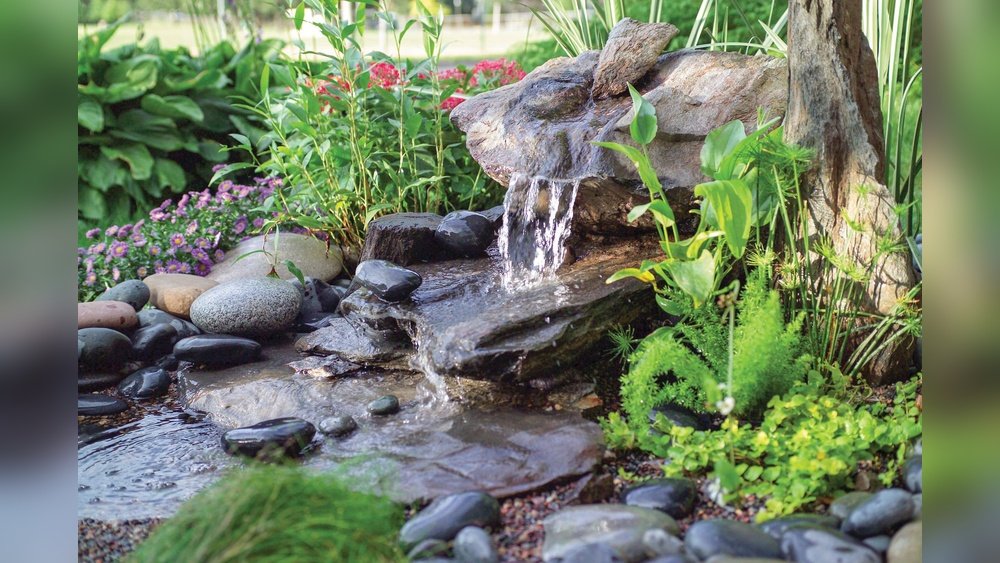
Imagine stepping into your garden and instantly feeling a wave of calm as the gentle sound of flowing water greets you. Setting up a garden water fountain is one of the simplest ways to transform your outdoor space into a peaceful retreat.
But how do you get started? You might wonder where to place it, how to install the pump, or even how to keep it running smoothly without inviting unwanted guests like rodents. This guide will walk you through every step, making the process easy and enjoyable.
By the end, you’ll have the confidence to create a stunning water feature that not only beautifies your garden but also soothes your mind. Ready to bring your garden to life with a water fountain? Let’s dive in!

Credit: www.familyhandyman.com
Choosing The Right Location
Choosing the right style for your garden water fountain sets the tone for your outdoor space. The style reflects your personal taste and complements your garden’s design. It also affects how the fountain fits into the environment and how much maintenance it will need. Consider your garden’s theme and space before making a choice. Below are key points to help you select the best fountain style for your garden.
Types Of Garden Fountains
Garden fountains come in many shapes and designs. Classic tiered fountains add a traditional look. Modern fountains often feature sleek lines and simple forms. Wall fountains save space by mounting against a wall. Birdbath fountains attract wildlife and add charm. Choose a style that suits your garden’s mood and your budget. Each type offers a different sound and water flow pattern, creating a unique atmosphere.
Material Options
The material affects the fountain’s durability and appearance. Stone fountains look natural and last long outdoors. Concrete is affordable and can be molded into many shapes. Metal fountains, like copper or bronze, develop a beautiful patina over time. Resin fountains are lightweight and easy to move. Think about the weather in your area and how much care the material will need. The right material keeps your fountain attractive for years.
Size And Scale Considerations
Match your fountain size to your garden space. Small fountains fit well in compact areas or on patios. Large fountains become a focal point in spacious gardens. Make sure the fountain does not overpower plants or walkways. Consider the height and width to maintain balance. A well-sized fountain blends naturally with its surroundings and enhances the garden’s beauty.
Selecting Your Fountain Style
Preparing the site is a crucial step in setting up a garden water fountain. A well-prepared site ensures stability and proper function. This phase involves careful measurement, digging, and creating a level base. Taking time now will make installation easier and the fountain last longer.
Marking The Fountain Area
Start by choosing the exact spot for your fountain. Use stakes or spray paint to mark the area. Measure the fountain’s base size carefully. Mark a slightly larger space around it for access and maintenance. Clear the area of plants, rocks, or debris.
Excavation Tips
Dig a hole slightly deeper than the fountain’s base. Make sure the hole matches the marked area’s shape. Remove roots, stones, and loose soil from the hole. Use a shovel or garden spade for clean edges. Keep the sides straight to prevent collapse. Dispose of extra soil or save it for future use.
Leveling The Base
Level the bottom of the hole using a flat board or trowel. Check the level with a carpenter’s level tool. Add sand or gravel to fill low spots. Compact the base material to create a firm surface. The base must be perfectly flat to avoid tilting. This step helps keep the fountain stable and water flow even.
Preparing The Site
Maintaining your garden water fountain keeps it beautiful and working well. Regular care prevents damage and costly repairs. It also ensures the water flows smoothly and looks clean. Follow simple steps to keep your fountain in top shape all year.
Regular Cleaning And Debris Removal
Clean your fountain every two weeks to avoid dirt buildup. Remove leaves, twigs, and algae from the water surface. Use a soft brush to scrub the basin and fountain parts gently. This prevents clogs and keeps the water clear. Empty and rinse the basin during deep cleaning to remove stubborn deposits.
Preventing Pump Damage
Keep the pump fully submerged in water at all times. Running the pump dry can cause overheating and failure. Check the pump filter weekly and clean any trapped debris. Turn off the pump before cleaning or refilling. Place the pump on a flat surface inside the basin to avoid vibrations.
Refilling And Water Quality Tips
Check water levels regularly, especially in hot weather. Add water as needed to keep the pump submerged. Use distilled or filtered water to reduce mineral buildup. Avoid hard water that leaves white deposits on the fountain. Change the water every few weeks to prevent algae and odor.

Credit: www.amazon.com
Installing The Pump And Plumbing
Rodents are often attracted to garden water fountains. They seek water, food, and shelter near these spots. Keeping them away helps protect your fountain and garden plants. Simple steps can reduce rodent visits effectively. A clean, dry, and well-maintained area discourages these pests. Here are key methods to keep rodents away from your garden water fountain.
Reducing Food And Shelter Near Fountain
Clear fallen leaves, fruits, and food scraps regularly. Avoid leaving pet food or birdseed near the fountain. Trim tall grass and bushes close to the water feature. Remove piles of wood, stones, or debris where rodents hide. A tidy area offers fewer places for rodents to nest. This step lowers the chance of rodents settling near your fountain.
Fixing Leaks And Managing Water Access
Check the fountain for leaks and fix them quickly. Standing water attracts rodents and other pests. Keep the water flowing smoothly without pooling outside the fountain. Use a fountain design that limits water access for small animals. Drain the fountain if it won’t be used for days. Proper water management cuts down rodents’ water sources.
Using Natural Deterrents
Plant mint, lavender, or rosemary around the fountain. Their strong smells repel rodents naturally. Scatter peppermint oil or garlic near the fountain base. Use safe, natural sprays made for rodent control. Place predator scents like cat or fox urine nearby. Natural deterrents keep rodents away without chemicals or traps.
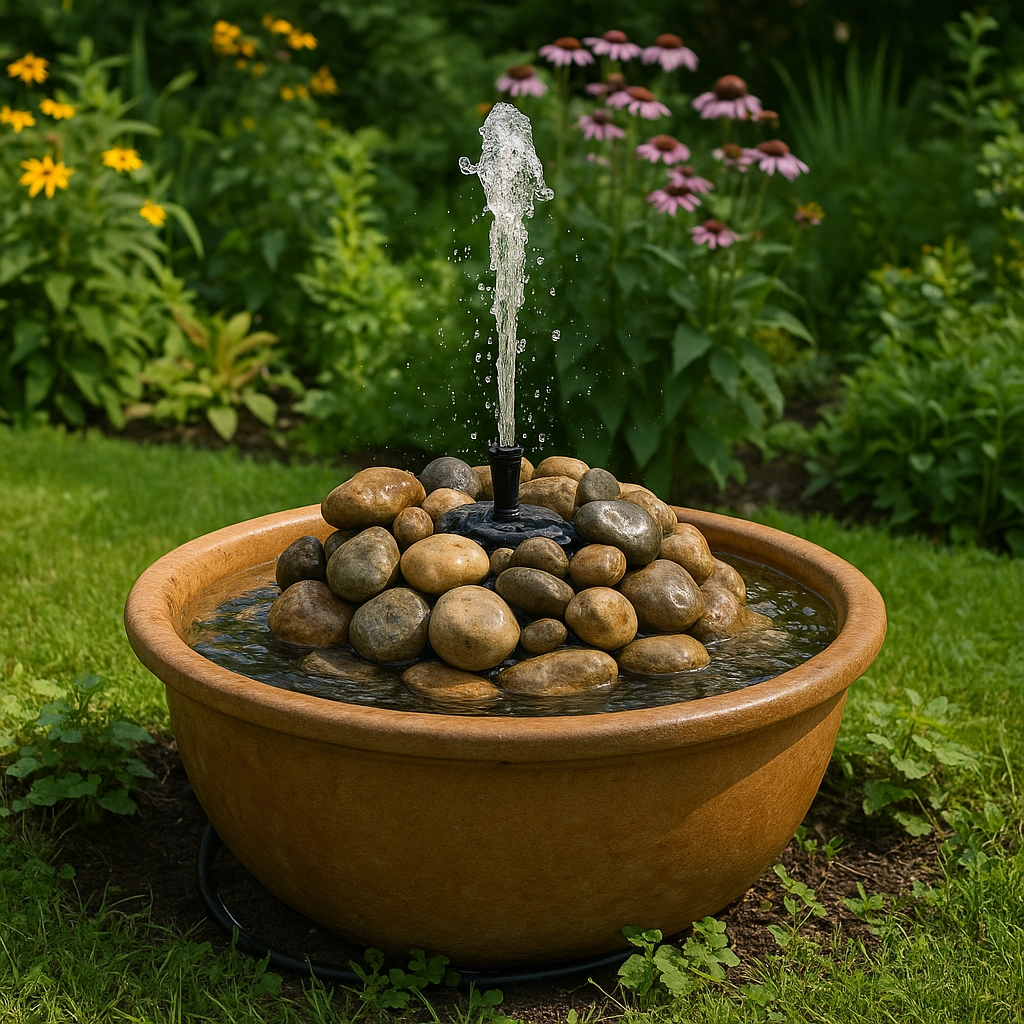
Credit: www.aosom.com
Frequently Asked Questions
How To Set Up An Outdoor Water Fountain?
Choose a level, stable spot for your fountain. Dig and level the basin. Install the pump and connect plumbing. Add water, decorative gravel, and optional lighting. Plug in the pump and test the fountain for proper flow.
What Are Common Fountain Garden Mistakes?
Common fountain garden mistakes include under-filling water, ignoring pump maintenance, poor location choice, and neglecting regular cleaning.
Do You Submerge The Pump In Water For A Fountain?
Yes, submerge the outdoor fountain pump completely in water to ensure proper function. Keep it clean and debris-free.
Do Water Fountains Attract Rodents?
Water fountains with accessible or dripping water can attract rodents seeking hydration. Rodents also prefer areas near food and shelter. Keeping fountains clean and managing nearby food sources helps prevent rodent problems.
Conclusion
Setting up a garden water fountain adds beauty and calm to your outdoor space. Follow simple steps to place, connect, and secure your fountain properly. Keep the pump clean and water level steady for smooth operation. Add gravel and lighting to enhance its look and feel.
Regular care prevents common issues like pump damage or unwanted pests. Enjoy the soothing sound and charm a fountain brings to your garden. A well-set fountain creates a peaceful place for relaxation and nature.