
Is unwanted grass creeping into your garden beds and stealing the spotlight from your favorite plants? You’re not alone.
That stubborn grass can quickly take over, making your garden look messy and crowded. But don’t worry—removing it doesn’t have to be a frustrating or exhausting task. You’ll discover simple, effective ways to clear out that pesky grass and reclaim your garden beds.
Whether you prefer natural methods or quick fixes, these tips will help you create a clean, healthy space where your flowers and veggies can truly thrive. Keep reading, and let’s get your garden looking its best!
Smothering Techniques
Smothering techniques are simple and natural ways to remove unwanted grass from your garden beds. These methods block sunlight, stopping grass from growing. Without light, the grass cannot survive and slowly dies off. Smothering also improves soil health and prepares beds for new plants. It is a gentle approach that avoids harsh chemicals and heavy labor.
Using Newspaper And Cardboard
Newspaper and cardboard create a thick layer that blocks sunlight. Start by wetting the newspaper or cardboard for better contact with the soil. Lay 6 to 10 sheets of newspaper or large pieces of cardboard over the grass. Overlap edges to cover all areas without gaps. Add a layer of mulch on top to keep the materials in place and improve appearance. Leave this setup for several weeks. The grass underneath will weaken and die from lack of light.
Plastic Covers For Grass Control
Plastic covers work by trapping heat and blocking light. Use black plastic sheets to cover the grass fully. Secure the edges with soil or stones to prevent wind from blowing it away. The plastic heats the soil and stresses the grass roots. Keep the plastic in place for 4 to 6 weeks. This method is fast and effective but avoid using plastic near plants you want to keep. After removal, the dead grass is easy to pull out.
Benefits Of Heavy Mulching
Heavy mulching is a natural smothering method that improves soil and blocks grass growth. Use thick layers of organic mulch like wood chips, straw, or leaves. Spread mulch at least 3 to 4 inches deep over the grass. The mulch layer stops sunlight and air from reaching the grass. It also adds nutrients to the soil as it breaks down. Heavy mulching reduces weed seeds and keeps moisture in the soil. Over time, the grass dies and garden beds become ready for planting.

Credit: www.youtube.com
Manual Removal Methods
Manual removal methods offer an effective way to clear unwanted grass from garden beds. These techniques require physical effort but provide immediate results without chemicals. They help protect nearby plants and improve soil health. Using simple tools and your hands, you can regain control over your garden space.
Hand Pulling Grass Clumps
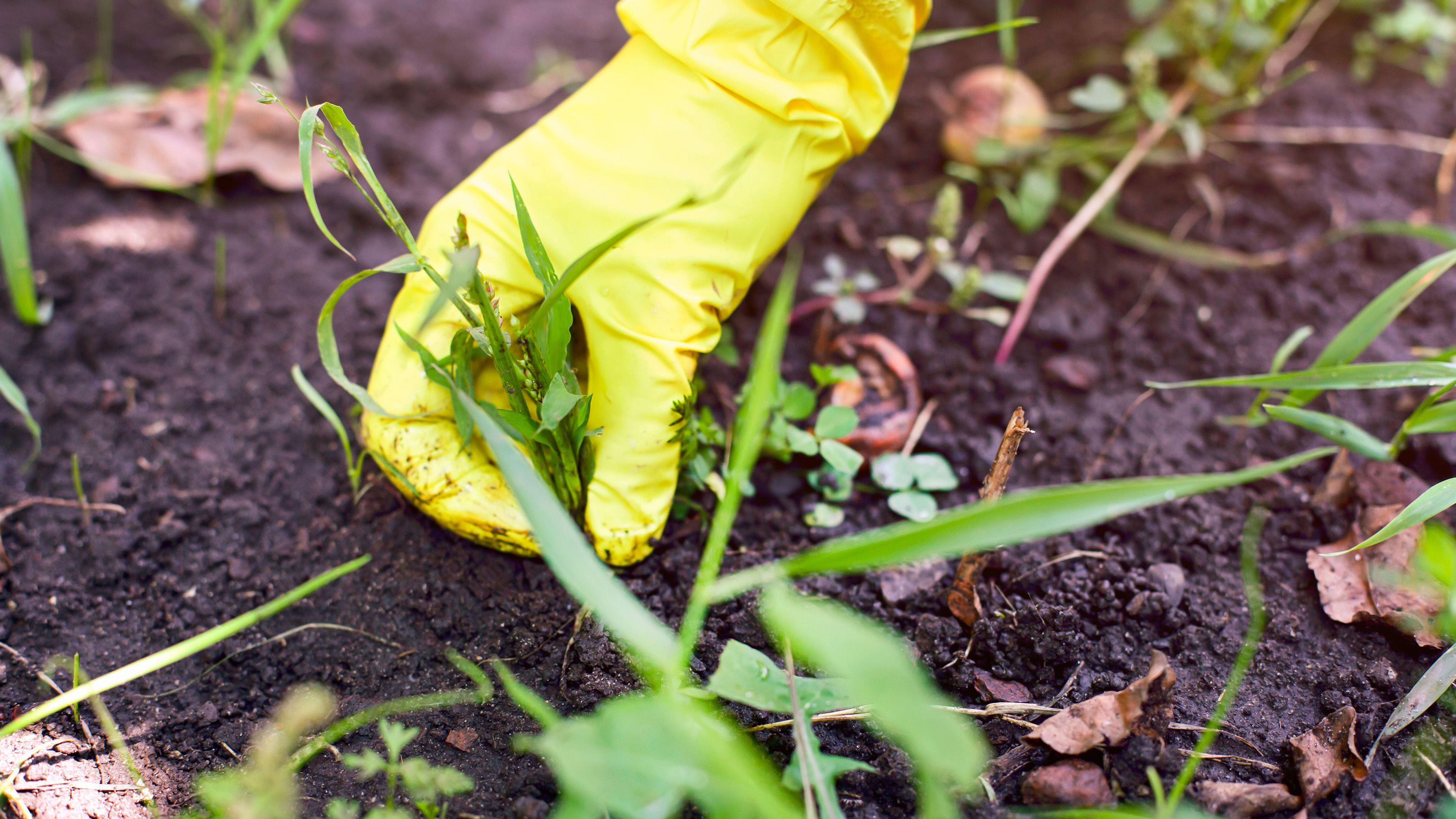
Hand pulling is a straightforward method to remove grass. Grasp the grass clump firmly at the base. Pull slowly and steadily to get the roots out completely. This prevents regrowth and keeps the soil intact. Use gloves to protect your hands from dirt and sharp roots. Hand pulling works best after watering the soil when it is soft.
Digging And Tilling Soil
Digging breaks up the soil and uproots grass roots. Use a garden fork or spade to loosen the soil around grass patches. Turn the soil over to expose and remove the roots. Tilling the soil helps disrupt grass growth and prepares the bed for planting. This method is useful for larger areas with dense grass.
Raking To Disrupt Growth
Raking helps disturb grass shoots and stops them from growing. Use a garden rake to scrape the soil surface. Remove any loosened grass and debris from the bed. This method is gentle and helps break up small grass patches. Raking also aerates the soil and encourages healthy plant roots.
Natural Grass Killers
Natural grass killers offer safe and eco-friendly ways to remove unwanted grass. They avoid harsh chemicals that may harm your garden plants or soil. Using simple household items or natural processes, you can control grass growth effectively. These methods work well for small to medium garden beds. They help maintain a healthy, chemical-free garden environment.
Vinegar And Other Homemade Solutions
Vinegar acts as a strong natural herbicide. Its acetic acid burns grass leaves and roots. Use white vinegar with at least 5% acidity for best results. Spray vinegar directly on grass during sunny days. Avoid spraying on desirable plants to prevent damage. Mix vinegar with salt and dish soap to boost effectiveness. This homemade solution dries out grass faster.
Boiling Water Application
Pouring boiling water on unwanted grass kills it by cooking the roots. This method works best on small patches. Use caution to avoid burning nearby plants. Boiling water is chemical-free and safe for the environment. Repeat applications may be needed for stubborn grass. This simple trick quickly weakens and kills grass in garden beds.
Solarization Using Sunlight
Solarization uses the sun’s heat to kill grass and weeds naturally. Cover the garden bed with clear plastic sheets. Secure edges with soil or rocks to trap heat. Leave the plastic in place for 4 to 6 weeks. The trapped heat kills grass roots and seeds. Solarization improves soil health by reducing pests and diseases. This method works well during hot, sunny months.
Selective Herbicide Use
Selective herbicide use offers a targeted way to remove unwanted grass without harming your garden plants. This method helps maintain the health and beauty of your garden beds while controlling invasive grass. Applying herbicides designed specifically for grass keeps your desired plants safe and your garden tidy.
Choosing Grass-specific Herbicides
Pick herbicides that target only grass species. These products are labeled as “grass killers” or “grass-selective herbicides.” They work by disrupting grass growth without affecting broadleaf plants. Always read the label to confirm the herbicide suits your garden’s needs. Using the right herbicide ensures effective grass removal with minimal risk.
Protecting Desired Plants
Shield your flowers and vegetables during herbicide application. Use cardboard or plastic sheets as barriers around plants you want to keep. Avoid spraying on windy days to prevent drift. Spray carefully and apply only to the grass you want to remove. These steps protect your garden from accidental damage.
Safe Application Tips
Wear gloves and protective clothing before applying herbicides. Follow the instructions on the product label precisely. Apply the herbicide during calm, dry weather for best results. Avoid overuse to prevent soil damage. Store herbicides safely away from children and pets. These precautions help you use herbicides safely and effectively.
Preventing Grass Regrowth
Preventing grass from growing back in garden beds saves time and keeps plants healthy. Grass spreads quickly through seeds and roots. Stopping it early helps your garden thrive and stay neat. Use smart strategies to block grass regrowth and protect your plants.
Installing Garden Borders
Garden borders create a clear barrier between grass and garden beds. Use metal, plastic, or stone edging to stop grass roots from creeping in. Borders keep soil and mulch in place. They make garden beds look tidy and organized. Proper installation means digging a few inches deep for the border to sit firmly. This reduces grass invasion and protects your plants.
Regular Mulching Practices
Mulch blocks sunlight from reaching grass seeds and shoots. Apply a thick layer of organic mulch like wood chips or straw. Mulch retains moisture and improves soil texture too. Refresh mulch every few months to keep it effective. Regular mulching reduces grass growth and helps garden plants stay strong. It also prevents weeds and keeps soil temperature stable.
Maintaining Soil Health
Healthy soil supports plants and limits unwanted grass growth. Add compost to improve soil nutrients and structure. Well-balanced soil encourages strong plant roots that compete against grass. Avoid compacted soil by loosening it with a fork or tiller. Good drainage stops grass from thriving in wet spots. Testing soil pH ensures it suits your plants. Healthy soil means less grass and better garden beds.
Credit: www.gardeningetc.com
Tips For Raised Garden Beds
Raised garden beds offer better control over soil and plants. Removing unwanted grass here requires special care. These tips help keep your garden beds clean and healthy. Simple steps make a big difference in managing grass growth.
Clearing Grass Before Planting
Start by pulling out grass roots by hand. Use a garden fork to loosen the soil. Remove all grass pieces to stop regrowth. Avoid leaving any roots behind. Clear the area thoroughly before adding new soil.
Using Straw And Pine Needles
Cover the soil with a thick layer of straw or pine needles. These materials block light to grass seeds. Mulch also keeps moisture in the soil. Replace the mulch yearly to maintain its effectiveness. This natural cover protects young plants too.
Ongoing Maintenance Strategies
Check your raised bed regularly for new grass sprouts. Pull weeds as soon as you see them. Use a hoe gently around plants to disturb grass roots. Keep mulch fresh and thick to prevent grass growth. Consistency is key for a weed-free garden bed.

Credit: yardandgarden.extension.iastate.edu
Frequently Asked Questions
What Is The Easiest Way To Remove Grass From A Garden Bed?
The easiest way to remove grass from a garden bed is by smothering it with cardboard or newspaper. Cover with mulch to block light. This stops photosynthesis, killing the grass naturally. Alternatively, manually pull grass clumps or dig the soil to remove roots completely.
What Will Kill Grass But Not My Plants?
Use grass-specific herbicides like sethoxydim to kill grass without harming broadleaf plants. Mulching and smothering with cardboard also stop grass growth safely.
How To Naturally Kill Unwanted Grass?
Smother unwanted grass with thick cardboard or newspaper to block sunlight. Pull out roots manually. Use heavy mulch to prevent regrowth. Repeat as needed for best results.
How To Stop Grass From Growing Into Garden Beds?
Prevent grass from growing into garden beds by installing physical barriers like edging or landscape fabric. Regularly pull out grass runners and apply thick mulch to block sunlight and inhibit growth.
Conclusion
Removing unwanted grass from your garden beds takes patience and care. Start by pulling grass by hand to remove roots. Use mulch or cardboard to block sunlight and stop regrowth. Keep the area moist but not soggy to help new plants grow.
Regularly check your beds to catch any grass early. With consistent effort, your garden beds will stay neat and healthy. Enjoy the beauty of a grass-free garden space.