
Is your lawn looking tired, patchy, or struggling to grow lush and green? The hidden culprit might be thatch—a thick layer of dead grass, roots, and debris that builds up between your soil and grass blades.
If you want a healthier, more vibrant lawn, removing thatch is a must. But how do you know when and how to remove it without damaging your grass? This guide will walk you through simple, effective steps to get rid of thatch and breathe new life into your lawn.
By the end, you’ll have the confidence and know-how to transform your yard into the beautiful, thriving space you deserve. Let’s dive in!

Credit: landzie.com
What Causes Thatch
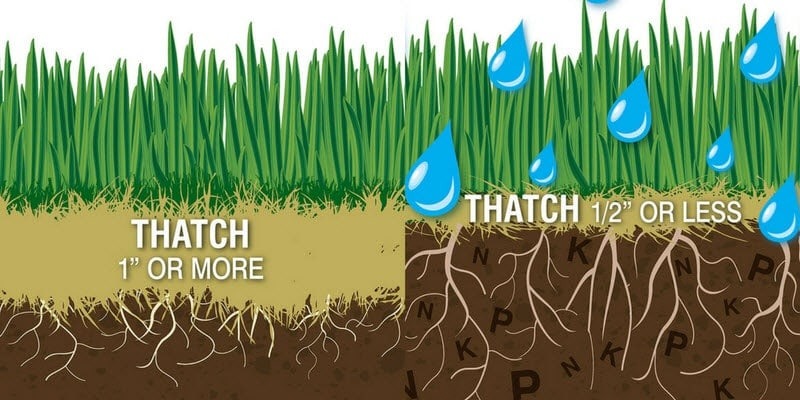
Thatch builds up from dead grass, roots, and stems that don’t break down properly. Overwatering, poor soil, and lack of microbes speed this process. Thick thatch blocks air and water, hurting lawn health.
Thatch is a layer of dead grass, roots, and debris that builds up between the soil and green grass blades. It can harm your lawn by blocking water, air, and nutrients from reaching the roots. Understanding what causes thatch helps prevent it and keeps your lawn healthy.
Several factors lead to thatch buildup. Some are natural, while others come from lawn care habits. Knowing these causes allows you to take steps to reduce thatch and maintain a lush lawn.
Excessive Grass Clippings
Grass clippings left on the lawn can add to the thatch layer. If the grass is cut too short or too often, clippings do not break down quickly. Over time, these clippings mix with other dead material and form thick thatch.
Overwatering And Poor Drainage
Watering the lawn too much causes soil to stay wet for long periods. This condition slows down the natural breakdown of dead grass and roots. Poor drainage also traps moisture, increasing thatch buildup and creating a soggy lawn.
Overuse Of Fertilizers
Applying too much fertilizer causes grass to grow quickly. Rapid growth produces more stems and roots, which add to the thatch layer. Excess fertilizer also changes soil conditions, making it harder for microbes to break down dead grass.
Soil Compaction
Compacted soil limits air and water flow to grass roots. This reduces microbial activity that breaks down dead material. As a result, thatch accumulates faster because natural decomposition slows down.
Type Of Grass
Certain grass types produce more stems and roots than others. For example, Kentucky bluegrass and Bermuda grass often develop thick thatch layers. Knowing your grass type helps in managing and preventing thatch buildup effectively.
Credit: atlasturf.com.au
Signs Of Excessive Thatch
Excessive thatch can harm your lawn’s health and appearance. It forms a thick layer of dead grass and roots between soil and green grass. This layer blocks water, air, and nutrients from reaching the roots. Early detection helps you fix the problem before it gets worse.
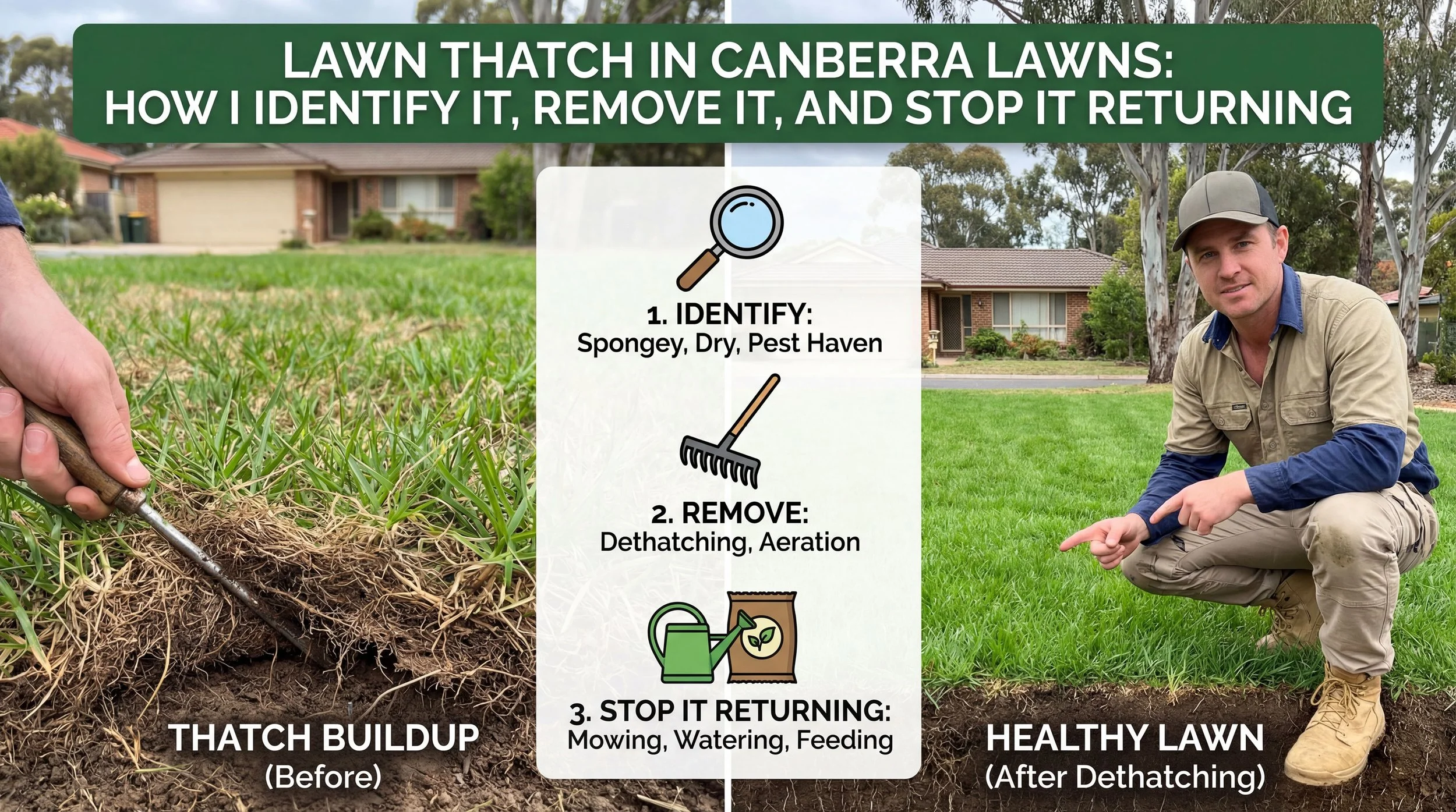
Visible Layer Of Dead Grass
Look closely at your lawn’s base. A thick, spongy layer of brown, dead grass shows too much thatch. This layer lies above the soil and feels springy when pressed. If it measures more than half an inch, it needs removal.
Poor Water Absorption
Excessive thatch stops water from soaking into the soil. Water may pool on the surface after rain or watering. Your grass may feel dry even though you water regularly. This means roots are not getting enough moisture.
Thin Or Patchy Grass Growth
Grass struggling to grow signals thatch buildup. You might see bare spots or thin patches. Grass blades may also look yellow or weak. This happens because nutrients cannot reach the roots well.
Increased Pest And Disease Problems
Thatch creates a perfect place for pests and diseases. Bugs hide in the thick layer and damage grass roots. Fungal diseases also spread more easily in thatch. Watch for unusual spots or wilting grass.
Soft Or Spongy Lawn Feel
Walk on your lawn and notice how it feels. A soft, cushiony surface often means too much thatch. This softness happens because the layer holds water but blocks root growth. Healthy lawns feel firm and springy.
Tools For Thatch Removal
Removing thatch from your lawn requires the right tools. Choosing the correct equipment helps clear out the layer of dead grass and roots. This makes your lawn healthier and lets water and nutrients reach the soil better. Here are some common tools used for thatch removal.
Manual Rakes
Manual rakes are simple tools with sharp tines. They work well for small lawns or light thatch layers. You pull the rake across the grass surface to lift and remove the thatch. Manual raking is affordable and gives you control over the process. It requires physical effort but causes little damage to the lawn.
Power Rakes And Verticutters
Power rakes use motorized blades to dig into the thatch layer. They remove thatch faster than manual rakes. Verticutters cut vertical grooves in the soil to break up thatch and improve air flow. Both tools suit medium to large lawns. They require careful handling to avoid harming grass roots. Power rakes and verticutters are ideal for moderate thatch buildup.
Lawn Scarifiers
Lawn scarifiers combine raking and cutting actions. They remove thick thatch and moss effectively. Scarifiers have rotating blades that slice into the lawn surface. This tool suits lawns with heavy thatch problems. Scarifying improves soil health and lawn growth. It can be rented or purchased depending on your needs.
Credit: www.thelawnfirm.com.au
Best Time To Remove Thatch
Choosing the best time to remove thatch is key for a healthy lawn. Thatch is the layer of dead grass and roots that builds up on the soil surface. Removing it helps air, water, and nutrients reach the grass roots. Timing matters to avoid damage and to ensure quick recovery.
Seasonal Considerations
Spring and early fall are ideal times to remove thatch. Grass grows actively during these seasons. This growth helps the lawn heal faster after dethatching. Avoid dethatching in the heat of summer or during winter dormancy. Lawn stress increases in these periods, slowing recovery.
Soil Moisture And Weather
Soil should be moist but not soggy when removing thatch. Moist soil softens the thatch layer and makes dethatching easier. Dry soil can cause damage to grass roots. Too much water can pull up roots and create bare spots. Choose a cool, dry day with mild weather for best results.
Step-by-step Thatch Removal
Removing thatch from your lawn improves grass health and soil quality. Follow these steps to dethatch effectively. Each step prepares your lawn for better growth and vitality.
Preparing The Lawn
Start by mowing the grass to about half its usual height. This makes thatch easier to see and remove. Water the lawn lightly a day before dethatching. Moist soil helps the dethatching tools work without damaging roots. Clear any debris like sticks or leaves from the lawn surface. This prevents interference during the dethatching process.
Dethatching Process
Use a dethatching rake or machine to remove the thatch layer. Work in straight lines, covering the entire lawn evenly. Avoid going too deep to protect grass roots. Collect the loosened thatch with a rake or lawn vacuum. Repeat if the thatch layer is thick, but do not stress the grass.
Cleanup And Disposal
Gather all thatch debris and dispose of it properly. Composting is ideal if the thatch is disease-free. Otherwise, discard it with yard waste. After cleanup, water the lawn to help it recover. Consider applying fertilizer to support new grass growth. Regular maintenance reduces future thatch buildup.
Aftercare For A Healthy Lawn
After removing thatch from your lawn, proper aftercare is essential. It helps your grass recover and grow strong. Healthy lawn care supports new roots and improves soil health. Follow these simple steps for watering, fertilizing, and mowing.
Watering Tips
Water your lawn deeply but less often. This encourages roots to grow deeper. Early morning is the best time to water. Avoid watering in the heat of the day to reduce evaporation. Keep the soil moist but not soggy. Check the soil regularly to adjust watering amounts.
Fertilizing Guidelines
Apply fertilizer after dethatching to provide needed nutrients. Use a slow-release fertilizer for steady feeding. Follow package instructions for the right amount. Avoid over-fertilizing, which can harm the grass. Fertilize during the growing season for best results. Consider a soil test to choose the right fertilizer type.
Mowing Practices
Keep your mower blades sharp to avoid tearing grass. Set the mower to a higher setting after dethatching. This helps reduce stress on your lawn. Mow regularly to encourage thick growth. Never remove more than one-third of the grass height at once. Leave grass clippings on the lawn to return nutrients to the soil.
Preventing Thatch Build-up
Preventing thatch build-up is key to keeping your lawn healthy and green. Thatch forms when dead grass, roots, and other organic material pile up faster than they break down. This layer blocks water, air, and nutrients from reaching the soil. Regular care stops thick thatch from forming and keeps your grass strong.
Aeration Benefits
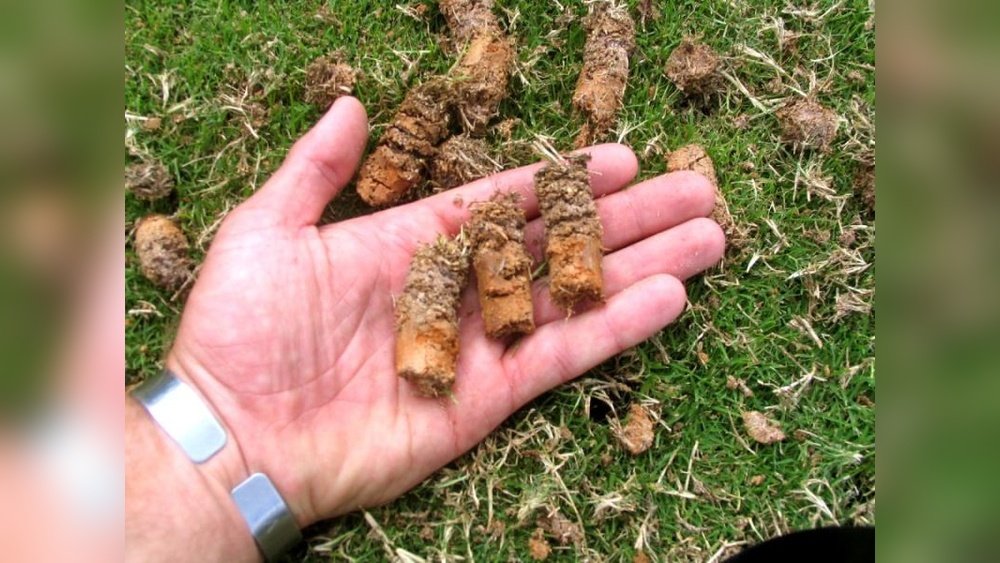
Aeration helps reduce soil compaction and improves air flow. It creates small holes in the soil, letting water and nutrients reach roots better. This process speeds up the breakdown of thatch by encouraging beneficial microbes. Aeration also helps grass roots grow deeper and stronger. Doing this once or twice a year keeps thatch levels low.
Proper Lawn Maintenance
Regular mowing keeps grass at the right height and prevents excess growth. Leaving grass clippings on the lawn adds natural nutrients and reduces thatch. Watering deeply but less often encourages roots to grow downward. Avoid cutting too short, as this stresses grass and slows breakdown of old material. Proper care helps maintain a balanced lawn without thick thatch layers.
Avoiding Overfertilization
Too much fertilizer causes rapid grass growth thatch cannot break down fast enough. Excess nutrients make the lawn dense and thick, promoting thatch build-up. Use fertilizer according to package instructions and soil tests. Applying less but more often is better than heavy doses. Balanced feeding supports healthy grass without encouraging thatch formation.
Common Mistakes To Avoid
Removing thatch from your lawn improves its health and appearance. Avoiding common mistakes makes the process easier and more effective. These errors can damage the grass or waste your time and effort. Read on to learn what to watch out for during dethatching.
Using The Wrong Time Of Year
Dethatching during dormant seasons harms grass. Choose spring or early fall for best results. Lawns grow actively then and recover faster. Avoid hot summer months to prevent stress on grass.
Dethatching When The Soil Is Too Wet Or Dry
Wet soil can pull up grass roots with thatch. Dry soil makes dethatching ineffective and hard. Aim for moist soil that is not soggy. This helps remove thatch without damaging the lawn.
Cutting The Lawn Too Short Before Dethatching
Never mow the grass too short before dethatching. Keep grass at half its usual height. Too short grass weakens the lawn and exposes soil. This leads to bare spots and weed growth.
Using Incorrect Tools
Raking by hand works for thin thatch layers. Thick thatch needs power dethatchers or vertical mowers. Using wrong tools wastes effort and may harm grass. Match your tool to the lawn’s condition.
Removing All Thatch At Once
Removing too much thatch damages roots and soil. Take off only ½ inch or less at a time. Spread dethatching over multiple sessions if needed. This avoids stressing your lawn and aids recovery.
Frequently Asked Questions
Is October Too Late To Dethatch?
October is generally too late to dethatch. Dethatch during spring or early fall for best lawn recovery and growth.
How Best To Remove Lawn Thatch?
Remove lawn thatch by using a vertical mower or power rake on moist soil. Dethatch during active growth in spring or summer. Mow grass to half height before dethatching. Avoid dethatching when soil is too wet to prevent damage. Aerate regularly to reduce thatch buildup.
How To Get Rid Of Thatch Without Dethatching?
Aerate your lawn regularly to reduce soil compaction and improve water flow. Avoid overwatering and excess nitrogen fertilizer to prevent thatch buildup. Mow consistently at the proper height to promote healthy grass growth and naturally break down thatch over time.
Is It Better To Dethatch Your Lawn When It’s Wet Or Dry?
Dethatch your lawn when the soil is moist but not soaking wet. Dry soil makes dethatching harder. Avoid overly wet conditions to prevent turf damage.
Conclusion
Removing thatch keeps your lawn healthy and green. Regular dethatching improves water and nutrient flow. Use proper tools and choose the right time for best results. Avoid dethatching when the soil is too wet or dry. Combining dethatching with aeration helps prevent future thatch buildup.
Follow these simple steps to maintain a lush lawn year-round. Your grass will thank you with stronger roots and better growth. Keep your lawn fresh, clean, and thriving by managing thatch wisely.