
Last updated: October 2026 · Written by the LawnVibe editorial team.
Mowing is the most frequent job in lawn care, and how you do it affects the lawn more than almost anything else. Mow too short and the grass weakens and weeds move in. Mow too rarely and you shock the grass every time you cut. Knowing how to mow a lawn properly is simple once you understand a few principles: height, frequency, timing, technique and a sharp blade. This guide covers all of them step by step.
If you need a new mower, our guide to the best push mower compares reliable gas and battery models for small and medium lawns.
Why Proper Mowing Matters
Every time you mow, you remove part of the leaf that grass uses to make energy through photosynthesis. Correct mowing keeps enough leaf for the grass to stay strong, encourages deeper roots and denser growth, and shades out weeds. Poor mowing does the opposite: it stresses the grass, exposes soil to sunlight that helps weeds germinate, and makes the lawn more vulnerable to drought, disease and insects.
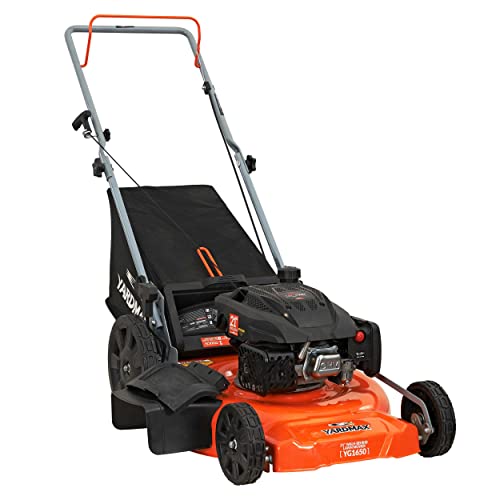
Top picks from our guide: Best Push Mower : 8 Gas, Cordless, Corded and Reel Picks


As an Amazon Associate we earn from qualifying purchases. Prices and availability can change; check the current price on Amazon.
Step 1: Know the Right Mowing Height for Your Grass
Mowing height is the biggest factor in lawn health. Most homeowners mow too short. Taller grass grows deeper roots, holds moisture better and shades the soil so weed seeds struggle to sprout.
| Grass type | Season | Typical mowing height |
|---|---|---|
| Kentucky bluegrass | Cool | 2.5–3.5 in |
| Tall fescue | Cool | 3–4 in |
| Perennial ryegrass | Cool | 2–3 in |
| Fine fescue | Cool | 2.5–3.5 in |
| Bermuda | Warm | 1–2 in |
| Zoysia | Warm | 1–2.5 in |
| St. Augustine | Warm | 2.5–4 in |
| Centipede | Warm | 1.5–2 in |
These are general ranges. Local extension services often give region-specific advice. In hot summer weather, mowing at the higher end of the range helps grass cope with heat and drought.
To check your mower's actual cutting height, park it on a flat hard surface and measure from the ground to the blade tip with the spark plug wire disconnected or battery removed. The numbers on height levers are not always inches.
Step 2: Follow the One-Third Rule
The most important mowing rule is to never remove more than about one third of the grass blade in a single mowing. If you want to keep your lawn at 3 inches, mow when it reaches about 4.5 inches. The University of Minnesota Extension explains that removing more than this at once stresses grass and can slow root growth.
Following the one-third rule decides how often you mow. In spring and early summer, when grass grows fastest, you may need to mow every five days. In midsummer heat or fall, every 10 to 14 days may be enough. Mow according to grass growth, not the calendar.
Step 3: Pick the Right Time to Mow
Mow when the grass is dry. Wet grass clumps, clogs the mower and tears rather than cuts. It is also slippery and, with electric mowers, a safety concern; see our guide on whether you can mow wet grass with an electric mower.
Mid-morning, after dew has dried, through late afternoon is generally best. In very hot weather, avoid the middle of the day when grass is most stressed. Avoid late evening mowing, because freshly cut grass that stays wet overnight is more prone to disease.
Do not mow when the lawn is drought-stressed and dormant, or when soil is waterlogged, since wheels can leave ruts.
Step 4: Prepare the Lawn and Mower
Walk the lawn before mowing and pick up sticks, stones, toys, pine cones and dog waste. These can damage the blade or become dangerous projectiles.
Check the mower. Make sure the blade is sharp, the oil level is correct on gas mowers, and the battery is charged on cordless ones. A sharp blade is essential: dull blades tear grass and leave brown, ragged tips. Set the cutting height for your grass type. Our guides on how to maintain a gas lawn mower and use a push lawn mower cover mower preparation in detail.
Wear closed-toe shoes with grip, long pants and eye protection. Hearing protection is a good idea with gas mowers.
Step 5: Mow the Perimeter First
Start by making two passes around the edge of the lawn. This header strip gives you room to turn at the ends of each row without leaving uneven patches or scuffing the lawn. It also makes it easy to discharge clippings away from flower beds and paths.
Step 6: Mow in Straight, Overlapping Rows
After the perimeter, mow back and forth in straight rows across the lawn. Overlap each row by a few inches, roughly a quarter to a third of the deck width, so you do not leave thin strips of uncut grass.
Walk at a steady pace. Rushing leads to an uneven cut, while moving slowly in thick grass helps the blade cut cleanly. Turn on the cut header strip at each end.
Step 7: Change Your Mowing Pattern
Mowing in the same direction every time pushes grass to lean one way and can create ruts where wheels travel. Change direction each time you mow: lengthwise one week, crosswise the next, then diagonally. This keeps grass growing upright and gives a more even cut.
How to create lawn stripes
Stripes are created by bending grass blades in opposite directions so they reflect light differently. Mow in straight, alternating rows. A mower with a rear roller or a striping kit makes stripes much more pronounced. Taller grass stripes better than very short grass.
Step 8: Mow Slopes Safely
On slopes, the safest direction depends on the mower. With a walk-behind mower, mow across the slope, side to side, so the mower cannot roll back onto you and you have better footing. With a riding mower, follow the manufacturer's guidance, which usually advises mowing up and down rather than across to reduce the risk of tipping. Avoid steep slopes entirely with ride-on mowers, and never mow slopes when grass is wet.
Step 9: Handle Clippings the Smart Way
Leaving short clippings on the lawn, often called grasscycling, is good for the lawn. Clippings are mostly water, break down quickly, return nutrients to the soil and do not cause thatch. A mulching mower chops clippings finely so they disappear into the lawn.
Bag clippings when grass is very long after a missed mowing, when it is wet and clumping, when the lawn has a disease problem, or when weeds are going to seed. If clippings leave clumps on the lawn, rake or mow over them again to scatter them.
Step 10: Finish With Trimming and Edging
A mower cannot reach everything. Use a string trimmer to cut grass around trees, fences, posts and beds. Use an edger, or a trimmer turned vertically, along sidewalks and driveways for a clean line. Be careful around tree trunks, since trimmer line can damage bark.
Finally, blow or sweep clippings off paths, driveways and the street. Clippings washed into storm drains add nutrients to waterways.
Common Mowing Mistakes to Avoid
Mowing too short. Scalping weakens grass and invites weeds. Keep height at the higher end of the range for your grass.
Using a dull blade. Sharpen at least once or twice per season.
Mowing wet grass. Wait until it is dry.
Removing too much at once. Follow the one-third rule; if the lawn is overgrown, lower the height gradually over several mowings.
Always mowing in the same direction. Alternate patterns.
Ignoring mower maintenance. A clean, well-maintained mower cuts better and lasts longer.
Mowing Through the Seasons
Spring: Start mowing when grass begins growing actively. For the first mow, cut at the higher end of the range and do not scalp the lawn.
Summer: Raise the mowing height to help grass cope with heat and drought. Mow less often if growth slows. Keep the blade sharp, as torn grass loses more moisture.
Fall: Continue mowing as long as the grass grows. Many experts suggest gradually lowering the height slightly for the final mows of the season on cool-season lawns to reduce matting under snow, but avoid scalping. Mulch fallen leaves into the lawn with the mower where layers are light.
Winter: Mowing stops in most regions. Use this time to service the mower and sharpen the blade.
Choosing the Right Mower for Your Lawn
The right mower makes mowing easier and gives a better cut. Small, flat lawns suit push mowers, reel mowers or compact battery mowers. Medium lawns are often best with self-propelled walk-behind mowers. Large properties may need a riding mower or zero-turn. Our guide on what size mower you need for your yard explains how to match deck size and type to lawn size.
Mowing goes faster with the right deck width. A 21-inch deck is a common middle ground for walk-behind mowers, while riding mowers commonly range from about 30 to 54 inches.
How to Mow an Overgrown Lawn
If the lawn has grown well past its normal height, after a vacation or a rainy spell, do not cut it all down at once. Set the mower to its highest position and mow slowly with narrow, overlapping passes. Bag the clippings or rake them up, because long clippings will smother the grass. Wait two or three days, lower the deck one notch, and mow again. Repeat until you reach your target height. This staged approach follows the one-third rule as closely as possible and avoids shocking the grass.
For grass that is knee-high or taller, cut it down first with a string trimmer, then follow with the mower. Check carefully for hidden rocks, stumps and debris before mowing very tall grass.
Mowing a New Lawn
Newly seeded or sodded lawns need gentle treatment. Wait until new seedlings reach about a third taller than your target mowing height before the first cut, and make sure the soil is firm enough that you do not leave footprints. Use a sharp blade, mow when the grass is dry, and avoid sharp turns that can tear young turf. For new sod, wait until it has rooted, usually when it resists a gentle tug, before mowing.
How Mowing Fits Into Overall Lawn Care
Mowing works together with watering, feeding and weed control. Deep, infrequent watering, appropriate fertilizing for your grass type, and correct mowing height together produce a thick lawn that crowds out weeds naturally. Regular aeration and occasional dethatching keep the soil healthy so roots can grow deep.
The Bottom Line
To mow a lawn properly, set the right height for your grass type, follow the one-third rule, mow when grass is dry, keep the blade sharp, mow the perimeter first, overlap straight rows, change direction each time, and leave short clippings on the lawn. These simple habits make mowing faster and produce a thicker, greener, healthier lawn with fewer weeds.
Frequently Asked Questions
What height should I mow my lawn?
It depends on grass type. Many cool-season grasses do best around 2.5 to 4 inches, while warm-season grasses such as Bermuda and zoysia are usually kept lower, often 1 to 2.5 inches. St. Augustine is typically mowed higher. Check recommendations for your grass and region.
How often should I mow my lawn?
Mow often enough that you never remove more than about one third of the grass blade at a time. In peak growing season that may mean every five to seven days, or more often for fast-growing lawns. In slow periods you may mow every two weeks.
Is it better to bag or mulch grass clippings?
Mulching or leaving short clippings on the lawn returns nutrients and moisture to the soil and does not cause thatch. Bag clippings when grass is very long, wet, diseased, or full of weed seeds.
What is the best time of day to mow?
Mid-morning to late afternoon on a dry day is usually best, after dew has dried. Avoid the hottest part of the day in summer, and avoid mowing late in the evening when grass stays wet overnight.
Should I mow in the same direction every time?
No. Changing direction each time helps grass grow upright, reduces ruts from wheels, and gives a more even cut.