
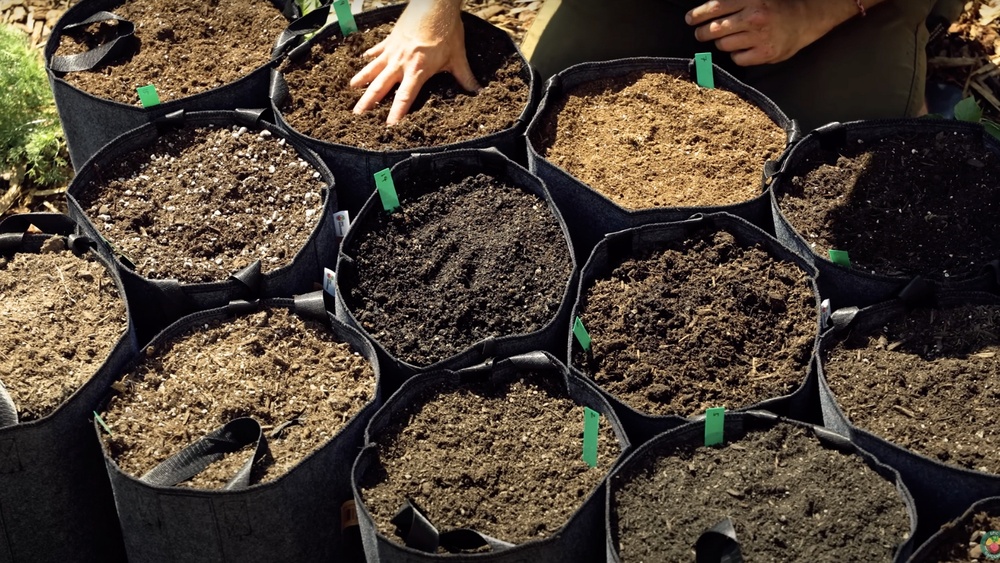
Are you looking to boost your garden’s growth and get healthier plants? Mixing fertilizer with compost is a simple trick that can make a big difference in your soil’s health and your plants’ success.
But how do you combine them the right way to get the best results? If you’ve ever wondered how to do this properly, you’re in the right place. Keep reading, and you’ll discover easy steps and expert tips that will help you unlock the full power of both fertilizer and compost for a thriving garden.
Your plants will thank you!
Benefits Of Combining Fertilizer And Compost
Combining fertilizer with compost brings many benefits to your garden soil and plants. This mix helps improve soil health and provides essential nutrients. It supports stronger plant growth and promotes sustainable gardening practices. Understanding these benefits can guide you toward better gardening results.
Enhancing Soil Fertility
Compost adds organic matter to the soil, improving its structure. Fertilizer supplies vital nutrients like nitrogen, phosphorus, and potassium. Together, they create a nutrient-rich environment that lasts longer. This mix helps soil hold moisture and air better. It also encourages beneficial microbes that support plant health.
Improving Plant Growth
Plants absorb nutrients more efficiently from soil mixed with compost and fertilizer. This combination provides steady nutrient release, reducing nutrient stress. Strong roots develop faster, helping plants grow taller and healthier. Flowers bloom brighter, and fruits develop better size and taste. Overall, plants become more resilient to pests and diseases.
Reducing Environmental Impact
Using compost reduces the need for chemical fertilizers alone. This lowers the risk of nutrient runoff into waterways. The mix helps recycle garden waste, cutting landfill use. It promotes natural soil processes and reduces pollution. This method supports eco-friendly gardening and protects local ecosystems.
Types Of Fertilizers To Use
Choosing the right fertilizer can improve your compost mix and boost plant growth. Different fertilizers work well with compost in unique ways. Knowing the types helps you pick the best one for your garden needs. This section covers organic, synthetic, and slow-release fertilizers.
Organic Fertilizers
Organic fertilizers come from natural sources like plants and animals. They enrich soil with nutrients slowly and improve soil health. Common examples include manure, bone meal, and fish emulsion. These fertilizers work well with compost to support long-term soil fertility. They release nutrients gently, reducing the risk of burning plants.
Synthetic Fertilizers
Synthetic fertilizers are made in factories and contain concentrated nutrients. They provide quick nutrient boosts to plants. These fertilizers dissolve fast and work well when mixed with compost. Using synthetic fertilizers requires care to avoid overfeeding plants. They help correct nutrient deficiencies quickly, making them useful in certain situations.
Slow-release Options
Slow-release fertilizers release nutrients over time. They reduce the need for frequent feeding. These options can be organic or synthetic. Slow-release fertilizers work perfectly with compost, ensuring steady plant growth. They lower the chance of nutrient loss through runoff or leaching. This makes them a smart choice for steady garden care.
Selecting The Right Compost
Selecting the right compost is key to mixing fertilizer effectively. Compost adds nutrients and improves soil structure. The right compost supports plant growth and helps fertilizer work better. Choosing compost with good qualities ensures healthy plants and strong roots.
Compost Quality Indicators
Good compost is dark, crumbly, and smells earthy. It should feel warm but not hot. Look for compost that is fully broken down. Avoid compost with large chunks or visible food scraps. Quality compost holds moisture and drains well. It should be free of bad smells or mold.
Common Compost Materials
Typical compost includes leaves, grass clippings, and vegetable scraps. Wood chips and straw are also common. These materials add different nutrients to the compost. Mixing green and brown materials helps balance compost. Green materials provide nitrogen, while brown materials add carbon. This balance speeds up decomposition.
Avoiding Contaminants
Stay away from compost with plastic, glass, or metal bits. These can harm plants and soil life. Avoid compost made from diseased plants or weeds with seeds. Chemicals or pesticides in compost can damage your garden. Always check the source of your compost. Clean, natural compost gives the best results.

Credit: coastofmaine.com
Mixing Techniques For Best Results
Mixing fertilizer with compost helps plants grow strong and healthy. Using the right techniques improves soil quality and nutrient balance. Proper mixing spreads nutrients evenly. It prevents over-concentration or nutrient loss. This section covers key methods to get the best results.
Proper Ratios Of Fertilizer To Compost
Keep the balance between fertilizer and compost right. Too much fertilizer can burn plants. Too little may not provide enough nutrients. A common ratio is one part fertilizer to three parts compost. This ratio feeds plants well without harming roots. Adjust based on soil needs and plant type. Testing soil helps decide the best mix.
Layering Vs. Blending
Layering means placing compost and fertilizer in separate soil layers. This method controls nutrient release slowly. Plants absorb nutrients over time. Blending mixes fertilizer and compost thoroughly. It creates uniform nutrient distribution. Blending suits quick nutrient needs. Choose layering for long-term feeding. Pick blending for fast growth support.
Tools And Equipment
Use simple tools for mixing. A garden fork or shovel works well. For larger areas, a rototiller helps blend soil evenly. Gloves protect your hands during mixing. Use a wheelbarrow to carry materials easily. Clean tools after use to prevent contamination. Proper tools make mixing faster and more efficient.
Application Methods
Applying fertilizer mixed with compost correctly improves plant growth and soil health. Different methods work best depending on the type of plants and garden setup. Choosing the right application method helps plants absorb nutrients better.
Soil Incorporation
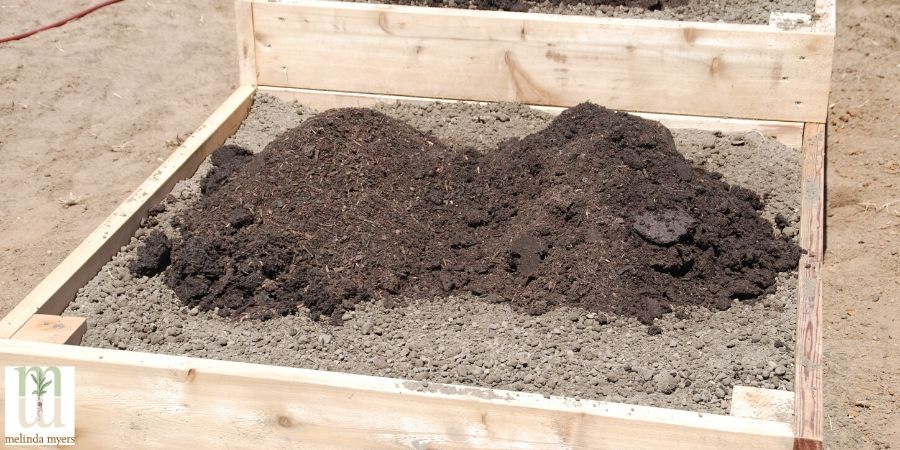
Soil incorporation means mixing the fertilizer-compost blend into the soil. This method places nutrients close to plant roots. It improves nutrient availability and soil structure at the same time.
To do this, spread the mixture evenly over the soil surface. Then, use a garden fork or tiller to mix it in about 4 to 6 inches deep. This helps roots access nutrients quickly. It also boosts soil aeration and moisture retention.
Top Dressing
Top dressing involves spreading the fertilizer-compost mix on the soil surface around plants. It releases nutrients slowly as the compost breaks down. This method is gentle on roots and prevents fertilizer burn.
Apply a thin layer, about 1 to 2 inches thick, around the base of your plants. Avoid piling it against plant stems. Water the area after applying to help nutrients soak into the soil.
Container Gardening Tips
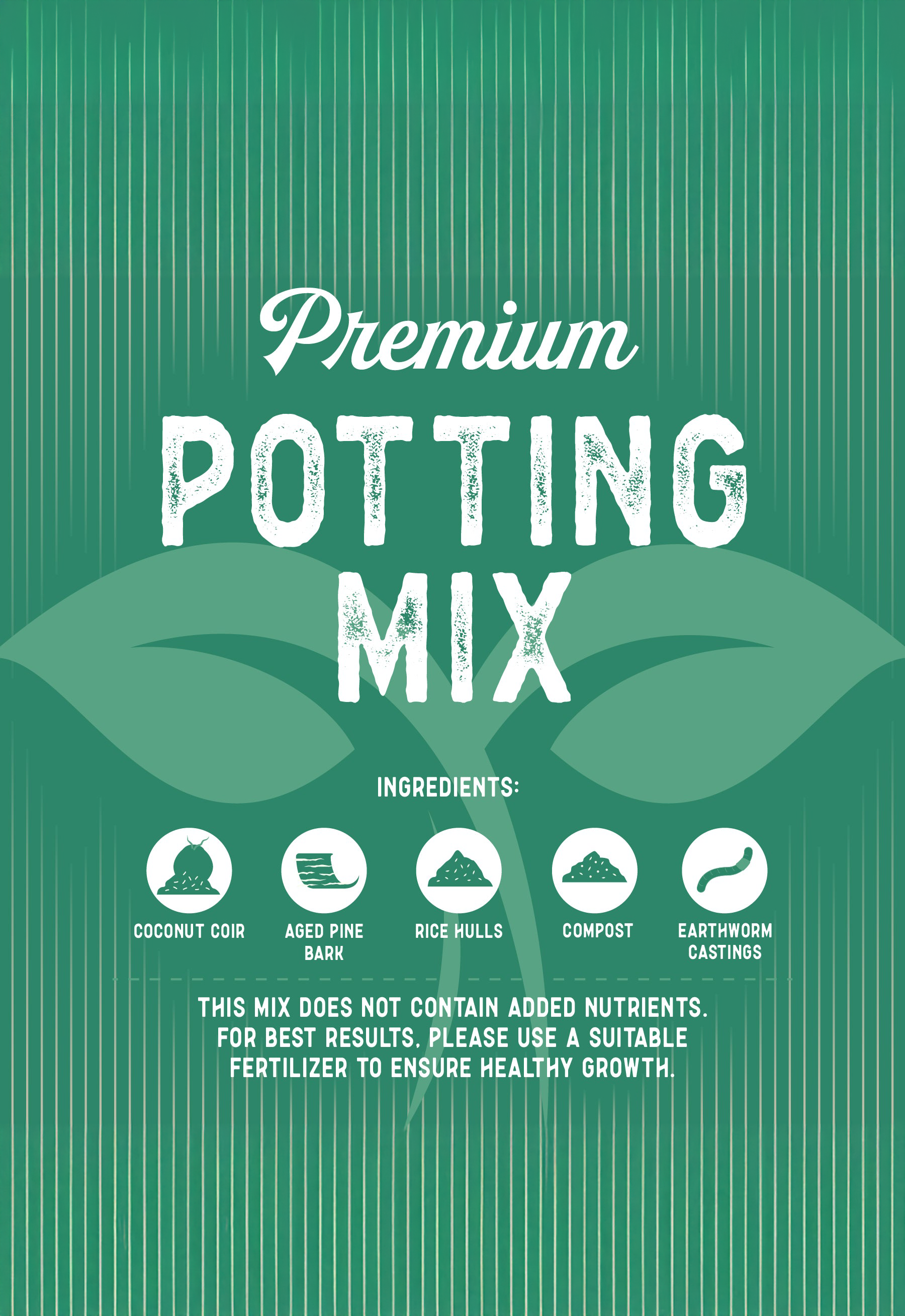
Containers need careful nutrient management. Mix compost and fertilizer into potting soil before planting. Use about one part compost to three parts soil.
For established container plants, sprinkle the mix on top and gently work it into the soil surface. Water well to prevent nutrient loss. Avoid over-fertilizing, as containers hold less soil and nutrients can build up quickly.
Timing And Frequency
Timing and frequency matter a lot when mixing fertilizer with compost. Applying the right amount at the right time helps plants grow strong and healthy. Overdoing it can harm plants or waste nutrients. Applying too little may not give the needed boost. Understanding when and how often to mix these improves garden results.
Seasonal Considerations
Spring is the best time to mix fertilizer with compost. Plants start growing fast and need nutrients. Summer needs less frequent feeding as growth slows. Fall applications help prepare soil for winter. Avoid heavy feeding in winter because plants rest. Adjust mixing based on the season for best results.
Growth Stage Adjustments
Young plants need gentle feeding to avoid root damage. Use less fertilizer with compost during early growth. Mature plants can handle stronger mixes for flowering and fruiting. During harvest, reduce fertilizer to prevent tough or bitter produce. Tailor your mix to each growth stage for healthier plants.
Monitoring Soil Nutrients
Test your soil regularly to check nutrient levels. Soil tests show what nutrients are missing or abundant. Adjust fertilizer and compost amounts based on test results. Avoid over-fertilizing by watching nutrient buildup signs. Keeping soil balanced helps plants use nutrients better.
Troubleshooting Common Issues
Troubleshooting common issues helps improve your fertilizer and compost mix. Problems can reduce plant growth and soil health. Knowing signs and solutions saves time and effort. Check your mix carefully to spot issues early. Correcting problems keeps plants healthy and strong.
Nutrient Imbalance
Nutrient imbalance happens when some nutrients are too high or low. Plants may look yellow, wilt, or grow slowly. Test your soil to find missing or excess nutrients. Adjust fertilizer and compost amounts to fix the balance. Use a mix with balanced nutrients for best results.
Overfertilization Symptoms
Overfertilization causes leaf burn, brown edges, and poor growth. Too much fertilizer can hurt roots and soil life. Water plants well to flush out excess nutrients. Reduce fertilizer amount in future mixes. Use slow-release fertilizers to avoid overfeeding plants.
Compost Contamination Problems
Compost contamination can bring weeds, pests, or diseases. Avoid using compost with visible trash or bad smell. Use well-made compost that is fully broken down. Screen compost to remove large pieces and debris. Clean compost protects plants and soil health.
Credit: www.thesill.com
Credit: www.milorganite.com
Frequently Asked Questions
What Is The Best Ratio To Mix Fertilizer With Compost?
The ideal ratio is generally 1 part fertilizer to 3 parts compost. This balance enriches soil without overfeeding plants, promoting steady growth and nutrient absorption.
Can I Use Any Fertilizer Type With Compost?
Yes, both organic and synthetic fertilizers work well with compost. Choose based on your plant needs and soil condition for optimal results.
How Often Should I Apply Fertilizer And Compost Mix?
Apply the mix every 4 to 6 weeks during the growing season. This frequency ensures consistent nutrient supply without overwhelming the plants.
Does Mixing Fertilizer With Compost Improve Soil Health?
Yes, combining fertilizer with compost enhances soil fertility and structure. Compost adds organic matter while fertilizer supplies essential nutrients.
Conclusion
Mixing fertilizer with compost helps plants grow stronger and healthier. Compost improves soil, while fertilizer adds important nutrients. Use the right amounts to avoid harming plants. Mix them well for even nutrient spread. This simple step supports better root growth and higher yields.
Try it in your garden to see clear results. Healthy soil means happy plants and a thriving garden. Keep your mix balanced and watch your plants flourish. Simple care makes a big difference in plant health.