
Keeping plants healthy is a challenge for every gardener. Whether you grow vegetables, flowers, or houseplants, pests like aphids, spider mites, and caterpillars can quickly damage your hard work. Many people turn to chemical sprays, but these can harm helpful insects, pollute soil, and even risk your health. Luckily, there’s a safe and effective solution you can make at home: pepper spray for plant pests. This natural remedy uses common kitchen ingredients to protect your plants without harsh chemicals. If you want practical, eco-friendly pest control, read on to discover how pepper spray works, how to make it, and how to use it successfully.
Why Pepper Spray Works For Plant Pests
Pepper spray might sound unusual for gardening, but it’s a proven method. The key ingredient is capsaicin, the compound that makes hot peppers spicy. Capsaicin irritates and repels many insects and small animals. When sprayed on leaves, it creates a surface that pests don’t like to touch or eat.
Several studies show that homemade pepper sprays reduce pest attacks, especially from soft-bodied insects like aphids and mites. Capsaicin doesn’t kill most bugs instantly, but it makes plants unappetizing and encourages pests to leave. Unlike many store-bought pesticides, pepper spray is safe for humans and pets (if used carefully) and won’t leave toxic residues.
One non-obvious advantage: Pepper spray can protect against some fungal diseases, because it discourages insects that spread fungi. Another hidden benefit is its low cost—making pepper spray is much cheaper than buying commercial pest sprays.
Which Plant Pests Does Pepper Spray Control?
Pepper spray is not a magic bullet, but it’s effective against many common garden pests. Here’s a look at which bugs it helps control:
- Aphids: Small, green or black insects that suck plant juices. Pepper spray makes leaves distasteful, reducing aphid numbers.
- Spider mites: Tiny red or yellow bugs that cause leaf spots. Pepper spray repels them and slows their spread.
- Whiteflies: Small, white flying insects. The spray deters them from landing and feeding.
- Caterpillars: Some types will avoid pepper-treated leaves.
- Mealybugs: White, cottony insects. The spray disturbs their feeding.
- Thrips: Slender bugs that damage flowers and leaves.
- Ants: While not always a direct pest, ants help spread aphids. Pepper spray can discourage ants from climbing stems.
Pepper spray is less effective against hard-shelled insects like beetles, and it doesn’t work on snails or slugs. It’s also not a replacement for treating diseases or nutrient problems.
Credit: diynatural.com
Ingredients Needed For Homemade Pepper Spray
Making pepper spray is easy, and you probably have most ingredients at home. Here’s what you’ll need:
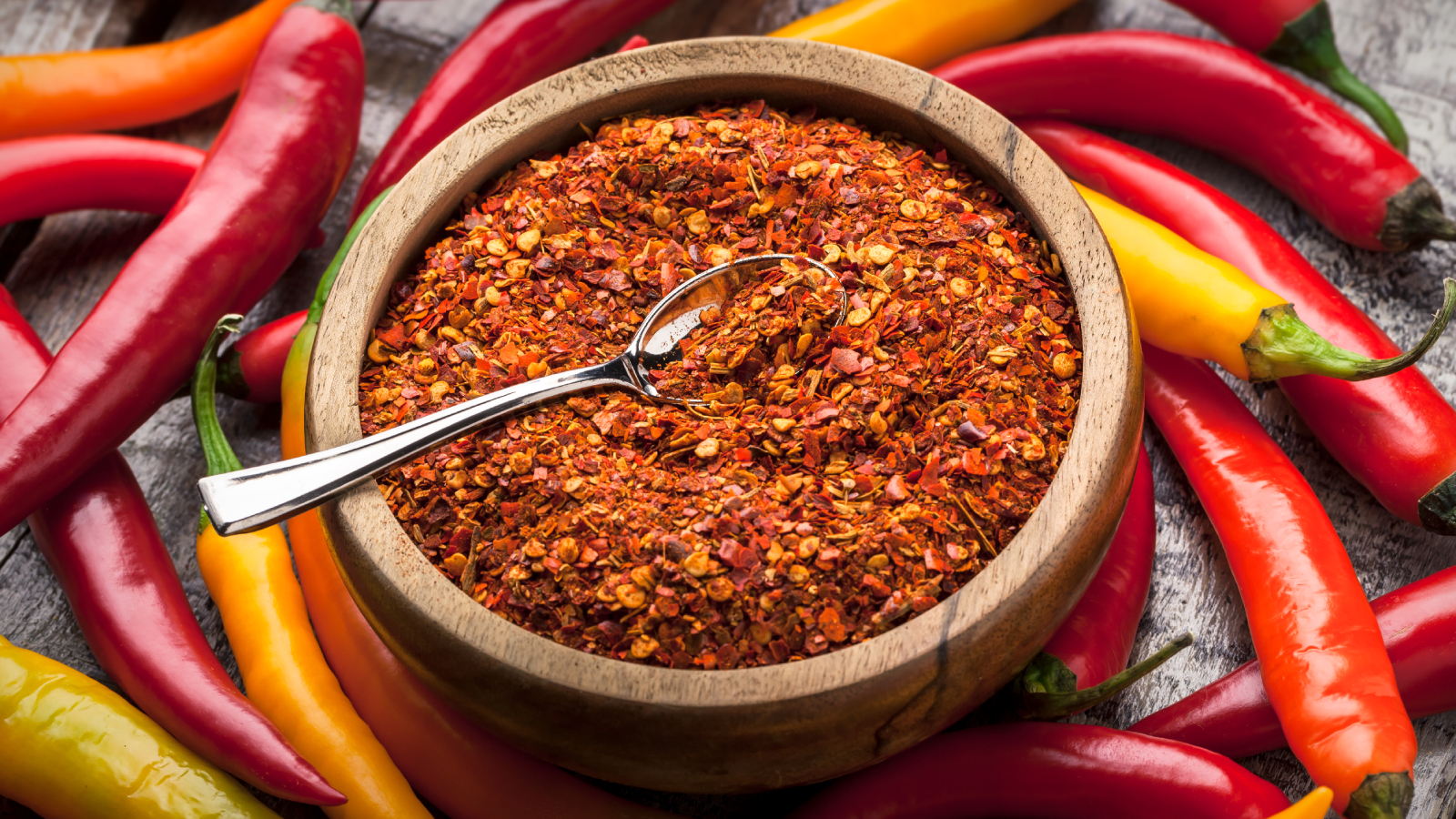
- Hot peppers: Any spicy variety works—jalapeños, habaneros, cayenne, or even dried chili flakes.
- Water: Clean, preferably filtered.
- Dish soap: Unscented, biodegradable soap acts as a surfactant, helping spray stick to leaves.
- Optional garlic: Adds extra pest-repelling power.
- Optional oil: Vegetable or neem oil can boost effectiveness.
- Strainer or cheesecloth: For filtering.
- Spray bottle: Clean, with adjustable nozzle.
A typical recipe uses about 2–4 hot peppers for one quart (about 1 liter) of spray. If you use dried chili flakes, 2–3 tablespoons is enough.
How To Make Pepper Spray For Plant Pests
Follow these steps to create your own pepper spray:
- Prepare peppers: Chop fresh peppers or measure chili flakes. Wear gloves—capsaicin can irritate skin.
- Blend ingredients: Combine peppers (or flakes), 1 quart water, and optional garlic in a blender. Blend until smooth.
- Simmer mixture: Pour blended mix into a pot. Heat gently for 10–15 minutes. Simmering extracts more capsaicin.
- Cool and strain: Let mixture cool. Strain through cheesecloth or a fine strainer to remove solids.
- Add soap and oil: Stir in 1–2 teaspoons dish soap and, if desired, 1 tablespoon oil. Soap helps spray stick; oil suffocates some insects.
- Transfer to bottle: Pour liquid into spray bottle. Label it clearly—pepper spray is strong!
- Store leftovers: Keep extra spray in the fridge for up to one week.
Example Recipe
- 3 fresh cayenne peppers (or 2 tablespoons dried chili flakes)
- 3 cloves garlic (optional)
- 1 quart water
- 2 teaspoons dish soap
- 1 tablespoon vegetable oil (optional)
This recipe makes enough spray for several plants. Adjust pepper amount if you want a milder or stronger solution.

Credit: www.youtube.com
How To Use Pepper Spray Safely And Effectively
Homemade pepper spray is powerful, so use it carefully:
- Test first: Spray a small area on one plant leaf. Wait 24 hours. If there’s no damage, spray more.
- Apply early or late: Spray in early morning or evening. Avoid spraying during hot midday sun—this can scorch leaves.
- Cover leaf undersides: Many pests hide under leaves. Spray both top and bottom.
- Avoid flowers: Don’t spray directly on blooms, as soap and peppers can damage petals.
- Repeat as needed: Spray every 4–7 days, or after rain washes spray away.
- Wear protection: Gloves and eye protection help prevent skin irritation.
Pepper spray is safe for most plants, but sensitive varieties (like ferns or some herbs) may react poorly. Always check first.
One insight beginners often miss: Overusing pepper spray can stress plants. Use only when you see pests, not as a routine unless your plants are under constant attack.
Practical Tips For Better Results
Pepper spray is simple, but a few extra tricks can make it more effective:
- Mix with garlic or onion: These add extra repellents, targeting more bugs.
- Use neem oil: Neem oil is a natural insecticide. Adding a few drops increases pest control.
- Store in glass: Pepper spray keeps better in glass containers than plastic.
- Keep away from children and pets: It’s safe on plants, but can irritate eyes or skin.
- Clean spray bottles: Residue from other chemicals can interfere with pepper spray.
Another tip: If you grow edible plants, rinse leaves before eating. Pepper spray can linger and make salads spicy!
Comparing Pepper Spray To Other Pest Solutions
How does homemade pepper spray stack up against other common pest controls? Here’s a comparison:
| Method | Effectiveness | Safety | Cost | Eco-Friendliness |
|---|---|---|---|---|
| Pepper Spray | Moderate-High (most soft-bodied pests) | High (if used correctly) | Very low | High |
| Chemical Pesticides | High | Low (can harm humans and pets) | Medium-High | Low |
| Neem Oil | Moderate | High | Medium | High |
| Soap Spray | Moderate | High | Low | High |
| Manual Removal | Low-Moderate | High | Very low | High |
Pepper spray gives a good balance of safety, effectiveness, and eco-friendliness. It’s not as strong as some chemical sprays, but it avoids many risks.
Common Mistakes And How To Avoid Them
Even experienced gardeners can make mistakes with pepper spray. Here are some frequent errors—and how to avoid them:
- Using too much pepper: Overly strong spray can burn leaves. Start with less, increase if needed.
- Spraying in full sun: Heat amplifies capsaicin’s effect, risking leaf damage.
- Forgetting to strain: Leftover solids clog spray bottles and leave sticky residue.
- Not testing first: Always check plant sensitivity before wide use.
- Ignoring pests on leaf undersides: Many bugs hide out of sight. Spray both sides.
- Storing at room temperature: Spray spoils quickly unless refrigerated.
A less obvious mistake: Assuming pepper spray works for all pests. Some insects—like beetles or root maggots—ignore it. Combine pepper spray with other methods for best results.
Variations: Pepper Spray Recipes For Different Needs
You can customize pepper spray for different pest problems. Here are a few recipes:
For Aphids And Mites
- 2 jalapeño peppers
- 1 quart water
- 1 teaspoon dish soap
- 3 cloves garlic
Chop peppers and garlic, blend with water, strain, add soap.
For Caterpillars
- 4 dried red chili peppers
- 1 quart water
- 1 tablespoon vegetable oil
Blend, simmer, strain, add oil.
For Whiteflies
- 2 tablespoons chili powder
- 1 quart water
- 2 teaspoons dish soap
Mix chili powder with water, strain, add soap.
For Extra Strength
- 2 habanero peppers
- 1 quart water
- 1 teaspoon dish soap
- 1 tablespoon neem oil
Blend, simmer, strain, add soap and neem oil.
Each recipe can be adjusted to taste. For milder sprays, use fewer peppers or dilute with extra water.
Science Behind Pepper Spray For Pests
Why does pepper spray work? The science is simple but fascinating. Capsaicin, the spicy compound in peppers, binds to pain receptors in insects—making plants uncomfortable to touch or eat. For many bugs, even a tiny amount is enough to drive them away.
Some studies show that capsaicin disrupts insect nervous systems, slowing movement and feeding. It doesn’t always kill pests, but it reduces their numbers and protects plants. Pepper spray also alters plant smell, confusing bugs that rely on scent.
Interestingly, capsaicin is harmless to most birds and mammals in small amounts. That’s why pepper spray is a favorite tool for organic gardeners—it targets pests without hurting wildlife.
For more detailed science, see this Capsaicin Wikipedia page.
How Often Should You Use Pepper Spray?
Frequency depends on pest levels and plant sensitivity. Here are general guidelines:
- Light pest problems: Spray once a week.
- Heavy infestation: Spray every 3–4 days until pests drop.
- After rain: Reapply, as water washes spray away.
- Sensitive plants: Use every 10–14 days, or only when needed.
Overuse can stress plants, so watch for signs like leaf browning or wilting. If you see these, pause spraying and rinse leaves with water.
What Plants Should You Avoid Spraying?
Pepper spray is safe for most vegetables, flowers, and shrubs. But some plants react poorly:
- Ferns
- Orchids
- Succulents
- Herbs like basil and mint
These plants have thin leaves or sensitive oils that can burn. For these, test a small patch first or use milder sprays.
How To Store And Handle Homemade Pepper Spray
Pepper spray loses strength over time and can spoil. Follow these storage tips:
- Keep refrigerated: Cold slows bacteria growth and preserves capsaicin.
- Use within 7 days: Spray loses effectiveness after a week.
- Label bottles: Mark spray clearly—mistaking it for food can be dangerous.
- Clean bottles after use: Rinse with hot water to remove residue.
If spray smells bad or separates, discard and make a fresh batch.
When To Avoid Using Pepper Spray
Pepper spray is a great tool, but there are times to avoid it:
- During pollination: Avoid spraying flowers, as it can harm bees and pollinators.
- In windy weather: Spray can drift onto non-target plants or into eyes.
- On edible leaves before harvest: Wait 2–3 days after spraying before picking.
Pepper spray is not a cure for plant diseases or nutrient deficiencies. Use it only for pest control.
Environmental Impact Of Pepper Spray
Using homemade pepper spray helps reduce environmental damage. Unlike chemical pesticides, it breaks down quickly and doesn’t contaminate soil or water. It’s safe for most insects and animals—except the pests you target.
However, pepper spray can still affect beneficial insects if used carelessly. Always spray only the parts of plants under attack and avoid flowers.
One fact beginners often miss: Homemade sprays can be part of integrated pest management (IPM), combining natural controls for healthier gardens.
Cost Comparison: Homemade Vs Commercial Sprays
Let’s see how homemade pepper spray compares to store-bought options.
| Type | Average Cost (per quart) | Ingredients/Contents | Longevity |
|---|---|---|---|
| Homemade Pepper Spray | $1–$2 | Peppers, water, soap, oil | 1 week |
| Commercial Organic Spray | $8–$15 | Neem, pyrethrum, oils | Several months |
| Commercial Chemical Spray | $10–$20 | Pesticides, surfactants | Several months |
Homemade spray is much cheaper, but needs frequent mixing. Commercial sprays last longer, but may contain chemicals you want to avoid.
Credit: www.gardeningknowhow.com
Real-life Examples: Gardeners Share Their Experiences
Many gardeners have success stories with pepper spray:
- A tomato grower in California saw aphid numbers drop by 80% after weekly pepper spray use.
- A rose enthusiast in Texas stopped spider mite damage with a mix of chili flakes and garlic.
- Urban gardeners report fewer whiteflies on houseplants after regular pepper spray applications.
One less obvious insight: Gardeners who combine pepper spray with manual removal (like washing leaves or picking off bugs) see the best results.
Integrating Pepper Spray Into Your Pest Control Routine
Pepper spray is most effective as part of a broader pest control strategy. Here’s how to integrate it:
- Monitor plants: Check leaves for pests regularly.
- Use pepper spray when pests appear: Don’t spray every week unless needed.
- Combine with other natural controls: Try neem oil, soap sprays, or introduce beneficial insects.
- Remove old leaves and debris: Clean gardens discourage pests.
- Keep records: Note which sprays work best for each pest.
Integrated pest management saves time and money, and improves plant health.
Frequently Asked Questions
How Long Does Homemade Pepper Spray Last?
Homemade pepper spray stays effective for about one week if kept in the fridge. After that, capsaicin breaks down and bacteria may grow. Always make a fresh batch if spray smells odd or separates.
Is Pepper Spray Safe For Vegetables And Edible Plants?
Yes, pepper spray is safe for most vegetables. After spraying, rinse leaves well before eating. Avoid spraying just before harvest. Test sensitive herbs first, as some may react.
Can Pepper Spray Harm Beneficial Insects?
Pepper spray can discourage beneficial insects if sprayed on flowers or directly on bees. To protect pollinators, focus spray on leaves and avoid blooms.
What Should I Do If Pepper Spray Gets In My Eyes Or On Skin?
Capsaicin causes burning or irritation. If pepper spray gets in your eyes or on skin, rinse with cool water immediately. Avoid touching eyes after handling peppers. If irritation persists, seek medical advice.
Does Pepper Spray Work On All Plant Pests?
No, pepper spray is most effective for soft-bodied insects like aphids, mites, and whiteflies. It does not control snails, slugs, or large beetles. For those pests, combine pepper spray with other methods.
Pepper spray is a simple, affordable, and eco-friendly tool for gardeners. With the right recipe, careful use, and a little patience, you can protect your plants naturally and enjoy a healthier garden. Remember to test sprays first, adjust recipes to your plants’ needs, and combine pepper spray with other strategies for best results.
Happy gardening!