
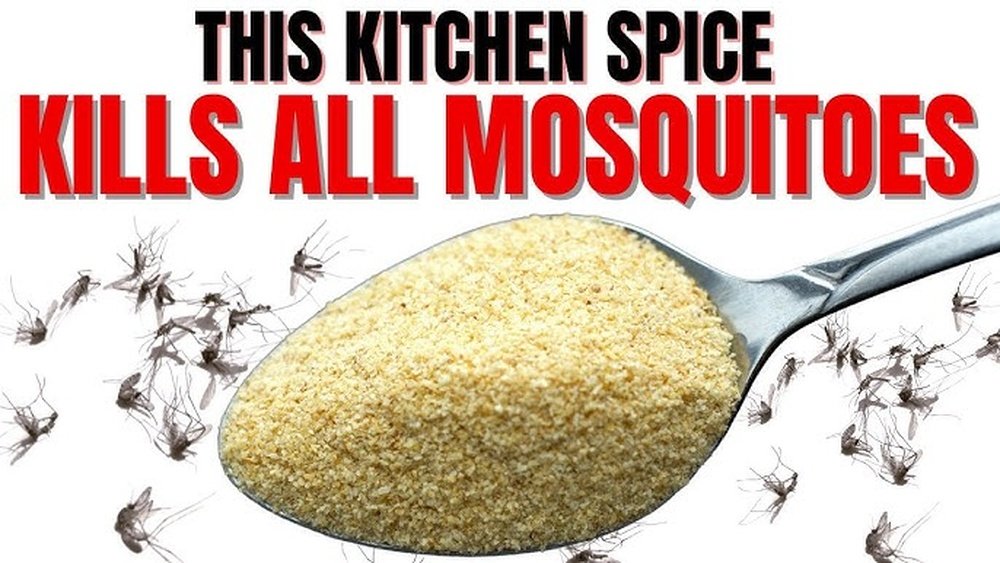
Mosquitoes in your yard can ruin a nice evening, make gardening miserable, and even spread diseases like West Nile Virus and Zika. If you’re searching for a fast, effective way to get rid of mosquitoes in your yard, you’re not alone.
Millions of homeowners struggle with these pests, especially during warm months. The good news is, you can tackle mosquitoes quickly with the right approach. This guide shows you how to remove them fast, explains why they return, and gives practical tips to keep your outdoor spaces mosquito-free.
Why Mosquitoes Love Your Yard
Understanding why mosquitoes choose your yard helps you fight them smarter. Mosquitoes need standing water to lay eggs. Even a small puddle can support hundreds. They also look for shade, tall grass, and dense plants to hide during the day. Human activity, such as grilling or sweating, can attract them with carbon dioxide and body heat.
A single female mosquito can lay up to 300 eggs at a time, and it only takes about a week for larvae to become adults. This means a small problem can quickly grow if you don’t act fast. Mosquitoes also tend to return to areas with constant moisture and thick vegetation.
Fast Ways To Get Rid Of Mosquitoes In Your Yard
If you need quick results, use a combination of approaches. Each method targets mosquitoes at a different stage of life or blocks their access to your yard.
1. Remove Standing Water Immediately
Mosquitoes can breed in less than an inch of water. Check your yard for:
- Buckets and containers
- Flower pots
- Bird baths
- Clogged gutters
- Children’s toys
- Unused tires
- Tarps
- Pet bowls
Dump water from these items. Scrub bird baths and pet bowls at least twice a week. If you have a pond, use a pump to keep water moving—mosquitoes avoid moving water.
2. Use Mosquito Adulticides For Quick Knockdown
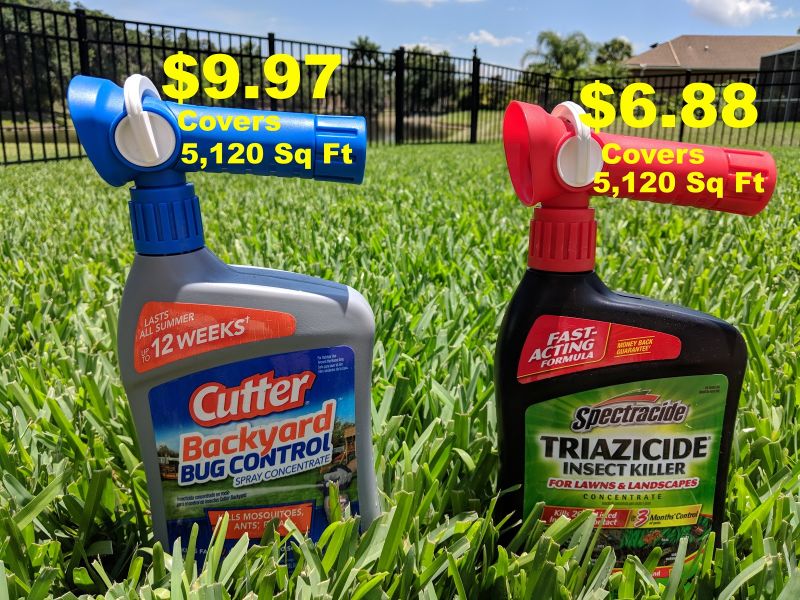
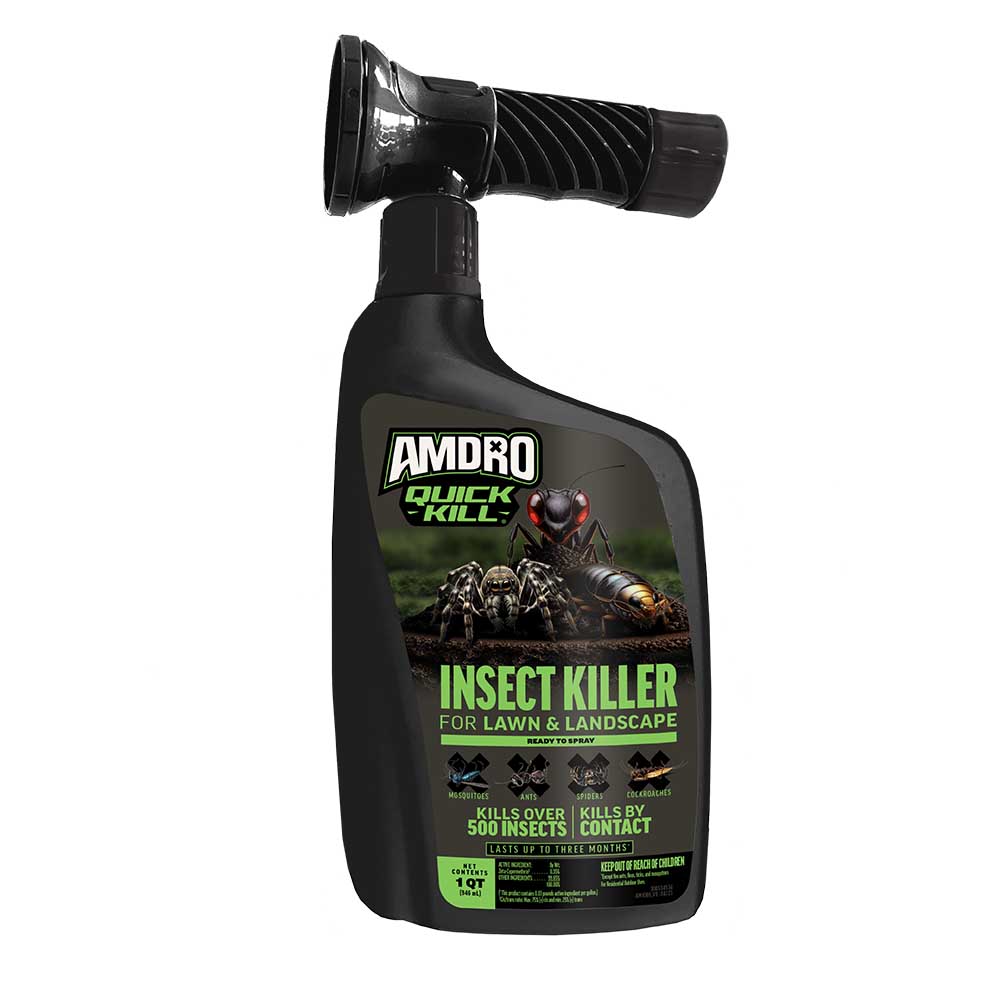
Mosquito adulticides are sprays that kill adult mosquitoes on contact. They work fast and are available as foggers or sprays. Some popular brands include Ortho, Raid, and Cutter.
- Apply in the early morning or evening when mosquitoes are most active.
- Spray around bushes, tall grass, under decks, and near patios.
- Always follow the label instructions. Keep pets and children away until spray dries.
These chemicals work within hours, but effects last a few days to a week. For large yards, consider professional mosquito control services—they use higher-concentration products and treat bigger areas efficiently.
3. Install Mosquito Traps
Mosquito traps attract and capture mosquitoes using light, heat, or CO₂. They are effective for small yards and patios. Placement is important:
- Put traps near seating areas but away from where people gather (so mosquitoes don’t get attracted to you instead).
- Empty and clean traps weekly for best results.
Traps reduce mosquito numbers quickly but may not eliminate them all. They are best used with other methods.
4. Apply Larvicides To Water You Cannot Remove
Some water sources can’t be emptied, like ponds or rain barrels. Use larvicides to kill mosquito larvae before they become adults. The most common larvicide is Bacillus thuringiensis israelensis (Bti), found in products like Mosquito Dunks.
- Drop a dunk or tablet into water every 30 days.
- Bti is safe for pets, birds, and fish.
Larvicides work within days. For large ponds, use granular forms.
5. Cut Grass And Trim Shrubs
Mosquitoes hide in tall grass and thick plants during the day. Keep your yard less inviting by:
- Mowing grass every week
- Trimming bushes, hedges, and trees
- Removing leaf piles and debris
This exposes mosquitoes to sunlight and wind, which they dislike.
6. Use Outdoor Fans
Mosquitoes are weak fliers. A strong fan on your porch or patio can create a breeze mosquitoes can’t cross.
- Place fans near seating areas
- Use at least a 20-inch diameter fan for best results
Fans work instantly and are safe for kids and pets.
7. Light Citronella Candles And Torches
Citronella oil masks scents that attract mosquitoes. Candles and torches are best for small areas.
- Place several candles around patios
- Use torches for larger spaces
These work for 2–3 hours, but effectiveness drops in windy conditions.
8. Apply Natural Repellents
Some plants and essential oils repel mosquitoes. Popular choices:
- Lemon eucalyptus oil: Spray on skin or clothes
- Peppermint oil: Good for small garden beds
- Lavender: Plant around patios
While not as strong as chemicals, these are safer for kids and pets. Reapply oils every few hours.
9. Use Mosquito Netting
For immediate protection, use mosquito netting around sitting areas, play zones, or over hammocks.
- Secure netting to frames, fences, or umbrellas
- Repair holes quickly
Netting stops mosquitoes instantly and is good for parties or outdoor meals.
Comparison Of Mosquito Control Methods
To help you choose the best solution for your yard, see how each method compares in speed, effectiveness, and safety.
| Method | Speed | Effectiveness | Safety |
|---|---|---|---|
| Adulticide Sprays | Hours | High | Moderate (follow label) |
| Traps | Days | Medium | High |
| Larvicides | Days | High | Very High |
| Fans | Instant | Medium | Very High |
| Citronella | Minutes | Low | High |
| Natural Repellents | Minutes | Low-Medium | Very High |
How Mosquitoes Breed And Why Fast Action Matters
Mosquitoes breed in cycles. Female mosquitoes lay eggs in water, which hatch into larvae within 48 hours. Larvae become pupae, then adults, in about 7–10 days. If you don’t remove breeding areas quickly, mosquitoes multiply.
A study from the CDC shows that one yard with just five small containers of water can produce over 1,000 mosquitoes in two weeks. Acting fast breaks the cycle and prevents a mosquito explosion.
When To Use Professional Mosquito Control
Sometimes, DIY efforts aren’t enough. If you have a large yard, live near wetlands, or see clouds of mosquitoes even after basic treatments, consider professional help.
- Professionals use high-powered sprayers and foggers
- They apply both adulticides and larvicides
- Many offer guarantees—if mosquitoes return, they retreat for free
Professional services cost $75–$300 per treatment, depending on yard size and location. Ask if the company uses Integrated Pest Management (IPM), which combines eco-friendly and chemical methods.
Mosquito Repellent Plants For Your Yard
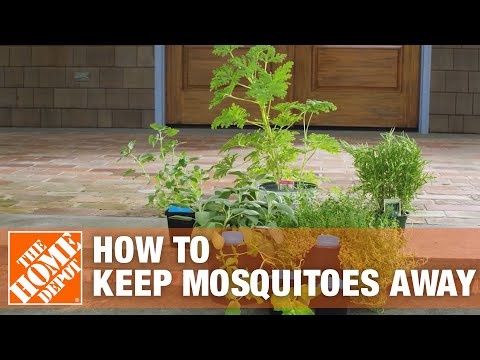
Adding mosquito repellent plants can help reduce numbers naturally. Some plants produce oils mosquitoes dislike. Here are the most effective ones:
- Citronella grass
- Lemongrass
- Lavender
- Marigolds
- Peppermint
- Rosemary
- Basil
- Catnip
Plant these around patios, doors, and walkways. Water them regularly and keep leaves healthy for best results.
Credit: thelawncarenut.com
Common Mistakes That Make Mosquito Problems Worse
Many people accidentally create perfect mosquito habitats. Avoid these mistakes:
- Leaving pet water bowls outside overnight
- Not cleaning gutters (leaves block water flow)
- Overwatering lawns, leading to puddles
- Stacking firewood or mulch too close to the house
- Using too many garden decorations that collect water
Mosquitoes often breed in places you don’t notice. Walk your yard after rain and look for hidden water.
How To Protect Yourself While Treating Your Yard
Mosquitoes bite mostly at dawn and dusk. If you’re working in the yard, wear:
- Long sleeves and pants
- Light-colored clothing (mosquitoes prefer dark)
- EPA-approved repellent (DEET, Picaridin, or IR3535)
Cover exposed skin and use gloves if applying chemicals.
Credit: www.homedepot.com
The Science Behind Mosquito Control
Mosquito control is more than just spraying chemicals. Scientists study mosquito behavior to design better solutions. Mosquitoes detect humans using:
- Carbon dioxide from breathing
- Body heat
- Skin odors
Some traps mimic these cues to lure mosquitoes. Larvicides target only mosquito larvae, sparing other insects. Fans and netting exploit mosquitoes’ weak flying ability.
Researchers found that removing standing water reduces mosquito numbers by up to 80% in two weeks. Combining methods works better than using only one.
Mosquito Life Cycle And Control Points
Understanding the mosquito life cycle helps you target the right stage. Here’s a summary:
| Stage | Duration | Control Method |
|---|---|---|
| Egg | 1–2 days | Remove water, larvicides |
| Larva | 4–7 days | Larvicides, remove water |
| Pupa | 2–3 days | Larvicides |
| Adult | Up to 2 weeks | Adulticides, traps, fans |
Targeting both larvae and adults gives fastest results.
Mosquito Disease Risks In Your Yard
Mosquitoes aren’t just annoying. They carry diseases like:
- West Nile Virus: Found in 48 US states
- Zika Virus: Rare, but can cause birth defects
- Dengue: More common in southern US
- Malaria: Almost gone in US, but still a risk in some areas
The CDC reports over 2,000 cases of West Nile Virus each year in the US. Reducing mosquitoes protects your family and pets.
Mosquito Prevention: Keeping Them Away Long-term
Fast removal is important, but prevention keeps your yard mosquito-free. Here’s how:
Keep Water Moving
Mosquitoes avoid moving water. Add fountains or pumps to ponds and bird baths.
Install Screens
Screen doors and windows keep mosquitoes out of your home. Repair holes quickly.
Use Yellow Led Lights
Mosquitoes are less attracted to yellow LED lights than standard bulbs. Switch porch and garden lights for better protection.
Treat Monthly During Mosquito Season
Apply larvicides and sprays at least once a month from April to September. Mark your calendar to avoid missing a treatment.
Encourage Natural Predators
Birds, bats, and dragonflies eat mosquitoes. Install birdhouses or bat boxes. Avoid broad pesticides that kill these helpful animals.
Comparison: Diy Vs. Professional Mosquito Control
Here’s how DIY and professional mosquito control stack up.
| Aspect | DIY | Professional |
|---|---|---|
| Cost | $20–$100 | $75–$300 |
| Speed | 1–3 days | Hours–1 day |
| Effectiveness | Medium–High | High |
| Safety | Depends on product | Usually safe, trained applicators |
| Coverage | Small–Medium yards | Large yards |
| Guarantee | No | Often yes |
If you want fast results, professionals are best for large or severe mosquito problems.
Two Insights Most Beginners Miss
Many people focus only on killing adult mosquitoes. But if you ignore larvae, new mosquitoes will appear every week. Using larvicides and removing water is just as important as spraying for adults.
Another common mistake is thinking mosquito traps alone will solve the problem. Traps help, but mosquitoes breed so fast that traps can’t keep up unless you also remove water and treat larvae.
Extra Tips For Mosquito-free Yards
- Schedule yard checks after every rain. Mosquitoes breed quickly after storms.
- Check fence posts and playground equipment for hidden water. Mosquitoes love small cracks.
- Store garden tools upside down to prevent water collection.
- Use gravel or sand in areas where water pools to improve drainage.
- Seal septic tanks and drains with mesh screens.
Taking these extra steps can make a big difference.
How Weather Affects Mosquitoes
Mosquitoes thrive in warm, humid weather. In the US, mosquito season starts as early as March in southern states and lasts until October. After heavy rain, mosquitoes appear within days.
Dry spells reduce mosquito numbers, but eggs can survive for months in dry conditions. When water returns, they hatch quickly.
Credit: www.amdro.com
Mosquitoes And Pets: What You Need To Know
Mosquitoes also bite pets. Dogs can get heartworm, a dangerous disease spread by mosquitoes. Keep pet bowls clean, use pet-safe repellents, and ask your vet about heartworm prevention.
Cats and birds can suffer from mosquito bites as well. Use netting over cages and keep animals indoors during peak mosquito hours.
Is Mosquito Control Safe For Kids And Wildlife?
Most larvicides (like Bti) are safe for children, pets, birds, and fish. Adulticides and foggers may cause irritation—wait until sprays dry before entering treated areas.
Avoid broad-spectrum pesticides. They kill beneficial insects like bees and butterflies. If you use chemicals, follow the label exactly.
Are Mosquito Repellent Apps Effective?
Many apps claim to repel mosquitoes using sound. Studies show these apps are not effective. Mosquitoes don’t respond to most frequencies used in apps. Focus on physical and chemical methods instead.
Fastest Mosquito Control Strategy: Step-by-step
Here’s a summary of the fastest way to get rid of mosquitoes in your yard:
- Walk your yard and remove all standing water immediately.
- Apply larvicides to any water you can’t remove.
- Spray adulticides around bushes, grass, and patios.
- Set up traps in problem areas, away from people.
- Use fans and netting for instant protection.
- Trim plants and mow grass weekly.
- Light citronella candles in seating areas.
Repeat these steps after rain or every two weeks during mosquito season.
How Mosquitoes Return After Treatment
Mosquitoes can fly up to 2 miles from breeding sites. If your neighbors don’t control mosquitoes, they may return. Work with neighbors to remove water and treat yards together.
Mosquito Control And Environmental Impact
Many people worry about harming the environment. Larvicides like Bti target only mosquitoes. Adulticides can impact bees and butterflies if sprayed on flowers. Spray only on grass and bushes, not on blooming plants.
Using physical barriers (fans, netting) and natural repellents helps reduce environmental impact.
For more information, visit the CDC Mosquito Control page.
Frequently Asked Questions
What Is The Fastest Way To Get Rid Of Mosquitoes In My Yard?
The fastest way is to remove all standing water, apply larvicides to water you can’t remove, and spray adulticides around plants and patios. Use outdoor fans and netting for instant relief. Repeat after rain for best results.
Are Mosquito Control Sprays Safe For Pets And Children?
Most sprays are safe once dry. Keep pets and children away during application and follow label instructions. Larvicides like Bti are safe for pets, birds, and fish.
How Can I Prevent Mosquitoes From Returning?
Keep your yard dry, treat water regularly, mow grass, and trim plants. Use screens on doors and windows. Encourage neighbors to control mosquitoes too.
Do Mosquito Repellent Plants Really Work?
Plants like citronella, lavender, and peppermint help repel mosquitoes. They work best as part of a larger strategy, not alone. Place them near seating areas for extra protection.
Why Do Mosquitoes Seem Worse After Rain?
Rain creates new breeding sites. Mosquito eggs hatch within days after rainfall. Check your yard and remove water immediately after every storm.
Getting rid of mosquitoes fast is possible if you use the right methods together. Remember, acting quickly and consistently is key. By combining removal, treatment, physical barriers, and prevention, you can reclaim your yard and enjoy the outdoors again.