

Last updated: October 2026 · Written by the LawnVibe editorial team.
Learning how to cook chicken on a gas grill is mostly about controlling heat. Set up two zones by running some burners on medium-high and leaving one low or off, sear chicken over direct heat, then move it to the cooler side with the lid closed to finish gently. Pull it when a thermometer reads 165°F in the thickest part, then rest it for a few minutes. This method gives juicy chicken with crisp, browned skin and avoids the burnt-outside, raw-inside problem.
This guide follows food safety recommendations from the USDA Food Safety and Inspection Service and common grilling practice. A 3-burner grill is ideal for this technique; see our guide to the best 3-burner gas grill.
Quick Answer
Learning how to cook chicken on a gas grill is mostly about controlling heat. Set up two zones by running some burners on medium-high and leaving one low or off, sear chicken over direct heat, then move it to the cooler side with the lid closed to finish gently. Pull it when a thermometer reads 165°F in the thickest part, then rest it for a few minutes.
Key takeaways:
- Use two-zone heat, sear then finish indirectly, close the lid and cook to 165°F with a thermometer.
- Rest before serving and save sauces for the end.
What You Need
You need a gas grill, an instant-read or probe thermometer, long tongs, a grill brush, oil for the grates, a sheet pan or platter for raw chicken and a separate clean platter for cooked chicken. A good thermometer is the single most important tool; see the best wireless meat thermometer.
Step 1: Prepare the Chicken
Pat chicken dry with paper towels. For boneless breasts, pound the thick end to an even thickness so it cooks evenly. Trim excess fat to reduce flare-ups. Season generously or marinate. A simple brine of salt and water for 30 minutes to a few hours helps lean breasts stay juicy.
Step 2: Set Up Two-Zone Heat
Clean the grates and preheat the grill with the lid closed for 10 to 15 minutes. Then set one or two burners to medium-high for direct heat and the remaining burner to low or off for indirect heat. Our guide on how to set up two-zone cooking on a grill explains this in detail.
Step 3: Oil the Grates
Fold a paper towel, dip it in high smoke point oil and wipe the hot grates using tongs. Never spray oil onto a lit grill.
Step 4: Sear Over Direct Heat
Place chicken over the hot zone, skin side down for skin-on pieces. Close the lid. Let it sear without moving until it releases easily, usually a few minutes. Flip and sear the other side.
Step 5: Finish Over Indirect Heat
Move thicker pieces and bone-in chicken to the cooler side, close the lid and let them cook through gently. This prevents burning while the inside reaches a safe temperature.
Step 6: Check the Temperature
Insert a thermometer into the thickest part, avoiding bone. Remove chicken when it reaches 165°F. Dark meat such as thighs and drumsticks is often more tender when cooked a bit higher, as long as it reaches at least 165°F.
Step 7: Rest and Serve
Rest chicken for about 5 minutes on a clean platter so juices redistribute. Slice and serve.
Grilling Times and Temperatures by Cut
| Cut | Grill Heat | Approximate Time | Method |
|---|---|---|---|
| Boneless breast (even thickness) | Medium-high | 12 to 18 min | Direct, then indirect if thick |
| Boneless thighs | Medium-high | 10 to 15 min | Mostly direct |
| Bone-in thighs and drumsticks | Medium | 30 to 40 min | Sear, then indirect |
| Wings | Medium | 20 to 30 min | Indirect, then crisp direct |
| Bone-in breasts | Medium | 30 to 45 min | Sear, then indirect |
| Whole chicken | Medium indirect (about 350-375°F) | Roughly 1 to 1.5 hours | Indirect |
| Spatchcocked chicken | Medium | Roughly 40 to 60 min | Indirect, skin finish direct |
Times are estimates; always cook to 165°F internal temperature.
How to Grill Chicken Breasts
Pound breasts to even thickness, brine or marinate, sear over direct heat for a few minutes per side and finish over indirect heat if needed. Thin breasts may cook entirely over direct medium-high heat. Watch closely because breasts dry out quickly.
How to Grill Chicken Thighs
Thighs are forgiving and flavorful. Boneless thighs cook quickly over direct heat. Bone-in, skin-on thighs benefit from searing skin-side down, then finishing indirectly until crisp and well done.
How to Grill Chicken Wings
Cook wings over indirect heat with the lid closed until nearly done, then move them to direct heat for a few minutes to crisp the skin. Toss with sauce after cooking to avoid burning sugars.
How to Grill a Whole Chicken
Set up indirect heat with the outer burners lit and the center burner off, or one side lit on a 3-burner grill. Place the chicken breast-side up over the unlit area, close the lid and maintain around 350 to 375°F. Cook until the thickest part of the thigh and breast reach 165°F. Spatchcocking, which means removing the backbone and flattening the bird, speeds cooking and gives more even results.
Preventing Flare-Ups
Fat dripping onto burners causes flare-ups. Trim excess fat, use two-zone heat so you can move chicken away from flames, keep the lid closed and clean the grease tray regularly. See how to prevent grill flare-ups.
Food Safety Tips
Keep raw chicken refrigerated until grilling, use separate plates and utensils for raw and cooked chicken, never reuse marinade that touched raw chicken unless boiled and always verify 165°F with a thermometer. Wash hands after handling raw poultry.
Simple Marinades and Rubs
A basic marinade combines oil, an acid such as lemon juice or vinegar, garlic, herbs and salt. Marinate chicken in the refrigerator for 30 minutes to several hours; very acidic marinades can make texture mushy if left too long. Dry rubs of salt, pepper, paprika, garlic powder and brown sugar work well on thighs and wings. Pat off excess marinade before grilling to reduce flare-ups, and avoid sugary marinades over high direct heat, which burn quickly.
Brining for Juicier Chicken
Brining helps lean breasts stay moist. Dissolve salt in water, commonly around a quarter cup of kosher salt per quart, and soak chicken in the refrigerator for 30 minutes to 2 hours for boneless breasts, or longer for whole birds. Rinse if desired, pat dry and season lightly since the meat is already salted. Dry brining, which means salting the chicken and refrigerating it uncovered for several hours, also improves flavor and helps crisp skin.
When to Add Barbecue Sauce
Most barbecue sauces contain sugar that burns quickly over direct heat. Brush sauce on during the last few minutes of cooking over indirect heat, then briefly crisp it over direct heat if you like. Serve extra sauce on the side.
Using a Smoker Box for Smoky Chicken
To add smoke flavor on a gas grill, place soaked or dry wood chips in a smoker box or foil packet over a lit burner. Apple, cherry and hickory pair well with chicken. Close the lid to trap the smoke while cooking over indirect heat. Our guide on how to use wood chips on a gas grill explains the method.
Grilling Frozen Chicken
Thawing chicken in the refrigerator before grilling gives the best results. Grilling from frozen is possible over indirect heat but takes much longer, cooks less evenly and makes it harder to season. If you must, use indirect heat, check temperature in several places and expect roughly 50 percent longer cooking times.
Grilling Chicken Kebabs
Cut chicken into even cubes, marinate and thread onto skewers with vegetables that cook at a similar rate. Soak wooden skewers in water to reduce burning. Grill over medium-high direct heat, turning every few minutes, until the chicken reaches 165°F.
Resting and Carving
Resting lets juices settle so they stay in the meat when you slice. Tent chicken loosely with foil if you want to keep it warm. Slice breasts across the grain. For whole chickens, remove legs and thighs first, then slice the breasts off the bone.
Leftovers and Storage
Refrigerate leftover grilled chicken within two hours of cooking, or one hour in very hot weather, in shallow containers. Use leftovers within three to four days, or freeze for longer storage. Reheat to 165°F. Leftover grilled chicken is great in salads, wraps and pasta.
Adjusting for Your Grill
Every gas grill has hot and cool spots. Learn yours by grilling a batch of chicken pieces and noting which areas brown faster, or use the bread-slice test on a preheated grill. Rotate pieces between hotter and cooler areas as needed. A lid thermometer measures air temperature near the lid, not at the grate, so a separate grate-level thermometer gives a more accurate picture for indirect cooking.
Grilling Chicken in Windy or Cold Weather
Wind and cold pull heat away from the grill, making temperatures harder to maintain. Position the grill so the wind does not blow into the back vents, keep the lid closed as much as possible and allow extra preheating and cooking time. Rely on a thermometer rather than time.
Best Side Dishes to Grill Alongside
Make use of the grill's other zones: corn on the cob, zucchini, bell peppers, onions, asparagus and potatoes all grill well. Start dense vegetables like potatoes earlier over indirect heat and add quick-cooking vegetables near the end. Our guide on how to grill vegetables without burning has tips.
Cleaning Up After Grilling Chicken
After cooking, turn the burners to high for a few minutes with the lid closed to burn off residue, then brush the grates. Empty the grease tray regularly, since chicken fat contributes to flare-ups. Wash platters, tongs and thermometer probes in hot soapy water, especially those that touched raw chicken.
Chicken Doneness Signs Besides Temperature
Clear juices, firm texture and meat that pulls away from the bone are helpful signs, but they are not reliable on their own. Color can be misleading, as some fully cooked chicken stays slightly pink near the bone, while undercooked chicken can look done on the surface. Always confirm with a thermometer.
Bone-In vs Boneless
Bone-in, skin-on chicken stays juicier and is more forgiving on the grill, but takes longer and benefits from indirect heat. Boneless cuts cook fast and suit weeknights, but dry out easily if overcooked. Choose based on time and preference, and adjust your heat zones accordingly.
Quick Weeknight Method
For a fast dinner, pound boneless breasts or use boneless thighs, season, grill over medium-high direct heat with the lid closed, flip once and check for 165°F. Most pieces are ready in about 15 minutes.
Choosing Chicken at the Store
Fresh, cold chicken with no off smell grills best. Air-chilled chicken often has crisper skin. Buy pieces of similar size so they cook evenly together.
Tools for Grilling Chicken
These tools make grilling chicken easier and safer. Details come from Amazon listings; we have not hands-on tested them.

TempPro TempSwift TP19H 1 Sec Instant Read Meat Thermometer Digital | Auto-Rotat
Best for: Checking 165°F quickly
An instant-read meat thermometer for checking doneness.
- Fast readings
- Essential for safety
- Check calibration occasionally
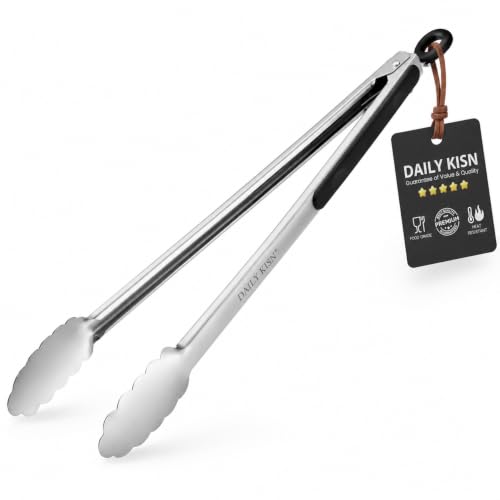
DAILY KISN 17-Inch Stainless Steel Grill Tongs
Best for: Holding oiled towels and food
Extra-long stainless tongs to keep hands away from heat.
- Long reach
- Stainless
- Single pair

OXO Outdoor Grilling Basting Brush
Best for: Applying thin coats of oil safely
A high-heat silicone basting brush for oiling grates and basting.
- Heat-resistant silicone
- Easy to clean
- Silicone holds less oil than natural bristles

Kaluns Universal Stainless Steel Smoker Box, Gas or Charcoal Grill Smoke Box, Wo
Best for: Adding smoky flavor
A stainless smoker box for wood chips on a gas grill.
- Adds smoke flavor
- Reusable
- Needs a lit burner beneath

Weber Spirit E-325 3-Burner Gas Grill
Best for: Families wanting a reliable 3-burner
Three burners with a Sear Zone powered by Boost Burners and a 10-year limited warranty, per Weber.
- Strong searing
- Long warranty
- Easy parts
- No side burner on this model
Upgrading your grill? See our best 3-burner gas grill picks.
Common Mistakes
Common mistakes include cooking only over high direct heat, skipping the thermometer, saucing too early, constantly flipping, grilling uneven breasts, using the same plate for raw and cooked chicken and cutting into chicken immediately without resting.
Final Thoughts on How to Cook Chicken on a Gas Grill
Use two-zone heat, sear then finish indirectly, close the lid and cook to 165°F with a thermometer. Rest before serving and save sauces for the end. A 3-burner grill makes this easy; see our best 3-burner gas grill picks.
More Questions People Ask
How long do you grill chicken on each side?
Boneless breasts often need about 5 to 8 minutes per side over medium-high heat, depending on thickness. Always check for 165°F.
What temperature should a gas grill be for chicken?
Medium to medium-high, roughly 350 to 450°F, with a cooler indirect zone for finishing thicker pieces.
Should I oil chicken before grilling?
A light coat of oil helps seasoning stick and reduces sticking. Oil the grates too.
Why is my grilled chicken rubbery?
Overcooking lean breasts or cooking unevenly thick pieces can cause rubbery texture. Pound to even thickness and use a thermometer.
Frequently Asked Questions
What temperature should chicken be cooked to?
The USDA recommends cooking all poultry to an internal temperature of 165°F, measured with a food thermometer in the thickest part without touching bone.
How long does it take to grill chicken breasts?
Boneless breasts of even thickness often take roughly 12 to 18 minutes over medium-high heat, turning once or twice. Always cook to temperature rather than time.
Should I grill chicken with the lid open or closed?
Mostly closed. Closing the lid creates oven-like heat that cooks chicken evenly. Open it briefly to flip and check temperature.
How do I keep grilled chicken from drying out?
Use even thickness, brine or marinate, use two-zone heat, avoid overcooking with a thermometer and rest the chicken a few minutes before slicing.
How do I stop chicken sticking to the grill?
Preheat thoroughly, clean and oil the grates and let the chicken release naturally before flipping.