
You might have heard that composting meat and dairy is a big no-no. But what if you want to reduce waste and still include these scraps safely?
Composting meat and dairy can be tricky because they attract pests and cause bad odors if not handled right. The good news is, with the right tips and techniques, you can turn these challenging leftovers into valuable compost without risking your garden or health.
You’ll discover simple, practical ways to compost meat and dairy safely—so you can cut down on waste and nourish your soil like a pro. Keep reading to learn how to protect your compost pile and enjoy a cleaner, greener garden!
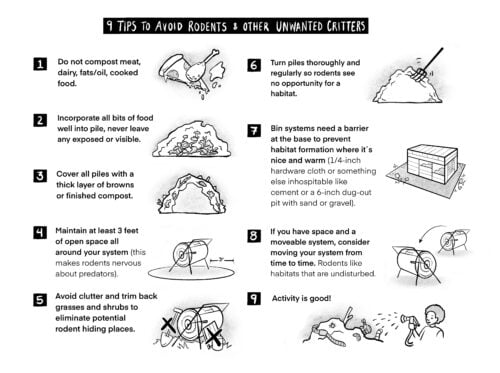
Credit: ilsr.org
Why Meat And Dairy Are Risky
Meat and dairy products are tricky to compost safely. They can cause problems that harm your compost pile and garden. Understanding why these materials are risky helps you manage them better. Avoiding common issues keeps your compost healthy and effective.
Bacteria And Pathogens
Meat and dairy often carry harmful bacteria. These include Salmonella and E. coli. These germs can survive in compost if not hot enough. They can spread diseases to plants and people. Compost piles with meat or dairy need careful temperature control.
Odor And Pest Attraction
Rotting meat and dairy produce strong, unpleasant smells. These odors attract pests like rats, flies, and raccoons. Pests can spread disease and damage your compost. They also make your compost area messy and unsafe. Proper composting methods reduce these risks.
Effects On Compost Quality
Meat and dairy break down slowly compared to plants. This slows the composting process and creates uneven decomposition. The final compost may have a bad smell and poor texture. It may also contain harmful pathogens if not composted well. Keeping these materials out improves compost quality.

Credit: earthlycomforts.uk
Safe Composting Methods
Composting meat and dairy at home can be tricky. These items often attract pests and cause odors. Many people seek safe alternatives to manage these waste types. Several options exist beyond traditional composting to handle meat and dairy scraps effectively.
Municipal Organic Waste Programs
Many cities offer organic waste collection. These programs accept meat and dairy safely. The waste is processed in industrial composting facilities. High temperatures destroy harmful bacteria and pests. This method reduces landfill waste and produces useful compost. Check local guidelines to participate in these programs.
Animal Feed Options
Some farms accept meat and dairy scraps as animal feed. This option recycles nutrients in a safe way. It is important to confirm that the feed source accepts these materials. Avoid feeding scraps directly to pets without proper processing. Using scraps as feed supports sustainable farming practices.
Disposal Best Practices
Proper disposal prevents environmental harm and odors. Wrap meat and dairy scraps in biodegradable bags. Place them in sealed containers before trash disposal. Avoid putting these items in home compost bins. Regularly clean trash bins to reduce pests. Follow local waste disposal rules for best results.

Credit: powerknot.com
Frequently Asked Questions
Why Can’t You Compost Meat And Dairy?
Meat and dairy attract pests and rodents, produce foul odors, and risk harmful bacteria spreading in compost. They also slow decomposition.
What Three Items Should Not Be Placed In A Compost Pile?
Avoid placing meat and dairy, diseased plants, and plastics in compost piles. These items attract pests, spread pathogens, and do not decompose properly.
How To Safely Compost Meat?
Safely compost meat by using a hot compost system above 140°F to kill pathogens. Bury meat deep to reduce odors and pests. Avoid adding large quantities at once. Turn the pile regularly for even decomposition. Use a sealed compost bin to prevent animals access.
What Are The Three R’s Of Composting?
The three R’s of composting are Reduce, Reuse, and Recycle. They help minimize waste and enrich soil naturally.
Conclusion
Composting meat and dairy can be safe with the right steps. Keep your compost pile hot to kill bacteria. Use a closed bin to avoid pests and smells. Chop scraps into small pieces to speed up decomposition. Turn the compost regularly to add oxygen.
Avoid adding too much meat or dairy at once. Following these tips keeps your compost healthy and your garden safe. Start small, learn as you go, and enjoy richer soil. Safe composting helps reduce waste and supports a greener planet.