
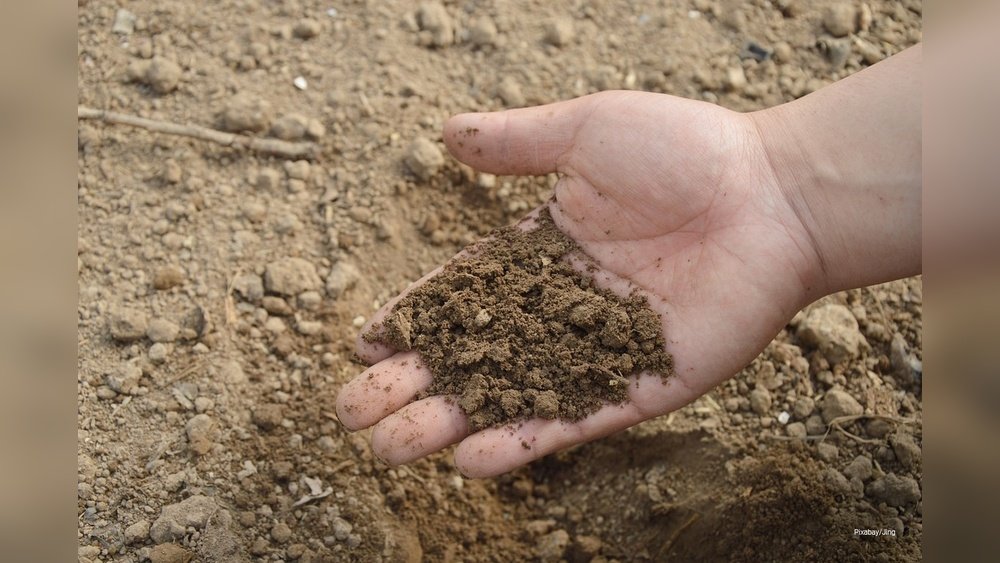
If you have sandy soil, you might wonder whether aerating your lawn is really necessary—and if so, which aerator will work best. Choosing right aerator“>the right aerator can make all the difference in keeping your grass healthy and vibrant.
Too much or the wrong kind of aeration can actually harm your soil’s natural balance, while the right tool helps water, nutrients, and air reach your roots more effectively. In this guide, you’ll learn how to pick the perfect aerator for sandy soil, so you can get the most out of your lawn care efforts without wasting time or money.
Keep reading to discover the simple tips that will transform your approach to aeration and help your lawn thrive.
Credit: plantin.alibaba.com
Types Of Aerators
Choosing the right aerator depends on the type of soil and lawn needs. Sandy soil is loose and drains quickly. This means aeration needs differ from heavy clay soil. Understanding the types of aerators helps you pick the best tool. Each type works differently and suits various soil conditions.
Core Aerators
Core aerators pull out small plugs of soil from the ground. This creates space for air, water, and nutrients to reach roots. They are very effective for compacted soil but may be more than needed for sandy soil. Core aerators improve lawn health by reducing soil compaction over time.
Spike Aerators
Spike aerators use solid spikes to poke holes in the soil. They do not remove soil but create channels for air and water. Spike aerators work well on sandy or loose soil. They are easier to use and usually less expensive than core aerators.
Manual Vs. Powered Aerators
Manual aerators require physical effort and are good for small areas. They are affordable and easy to store. Powered aerators are motor-driven and cover large lawns quickly. They offer deeper and more consistent aeration but cost more. Choose based on lawn size and budget.
Credit: plantin.alibaba.com
Sandy Soil Characteristics
Sandy soil has unique traits that affect lawn care and aeration choices. Its texture and structure influence water flow, nutrient levels, and soil firmness. Understanding these features helps pick the best aerator for healthy grass growth.
This section explains key sandy soil characteristics and their impact on aeration methods.
Drainage And Water Retention
Sandy soil drains water quickly due to large particles and loose structure. Water passes through fast, so soil dries out sooner than other types. This rapid drainage reduces standing water but can lead to drought stress.
Because of fast drainage, aerators that improve water retention without causing excess moisture work best.
Nutrient Levels And Fertilization
Sandy soil holds fewer nutrients than clay or loam soils. Nutrients wash away quickly with water movement. Plants may need frequent fertilization to stay healthy.
Aerators that help mix nutrients deeper into the soil improve nutrient availability. This supports stronger root growth and greener lawns.
Soil Compaction Tendencies
Sandy soil resists compaction better than clay soils due to larger particle size. It stays loose and crumbly under pressure. Compaction is less common but can still occur in high-traffic areas.
Light aeration tools like spike aerators work well to maintain good soil structure without damaging the sandy soil.
Choosing Aerators For Sandy Soil
Choosing the right aerator for sandy soil is crucial for maintaining a healthy lawn. Sandy soil drains water quickly and does not retain nutrients well. This soil type generally needs less aggressive aeration compared to clay soils. Selecting the proper aerator helps improve water absorption and promotes grass growth effectively.
Suitability Of Spike Aerators
Spike aerators use solid spikes to poke holes in the soil. They work well on sandy or loose soils because they create simple channels. These aerators are less disruptive and can help water reach roots faster. Spike aerators are easy to use and good for light aeration needs.
When To Use Core Aerators
Core aerators remove small plugs of soil from the lawn. They are best for compacted soils but can benefit sandy soil in some cases. Use core aerators if your sandy soil has become hard or if grass growth is poor. They improve air and nutrient flow more deeply than spike aerators.
Frequency Of Aeration
Sandy soil usually needs less frequent aeration than heavier soils. Aerate once a year or every two years to keep the lawn healthy. Over-aerating sandy soil may cause it to dry out faster. Check the soil condition and grass health before deciding on aeration timing.
Aeration Benefits For Sandy Lawns
Sandy lawns have unique needs. Their loose texture lets water drain fast. This can cause nutrients to wash away quickly. Aeration helps sandy soil hold water and nutrients better. It creates space for air and roots to grow. These benefits improve lawn health and appearance. Regular aeration can make sandy lawns stronger and more vibrant.
Improving Water Absorption
Sandy soil drains water very quickly. Aeration creates small holes that hold water longer. This gives grass roots more time to absorb moisture. It reduces water runoff and waste. Better water absorption means less frequent watering is needed. Your lawn stays greener even in dry weather.
Enhancing Root Growth
Aeration loosens compacted sandy soil. It allows roots to spread deeper and wider. Strong roots help grass resist drought and stress. They also take in more nutrients from the soil. Healthy root systems lead to thicker and greener grass. This makes your lawn more durable over time.
Reducing Soil Erosion
Sandy soil is prone to erosion from wind and rain. Aeration helps bind soil particles together. The holes created improve soil structure and stability. This reduces the chance of soil washing or blowing away. A stable soil base protects your lawn and nearby plants.
Budget And Maintenance Considerations
Choosing the right aerator for sandy soil means thinking about budget and maintenance. These factors impact your overall satisfaction and the tool’s performance. Understanding cost, ease of use, and durability helps you make a smart choice. Keep your lawn healthy without overspending or dealing with difficult upkeep.
Cost Comparison
Manual spike aerators usually cost less than core aerators. They are simple tools with fewer parts. Gas-powered aerators have higher prices but cover large areas faster. Rental options exist for expensive models, reducing upfront costs. Think about how often you will aerate before deciding.
Ease Of Use
Manual aerators require physical effort, which may tire you quickly. Spike aerators are lighter and easier to handle on sandy soil. Core aerators dig plugs out, needing more strength and skill. Gas or electric aerators work with minimal effort but need some learning. Choose a tool that suits your strength and experience.
Tool Durability
Durability depends on materials and build quality. Steel spikes and tines last longer in sandy soil than plastic parts. Manual aerators have fewer mechanical parts, so less can break. Gas-powered aerators need regular maintenance to stay reliable. Check warranty and reviews to find a sturdy aerator that lasts.
Post-aeration Lawn Care
Post-aeration lawn care is crucial for sandy soil health. After aeration, your lawn needs special attention to recover and grow strong. Sandy soil drains fast and loses nutrients quickly. Proper care helps the grass absorb water and nutrients better. Follow these simple steps to keep your lawn green and healthy.
Watering Techniques
Water your lawn deeply but less often. This encourages roots to grow deeper. Avoid light, frequent watering that only wets the surface. Water early in the morning to reduce evaporation. Sandy soil dries quickly, so monitor moisture regularly. Keep the soil moist but not soaked.
Fertilizing Tips
Use a slow-release fertilizer to provide steady nutrients. Sandy soil washes away nutrients fast, so apply fertilizer more often. Spread fertilizer evenly over the lawn. Avoid over-fertilizing, which can harm the grass. Follow the instructions on the fertilizer package for best results.
Overseeding Options
Choose grass seeds suited for sandy soil. Overseed after aeration to fill bare spots. Spread seeds evenly over the lawn surface. Lightly rake seeds into the soil for better contact. Water the area gently to help seeds germinate. Overseeding improves lawn density and health.

Credit: yarafert.com
Frequently Asked Questions
What Type Of Aerator Is Best For Sandy Soil?
Spike aerators work best for sandy soil as they penetrate easily without causing damage. They improve aeration in loose, well-drained sandy soils effectively. Core aerators are less necessary since sandy soil drains well and rarely compacts. Use spike aeration occasionally for optimal lawn health on sandy soil.
Does Sandy Soil Have Good Aeration?
Yes, sandy soil has good aeration due to its loose texture. It drains water quickly and allows air to reach roots easily.
Should You Spread Sand After Aerating A Lawn?
Spreading sand after aerating is optional. It helps fill holes and improve soil texture but isn’t always necessary. Use sand only if your soil lacks drainage or has thin patches.
Is A Spike Or Core Aerator Better?
Core aerators work better by removing soil plugs, improving root growth and lasting longer. Spike aerators suit sandy, loose soil but need frequent use. Choose core aeration for compacted lawns and spike aeration for well-drained sandy soil.
Conclusion
Choosing the right aerator for sandy soil helps your lawn stay healthy. Sandy soil drains fast and needs gentle aeration. Spike aerators work well for loose, sandy soil. Core aerators suit compacted soils better but may be too harsh here.
Consider the size of your lawn and how often you aerate. Regular aeration improves water and nutrient absorption. Keep your grass green and strong by picking the right tool. Simple care makes a big difference in lawn health.