
Soil erosion can damage your garden. It washes away the topsoil. This topsoil is rich in nutrients. Plants need these nutrients to grow well. Managing soil erosion is important for a healthy garden.
Why Soil Erosion Happens
Soil erosion occurs due to water, wind, and human activities. Let’s look at these causes in detail.
- Water: Heavy rain can wash soil away.
- Wind: Strong winds can blow soil particles.
- Human Activities: Construction and farming can disturb the soil.
Signs of Soil Erosion
Look for these signs to identify soil erosion in your garden:
- Exposed roots
- Gullies and channels in the soil
- Soil splashes on plants
- Reduced plant growth
Credit: soilerosion.com
Best Ways to Manage Garden Soil Erosion
Here are some effective methods to manage soil erosion in your garden:
1. Plant Ground Cover
Ground cover plants protect the soil. They reduce the impact of raindrops on the soil. These plants also help to hold the soil together with their roots.
| Ground Cover Plants | Benefits |
|---|---|
| Vinca Minor | Fast-growing, evergreen |
| Thyme | Aromatic, drought-tolerant |
| Creeping Jenny | Low maintenance, bright foliage |
2. Build Terraces
Terracing is effective on slopes. It slows down water flow. This gives water time to soak into the soil. Terraces are like steps cut into the slope.
3. Use Mulch
Mulch covers the soil. It protects it from rain and wind. Mulch also adds organic matter to the soil as it breaks down.
- Types of Mulch:
- Wood chips
- Straw
- Grass clippings
4. Plant Trees And Shrubs
Trees and shrubs have strong roots. These roots hold the soil together. Planting trees and shrubs can help stabilize the soil.
5. Create Windbreaks
Windbreaks protect soil from wind erosion. Plant rows of trees or shrubs to act as windbreaks.
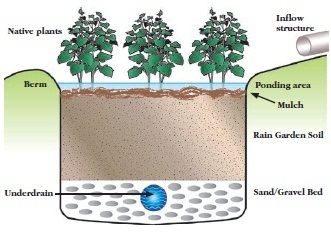
6. Install Rain Gardens
Rain gardens collect and absorb rainwater. They reduce runoff and prevent soil erosion. Plant native plants in your rain garden for the best results.
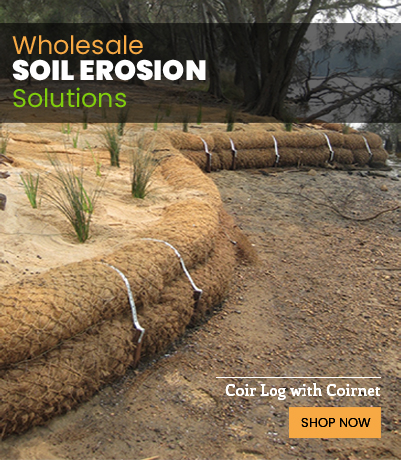
7. Use Erosion Control Mats
Erosion control mats are made of organic or synthetic materials. They cover the soil and protect it from erosion. These mats are especially useful on slopes.
8. Build Retaining Walls
Retaining walls hold back soil on slopes. They prevent soil from washing away. Use stones, bricks, or wood to build retaining walls.
Frequently Asked Questions
What Causes Garden Soil Erosion?
Heavy rain, wind, and improper landscaping can cause garden soil erosion.
How To Prevent Soil Erosion Naturally?
Plant ground cover, use mulch, and build terraces to prevent soil erosion naturally.
What Plants Help Reduce Soil Erosion?
Ground covers like clover, creeping thyme, and grasses help reduce soil erosion effectively.
Can Mulch Stop Soil Erosion?
Yes, mulch helps retain moisture and prevents soil erosion by protecting the soil surface.
Conclusion
Managing garden soil erosion is vital for plant health. Use the methods mentioned above to protect your garden soil. Plant ground cover, build terraces, and use mulch. Plant trees and shrubs, create windbreaks, and install rain gardens. Use erosion control mats and build retaining walls. These steps will keep your garden soil in place. Your garden will thrive and stay beautiful.
Credit: www.fairfaxcounty.gov
Frequently Asked Questions
What Is Soil Erosion?
Soil erosion is the process where soil is worn away by natural forces like water and wind.
Why Is It Important To Manage Soil Erosion?
Managing soil erosion is important because it keeps the nutrient-rich topsoil in place, which is essential for plant growth.
Can Mulch Help In Preventing Soil Erosion?
Yes, mulch helps in preventing soil erosion by covering the soil and protecting it from rain and wind.
What Are Some Good Ground Cover Plants?
Some good ground cover plants include Vinca Minor, Thyme, and Creeping Jenny.
How Do Retaining Walls Help In Preventing Soil Erosion?
Retaining walls help by holding back soil on slopes, preventing it from washing away.
What Are Windbreaks?
Windbreaks are rows of trees or shrubs planted to protect soil from wind erosion.
What Is A Rain Garden?
A rain garden is a garden designed to collect and absorb rainwater, reducing runoff and preventing soil erosion.