
Last updated: October 2026 · Written by the LawnVibe editorial team.
When your lawn reaches an acre or more, a walk-behind mower turns mowing into an all-afternoon job. The best riding lawn mower cuts that time dramatically, letting you sit while a wide deck covers ground in a fraction of the passes. Today's choices include traditional lawn tractors, fast zero-turn riders and quiet battery-powered models that need almost no engine maintenance.
This guide compares eight riding mowers available online, explains the difference between lawn tractors and zero-turns, and covers deck size, power, slope safety and maintenance. One honest note before we begin: online marketplaces carry a limited selection of riding mowers, and many gas lawn tractors are sold mainly through dealers and home improvement stores. Our picks focus on models you can actually order online, and our riding mower buying guide helps you compare any rider you find in store.
| # | Product | Best for | Link |
|---|---|---|---|
| 1 | EGO POWER+ TR4204 42 inch Electric Lawn Tractor | Quiet mowing with steering-wheel control | Check price |
| 2 | EGO POWER+ ZT4205S 42 inch Electric Zero-Turn Rider | Larger lawns with obstacles | Check price |
| 3 | EGO POWER+ ZT4204L 42 inch Electric Zero-Turn Rider | EGO fans with mid-size lawns | Check price |
| 4 | Husqvarna Z254F 54 inch 23 HP Kawasaki Zero-Turn | Two acres and more | Check price |
| 5 | Husqvarna Z246 46 inch 22 HP Zero-Turn Mower | One to three acres | Check price |
| 6 | Ariens IKON Onyx 52 inch 23 HP Kawasaki Zero-Turn | Owners who want a heavy-duty rider | Check price |
| 7 | Ariens Edge 52 inch 21.5 HP Kawasaki Zero-Turn | Large lawns on a tighter budget | Check price |
| 8 | PRORUN 60V Zero-Turn Riding Mower | Trying electric riding on a budget | Check price |
How We Chose the Best Riding Lawn Mower
We did not run hands-on tests. We compared these riders on published specifications and features: power source, engine horsepower or battery capacity, deck width, steering type, transmission, seat comfort, cutting height range and included accessories. We also considered brand dealer and service networks, because a riding mower is a long-term investment that will eventually need parts and service.
Specifications, kits and availability change, so confirm current details on the listing before you buy.

EGO POWER+ TR4204 42 inch Electric Lawn Tractor
Best for: Quiet mowing with steering-wheel control
A battery-powered lawn tractor with a 42 inch deck and conventional steering wheel, combining familiar tractor-style driving with EGO’s 56V battery platform.
- Familiar steering-wheel control
- Quiet, no gas or oil
- 42 inch deck for one to two acres
- Premium price
- Coverage depends on battery capacity

EGO POWER+ ZT4205S 42 inch Electric Zero-Turn Rider
Best for: Larger lawns with obstacles
A 42 inch electric zero-turn rider that includes four 56V 12.0Ah batteries and a charger, giving more battery capacity than the ZT4204L.
- Four 12.0Ah batteries included
- Zero-turn manoeuvrability
- No engine maintenance
- High upfront cost
- Lap-bar steering takes practice

EGO POWER+ ZT4204L 42 inch Electric Zero-Turn Rider
Best for: EGO fans with mid-size lawns
A 42 inch electric zero-turn rider sold with four 56V 10.0Ah batteries and a charger, a slightly lower-capacity sibling of the ZT4205S.
- Four 10.0Ah batteries included
- Quiet operation
- Batteries fit other EGO tools
- Less capacity than ZT4205S
- Not for steep slopes
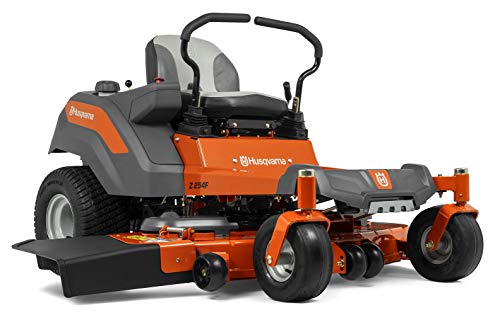
Husqvarna Z254F 54 inch 23 HP Kawasaki Zero-Turn
Best for: Two acres and more
A 54 inch zero-turn rider with a 23 HP Kawasaki engine and hydrostatic drive, built for owners of large properties who want to mow quickly.
- Wide 54 inch deck
- Kawasaki engine
- Hydrostatic drive
- Needs plenty of storage space
- Gas maintenance required

Husqvarna Z246 46 inch 22 HP Zero-Turn Mower
Best for: One to three acres
A 46 inch zero-turn mower with a 22 HP Briggs & Stratton engine, a mid-size option for properties that do not need a 54 inch deck.
- 46 inch deck fits more gates
- Briggs & Stratton engine
- Zero-turn speed
- Gas maintenance required
- Use caution on slopes

Ariens IKON Onyx 52 inch 23 HP Kawasaki Zero-Turn
Best for: Owners who want a heavy-duty rider
A 52 inch zero-turn mower with a 23 HP Kawasaki engine from Ariens’ IKON line, aimed at buyers who want a sturdier, higher-spec residential rider.
- Kawasaki engine
- 52 inch deck
- Premium residential build
- High price
- Large footprint

Ariens Edge 52 inch 21.5 HP Kawasaki Zero-Turn
Best for: Large lawns on a tighter budget
A 52 inch zero-turn with a 21.5 HP Kawasaki engine, Ariens’ more affordable entry into wide-deck zero-turn mowing.
- Wide 52 inch deck
- Kawasaki engine
- Lower cost than IKON
- Gas maintenance required
- Not for steep slopes
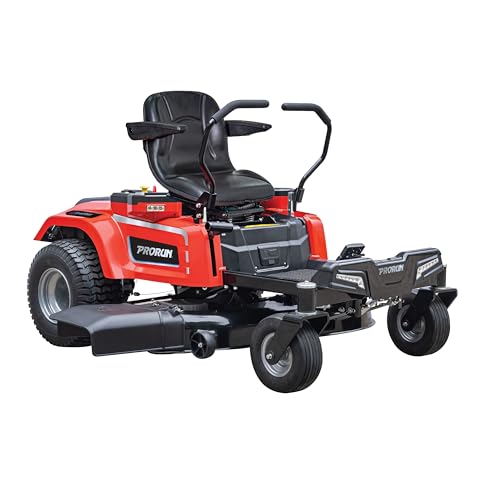
PRORUN 60V Zero-Turn Riding Mower
Best for: Trying electric riding on a budget
A 60V battery-powered zero-turn rider from a newer brand, offering electric riding at a lower entry point than the big names.
- Battery powered
- Zero-turn steering
- Lower entry cost
- Less established brand
- Smaller service network
Types of Riding Lawn Mowers
Lawn tractors
Lawn tractors have the engine or battery in front and steer with a steering wheel, just like a car. They are comfortable, intuitive for beginners and handle gentle slopes well. Many can tow carts, spreaders and aerators, which makes them versatile for property owners who do more than mow. Our dedicated guide to the best lawn tractor goes deeper on this category.
Zero-turn mowers
Zero-turn mowers steer with two lap bars that control each rear wheel independently. They can pivot on the spot, which makes them very fast around trees, beds and other obstacles. They usually mow faster than lawn tractors but are less suited to slopes and take a little practice to drive smoothly. For more models, see our guide to the best zero-turn lawn mower.
Electric riding mowers
Electric riders use large lithium-ion battery packs instead of a gas engine. They are quiet, start instantly and avoid oil changes, spark plugs and fuel. Both lawn tractor and zero-turn styles are available. Our guide to the best electric riding mower covers more battery options.
Rear-engine riders
Rear-engine riders are compact, simple riding mowers with smaller decks. They suit lawns that are too big to walk but too small or tight for a full lawn tractor. They are less common online than other types.
Lawn Tractor vs Zero-Turn
| Factor | Lawn tractor | Zero-turn |
|---|---|---|
| Steering | Steering wheel | Lap bars |
| Learning curve | Very easy | Moderate |
| Speed | Moderate | Fast |
| Obstacles | Wider turns | Turns on the spot |
| Slopes | Better on gentle slopes | Use caution on slopes |
| Towing | Often strong | Limited on many models |
| Price | Generally lower | Generally higher |
For a deeper look at this decision, read riding mower vs zero-turn.
Riding Lawn Mower Buying Guide
Lawn size and deck width
As a general guide, a 42 inch deck suits around one to two acres, while 46 to 54 inch decks suit larger properties. Wider decks mean fewer passes, but measure gates, paths and storage before choosing the biggest option.
Gas engine or battery power
Gas riders offer long runtime and quick refuelling, which suits very large or rough properties. Electric riders are quiet, low maintenance and produce no exhaust while mowing. Battery capacity determines how much lawn they can cover per charge, so match it to your property size.
Transmission (gas tractors)
Hydrostatic transmissions let you change speed smoothly with a pedal, without shifting gears. Manual or automatic belt-drive transmissions are simpler and often cheaper. Hydrostatic drive is generally the most comfortable choice for regular mowing.
Comfort and controls
Look for an adjustable high-back seat, comfortable steering or lap bars, easy deck height adjustment and a clear dashboard. If you mow for an hour or more at a time, comfort matters as much as power.
Attachments
If you plan to haul mulch, spread fertilizer or aerate, check towing capacity and attachment compatibility. Lawn tractors usually lead here.
Dealer and service support
Riding mowers need occasional service. A brand with a good dealer or service network makes it easier to get belts, blades and repairs. This is one reason many buyers stick with established brands.
Best Riding Lawn Mower by Property Type
One to two acres, mostly open
A 42 inch lawn tractor or compact zero-turn is usually the sweet spot. It is wide enough to save real time but small enough to fit through most gates and into a standard garage. If you value quiet mornings and low maintenance, an electric 42 inch rider is an excellent fit at this size, provided the battery capacity matches your lawn.
Two acres and more
Wider 46 to 54 inch decks and strong gas engines or large battery packs start to pay off here. Zero-turn mowers are particularly efficient on large open areas with scattered trees, because they can mow tight around obstacles without extra trimming passes. Plan for fuel storage or charging time, and think about where the mower will live, since larger riders need more storage space.
Lawns with lots of trees and beds
Zero-turn steering shines on properties with many obstacles. Being able to pivot around a tree trunk saves time and reduces the amount of string trimming left to do afterwards. Take time to learn the lap-bar controls in an open area first.
Sloped properties
Gentle slopes are better suited to lawn tractors with steering wheels, which keep more control at the front. Always check the manufacturer's maximum slope rating, and use a walk-behind or string trimmer on banks that are too steep. Our guide to the best riding lawn mower for hills explains what to look for.
Smaller lawns that still feel too big to walk
If your lawn is around half an acre and you would rather ride, a compact rider is worth considering. See our guide to the best small riding mower for compact options.
How Long Does a Riding Mower Last?
A well-maintained riding mower can serve for many seasons. Gas engines last longest when the oil is changed on schedule, the air filter is kept clean and the mower is stored dry. Electric riders avoid engine wear entirely, but their battery packs gradually lose capacity with age and charge cycles. Whichever type you choose, storing the mower under cover, keeping the deck clean and replacing worn belts and blades promptly will help it run smoothly for years.
Riding Mower Safety
Riding mowers are heavy machines, and slopes are the biggest risk. Follow the manufacturer's maximum slope rating and avoid wet, steep or uneven slopes entirely. With most riding mowers, drive up and down slopes rather than across them. Never carry passengers, keep children and pets indoors while mowing, and never mow in reverse unless absolutely necessary and only after looking behind you.
Riding mowers include safety interlock switches that stop the blades or engine if you leave the seat. These protect you and should never be bypassed or disabled. The U.S. Consumer Product Safety Commission offers more guidance on how to avoid mower mishaps, and our guide on how to use a riding lawn mower covers safe driving technique.
Riding Mower Maintenance
Regular care keeps a riding mower reliable and safe:
- Change the engine oil on gas models as the manual recommends. Our guide on how to change oil on a riding mower walks through it.
- Check tire pressure for an even cut. Uneven pressure makes the deck sit crooked.
- Sharpen or replace blades at least once a season.
- Level the deck if one side cuts lower than the other.
- Inspect belts for cracks or glazing and replace them when worn.
- Clean under the deck to prevent clippings building up and causing rust.
- Care for batteries on electric models according to the maker's charging and storage guidance.
Also learn how to adjust the cutting height on a riding mower for seasonal changes.
Where to Buy a Riding Mower
Because riding mowers are large and heavy, delivery and setup matter. When ordering online, check whether the mower arrives fully assembled, whether delivery includes unloading, and how warranty service works in your area. Buying from a brand with local dealers can make future repairs easier. If you prefer to see a mower in person, use the features in this guide as a checklist when comparing models in a store.
How to Get the Best Cut From a Riding Mower
- Mow at a steady, moderate speed. Going too fast can leave uneven strips and clumps.
- Keep the blades sharp. Dull blades tear grass and stress the engine or battery.
- Overlap passes slightly. A small overlap prevents uncut lines.
- Raise the deck in hot weather. Taller grass shades the soil and holds moisture.
- Mulch leaves in autumn. Many riders can mulch dry leaves back into the lawn.
Final Verdict: Which Riding Lawn Mower Should You Buy?
The best riding lawn mower depends on your lawn size, terrain, obstacles and whether you want gas or battery power.
- Best electric lawn tractor: the EGO POWER+ TR4204 42 inch, for quiet mowing with familiar steering-wheel control.
- Best electric zero-turn: the EGO POWER+ ZT4205S with four 12.0Ah batteries, or the ZT4204L with 10.0Ah batteries.
- Best gas zero-turn for big properties: the Husqvarna Z254F 54 inch with a Kawasaki engine.
- Best mid-size gas zero-turn: the Husqvarna Z246 46 inch.
- Best premium zero-turns: the Ariens IKON Onyx 52 inch and Ariens Edge 52 inch.
- Best value battery zero-turn: the PRORUN 60V zero-turn rider.
Choose the steering style that suits your yard, size the deck to your property, and a riding mower will give you back hours every week of the mowing season.
Frequently Asked Questions
What size lawn needs a riding mower?
Riding mowers start to make sense at around half an acre to one acre, depending on terrain and how long you are willing to walk. For two acres or more, a riding mower or zero-turn saves a lot of time.
Is a lawn tractor or zero-turn better?
Lawn tractors steer like a car, handle gentle slopes well and can tow attachments. Zero-turn mowers turn on the spot and mow faster around obstacles, but they are less suited to slopes and usually cost more.
Are electric riding mowers any good?
Modern electric riding mowers with large battery packs can mow sizable lawns on a charge, run quietly and need far less maintenance than gas riders. Runtime and coverage depend on battery capacity, so check the maker's estimates for your lawn size.
What deck size should I choose?
Around 42 inches suits roughly one to two acres. Decks of 46 to 54 inches suit larger properties. Make sure the deck fits through your gates and storage space.
Can a riding mower handle hills?
Many riding mowers handle moderate slopes, but always follow the manufacturer's maximum slope guidance. Drive up and down slopes rather than across with most riders, and avoid steep or wet slopes entirely.