
Last updated: October 2026 · Written by the LawnVibe editorial team.
Vacations, rainy weeks, a new home with a neglected yard or a back field that only gets mowed a few times a year: sooner or later, every mower meets grass that is far too tall. Ordinary mowers choke, stall and leave clumps. The best lawn mower for tall grass has power to spare, a deck that moves enough air to lift long blades and wheels that roll over the growth instead of sinking into it. Our top pick for overgrown lawns is the YARDMAX 22 inch 201cc high-wheel rear-wheel-drive mower. Below we compare eight options, from gas and cordless walk-behinds to flail mowers for fields and steep slopes, and explain how to tackle tall grass without wrecking your mower or your lawn.
Listings change often, so check current details on Amazon before you buy. As an Amazon Associate we earn from qualifying purchases.
Our top picks at a glance
| # | Product | Best for | Link |
|---|---|---|---|
| 1 | YARDMAX 22 inch 201cc High-Wheel RWD Self-Propelled Mower | Overgrown suburban lawns | Check price |
| 2 | Makita XML08PT1 36V (18V X2) 21 inch Self-Propelled Mower Kit (4 Batteries) | Owners who want battery power with lots of runtime | Check price |
| 3 | EGO Power+ LM2102SP 21 inch Self-Propelled Mower (7.5Ah) | Tall spring growth on medium lawns | Check price |
| 4 | Yard Force 22 inch Self-Propelled Mower (Briggs 150cc) | Durable mowing of overgrown yards | Check price |
| 5 | YARDMAX 21 inch 170cc High-Wheel Push Mower | Budget buyers with occasional tall grass | Check price |
| 6 | Greenworks 60V 25 inch Self-Propelled Mower | Larger lawns with fast growth | Check price |
| 7 | Titan Attachments 72 inch 3-Point Flail Mower | Very tall grass, weeds and brush with a tractor | Check price |
| 8 | Remote-Control Flail Mower (459cc) | Overgrown slopes too risky to walk or ride | Check price |
Best lawn mower for tall grass: reviews
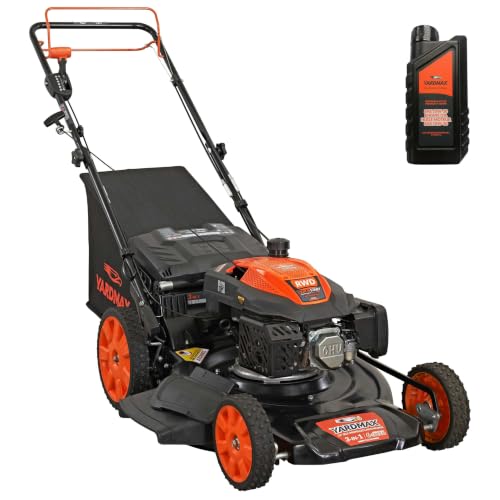
YARDMAX 22 inch 201cc High-Wheel RWD Self-Propelled Mower
Best for: Overgrown suburban lawns
A gas walk-behind with a large 201cc engine, high rear wheels and rear-wheel drive with a six-speed CVT, giving the torque and traction tall grass demands.
- Big 201cc engine
- High rear wheels roll over thick growth
- Rear-wheel drive traction
- Heavy
- Gas maintenance required

Makita XML08PT1 36V (18V X2) 21 inch Self-Propelled Mower Kit (4 Batteries)
Best for: Owners who want battery power with lots of runtime
A brushless 21 inch self-propelled cordless mower kit with four 5.0Ah batteries, giving the extended runtime tall grass drains.
- Four batteries included
- Brushless self-propelled
- Commercial-style build
- Higher kit cost
- Heavier than many cordless mowers

EGO Power+ LM2102SP 21 inch Self-Propelled Mower (7.5Ah)
Best for: Tall spring growth on medium lawns
A self-propelled EGO mower with a large 7.5Ah battery, giving power and runtime for long grass.
- Large battery
- Self-propelled
- Quiet
- Battery replacement cost
- Raise the deck in very tall grass

Yard Force 22 inch Self-Propelled Mower (Briggs 150cc)
Best for: Durable mowing of overgrown yards
A 22 inch steel-deck self-propelled gas mower with a Briggs and Stratton engine and 3-in-1 clippings options.
- Steel deck
- Briggs engine
- Side discharge for tall grass
- Smaller engine than 201cc
- Steel can rust if left wet
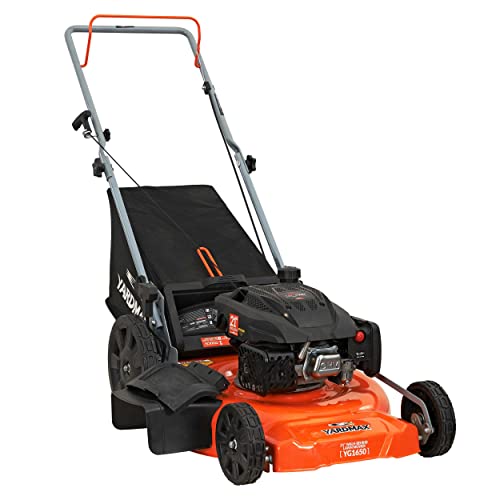
YARDMAX 21 inch 170cc High-Wheel Push Mower
Best for: Budget buyers with occasional tall grass
A 21 inch gas push mower with a 170cc engine and high rear wheels that make pushing through long grass easier.
- High rear wheels
- 170cc engine
- Affordable
- Push only
- Tiring on large overgrown areas

Greenworks 60V 25 inch Self-Propelled Mower
Best for: Larger lawns with fast growth
A 25 inch self-propelled cordless mower with two batteries for covering more ground in long grass.
- Wide deck
- Two batteries
- Self-propelled
- Wide deck needs more power in tall grass
- Bulky
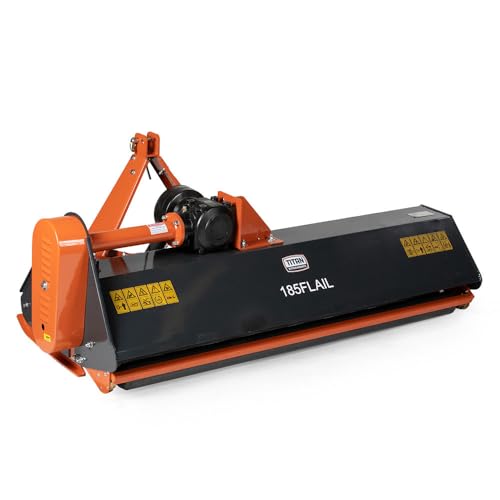
Titan Attachments 72 inch 3-Point Flail Mower
Best for: Very tall grass, weeds and brush with a tractor
A 72 inch rear-mounted flail mower for Category 1 tractors that tackles tall grass, fields and tough vegetation.
- Handles very tall growth
- Wide 72 inch cut
- Flail design mulches material
- Requires a compatible tractor
- Not for manicured lawns

Remote-Control Flail Mower (459cc)
Best for: Overgrown slopes too risky to walk or ride
A remote-controlled flail mower with a 459cc engine marketed for steep slopes and rough terrain.
- Operated from a safe distance
- Handles rough vegetation
- Built for slopes
- Specialist, high-cost machine
- Lesser-known brand
How we chose these mowers
We focused on power, traction and deck design: large-engine gas walk-behinds with high rear wheels, high-capacity cordless mowers with multiple or large batteries, a wide self-propelled mower and two flail mowers for fields and slopes. We compared engine size or battery capacity, drive type, wheel size, clipping options and suitability for lawns versus rough ground. We do not list prices because they change often.
What makes a mower good in tall grass
A few design features separate mowers that cope with long grass from those that stall.
- Power: large engines or high-voltage brushless motors keep blade speed up.
- Rear-wheel drive: better traction when the front lifts in thick growth.
- High rear wheels: roll over long grass and uneven ground more easily.
- Side discharge: clears heavy clippings without clogging.
- High cutting heights: let you take the first pass from the top.
- Sharp, high-lift blade: lifts and cuts long blades cleanly.
Lawn mowers vs field and flail mowers
It is worth being honest about where a lawn mower stops being the right tool.
Walk-behind lawn mowers are designed for lawns. They handle overgrown grass a few weeks past due but struggle with knee-high growth, weeds with woody stems and rough ground. Flail mowers use many small swinging blades on a horizontal shaft; they chop and mulch tall grass, weeds and light brush and are less likely to throw debris. Tractor-mounted flail mowers suit acreage, and remote-controlled models handle steep slopes. If your "lawn" is really a field, a flail or brush mower is the right tool.
How tall is too tall for a lawn mower?
Most walk-behind mowers cope with grass a few inches above their highest cutting setting, especially with side discharge and a slow pace. Once grass reaches knee height, or has gone to seed with tough stems, a lawn mower will struggle, clog and may stall. At that point, cut it down first with a string trimmer or brush cutter, or use a flail or field mower. Grass that has been left for a season can also hide holes and debris, so treat it as rough ground until you know what is underneath.
Why rear-wheel drive and high wheels help
These two features do more for tall-grass mowing than almost anything else.
When a mower pushes into tall grass, the front of the deck lifts and the front wheels lose grip. Rear-wheel drive keeps traction where the weight is, so the mower keeps moving forward without spinning. High rear wheels have a larger diameter that rolls over thick growth and bumps more easily, reducing the effort needed to push or guide the mower. Together they make tall grass far less tiring to mow than with a front-wheel-drive mower with small wheels.
Side discharge, mulching or bagging?
In tall grass, side discharge is almost always the best option, because it throws clippings out of the deck rather than forcing them through a mulching chamber or chute into a bag. Mulching works well on regular mows but clogs quickly in long grass. Bagging can work on moderately tall grass if the grass is dry, but bags fill quickly and heavy wet clippings can block the chute. After side-discharging tall grass, rake up heavy windrows of clippings so they do not smother the lawn.
Dealing with wet tall grass
Timing the job for dry conditions makes a huge difference.
Wet grass is heavier, clumps more and slips under the blade. If possible, wait for a dry spell before tackling tall grass. If you must mow wet grass, go slower, take even narrower passes, clean the deck frequently and expect a rougher finish. Avoid mowing very wet grass with corded electric mowers.
After the big cut
The work does not end when the tall grass is down. A good routine afterward prevents a repeat and helps the lawn recover quickly.
Once the lawn is back to a normal height, return to a regular mowing schedule. Mowing every five to seven days during the growing season keeps grass from getting out of hand again and lets you mulch instead of side discharging.
How to mow tall grass step by step
- Walk the area first and remove stones, branches, toys and hidden hazards.
- Knock down very tall grass with a string trimmer or brush cutter if it is taller than your mower can handle.
- Set the deck to the highest setting.
- Use side discharge rather than bagging or mulching.
- Mow slowly, taking narrower passes by overlapping half the deck width.
- Tilt the front slightly if the mower bogs, by pressing gently on the handle, then lower it back.
- Rake up heavy clippings so they do not smother the grass.
- Wait a few days, then mow again one notch lower.
- Repeat until you reach your normal height.
Our guide on how to mow overgrown grass has more detail, and for the trimming step, see how to trim overgrown grass with a trimmer.
Gas vs cordless for tall grass
Power source matters more in tall grass than in almost any other mowing situation.
Gas mowers with large engines remain the most reliable choice for seriously overgrown lawns, because they deliver steady power and unlimited runtime. Cordless mowers have closed the gap: high-voltage brushless mowers with large or multiple batteries handle tall grass well, but runtime falls sharply in heavy growth, so expect to swap batteries. If you only occasionally face tall grass and otherwise mow regularly, a strong cordless mower plus a spare battery may be enough. Read whether electric mowers can cut thick grass for more.
Protecting your mower
Tall grass is hard on mowers, so a little care during the job prevents expensive damage.
Tall grass hides rocks, roots, stumps and debris that can bend blades and damage crankshafts. Walk the area first and mark hazards. Clean the deck often during the job, because wet clumps reduce airflow and strain the engine or motor. Check the air filter on gas mowers, since tall dry grass throws up a lot of dust. After the job, sharpen or replace the blade, which takes a beating in heavy growth.
Protecting your lawn
The grass itself also needs care when it is finally cut back.
Cutting tall grass short in one go shocks the plants, exposes the soil to sun and invites weeds. Follow the one-third rule wherever possible, removing no more than a third of the blade length per mowing, and bring the height down over several sessions. Water deeply after mowing in hot weather. Overseed thin patches once the lawn recovers.
Safety
Overgrown areas hide hazards, so take extra precautions compared with routine mowing.
Wear sturdy boots, long trousers, safety glasses and hearing protection for gas mowers. Never clear a clog with the engine running or battery installed. Watch for slopes hidden by tall grass; mow across slopes with walk-behinds where the manual advises and never ride or mow near drop-offs you cannot see. With tractor-mounted flail mowers, keep bystanders well back and follow the attachment's safety guidance. The U.S. Consumer Product Safety Commission offers lawn mower safety advice.
Common mistakes
- Cutting tall grass down to normal height in one pass.
- Bagging or mulching long, wet grass.
- Skipping the walk-around for hidden hazards.
- Using a small push mower on knee-high growth.
- Forgetting to clean the deck during the job.
- Mowing tall wet grass when a dry day is a few hours away.
- Running a dull blade that tears instead of cuts.
- Ignoring the air filter, which clogs fast in dusty, dry tall grass.
- Leaving heavy clippings in windrows that smother the turf below.
Troubleshooting
- Engine stalls: raise the deck, slow down, take narrower passes and check the air filter.
- Cordless mower cuts out: overload protection is working; slow down, raise the deck and swap to a fresh battery.
- Deck keeps clogging: switch to side discharge, mow when dry and clean the underside often.
- Clumps of clippings left behind: mow in stages and rake up windrows.
- Ragged, brown tips afterward: sharpen the blade, which dulls quickly in heavy grass.
Mowing tall grass on slopes
Slopes hidden by tall grass are a hazard. Walk them first to check footing and hidden holes. With walk-behinds, many manuals advise mowing across slopes rather than up and down; with riding mowers, follow the opposite guidance and the maker's slope limits. For very steep, overgrown banks, a remote-controlled flail mower or a brush cutter keeps you at a safe distance.
Is a dedicated tall-grass mower worth it?
If you regularly face overgrown grass, such as at a rental property, a vacation home or a large lot mowed only occasionally, yes. A powerful high-wheel mower saves time and frustration, and a flail mower is invaluable for fields.
The bottom line
For overgrown lawns, the YARDMAX 22 inch 201cc high-wheel RWD mower is the best lawn mower for tall grass. Choose the Makita four-battery kit or the EGO 7.5Ah mower for strong cordless performance, the Yard Force steel-deck mower for durable gas mowing, the YARDMAX 170cc push for budget high-wheel mowing, the Greenworks 25 inch for larger lawns and the Titan or remote-control flail mowers for fields, brush and steep ground. Cut tall grass in stages, use side discharge, check for hidden hazards first and keep the blade sharp, then return to regular mowing so the lawn never gets that tall again.
Frequently Asked Questions
What type of mower is best for tall grass?
A powerful rear-wheel-drive walk-behind with high rear wheels handles overgrown lawns well. For fields and very tall growth, a flail mower or field mower is better.
Can I mow very tall grass in one pass?
It is better not to. Cut it down in stages with the deck at its highest setting, then lower it over several mowings.
Should I bag or side discharge tall grass?
Side discharge usually works best, because bagging and mulching tend to clog in long, heavy grass.
Are cordless mowers good for tall grass?
High-capacity, high-voltage cordless mowers can handle tall grass, but runtime drops quickly. Spare batteries help.
When should I use a trimmer first?
For grass taller than your mower can handle, knock it down with a string trimmer or brush cutter before mowing.