
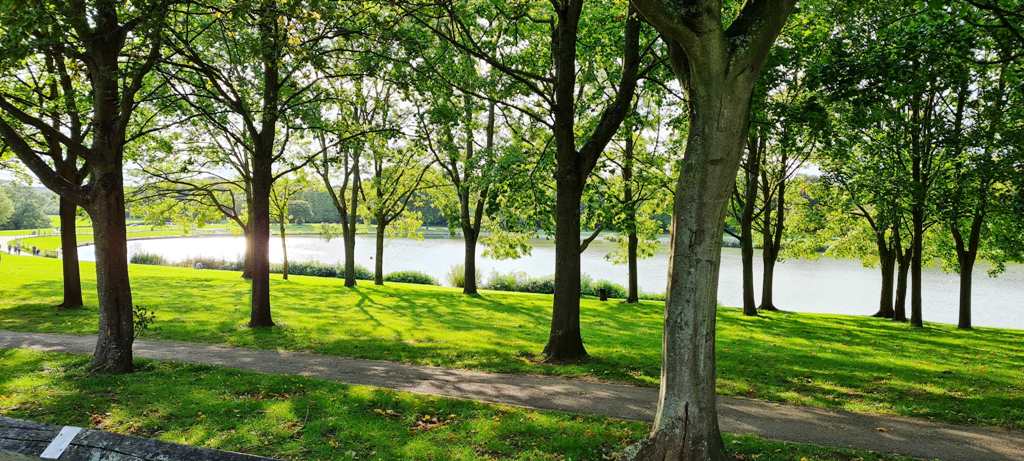
Do you have a yard with lots of shade? Grass needs sunlight to grow well. But some grass types can grow in shaded areas. In this article, we will explore the best grass types for shaded areas. These grasses can make your yard look green and healthy, even if it doesn’t get much sun.
Why Some Grass Types Do Not Grow in Shade
Most grasses need sunlight to grow. Sunlight helps them make food. When grass doesn’t get enough light, it can get weak. It may turn yellow or thin out. This is why it’s important to choose the right grass for shaded areas.
Credit: www.mainstreetlawncare.com
Top Grass Types for Shaded Areas
| Grass Type | Shade Tolerance | Climate |
|---|---|---|
| Fine Fescue | High | Cool |
| St. Augustine Grass | Moderate | Warm |
| Zoysia Grass | Moderate | Warm |
| Perennial Ryegrass | Moderate | Cool |
| Centipede Grass | Low to Moderate | Warm |
1. Fine Fescue
Fine Fescue is one of the best grasses for shade. It has a high tolerance for low light. This grass grows well in cool climates. There are different types of Fine Fescue. Some common ones include Creeping Red Fescue and Chewings Fescue. Fine Fescue has thin blades and a soft texture. It can also handle cold weather.
2. St. Augustine Grass
St. Augustine Grass is popular in warm climates. It has a moderate shade tolerance. This grass has thick, broad blades. It can handle heat and humidity well. St. Augustine Grass needs regular watering. It also needs well-drained soil. This grass can create a dense and lush lawn in shaded areas.
3. Zoysia Grass
Zoysia Grass is another good option for shaded areas. It grows well in warm climates. This grass has a moderate tolerance for shade. Zoysia Grass has fine blades and a soft feel. It is also drought-tolerant. This grass can handle foot traffic well. Zoysia Grass grows slowly but forms a thick lawn.
4. Perennial Ryegrass
Perennial Ryegrass is a cool-season grass. It has a moderate shade tolerance. This grass grows quickly and establishes fast. Perennial Ryegrass has a fine texture and dark green color. It can handle cool weather well. This grass is often used in seed mixes for shaded areas.
5. Centipede Grass
Centipede Grass is suitable for warm climates. It has a low to moderate shade tolerance. This grass has a slow growth rate. Centipede Grass has a coarse texture and light green color. It needs less mowing and fertilizing. This grass prefers acidic soil. It can create a low-maintenance lawn in shaded areas.
Tips for Growing Grass in Shaded Areas
- Choose the right grass type: Pick a grass that can grow in shade.
- Prune trees and shrubs: Let more light reach the grass.
- Water properly: Shaded grass needs less water but still needs it regularly.
- Fertilize carefully: Use a slow-release fertilizer to avoid burning the grass.
- Aerate the soil: Help the roots get air and nutrients.
- Overseed regularly: Fill in thin or bare spots with new seeds.
Credit: www.quora.com
Frequently Asked Questions
What Are The Best Grass Types For Shade?
Fine fescue and tall fescue are great for shaded areas.
How Much Shade Can Grass Tolerate?
Grass can typically tolerate 2-4 hours of sunlight daily.
Can Zoysia Grass Grow In Shade?
Zoysia grass can tolerate partial shade but prefers some sunlight.
Is Kentucky Bluegrass Good For Shade?
Kentucky Bluegrass struggles in heavy shade but does well in partial shade.
Conclusion
Growing grass in shaded areas can be challenging. But with the right grass type, you can have a green lawn. Fine Fescue, St. Augustine Grass, Zoysia Grass, Perennial Ryegrass, and Centipede Grass are great options. Follow the tips for growing grass in shade to keep your lawn healthy. Enjoy your beautiful, green lawn even in shaded areas!