
Last updated: October 2026 · Written by the LawnVibe editorial team.
A hoe is one of the oldest garden tools, but the stirrup hoe is a modern refinement built for one job: killing weeds quickly with as little effort as possible. Instead of a flat blade that you chop downward, a stirrup hoe has a thin, open loop of steel that you skim back and forth just under the soil surface. It slices weeds off at the root on both the push and the pull stroke, and it leaves the soil mostly undisturbed, so fewer buried weed seeds get pulled up to sprout. Finding the best stirrup hoe comes down to handle length, blade width, head material and how you garden.
Our picks are based on published product information, manufacturer specifications and established weed control practice, not on hands-on testing. If you are new to this tool, our guide on how to use a stirrup hoe correctly covers technique step by step.
Our Top Picks
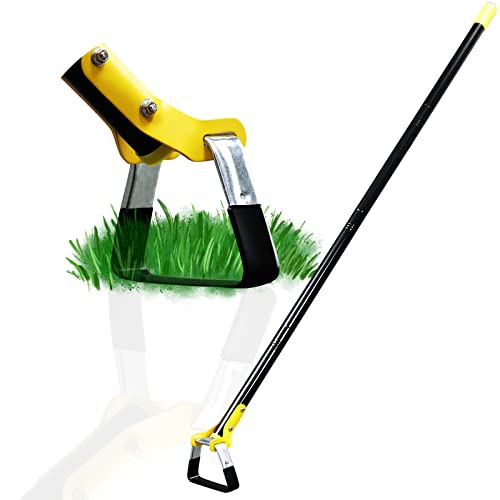
DonSail Scuffle Hoe (Push-Pull)
Best for: Everyday push-pull weeding in beds and rows
A classic oscillating-style scuffle hoe that cuts on both the push and the pull stroke. The blade skims just under the soil surface and slices young weeds off at the root without turning the soil over, which keeps buried weed seeds from being brought up to germinate.
- Cuts on both strokes for fast weeding
- Long handle lets you weed standing upright
- Shallow action protects nearby plant roots
- Not designed for chopping hard, compacted soil
- Works best on small to medium weeds

2-in-1 Stirrup Hoe and 4-Tine Cultivator
Best for: Gardeners who want a hoe and cultivator in one tool
One head carries a stirrup hoe on one side and a four-tine cultivator on the other. Flip it to scuffle weeds off at the surface, then use the tines to loosen crusted soil, break up clods or work in compost, which saves carrying two tools around the garden.
- Two tools in one head
- Tines loosen crusted soil between rows
- Heavy-duty build for regular use
- Heavier than a single-purpose hoe
- Tines can snag on drip lines if you are careless

DonSail Push-Pull Hoe (Narrow Blade)
Best for: Weeding close to established vegetables and flowers
A second DonSail option with a push-pull action suited to working close around living plants. A slimmer working width makes it easier to steer between closely spaced rows and around perennials without nicking stems.
- Easy to control near plants
- Lightweight for long sessions
- Cuts weeds without disturbing soil
- Narrower blade covers less ground per stroke
- Less suited to large open areas

Haliaeetus 58" Stainless Hula Hoe
Best for: Taller gardeners and back-friendly upright weeding
A 58-inch wooden handle and a stainless steel hula-style stirrup head make this a comfortable choice for weeding while standing straight. Stainless steel resists rust if the tool is left damp, and the long reach helps you get into the middle of wide beds without stepping on the soil.
- Very long handle reduces bending
- Stainless head resists rust
- Wood handle feels comfortable in the hands
- Wood handle needs occasional oiling
- Long length can be awkward in very small spaces
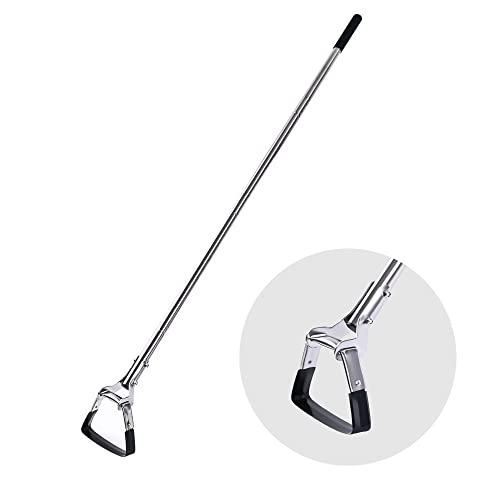
BARAYSTUS 3-Height Adjustable Scuffle Hoe
Best for: Households where several people share one hoe
The handle adjusts to three heights, up to about 56 inches, so it can be set shorter for compact gardeners or raised beds and longer for tall users. The stainless steel scuffle head handles routine surface weeding in lawn edges, yards and vegetable gardens.
- Adjustable handle fits different users
- Stainless steel head
- Packs down shorter for storage
- Joints in a sectional handle can loosen over time
- Not as rigid as a one-piece handle
Comparison Table
| # | Product | Best for | Link |
|---|---|---|---|
| 1 | DonSail Scuffle Hoe (Push-Pull) | Everyday push-pull weeding in beds and rows | Check price |
| 2 | 2-in-1 Stirrup Hoe and 4-Tine Cultivator | Gardeners who want a hoe and cultivator in one tool | Check price |
| 3 | DonSail Push-Pull Hoe (Narrow Blade) | Weeding close to established vegetables and flowers | Check price |
| 4 | Haliaeetus 58″ Stainless Hula Hoe | Taller gardeners and back-friendly upright weeding | Check price |
| 5 | BARAYSTUS 3-Height Adjustable Scuffle Hoe | Households where several people share one hoe | Check price |
A Closer Look at Each Pick
DonSail scuffle hoe, best overall. A straightforward push-pull hoe that covers the most common weeding job: keeping beds and vegetable rows clean of small weeds. It is the one to choose if you want a single, no-fuss hoe for weekly weeding.
2-in-1 stirrup hoe and cultivator, best two-in-one. The flip head is handy where soil crusts after rain or irrigation. Scuffle the weeds, turn the tool over and loosen the surface in one trip down the row.
DonSail narrow push-pull hoe, best for tight rows. A slimmer working width matters when crops are planted close together, as in intensive beds of carrots, onions and lettuce.
Haliaeetus 58-inch hula hoe, best long handle. The extra handle length is the main draw. Taller gardeners and anyone with a sore back can weed with an upright posture and long, easy strokes.
BARAYSTUS adjustable hoe, best adjustable. If several people share one hoe, or you move between raised beds and in-ground rows, an adjustable handle lets each person set a comfortable length.
How a Stirrup Hoe Works
A stirrup hoe has a rectangular or curved loop of thin steel attached to a long handle. Both the front and back edges of the loop are sharpened. As you push the hoe forward, the leading edge slices through weed stems about a quarter to half an inch below the surface. As you pull it back, the other edge cuts again. On oscillating or hula-style hoes, the head pivots slightly so the blade angle automatically adjusts for each stroke.
Because the cut happens just below the soil, the weed is severed from its root crown. Most young annual weeds cannot regrow from roots alone, so they wither in the sun within a day or two. The soil is only lightly disturbed, which matters more than many gardeners realize. Most soils hold a large bank of dormant weed seeds, and turning the soil over brings fresh seeds to the light where they germinate. Shallow hoeing avoids that.
Stirrup Hoe vs Draw Hoe vs Hand Weeder
Stirrup hoe. Best for fast, shallow weeding of small weeds over large areas. Works standing up, cuts on both strokes, and barely disturbs soil. Not meant for chopping, digging or moving soil.
Draw hoe. The traditional flat-bladed garden hoe. You chop down and pull toward you. It is better for breaking hard ground, cutting furrows, hilling potatoes and moving soil, but slower and more tiring for routine weeding, and it disturbs more soil.
Collinear or onion hoe. A very thin, narrow blade used with a sweeping motion while standing upright. Excellent for precise weeding in closely planted beds. Many gardeners own both a collinear hoe and a stirrup hoe.
Hand weeder or weeding fork. Best for deep taprooted weeds such as dandelions, docks and thistles that a hoe cannot fully remove. Use it on your knees or with a long-handled weed puller for occasional big weeds.
For most home gardens, a stirrup hoe handles the bulk of weeding, with a hand weeder kept nearby for the few tough perennials.
How to Choose the Best Stirrup Hoe
Handle Length
Handle length decides whether you weed comfortably or with a bent back. A good rule is that the end of the handle should reach somewhere between your chin and nose when the blade rests on the ground. Most hoes run between about 54 and 60 inches. Taller gardeners should favor the longest handles; shorter gardeners and raised-bed users may prefer an adjustable model set lower.
Blade Width
Wide blades, roughly five to seven inches, cover open ground and pathways quickly. Narrow blades, around three to four inches, slip between close rows and around plants without nicking stems. If you only buy one, a medium width of about five inches is a sensible compromise.
Head Material
Carbon steel takes a very sharp edge but rusts if left wet, so it needs wiping and an occasional coat of oil. Stainless steel resists rust and needs less care, though it may need sharpening a little more often. Either works well if you keep the edges sharp.
Fixed or Oscillating Head
A fixed stirrup is rigid and simple. An oscillating or hula head rocks slightly in its bracket so the blade tilts for each stroke, which many gardeners find smoother. Oscillating heads have a pivot bolt that should be checked and tightened occasionally.
Handle Material and Construction
Wood handles feel warm and comfortable and absorb some vibration, but they need oiling and should be stored out of the rain. Steel or fiberglass handles are lighter on maintenance. Sectional or adjustable handles are convenient but can develop play at the joints over time, so check that they lock firmly.
How to Use a Stirrup Hoe for Best Results
Stand upright with the hoe in front of you and hold the handle with your thumbs pointing up, like a broom, rather than gripping it like a shovel. Set the blade flat on the soil and push it forward an inch or so below the surface, then pull it back. Keep strokes short and smooth, roughly a foot long, and let the sharp edge do the work. You should feel the blade slicing, not dragging.
Work backward through the bed so you do not step on freshly hoed soil. Hoe on a dry, sunny morning whenever possible, because severed weeds dry out and die quickly in sun and wind, while on damp days some may re-root. Leave the cut weeds on the surface to shrivel; they will add a little organic matter to the soil.
When to Hoe Weeds
Timing is the secret to easy weed control. Hoe when weeds are tiny, ideally at the thread or first true leaf stage, when they are barely visible. At that size a quick pass with a stirrup hoe kills hundreds of weeds in minutes. Wait until they are several inches tall with established roots and the job becomes much harder.
A weekly or ten-day routine during the main growing season keeps most gardens under control. Make sure you never let weeds set seed, since a single weed can drop thousands of seeds into the soil. University extension services consistently recommend frequent shallow cultivation as a core part of organic and low-input weed management.
Using a Stirrup Hoe With Mulch
Hoeing and mulching work together. Hoe the bed clean first, then spread a layer of mulch such as straw, shredded leaves or bark to block light and stop new weed seeds from germinating. Later in the season, use the stirrup hoe along the edges of mulched areas and in paths where mulch is thin. Avoid running the hoe through thick mulch itself, which just drags the material around.
Weeding Vegetable Gardens
In vegetable beds, a stirrup hoe is most useful between rows and around transplanted crops such as tomatoes, peppers, squash and brassicas. Be careful near shallow-rooted crops such as onions, garlic, carrots and lettuce; keep the blade very shallow and stay a couple of inches back from the plants, finishing close-in weeds by hand. For direct-seeded crops, hoe between rows as soon as seedlings are visible so you can tell crop from weed.
Weeding Flower Beds and Borders
In ornamental beds, use a narrow blade and short strokes to weed between perennials and annuals. Mark newly planted bulbs and young perennials so you do not slice through emerging shoots in spring. Once beds fill in and plants shade the soil, weed pressure drops and you will hoe less often.
Weeding Gravel Paths, Patios and Driveways
A stirrup hoe works well on gravel paths and driveways where small weeds sprout in the top layer. Short scuffle strokes cut them off without the need for chemical weed killers. On compacted gravel, a heavier, wider blade gives better results. For cracks between patio pavers, a crack weeder or narrow hand tool is more effective.
Sharpening and Caring for Your Hoe
A sharp blade is the difference between a hoe that slices and one that pushes weeds over. Every few weeks of regular use, clamp the head or hold it steady and run a mill file along each cutting edge, following the existing bevel, with a few smooth strokes toward the edge. Remove the burr on the back with a light pass. Clean soil off after each use with a stiff brush, dry the blade, and wipe carbon steel with a little oil to prevent rust. Oil wood handles once or twice a year and store the hoe hanging indoors. Our guide to caring for wooden tool handles explains how.
Ergonomics and Back-Friendly Weeding
The main reason gardeners love stirrup hoes is that they let you weed standing up. To get that benefit, choose the right handle length, keep your back straight and move your arms rather than bending at the waist. Take short breaks, switch your lead hand from time to time, and weed in short sessions rather than one long marathon. Gloves with a good grip help prevent blisters during long sessions.
Common Stirrup Hoe Mistakes
The most common mistake is hoeing too deep. Digging the blade in several inches tires you quickly, damages crop roots and brings weed seeds to the surface. Keep it shallow. Others include waiting until weeds are large, hoeing wet soil that clumps on the blade, working with a dull edge, chopping downward like a draw hoe, and hoeing too close to shallow-rooted vegetables. Leaving the hoe out in the rain is another quick way to ruin both the blade and a wood handle.
Other Tools That Complement a Stirrup Hoe
A small set of tools covers nearly every weeding situation. Pair a stirrup hoe with a hand cultivator for loosening soil in raised beds, a weeding fork for taprooted perennials, and a garden kneeler for close-in hand weeding. Our guide to the best hand cultivator for raised beds covers short-handled options, and our Garden Weasel cultivator tips show how rotary cultivators fit in.
The Bottom Line on the Best Stirrup Hoe
For most gardeners, a push-pull scuffle hoe like the DonSail is the easiest way to keep beds and vegetable rows clean with minimal effort. Choose the 2-in-1 head if your soil crusts, a narrow blade for tightly planted beds, a long 58-inch handle if you are tall or want to protect your back, and an adjustable handle if the hoe will be shared. Whichever you pick, keep the edge sharp, hoe shallow, and weed little and often while the weeds are tiny.
Frequently Asked Questions
What is a stirrup hoe used for?
A stirrup hoe, also called a hula, scuffle or oscillating hoe, slices weeds off just below the soil surface with a push-pull motion. It is designed for fast, shallow weeding between plants rather than digging or chopping.
Is a stirrup hoe better than a regular garden hoe?
For weeding, usually yes. A stirrup hoe cuts on both strokes and barely disturbs the soil, so it is faster and brings fewer weed seeds to the surface. A traditional draw hoe is better for chopping, hilling and moving soil.
Does a stirrup hoe work on big weeds?
It works best on young weeds with small roots. Large, established or deep-rooted weeds such as dandelions and docks are better removed with a weeding fork or hand weeder.
How often should I use a stirrup hoe?
Weekly or every ten days during the growing season, when weeds are tiny. Frequent light hoeing takes minutes and stops weeds before they set seed.
Do stirrup hoes need sharpening?
Yes. A few strokes with a mill file along the cutting edges every few weeks of use keeps the blade slicing cleanly instead of pushing weeds over.