
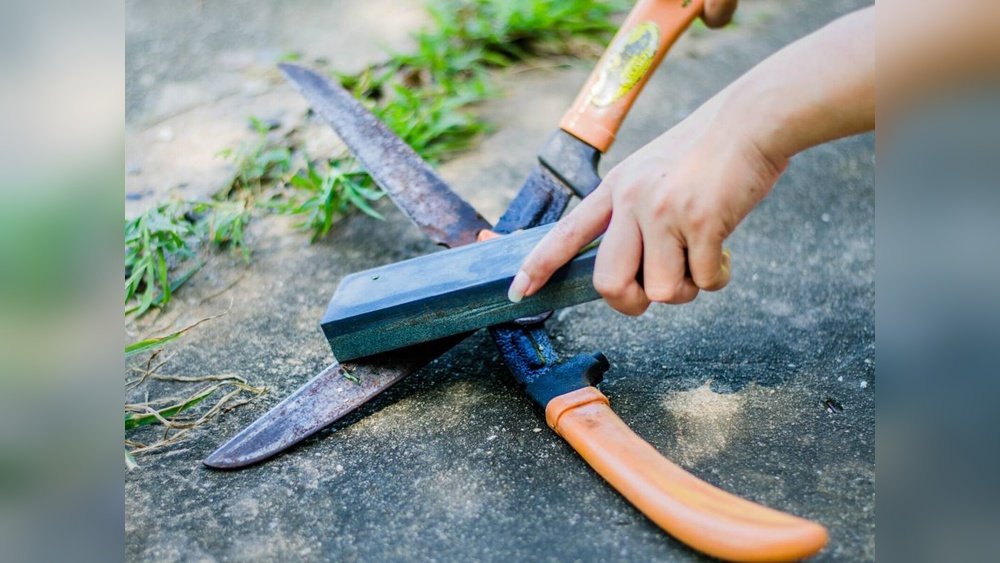
Are your gardening tools feeling dull and tired? When your pruners, shears, or shovels lose their sharp edge, gardening becomes harder and less enjoyable.
But here’s the good news: you don’t have to buy new tools or spend money on professional sharpening. You can easily sharpen your gardening tools right at home with simple steps and everyday items. You’ll discover how to bring back the sharpness your tools need to work efficiently, save time, and make your gardening tasks smoother.
Ready to make your tools as sharp as new? Keep reading to learn the easy and effective ways to sharpen your gardening tools at home.

Credit: www.gardenersworld.com
Tools Needed
Sharpening your gardening tools at home requires the right set of tools. Having proper equipment makes the job easier and helps maintain your tools longer. Understanding what tools you need will prepare you for a smooth sharpening process.
Types Of Garden Tools
Different garden tools need sharpening to work well. Pruning shears, loppers, and hedge clippers cut plants and need sharp edges. Shovels and spades dig in soil and also benefit from sharpening. Hand trowels and hoes can be sharpened to improve their performance. Knowing which tools to sharpen helps you choose the right sharpening method.
Sharpening Equipment
Basic sharpening tools include a flat file and a sharpening stone. A flat file works well for removing nicks and shaping edges on shovels and hoes. Sharpening stones or whetstones are ideal for finer edges on pruning shears and smaller blades. You may also use a wire brush to clean rust or dirt before sharpening. A pair of gloves protects your hands while working. Keep a cloth handy to wipe the blades clean after sharpening.
Preparing Tools
Preparing your gardening tools before sharpening is essential. Clean and well-maintained tools sharpen more easily and last longer. Dirt, sap, and rust can block the sharpening process. Taking time to prepare tools ensures a smoother, sharper edge.
Cleaning Blades
Remove all dirt and plant residue from the blades. Use a stiff brush or cloth to wipe the surface. For sticky sap, a mixture of warm water and mild soap works well. Dry the blades completely to avoid rust. Clean blades let you see the edges clearly for precise sharpening.
Removing Rust
Rust weakens blades and dulls their edges. Use steel wool or a wire brush to scrub off rust spots. For heavy rust, soak blades in white vinegar for a few hours. After soaking, scrub the rust away gently. Rinse and dry the blades thoroughly. Rust-free blades sharpen better and last longer in your garden.
Sharpening Techniques
Sharpening gardening tools improves their performance and makes gardening easier. Proper sharpening methods restore the blade’s edge and extend tool life. Using the right technique depends on the type of tool and blade material. Here are three simple, effective sharpening techniques you can try at home.
Using A File
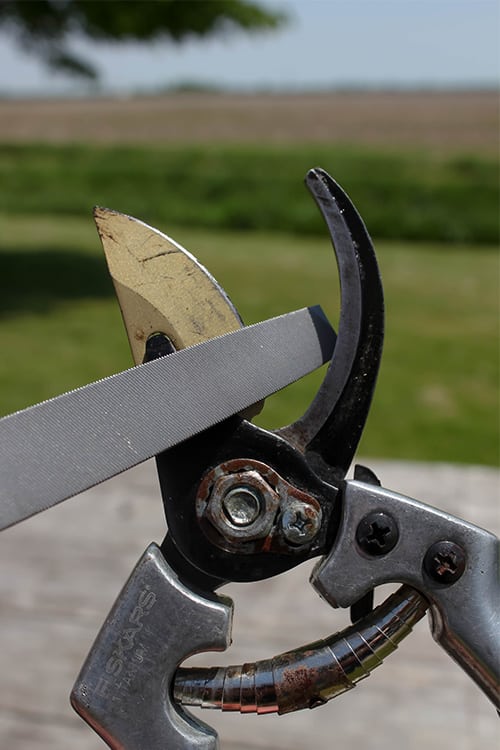
A file is a basic tool for sharpening garden blades. It works well on hard steel tools like shovels and hoes. Hold the tool steady and file the blade at the original angle. Use smooth, even strokes away from your body. Check the edge often to avoid over-filing. A flat, clean file produces the best results.
Using A Whetstone
A whetstone sharpens blades by grinding and polishing the metal. Soak the stone in water for about 10 minutes before use. Hold the blade at a consistent angle, usually 20 to 30 degrees. Move the blade across the stone in a circular or back-and-forth motion. Flip the blade and repeat on the other side. Whetstones create a sharp, smooth edge.
Using A Sharpening Stone
Sharpening stones come in different grits for coarse and fine sharpening. Start with a coarse grit to shape the edge, then switch to a fine grit to smooth it. Keep the stone wet or oiled, depending on the type. Press the blade gently against the stone and slide it evenly. This method works well for pruning shears and garden knives.

Credit: www.airtasker.com
Sharpening Specific Tools
Sharpening gardening tools improves their performance and makes work easier. Different tools need specific sharpening methods to keep their edges effective. Using the right technique extends the life of your tools and helps maintain clean cuts and efficient digging.
Pruners And Shears
Pruners and shears need a fine edge for clean cuts on plants. Use a small flat file or sharpening stone. Hold the blade at a 20 to 30-degree angle. Stroke the blade away from the cutting edge gently. Wipe off any debris after sharpening. Avoid sharpening the flat side; only sharpen the beveled edge.
Shovels And Spades
Shovels and spades have thick blades that need a strong edge. Use a coarse metal file for best results. Hold the file at about a 45-degree angle. File in one direction along the blade edge. Remove any rust before sharpening for a smoother finish. Rinse and dry the tool after sharpening to prevent rust.
Hoes And Rakes
Hoes and rakes often have dull edges from heavy use. Use a metal file or sharpening stone. For hoes, sharpen the blade edge at a 45-degree angle. Rakes need sharpening on each tine if they are dull. File each tine carefully to keep the shape intact. Always clean the tool before and after sharpening.
Finishing Touches
After sharpening your gardening tools, the finishing touches enhance their performance and durability. These final steps ensure the edges are smooth and the metal stays protected. Taking a few extra minutes will keep your tools working longer and easier.
Honing The Edge
Honing smooths out rough edges left by sharpening. Use a fine whetstone or honing rod. Lightly run it along the blade at the same angle used for sharpening. This step removes tiny burrs and polishes the edge. It makes cutting more precise and less likely to dull quickly.
Oiling And Protecting
After honing, clean the tool to remove dust and metal particles. Wipe the blade with a cloth dampened with light oil. This prevents rust and corrosion on metal surfaces. Apply oil also to moving parts like hinges on pruners. Store tools in a dry place to keep the oil effective. Regular oiling extends your tool’s life and keeps it ready for use.
Credit: www.creeklinehouse.com
Maintenance Tips
Keeping your gardening tools sharp and well-maintained ensures better performance and longer life. Maintenance is more than just sharpening. Proper care prevents rust and damage. Follow simple steps to keep tools in top shape.
Regular Sharpening Schedule
Set a routine to sharpen your tools. Sharpen blades after every few uses. Frequent sharpening makes cutting easier. Use a file or sharpening stone. Check edges for dullness weekly during active seasons. A sharp tool saves effort and protects plants.
Storage Recommendations
Store tools in a dry place to prevent rust. Clean tools before storing. Remove dirt and sap with a brush or cloth. Use oil to coat metal parts lightly. Hang tools or place them in a toolbox. Avoid leaving tools on wet ground or outdoors.
Common Mistakes
Sharpening gardening tools at home saves money and improves your work. Yet, many gardeners make avoidable mistakes. These errors can reduce tool life or cause accidents. Knowing common mistakes helps you sharpen tools safely and effectively.
Over-sharpening
Sharpening too much removes excess metal. This weakens the blade and shortens tool life. A slightly sharp edge works well for most garden tasks. Stop sharpening once the blade feels smooth and cuts easily. Avoid grinding the blade into a thin, fragile edge.
Ignoring Safety
Sharp tools can cause serious injuries. Always wear protective gloves when sharpening. Use tools like clamps or vices to hold blades steady. Work in a clean, well-lit area to avoid slips. Never rush the process. Keep your fingers away from the sharpening surface at all times.
Diy Hacks
DIY hacks for sharpening gardening tools offer simple and quick ways to keep blades sharp. These methods use household items or easy tools. They save time and money. Even beginners can try them safely. Properly sharpened tools cut cleaner and reduce hand strain. Below are two practical hacks to sharpen tools at home.
Using Aluminum Foil
Aluminum foil can help maintain your garden tools’ edge. Fold a piece of foil several times to make it thick. Cut through the folded foil with your garden shears or scissors. This action removes dirt and realigns the blade edge slightly. It does not sharpen deeply but gives a smoother cut.
This method works best for quick touch-ups. Use it when blades feel dull but do not need full sharpening. Always clean the tools after using foil to avoid residue buildup.
Alternative Sharpening Methods
Other household items can help sharpen gardening tools. A nail file or emery board can be used to sharpen small blades like pruning shears. Rub the file along the blade edge at a consistent angle. Repeat several times until the blade feels sharper.
A flat sharpening stone or sandpaper also works well. Move the blade across the surface in one direction. Keep the angle steady for even sharpening. These methods remove small amounts of metal to restore the edge.
Regular maintenance using these DIY hacks keeps tools effective. Sharp tools improve gardening efficiency and safety.
Frequently Asked Questions
What Can You Use To Sharpen Garden Tools?
Use a sharpening file, whetstone, or hand stone to sharpen garden tools like pruners, shears, and shovels effectively.
Will Aluminum Foil Sharpen Garden Shears?
No, aluminum foil cannot truly sharpen garden shears. It only cleans and slightly hones the blade temporarily. Use a proper sharpener for real sharpening.
Does Aluminum Foil Sharpen Blades?
Aluminum foil cannot truly sharpen blades because it is too soft to grind steel. It only cleans and straightens the edge temporarily. For real sharpening, use a whetstone or proper sharpener.
Can You Sharpen Garden Shears With A Knife Sharpener?
You can sharpen garden shears with a knife sharpener if it suits the blade type. Use a fine, angled sharpener for precision. Avoid using sharpeners meant only for knives, as they may damage shears. Proper sharpening tools extend tool life and improve cutting performance.
Conclusion
Sharpening your gardening tools keeps them working well and safe. Regular sharpening saves time and effort in your garden. Use simple tools like a file or sharpening stone at home. Clean your tools before sharpening for better results. Keep a steady angle while sharpening for a sharp edge.
Store tools properly to protect the sharpness longer. A sharp tool cuts cleanly and helps plants heal faster. Try sharpening regularly to enjoy easier gardening tasks. Your garden will thank you for well-maintained tools.