
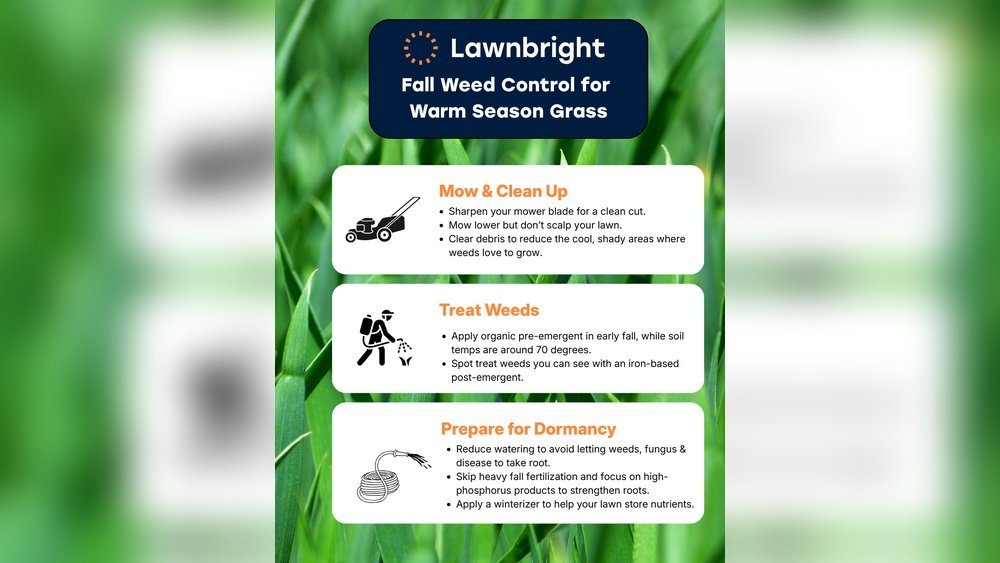
Getting your lawn ready for weed control in the fall is one of the smartest steps you can take for a lush, healthy yard next year. Many people focus on spring, but fall is actually the best time to tackle weeds.
The soil is still warm, the air is cooler, and weeds are storing energy for winter. If you work with nature’s rhythm, you’ll have fewer weeds and a greener lawn in spring.
Why Fall Weed Control Matters
Autumn weed control is more effective than you might think. Weeds like dandelion, clover, and crabgrass are busy moving nutrients to their roots before winter. When you apply weed control products or use manual methods now, you attack the weeds at their weakest point. This means they are less likely to return in spring.
A well-prepared lawn also helps grass outcompete weeds. Healthy, dense grass shades the soil so weed seeds can’t sprout easily. If you skip fall preparation, you may face more weeds and patchy grass next year.
Assess Your Lawn’s Current State
Start with a close look at your lawn. Walk around and notice:
- Weed types: Are there broadleaf weeds (like dandelions) or grassy weeds (like crabgrass)?
- Bare spots: Any thin or bare areas where weeds can take over?
- Soil condition: Is the soil hard, compacted, or soggy?
Taking notes or pictures can help track changes over time. If you see many types of weeds, you may need a broad-spectrum weed killer. If it’s just a few patches, spot treatments or manual removal may be enough.
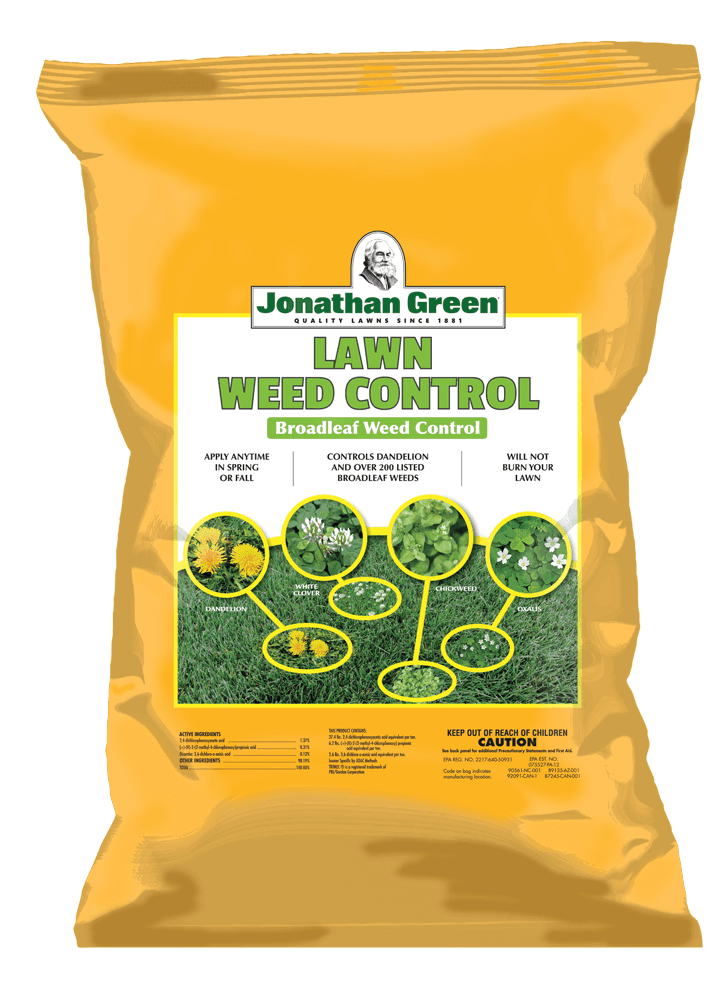
Credit: www.jonathangreen.com
Mow And Rake Properly
Give your grass a good cut before any weed treatments. Set your mower blade to 2. 5–3 inches. Cutting too short stresses the grass and can make it easier for weeds to invade.
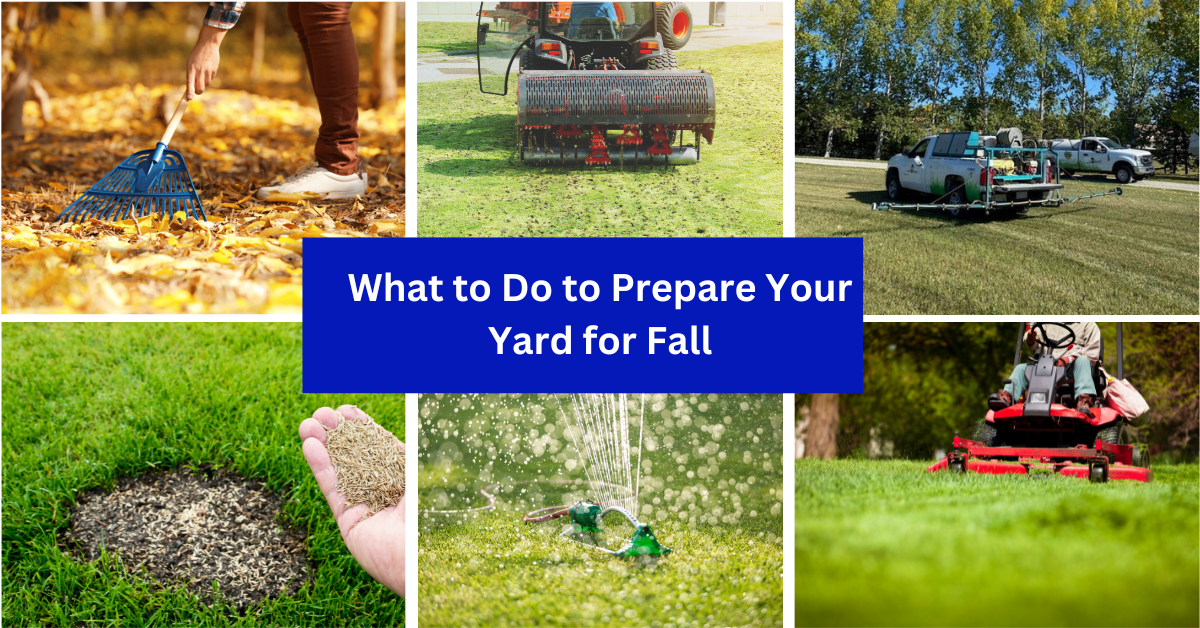
After mowing, rake up leaves and debris. Thick layers of leaves block sunlight and trap moisture, creating perfect conditions for weeds and disease. Raking also helps you spot problem areas that need more care.
Aerate The Soil
Soil compaction is a hidden problem many homeowners miss. When soil is packed down, grass roots can’t grow well, but weeds thrive. Aerating means making small holes in the soil to let air, water, and nutrients reach the roots.
You can rent a core aerator or hire a lawn service. The best time is early to mid-fall, when the grass is still growing but the heat has passed. Don’t aerate if the soil is too wet or bone dry.
Here’s a quick comparison of aeration methods:
| Method | Best For | Equipment Needed |
|---|---|---|
| Core Aeration | Compacted, clay soils | Core aerator machine |
| Spike Aeration | Lightly compacted soils | Manual spike tool |
| Liquid Aeration | Maintenance, sandy soils | Hose-end sprayer |
Credit: earth-smart.ca
Choose And Apply The Right Weed Control
Fall is a great time to use pre-emergent and post-emergent weed controls. Pre-emergent stops weed seeds from sprouting. Post-emergent kills weeds you can already see.
Read the label carefully and follow the instructions. Some products can harm your grass if used the wrong way or at the wrong time. For most cool-season lawns, late September to early November is best.
Here’s how the two main types compare:
| Type | When to Apply | Targets |
|---|---|---|
| Pre-emergent | Early fall | Weed seeds |
| Post-emergent | Mid to late fall | Growing weeds |
Non-obvious tip: Avoid applying weed control right before rain. Heavy rain can wash away the product before it works.
Repair Bare Spots And Thin Areas
Weeds love bare spots. After weed control, fix these areas so grass can grow thick and strong.
- Rake away dead grass and loosen the soil.
- Spread a thin layer of compost for nutrients.
- Seed with a grass variety suited to your region.
- Water lightly every day until seedlings are established.
If you’re not sure what seed to use, ask your local garden center. They know what works best for your climate.
Fertilize For Strong Roots
Fall fertilizing is often overlooked, but it’s key for weed control. Fertilizer helps grass store energy for winter and grow back fast in spring, crowding out weeds.
Use a slow-release fertilizer with high nitrogen. Apply after aerating and seeding, but not at the same time as weed killer (unless the product is a weed and feed). Wait at least a week between treatments to avoid damaging new grass.
Water Wisely
Many people stop watering in fall, thinking rain is enough. But if the weather is dry, your lawn will suffer. Water deeply but less often, about once a week, to keep roots healthy.
Avoid shallow, frequent watering—it encourages weeds and weak grass. Early morning is the best time, so the grass dries out during the day and doesn’t develop disease.
Monitor And Adjust
Don’t just set and forget your lawn care. Check your lawn every week for:
- New weeds popping up
- Bare spots
- Signs of disease (brown patches, mold)
Tackle problems early to stop them from spreading. Adjust your plan if fall is warmer or wetter than usual. Flexibility is key.
Pro tip: Keep a lawn journal. Write down what you do and when, so you remember what works best each year.
Common Mistakes To Avoid
Even experienced homeowners make mistakes that allow weeds to return. Watch out for these:
- Mowing too short before winter.
- Skipping aeration if the soil feels hard.
- Overusing weed killers (can harm grass, too).
- Ignoring bare spots after weed control.
- Not reading product labels carefully.
Paying attention to these details makes a big difference in your lawn’s health.

Credit: ecgrowproducts.com
Frequently Asked Questions
How Early Can I Start Fall Weed Control?
You can start in early September, when temperatures cool but the grass still grows. The best window is usually from mid-September to early November, depending on your region.
Can I Use Weed And Feed Products In Fall?
Yes, but check the label to make sure it’s safe for fall use and your grass type. Apply when weeds are actively growing and avoid seeding bare spots at the same time.
Is Aeration Really Necessary Every Year?
Aeration is very helpful if you have compacted soil, heavy foot traffic, or lots of clay. For sandy, loose soils, you may only need it every 2–3 years.
What’s The Difference Between Pre-emergent And Post-emergent Weed Killers?
Pre-emergent stops weed seeds from sprouting. Post-emergent kills weeds you can already see. Using both gives better results in fall.
Where Can I Learn More About Weed Types And Control?
You can find detailed guides and weed identification resources at the U.S. EPA Lawn and Garden site.
A little effort in fall pays off with a beautiful, weed-free lawn next year. Focus on preparation, use the right products, and avoid shortcuts. Your grass will thank you when spring arrives.