
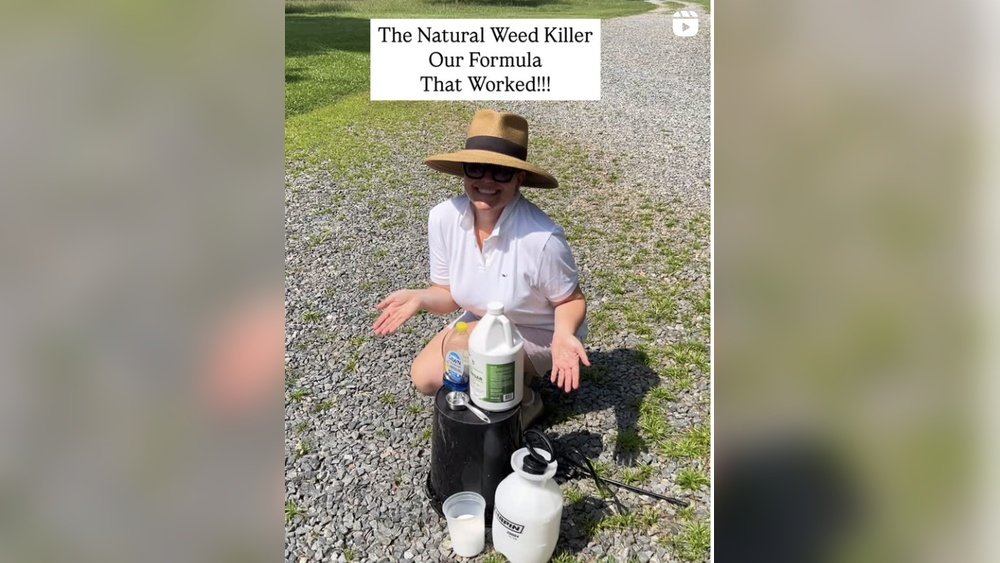
Are stubborn weeds taking over your garden? You don’t have to reach for harsh chemicals to get rid of them.
Vinegar, a common household item, can be a powerful and natural solution to kill those unwanted invaders. Imagine clearing your garden using something you already have in your kitchen—safe, affordable, and easy to use. You’ll discover exactly how to use vinegar to kill weeds effectively and keep your garden thriving.
Ready to take control and make your garden weed-free the natural way? Let’s dive in!
Why Vinegar Works On Weeds
Vinegar works as a natural weed killer by damaging the plant’s outer layer. It breaks down the protective barrier that holds moisture inside the leaves. Without this barrier, weeds dry out quickly and die. This process happens mostly on the surface of the plant, making vinegar effective for small, young weeds. Using vinegar is a simple and eco-friendly way to control unwanted plants in your garden.
How Vinegar Affects Plant Leaves
The main action of vinegar is to dissolve the leaf’s cuticle. The cuticle is a waxy layer that keeps water inside the leaf. When vinegar breaks this layer, the leaf loses water fast. This causes the leaf to dry and wilt. Once the leaf dies, the weed cannot survive without its leaves. Vinegar works best on sunny, hot days because heat speeds up water loss. It does not kill roots deeply, so repeated treatments may be needed.
Types Of Vinegar For Weed Control
Household vinegar usually contains 5% acetic acid and works on small weeds. For tougher weeds, stronger vinegar with 10% to 20% acetic acid is more effective. These stronger types are often labeled as horticultural vinegar. Avoid using vinegar over 20% acetic acid because it can harm soil and nearby plants. Choose vinegar based on the weed size and your garden needs. Always use caution and protect your skin when handling stronger vinegar.
Choosing The Right Vinegar Strength
Choosing the right vinegar strength is key for effective weed control. Vinegar comes in various concentrations. Each strength works differently on weeds. Using the correct one protects your garden and ensures success.
Household Vs. Horticultural Vinegar
Household vinegar usually has 5% acetic acid. It is safe and easy to find. It works well on small, young weeds. Stronger weeds may need more powerful vinegar.
Horticultural vinegar contains 20% or more acetic acid. It kills tough weeds quickly. This vinegar is more potent and can harm other plants. Use it only on stubborn weed patches.
Safety Considerations For Stronger Solutions
Stronger vinegar can irritate skin and eyes. Always wear gloves and eye protection. Avoid spraying on windy days to stop drift. Keep children and pets away during application.
Store horticultural vinegar in a safe place. Do not mix it with other chemicals. Follow label instructions carefully. Proper handling keeps your garden and family safe.
Preparing Your Vinegar Weed Killer
Preparing your vinegar weed killer is simple and requires only a few ingredients. This natural solution targets unwanted plants by drying them out quickly. Making your own spray saves money and avoids harsh chemicals. Follow these easy steps to create an effective weed killer you can trust.
Basic Vinegar Spray Recipe
Start with white vinegar as the main ingredient. Use vinegar with at least 5% acetic acid for best results. Pour one gallon of vinegar into a clean container. Add one tablespoon of liquid dish soap to help the spray stick. Mix the solution gently but well. Pour the mixture into a spray bottle for easy use. Spray directly on the leaves of weeds on a dry, sunny day. Avoid spraying on plants you want to keep.
Adding Ingredients For Extra Power
Boost your vinegar weed killer by adding extra ingredients. Mix one cup of salt into your vinegar solution to increase its strength. Salt helps draw moisture from weed roots. Stir until salt fully dissolves. You can also add a few drops of essential oils like clove or citrus. These oils can improve weed control. Use this stronger mix carefully to avoid harming nearby plants. Spray only on the weeds you want to remove.
Best Conditions To Apply Vinegar
Applying vinegar to kill weeds works best under certain conditions. These conditions help vinegar act quickly and effectively. Choosing the right weather and time of day can improve your results. Understanding these factors makes your garden care easier and more successful.
Ideal Weather And Temperature
Sunny, warm days are perfect for vinegar application. Vinegar dries faster in direct sunlight. Fast drying helps vinegar break down weed leaves quickly. Temperatures between 70°F and 90°F allow vinegar to work well. Avoid windy days to prevent vinegar from drifting to other plants. Also, do not spray before rain. Rain can wash away vinegar and reduce its effect.
Time Of Day For Application
Mid-morning to early afternoon is the best time to spray vinegar. The sun is strong, which helps vinegar dry faster. Applying vinegar during this time increases weed damage. Avoid spraying in the early morning or late evening. Dew or moisture can dilute the vinegar. These times also slow down the drying process, making vinegar less effective.
How To Apply Vinegar To Weeds
Applying vinegar to weeds is a simple and effective way to control unwanted plants naturally. Proper application ensures vinegar reaches the weeds’ leaves and stems. This method helps the vinegar dry quickly, increasing its weed-killing power. Choosing the right tools and techniques protects your garden plants while targeting weeds.
Using Spray Bottles And Applicators
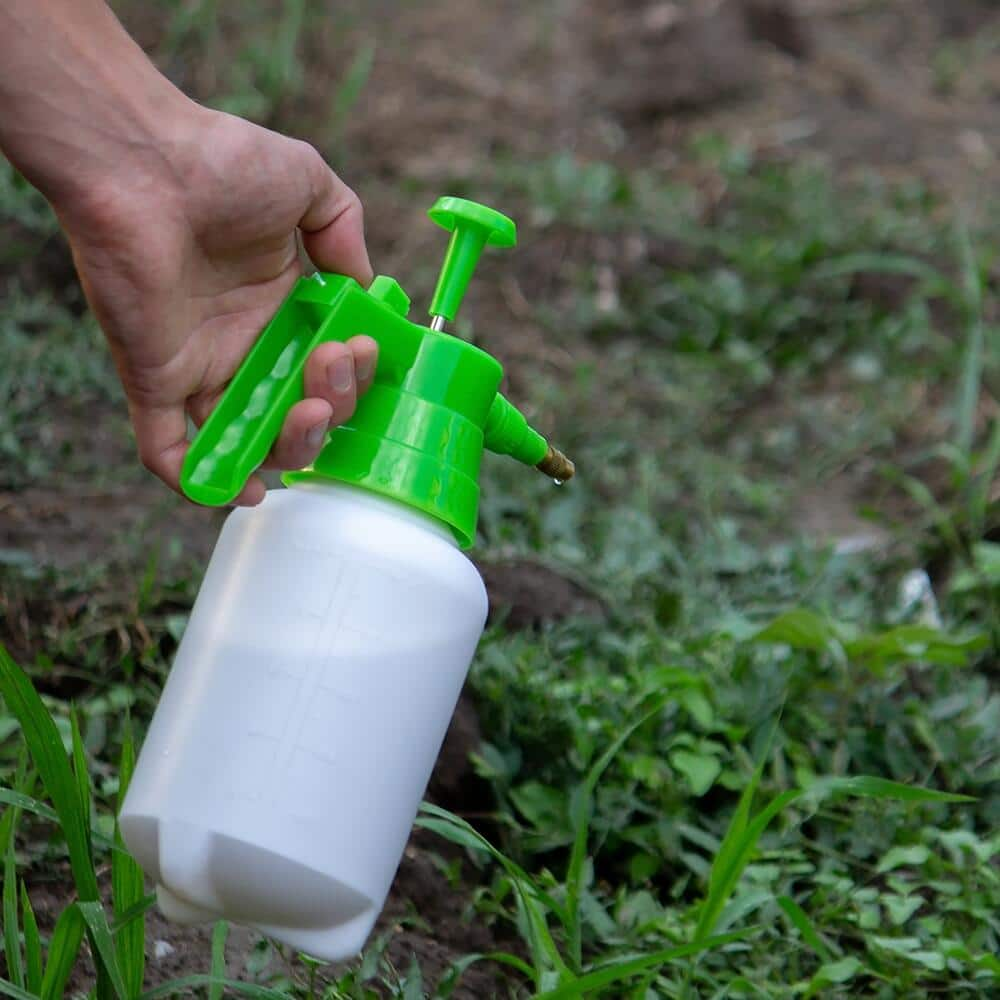
Use a spray bottle filled with white vinegar for small areas. A fine mist covers leaves evenly without wasting vinegar. For larger patches, a garden sprayer or applicator saves time. Spray the vinegar directly on the weed leaves. Avoid soaking the soil as vinegar can harm beneficial microbes. Spray on dry, sunny days for best results. The heat helps vinegar burn the weeds faster.
Targeting Weeds Without Harming Plants
Apply vinegar carefully to avoid nearby plants. Use a paintbrush or sponge to paint vinegar on tough weeds. Shield garden plants with cardboard or plastic sheets while spraying. This prevents vinegar spray from drifting onto desirable plants. Focus on the leaves and stems of weeds only. Repeat applications may be needed for stubborn weeds. Wait until weeds show signs of damage before reapplying.
:max_bytes(150000):strip_icc()/spraying-garden-weed-killer-getty-0521-2000-eab8e4e5fa0c4f46a5f3d5f6990e5199.jpg)
Credit: www.marthastewart.com
Effectiveness And Timing
Understanding the effectiveness and timing of vinegar as a weed killer helps you get better results. Vinegar works by breaking down the weed’s leaves, causing them to dry out and die. The strength of the vinegar and weather conditions affect how fast it works. Applying vinegar on a sunny, dry day increases its weed-killing power. Timing your application properly ensures the weeds do not recover or spread.
How Long Vinegar Takes To Work
Vinegar usually shows effects within hours after application. Most weeds will start to wilt the same day. Some tougher weeds may take two to three days to die completely. The full result often appears after about one week. Reapplying vinegar may be necessary for persistent or large weeds. Avoid watering the area right after spraying to keep vinegar active.
Signs Of Successful Weed Control
Look for leaves that turn brown or yellow within days. Wilting and drooping leaves are early signs of success. The weed should become dry and brittle after several days. New growth will stop, and roots will weaken over time. If weeds remain green or healthy, reapply vinegar or try another method.
Precautions And Limitations
Using vinegar to kill weeds is natural and cost-effective. Still, it needs careful use. Vinegar can harm plants you want to keep. Knowing its limits helps protect your garden. This section covers important precautions and when vinegar may not work well.
Avoiding Damage To Desirable Plants
Vinegar is non-selective. It kills any plant it touches. Spray carefully to avoid nearby flowers or vegetables. Use a spray shield or target weeds closely. Apply vinegar on dry, calm days to prevent drift. Keep children and pets away during application. Always wear gloves and eye protection for safety.
When Vinegar May Not Be Enough
Vinegar works best on young, small weeds. Tough, deep-rooted weeds may not die completely. You might see regrowth after a few weeks. Repeat treatments may be necessary for stubborn weeds. Vinegar does not stay in soil long. It won’t prevent new weeds from growing later. Combine vinegar with other weed control methods for best results.
Credit: www.homedepot.com
Combining Vinegar With Other Methods
Using vinegar alone can help control many weeds in your garden. Combining vinegar with other natural methods makes weed control more effective. These combinations target weeds in different ways. They also reduce the chance of weeds coming back quickly. Below are two easy methods to use with vinegar for better results.
Using Baking Soda And Soap
Baking soda helps dry out weeds by drawing moisture away. Sprinkle baking soda around the base of unwanted plants. This stops them from growing back fast. Soap works as a surfactant. It helps vinegar stick to the leaves longer. Mix one tablespoon of liquid soap into one gallon of vinegar. Spray this mix on the weeds on a sunny day. The soap and vinegar together kill weeds faster.
Manual Removal And Mulching
Pulling weeds by hand removes them completely from the soil. Do this after spraying vinegar to kill the weed tops. This prevents regrowth from roots left underground. Mulching blocks sunlight and stops new weeds from sprouting. Spread a thick layer of mulch around plants and garden beds. Mulch also keeps soil moist and healthy. Combine mulching with vinegar spray for long-lasting weed control.
Vinegar Use On Different Surfaces
Vinegar works well to kill weeds across many garden surfaces. Knowing where and how to use it matters. Some surfaces handle vinegar better than others. Using vinegar carefully avoids damage to plants and materials.
Gardens And Flower Beds
Use vinegar cautiously in gardens and flower beds. Vinegar can harm any plant it touches, including flowers and vegetables. Spray weeds directly on sunny days for best results. Avoid spraying on windy days to prevent drift. Apply vinegar only to the weed leaves. Use a shield or cardboard to protect nearby plants. Repeat treatment may be needed for tough weeds.
Driveways, Patios, And Walkways
Vinegar works well on hard surfaces like driveways and patios. It kills weeds growing in cracks and crevices quickly. Spray vinegar directly on the weeds early in the day. The sun helps vinegar dry and kill weeds faster. Avoid overusing vinegar, as it can erode some stone or concrete over time. Use a brush to scrub away dead weeds after spraying. This keeps surfaces clean and weed-free longer.
:max_bytes(150000):strip_icc()/vinegar-as-a-natural-weed-killer-2132943-final-5c1a5edf46e0fb00012f1032.png)
Credit: www.thespruce.com
Frequently Asked Questions
What Is The Best Vinegar Solution To Kill Weeds?
The best vinegar solution to kill weeds uses 20% acetic acid for effective leaf burn. Spray on a sunny day for faster results. Household vinegar (5%) works but requires repeated applications. Avoid contact with desirable plants to prevent damage.
How Long Does It Take For Vinegar To Kill Weeds?
Vinegar kills weeds within 24 to 48 hours by drying out their leaves. Results appear fastest on hot, sunny days.
Does Dawn And Vinegar Really Work To Kill Weeds?
Dawn and vinegar can effectively kill young weeds by breaking down leaf surfaces and removing moisture. Use on sunny days for best results.
What Happens If You Pour Vinegar On Weeds?
Pouring vinegar on weeds breaks down their leaf coating, causing rapid moisture loss. This dries and kills the weeds effectively.
Conclusion
Using vinegar to kill weeds offers a simple, natural option for gardens. Spray vinegar on weeds during a sunny day for best results. This method dries out weed leaves quickly, stopping their growth. Repeat treatments may be needed for tough weeds.
Avoid spraying on plants you want to keep. Vinegar is safe and affordable compared to chemical herbicides. Try this easy solution to maintain a healthy garden without harsh chemicals. Your garden can stay weed-free with regular vinegar use. Give it a try and watch your weeds disappear.