
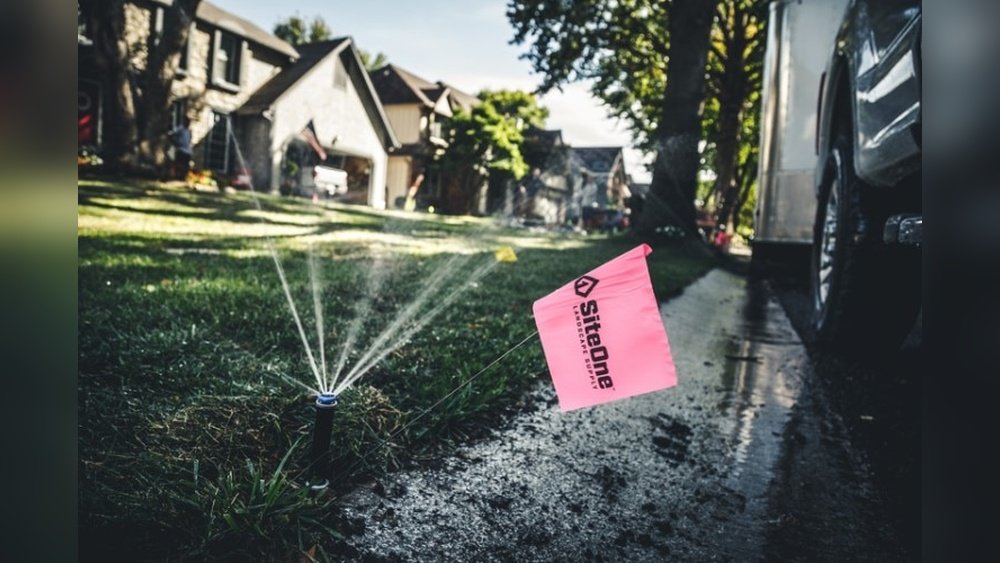
Are you tired of wasting water every time you water your plants? Choosing the right water-efficient irrigation system can save you money, protect your plants, and help the environment.
But with so many options out there, how do you pick the best one for your garden or lawn? You’ll discover simple, practical tips to select an irrigation system that delivers just the right amount of water—no more, no less.
Keep reading to learn how you can make your watering routine smarter, easier, and more effective starting today.
Water-efficient Irrigation Types
Choosing the right water-efficient irrigation system helps save water and keeps plants healthy. Different irrigation types suit various garden sizes and plant needs. Understanding each option makes it easier to pick the best fit for your plants and landscape. Here are some common water-efficient irrigation types.
Drip Irrigation
Drip irrigation delivers water slowly and directly to plant roots. It uses tubes with small holes or emitters near the base of plants. This method reduces water waste and evaporation. Drip systems work well for flower beds, vegetable gardens, and shrubs. They help soil absorb water deeply, encouraging strong root growth.
Soaker Hoses
Soaker hoses release water along their length through tiny pores. They lay on the soil surface or under mulch around plants. Water seeps out slowly, soaking the soil evenly. This system is simple to install and good for garden rows or raised beds. Soaker hoses reduce runoff and keep water where plants need it most.
Sprinkler Systems
Sprinklers spray water over a wide area like natural rain. Some sprinkler heads are designed to use less water by adjusting spray patterns. Choose sprinklers with low precipitation rates to avoid water loss from runoff. Timed watering and proper placement improve efficiency. Sprinklers suit lawns and larger garden spaces.
Smart Irrigation Controllers
Smart controllers adjust watering based on weather, soil, and plant needs. They use sensors and data to avoid overwatering. These systems reduce water use by watering only when necessary. Smart controllers can connect to smartphones for easy monitoring and control. They enhance all types of irrigation systems for better water savings.
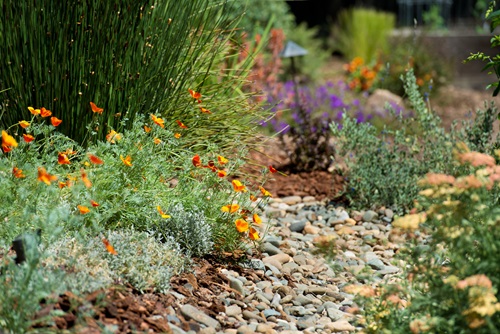
Credit: water.ca.gov
Factors Affecting System Choice
Selecting a water-efficient irrigation system depends on many factors. These factors ensure your plants get the right amount of water. They help avoid water waste and promote healthy growth.
Understanding these factors makes your choice easier and more effective. Knowing your plants and landscape needs leads to better irrigation results.
Plant Types And Water Needs
Different plants require different amounts of water. Some plants like succulents need little water. Others, like vegetables, need more frequent watering. Choose a system that matches your plants’ water needs. This avoids overwatering or underwatering.
Soil Characteristics
Soil type affects how water moves and is held. Sandy soil drains quickly and needs frequent watering. Clay soil holds water longer but drains slowly. Loamy soil balances drainage and retention well. Pick a system that suits your soil type for best results.
Landscape Slope And Layout
Slopes cause water runoff if watered too fast. Flat areas hold water better and allow deep soaking. Terraces or raised beds need careful watering to prevent erosion. Use irrigation that controls water flow based on your landscape shape.
Water Pressure And Availability
Water pressure affects how well your system works. Low pressure may cause uneven watering or weak spray. High pressure can damage pipes or fittings. Also, check how much water is available daily. Match your system to your water source limits for efficiency.
Flow Rate And Water Distribution
Understanding flow rate and water distribution is crucial for efficient irrigation. These factors ensure plants get the right amount of water without waste. Proper flow rate matches water supply with plant needs. Uniform water distribution prevents dry spots and overwatering. Both improve plant health and save water.
Selecting Drip Emitter Flow Rates
Choose drip emitters with flow rates that suit your plants. Low flow rates, like 0.5 to 2 gallons per hour, work well for small plants. Higher rates suit larger plants or trees. Match flow rate to soil type; sandy soils need slower rates. This avoids runoff and lets soil absorb water properly.
Managing Friction Loss In Tubing
Friction loss reduces water pressure inside tubes. Long tubing or small diameter pipes increase friction loss. Use larger diameter tubing to keep pressure steady. Avoid sharp bends and kinks in tubing. Check pressure at the farthest emitter to ensure even water flow throughout the system.
Ensuring Even Water Coverage
Place emitters evenly around each plant to cover roots well. Overlapping emitter zones help avoid dry patches. Test the system before full use by observing water output at all emitters. Adjust emitter placement or flow rates to fix uneven coverage. Consistent watering helps plants grow strong and healthy.
Watering Techniques For Efficiency
Efficient watering techniques help save water and promote healthy plants. Proper watering reaches roots deeply and reduces waste. These methods suit water-efficient irrigation systems well. They improve soil moisture without flooding or runoff. Understanding when and how to water is key to success.
Cycle And Soak Method
This method waters in short cycles with breaks in between. It lets water soak into soil slowly. It prevents runoff on slopes and hard soil. Deep roots develop because water reaches further down. Drip irrigation or sprinklers on slopes use this method best.
Timing Your Watering
Water plants early in the morning or late evening. Cooler temperatures reduce evaporation loss. Avoid watering during midday heat. This timing helps water soak into soil. It also keeps plant leaves dry, lowering disease risk.
Adjusting Frequency By Season
Water needs change with weather and plant growth. Water once a week in spring and fall. Increase to two or three times in hot summer. Reduce watering during rainy periods or cooler months. Seasonal adjustment saves water and keeps plants healthy.
Installation And Maintenance Tips
Proper installation and maintenance keep your irrigation system efficient and durable. Small efforts in setup and care help save water and protect plants. Follow simple steps to avoid common problems and ensure steady water flow.
Preparing Tubing For Installation
Lay tubing in the sun before installation. Warm tubing bends easily and fits better. Cut tubing cleanly with sharp scissors or a tubing cutter. Avoid kinks or sharp bends that block water. Use connectors to join tubing securely. Check connections for tightness to prevent leaks.
Regular System Checks
Inspect your irrigation system weekly. Look for damaged tubing or loose fittings. Check emitters for even water flow. Replace broken parts quickly. Monitor water pressure to keep it steady. Adjust timers to match plant needs and weather changes.
Preventing Clogs And Leaks
Flush tubing at the start of each season to clear debris. Use filters to stop dirt from entering the system. Clean or replace filters regularly. Repair leaks promptly to avoid water waste. Keep emitters free of soil and mineral buildup by soaking in vinegar.
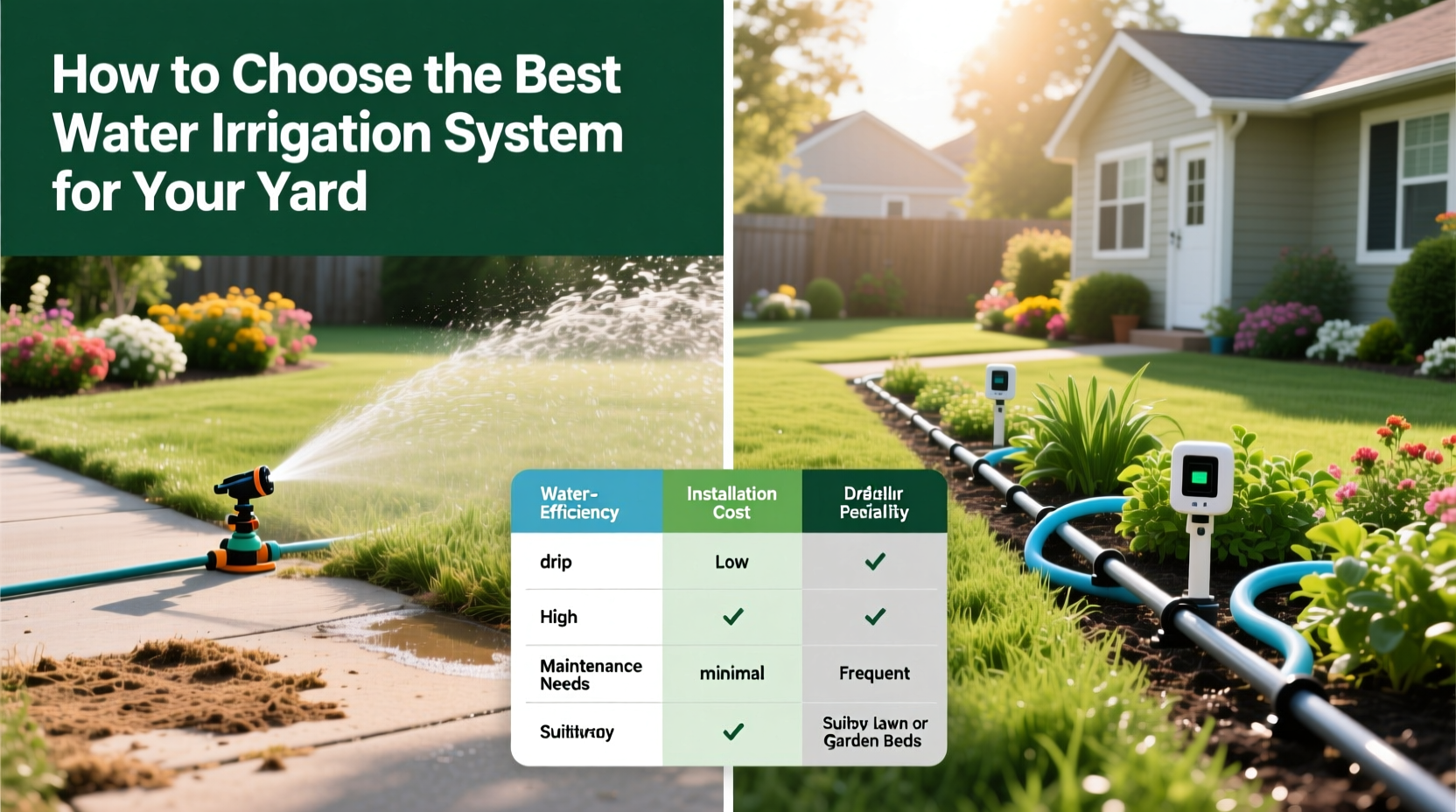
Credit: plantin.alibaba.com
Benefits Of Efficient Irrigation
Efficient irrigation systems save water and support healthy plant growth. They deliver water directly to roots, reducing waste. This method helps plants grow stronger and thrive in dry conditions. Choosing such a system benefits your garden and the environment.
Promoting Deep Root Growth
Efficient irrigation encourages roots to grow deep into the soil. Deep roots help plants access water during dry periods. This makes plants more drought-resistant and stable. Watering less often but more deeply trains roots to grow downward. Strong roots improve plant health and boost growth.
Reducing Water Runoff
Water runoff wastes water and can damage soil and plants. Efficient systems apply water slowly, allowing soil to absorb it fully. This prevents water from flowing away and causing erosion. Reduced runoff means more water reaches plant roots. It protects nearby areas from flooding and pollution.
Minimizing Disease And Weed Growth
Watering only the plant base keeps leaves dry and healthy. Dry leaves reduce the chance of fungal diseases. Efficient irrigation lowers surface moisture, which limits weed seeds from sprouting. Less water on soil surface means fewer weeds and healthier plants. This reduces the need for chemicals and extra care.
Adapting To Soil Types
Choosing the right irrigation system depends on understanding your soil type. Different soils absorb and hold water differently. Matching your irrigation to soil type saves water and keeps plants healthy.
Clay and sandy soils need different watering methods. Clay soils hold water but drain slowly. Sandy soils drain quickly but do not hold water well. Adjusting your irrigation system ensures efficient watering for each soil.
Irrigation For Clay Soils
Clay soil retains water for a long time. Water moves slowly through clay, so deep watering is best. Use drip irrigation or soaker hoses to deliver water slowly. Avoid sprinklers that apply water too fast. Water in short cycles to prevent runoff and pooling. This method helps water reach plant roots without wasting water.
Irrigation For Sandy Soils
Sandy soil drains water quickly. Plants can dry out fast in sandy soil. Use drip irrigation with frequent, light watering to keep roots moist. Avoid deep, infrequent watering that causes water to drain below roots. Choose emitters with a low flow rate for steady moisture. This keeps plants healthy without wasting water.
Water Conservation Practices
Water conservation practices are essential when selecting an irrigation system for your plants. Efficient watering saves water and supports healthy plant growth. Adopting smart watering habits helps reduce waste and lowers water bills. These practices ensure plants get the right amount of water without excess runoff or evaporation.
Observing Local Watering Schedules
Follow local watering schedules set by your city or water authority. These schedules are designed to conserve water during dry periods. Watering during early morning or late evening reduces evaporation. Avoid watering on windy days to prevent water loss. Respecting local rules helps protect your community’s water supply.
Using Timers And Smart Controllers
Timers and smart controllers automate your irrigation system. Set timers to water plants for short, frequent intervals. Smart controllers adjust watering based on weather and soil conditions. These devices prevent overwatering and save water. They make irrigation easier and more precise.
Monitoring Soil Moisture Levels
Check soil moisture regularly before watering. Use a soil moisture sensor or simply dig a small hole to test. Water only when soil feels dry below the surface. Proper moisture monitoring avoids watering on rainy days or when soil is still wet. This practice helps plants thrive with minimal water waste.
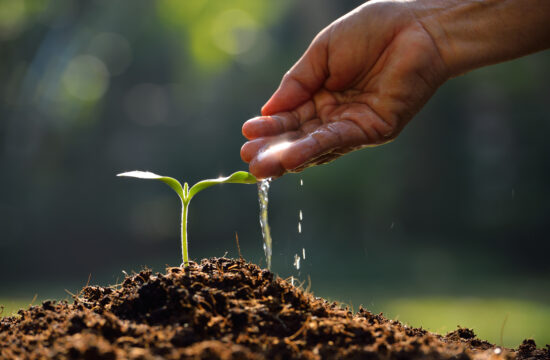
Credit: vlsci.com
Frequently Asked Questions
What Is The 30/30 Rule For Irrigation?
The 30/30 rule for irrigation means watering for 30 minutes, then waiting 30 minutes before watering again. This prevents runoff and improves soil absorption.
What Is The Most Water Efficient Irrigation System?
The most water-efficient irrigation system is drip irrigation. It delivers water directly to plant roots, minimizing evaporation and runoff. This targeted method maximizes water absorption and conserves resources, making it ideal for gardens, landscapes, and agricultural use.
What Is The 1/2/3/2:1 Watering Method?
The 1/2/3/2:1 watering method means watering 1 hour, resting 2, watering 3 hours, resting 2, then watering 1 hour. This cycle prevents runoff and promotes deep soil absorption.
What Is The 200 200 Rule For Irrigation?
The 200-200 rule for irrigation means applying 200 gallons of water per 1,000 square feet every 200 hours to maintain healthy soil moisture.
Conclusion
Choosing a water-efficient irrigation system saves water and helps plants grow strong. Focus on systems that deliver water directly to roots. Use methods like drip irrigation and cycle-and-soak watering for best results. Adjust watering times based on seasons and soil type.
Proper irrigation reduces water waste and keeps plants healthy. Start simple, observe your plants, and make changes as needed. Smart watering supports a greener garden and a healthier planet.