
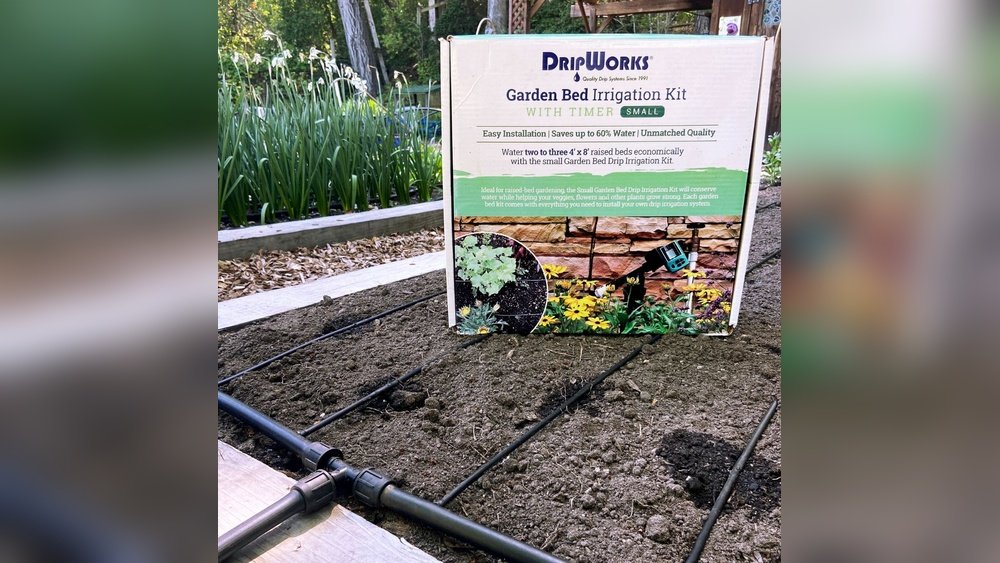
If you grow vegetables, you know how crucial watering is for a healthy, productive garden. But watering by hand can be time-consuming and uneven, leaving your plants thirsty or overwatered.
That’s where a drip irrigation system comes in—delivering water directly to the roots, saving you water“>saving you water and effort. Yet, choosing the best drip irrigation system for your vegetables isn’t always easy. With so many options and technical details, it’s easy to feel overwhelmed.
This guide will help you cut through the confusion, so you can pick the system that fits your garden’s needs perfectly. Keep reading to discover simple tips that will make your vegetable garden thrive like never before!
Types Of Drip Systems
Choosing the right drip irrigation system for your vegetable garden starts with understanding the types available. Each type has unique features and suits different garden needs. Knowing these will help you make a smart choice that saves water and boosts plant growth.
Surface Drip Irrigation
Surface drip irrigation delivers water directly to the soil surface near plant roots. It uses tubes or hoses with small emitters placed along rows of vegetables. This system is easy to install and adjust. It helps reduce water loss by targeting water where plants need it most.
Surface drip is ideal for raised beds and row crops“>raised beds and row crops. It keeps leaves dry, which lowers disease risk. Regular checks prevent clogging and ensure even watering. This type works well for most vegetable gardens.
Subsurface Drip Irrigation
Subsurface drip irrigation places tubes below the soil surface, near roots. This method reduces evaporation and keeps water in the root zone longer. It is perfect for areas with high evaporation rates or sandy soils.
This system requires careful installation to avoid damaging tubes during planting. It also keeps the garden tidy since drip lines are hidden. Subsurface drip can improve water efficiency and support healthy root growth.
Micro-spray Systems
Micro-spray systems use tiny nozzles to spray fine water mist over plants. They cover a wider area than drip emitters but use less water than traditional sprinklers. This system suits plants needing moist leaves or wider root watering.
Micro-sprays help cool plants in hot climates and reduce dust buildup. They work well for mixed vegetable beds and seedlings. Regular maintenance is needed to prevent nozzle clogging and uneven spray patterns.
Credit: www.rainbird.com
Key Components
Choosing the right drip irrigation system starts with understanding its key components. These parts work together to deliver water efficiently to your vegetable garden. Knowing each component helps you pick the best system for your plants’ needs. It also ensures easy setup and long-lasting performance.
Emitters And Drippers
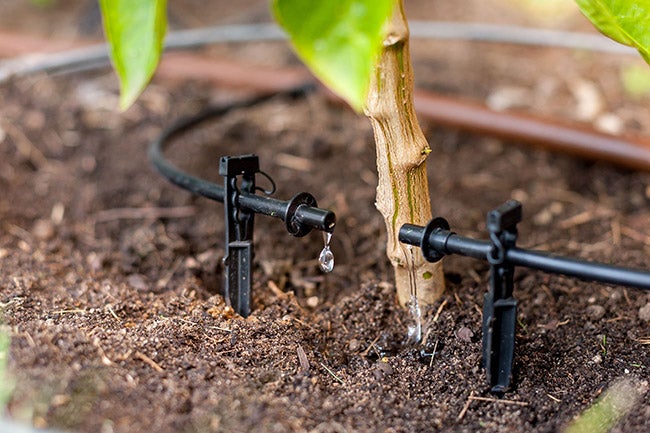
Emitters control the water flow to each plant. They release water slowly, preventing runoff and waste. Different emitters offer various flow rates. Choose one that matches your vegetable type and soil conditions. Drippers are a common type of emitter. They deliver water directly to the root zone. Using the right emitters helps keep soil moist and plants healthy.
Tubing And Fittings
Tubing carries water from the source to the emitters. It comes in different sizes and materials. Flexible tubing is easier to install around plants. Fittings connect tubing sections and help shape the system layout. Quality fittings prevent leaks and maintain water pressure. Proper tubing and fittings support efficient water distribution throughout your garden.
Filters And Pressure Regulators
Filters keep dirt and debris from clogging the system. Clean water ensures smooth operation of emitters. Pressure regulators control water pressure in the tubing. They protect emitters from damage caused by high pressure. Using both filters and pressure regulators extends system life. They also improve watering consistency for your vegetables.
Flow Rate And Pressure
Understanding flow rate and pressure is vital for choosing a drip irrigation system for vegetables. These two factors control how water reaches each plant. Proper flow rate ensures plants get enough water. Correct pressure keeps water moving evenly through the system. Both affect the system’s efficiency and plant health.
Choosing The Right Flow Rate
Flow rate means how much water flows through the system per minute. Vegetable plants need different amounts of water. Choose a flow rate that matches the needs of your vegetables. Too high a flow rate can waste water and flood plants. Too low can leave plants dry. Check the drip emitters’ flow rate on the package before buying.
Managing Pressure Loss
Pressure loss happens when water moves through long tubes or many emitters. Water pressure drops as it travels farther. This causes uneven watering. Use pressure regulators or pumps to keep pressure steady. Avoid very long tubing runs without pressure control. This keeps water flow balanced and prevents damage to the system.
Impact On Water Distribution
Correct flow rate and pressure ensure water spreads evenly. Even water distribution means all vegetable plants get the same amount of water. Uneven watering can cause some plants to overgrow and others to dry out. Proper balance also saves water and reduces waste. Check your system often to make sure water flows evenly from each emitter.

Credit: www.reneesgarden.com
System Design Tips
Designing an efficient drip irrigation system starts with smart planning. Proper system design helps deliver water evenly to all vegetable plants. It saves water and boosts plant health. Focus on line length, emitter spacing, and zoning. These factors affect water pressure and coverage.
Plan your system to match your garden’s shape and size. Keep the design simple for easy maintenance and adjustments. These tips guide you to build a reliable irrigation setup for your vegetables.
Line Length And Layout
Keep drip line runs within recommended lengths to avoid pressure loss. Long lines cause water pressure to drop, leading to uneven watering. Use shorter lines or add pressure regulators to keep flow steady.
Arrange lines to follow garden rows closely. Avoid sharp bends and loops that slow water flow. A straight layout improves water distribution and reduces clogs.
Emitter Spacing
Place emitters according to vegetable root zones. Closer spacing suits plants with shallow roots. Wider spacing fits deep-rooted crops. Match emitter spacing to plant types for efficient watering.
Use emitters with the right flow rate. Low flow rates work well for young plants. Higher flow rates suit mature plants needing more water. Adjust emitter spacing and flow based on plant needs.
Zoning For Vegetables
Divide your garden into zones based on plant water needs. Group plants with similar requirements together. This approach prevents overwatering or underwatering.
Use separate valves for each zone. This setup allows tailored watering schedules. Control water delivery easily and save water by irrigating only what each zone needs.
Installation Considerations
Installing a drip irrigation system for vegetables requires careful planning. Proper installation ensures efficient water use and healthy plant growth. Consider key factors before starting the setup process. These include preparing the site, connecting to the water source, and testing the system. Each step helps avoid common issues and saves time later.
Site Preparation
Clear the planting area of weeds and debris. Level the soil surface to promote even water distribution. Mark rows or beds where the drip lines will run. Check for any slopes or uneven spots that could affect water flow. Preparing the site well prevents water waste and ensures plants receive the right amount of moisture.
Connecting To Water Source
Choose a clean, reliable water source for your system. Attach a pressure regulator to control water pressure. Use a filter to keep dirt and particles from clogging emitters. Connect the main tubing securely to the water outlet. Proper connections reduce leaks and maintain steady water flow to plants.
Testing And Adjustments
Turn on the system and observe water flow through all emitters. Check for leaks, blockages, or uneven watering. Adjust emitter placement or pressure settings as needed. Make sure each plant receives enough water without flooding. Regular testing helps maintain system efficiency and supports healthy vegetable growth.
Maintenance And Troubleshooting
Maintaining your drip irrigation system keeps vegetables healthy and water use efficient. Troubleshooting helps fix small problems before they grow. Regular care extends the system’s life and saves money. Follow simple steps to keep your system working well all season.
Cleaning Emitters
Emitters can clog from dirt and minerals in water. Cleaning them ensures water flows evenly to plants. Remove emitters and soak them in vinegar or a mild acid solution. Use a small brush or needle to clear blockages. Rinse emitters well before reinstalling. Clean emitters every few weeks for best results.
Detecting Leaks
Leaks waste water and reduce system pressure. Check tubing for wet spots or pools of water. Listen for hissing sounds along the lines. Inspect connectors and joints carefully. Replace damaged parts immediately. Test the system by running water and watching for drops in pressure or water loss.
Seasonal Care
Prepare your drip irrigation system for each season. Flush lines with clean water to remove debris. Drain water before winter to prevent freezing damage. Store parts indoors if possible. Inspect the system before spring planting. Replace worn tubing or emitters to ensure smooth operation.
Cost And Budgeting
Choosing the right drip irrigation system for your vegetable garden involves careful planning of costs and budgeting. Understanding the financial aspects helps you select a system that fits your needs without overspending. Consider not just the price tag, but also ongoing expenses and potential savings over time. A clear view of costs ensures smart investment and efficient gardening.
Initial Investment
The initial investment covers the price of the drip irrigation kit and installation. Kits vary in size and complexity, affecting the cost. Simple systems for small gardens cost less. Larger setups with advanced features require more money. Factor in the price of tubing, emitters, filters, and timers. Sometimes professional installation adds to the initial cost. Compare prices from different suppliers before buying.
Operating Costs
Operating costs include water, electricity, and maintenance expenses. Drip systems usually save water compared to sprinklers, lowering your water bill. Timers and pumps may use electricity, adding to costs. Regular maintenance prevents clogs and leaks, avoiding costly repairs. Keep spare parts handy to fix minor issues quickly. Budget for yearly checks to keep the system running smoothly.
Long-term Savings
Drip irrigation can save money over the years through water efficiency. Plants get water directly at the roots, reducing waste. This improves vegetable yield and quality, increasing garden value. Less water use means lower utility bills. Reduced plant stress lowers the need for fertilizers and pesticides. Investing in a good system pays off with healthier crops and less resource use.
Environmental Benefits
Choosing the right drip irrigation system for your vegetable garden benefits more than just your plants. It also helps protect the environment. Efficient irrigation saves water and reduces waste. It supports healthier plants and soil. Understanding the environmental benefits can guide you in picking the best system.
Water Conservation
Drip irrigation delivers water directly to the plant roots. This method cuts water loss from evaporation or wind. It uses less water than traditional sprinklers. Saving water is vital in dry areas. Conserving water also lowers your utility bills. A good system ensures each plant gets just enough water.
Reducing Runoff
Runoff happens when water flows over the soil surface. It can wash away nutrients and cause soil erosion. Drip irrigation applies water slowly and evenly. This reduces runoff and keeps soil in place. Less runoff means fewer chemicals reach nearby water bodies. This protects local ecosystems and keeps the environment clean.
Improving Plant Health
Watering at the roots helps plants grow strong and healthy. Leaves stay dry, lowering the chance of disease. Healthy plants resist pests better and produce more vegetables. A well-watered garden needs fewer fertilizers and pesticides. This reduces harmful chemicals in your soil and water. Drip irrigation supports a thriving, eco-friendly vegetable garden.
Credit: wellness.alibaba.com
Frequently Asked Questions
What Is The 30/30 Rule For Drip Irrigation?
The 30/30 rule limits drip irrigation lines to 30 feet length and 30 gallons per hour flow. This ensures even water pressure and uniform watering.
What Is The 200/200 Rule For Drip Irrigation?
The 200/200 rule limits drip irrigation tubing to 200 feet length and 200 gallons per hour flow. It prevents pressure loss and ensures uniform watering.
Should I Use 13mm Or 19mm Irrigation?
Use 13mm irrigation for short runs and low flow. Choose 19mm for longer distances or higher flow to maintain pressure and uniform watering.
How Many Drippers Can I Run On One Line?
You can run 20 to 30 drippers per 100 feet of tubing, depending on flow rate and pressure. Ensure uniform water distribution by maintaining proper pressure and avoiding excessive line length. Check your system’s specifications for optimal dripper count on one line.
Conclusion
Choosing the right drip irrigation system helps your vegetables grow healthy. Consider water needs, garden size, and budget carefully. A good system saves water and time while feeding plants well. Check tubing length and emitter flow for even watering. Simple setups work best for small gardens.
Regularly inspect your system to avoid clogs or leaks. With the right choice, your garden will thrive all season. Start with these tips to enjoy fresh, well-watered vegetables every harvest.