
If you want a lush, green lawn without spending hours watering every week, setting up a timed watering system is the solution you’ve been looking for. Imagine your lawn getting just the right amount of water, exactly when it needs it, without you lifting a finger.
Not only does this save you time and effort, but it also helps save water and keeps your grass healthy and vibrant. You’ll learn step-by-step how to set up a timed watering system for your lawn, so you can enjoy a beautiful yard while making your lawn care routine easier and smarter.
Ready to get started? Let’s dive in!
Choosing The Right Timer
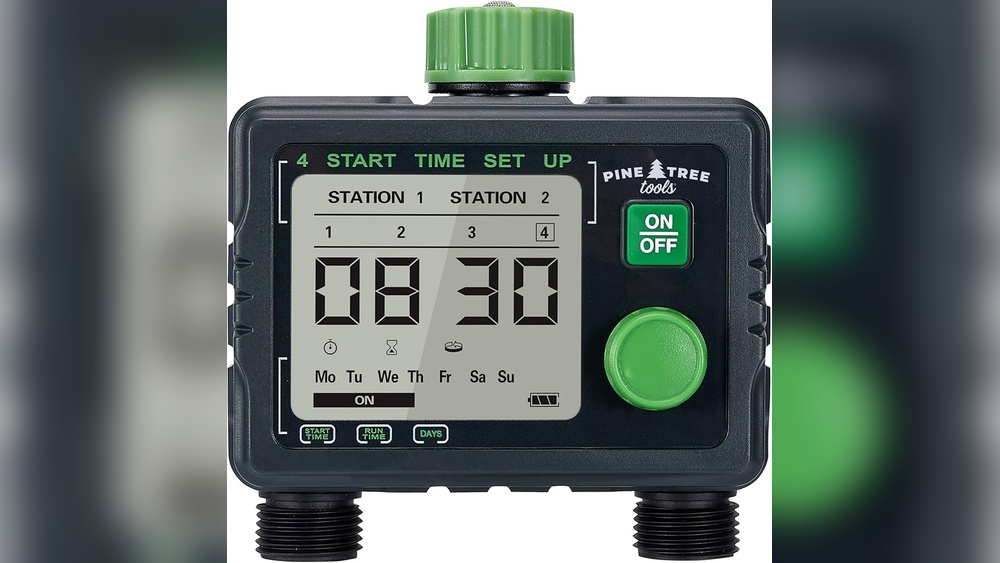
Choosing the right timer is key for an effective lawn watering system. A good timer controls watering schedules and saves water. It ensures your lawn gets the right amount of water at the best time. Picking the correct timer depends on your lawn size, water source, and your needs.
Types Of Timers
Mechanical timers use simple dials and are easy to set. They work well for small yards. Digital timers offer more options. They let you program multiple watering times each day. Smart timers connect to Wi-Fi and adjust watering based on weather. They save water and keep your lawn healthy.
Features To Consider
Look for timers with easy-to-use controls. Backlit displays help in low light. Multiple programs let you water different zones separately. Rain sensors stop watering during rain. Battery backup keeps settings during power loss. Waterproof design helps timers last outside.
Budgeting For Your Timer
Mechanical timers cost less but have fewer features. Digital timers are mid-range and offer more control. Smart timers cost more but save water and effort. Choose a timer that fits your budget and meets your watering needs. Think of the timer as an investment in your lawn’s health.

Credit: www.amazon.com
Planning Your Watering Zones
Planning your watering zones is the first step to creating an efficient timed watering system. It helps deliver the right amount of water to each part of your lawn. Proper planning saves water and keeps your grass and plants healthy.
Dividing your lawn into zones ensures that different areas receive the watering they need. Each zone can have its own schedule based on plant type, soil, and sunlight.
Mapping Your Lawn
Start by drawing a simple map of your lawn. Mark all the areas where grass, flowers, or shrubs grow. Note any hard surfaces like patios or driveways that do not need water. This map will guide you in setting up your watering system.
Determining Watering Needs
Different plants and grass types need different amounts of water. Check the water needs for each area on your map. Consider soil type, as sandy soil drains faster than clay. Also, think about how much sunlight each zone gets during the day.
Grouping Plants And Grass
Group plants with similar watering needs into the same zone. For example, place drought-tolerant plants together. Keep grass areas separate from flower beds. This grouping helps you set timers that match each zone’s water requirements.
Gathering Supplies
Gathering the right supplies is the first step to setting up a timed watering system. Preparing ahead saves time and avoids interruptions during installation. Having everything on hand makes the process smooth and efficient.
Essential Components
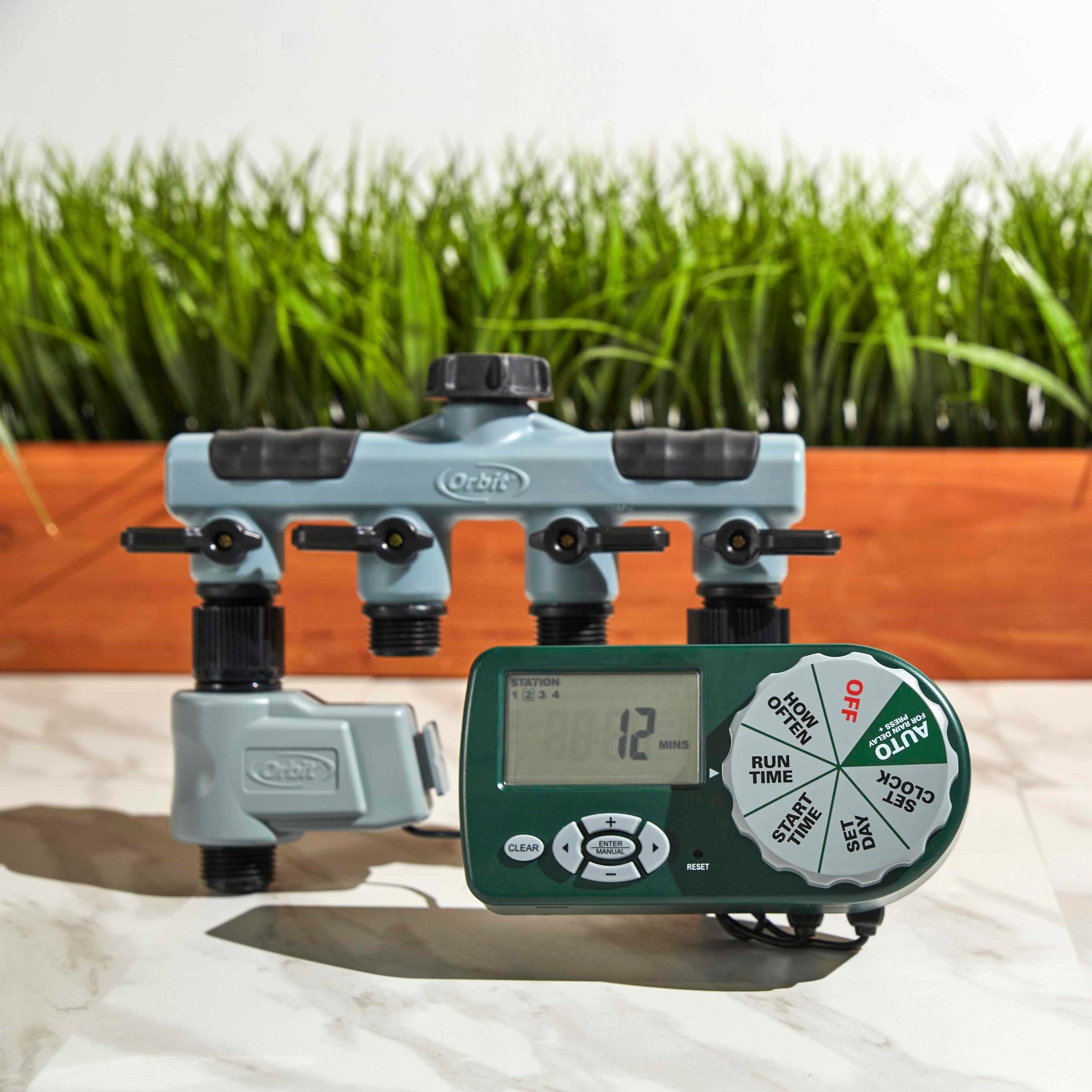
You will need a water timer to control watering schedules automatically. Choose a timer that fits your water source and budget. Sprinkler heads or drip emitters deliver water evenly across your lawn. Pipes or hoses connect all parts of the system. Valves control water flow to different zones of your lawn.
Tools Required
Prepare basic tools for installation. A shovel helps dig trenches for pipes. A screwdriver is needed to attach the timer and sprinkler heads. Pipe cutters make clean cuts on hoses or pipes. Teflon tape seals threaded connections to prevent leaks. A wrench tightens fittings securely.
Optional Accessories
Consider adding a rain sensor to pause watering during rain. A backflow preventer stops water from flowing back into your main supply. Pressure regulators keep water pressure steady for efficient watering. Filter screens prevent dirt from clogging sprinkler heads. These accessories improve system performance and protect your lawn.
Credit: www.orbitonline.com
Installing The Timer And Controller
Installing the timer and controller is a key step in setting up a timed watering system. This device manages when and how long your lawn gets watered. Proper installation ensures your system runs smoothly and saves water effectively.
Selecting Installation Location
Choose a spot near your main water source. The location must be dry and easy to reach. Avoid places exposed to direct sunlight or heavy rain. Make sure there is a nearby power outlet if your timer needs electricity. Select a place that allows easy access for future adjustments or repairs.
Connecting To Water Source
Turn off the main water supply before starting. Attach the timer’s inlet to your outdoor faucet or pipe using a hose connector. Use plumber’s tape on threads to avoid leaks. Tighten connections firmly but do not overtighten. Check for leaks by slowly turning the water back on. Fix any dripping before proceeding.
Mounting The Controller
Mount the controller on a flat surface such as a wall or post. Use screws or brackets provided with the timer. Position the controller at a comfortable height for easy use. Ensure it is secure and does not wobble. Protect the controller from extreme weather by placing it under a cover or roof overhang.
Setting Up Irrigation Lines
Setting up irrigation lines is a crucial step in installing a timed watering system for your lawn. Properly laid lines ensure water reaches every part of your yard efficiently. This process involves placing mainline pipes, installing valves and sprinklers, and running control wires. Each step builds the foundation for a reliable watering system that saves water and keeps your lawn healthy.
Laying Mainline Pipes
Mainline pipes carry water from the source to different lawn zones. Use durable PVC or polyethylene pipes for this task. Dig trenches about 6 to 12 inches deep along your planned irrigation path. Lay the mainline pipes in the trenches, connecting sections securely with fittings. Avoid sharp bends to maintain good water flow. Cover the pipes with soil once all connections are tight and leak-free.
Installing Valves And Sprinklers
Valves control water flow to each sprinkler zone. Install valves in a valve box near the mainline pipe. Connect each valve to a lateral pipe that leads to sprinklers. Place sprinklers evenly to cover all lawn areas without overlap. Use pop-up sprinklers for lawns and drip emitters for flower beds. Test each valve and sprinkler to ensure proper operation before covering pipes.
Running Control Wires
Control wires link valves to the irrigation controller. Use low-voltage wires rated for outdoor use. Lay wires in the same trench as the pipes or in a separate shallow trench. Connect wires to each valve’s solenoid and run them back to the controller location. Label each wire for easy troubleshooting. Secure wires to avoid damage and test the electrical connections before finalizing the setup.
Credit: gilmour.com
Programming Your Watering Schedule
Programming your watering schedule is key to a healthy lawn and efficient water use. A well-set schedule ensures your lawn receives the right amount of water at the best times. It helps avoid overwatering and reduces water waste. Follow these steps to program your watering system effectively.
Setting Date And Time
Begin by setting the correct date and time on your timer. This step is essential for the system to run on schedule. Use the control panel or app to enter the current day, month, and year. Then set the exact time, including AM or PM. Confirm these settings before moving to the next step.
Choosing Start Times
Select the time when you want the watering to start. Early morning is ideal to reduce evaporation. Some systems allow multiple start times per day. Set these carefully to avoid overlapping watering sessions. Make sure the start times align with your local watering rules and weather.
Adjusting Run Times
Set how long each watering session will run. This depends on your lawn size and soil type. Shorter run times prevent water runoff. You can adjust run times for different zones if your system supports it. Monitor your lawn and tweak these times for best results.
Selecting Watering Days
Choose the days your system will water the lawn. Most lawns do well with watering three times per week. Avoid daily watering to save water and strengthen roots. Some timers let you skip watering on rainy days automatically. Set your watering days based on local guidelines and lawn needs.
Testing And Adjusting
Testing and adjusting your timed watering system ensures it works efficiently. This step prevents water waste and promotes a healthy lawn. Careful checks help catch any issues early. Adjustments improve the system’s performance and save water over time.
Checking For Leaks
Turn on the system and watch all pipes and connections closely. Look for dripping or pooling water near joints and valves. Even small leaks can reduce water pressure. Fix leaks by tightening fittings or replacing damaged parts. Regular leak checks protect your system and lawn health.
Ensuring Coverage
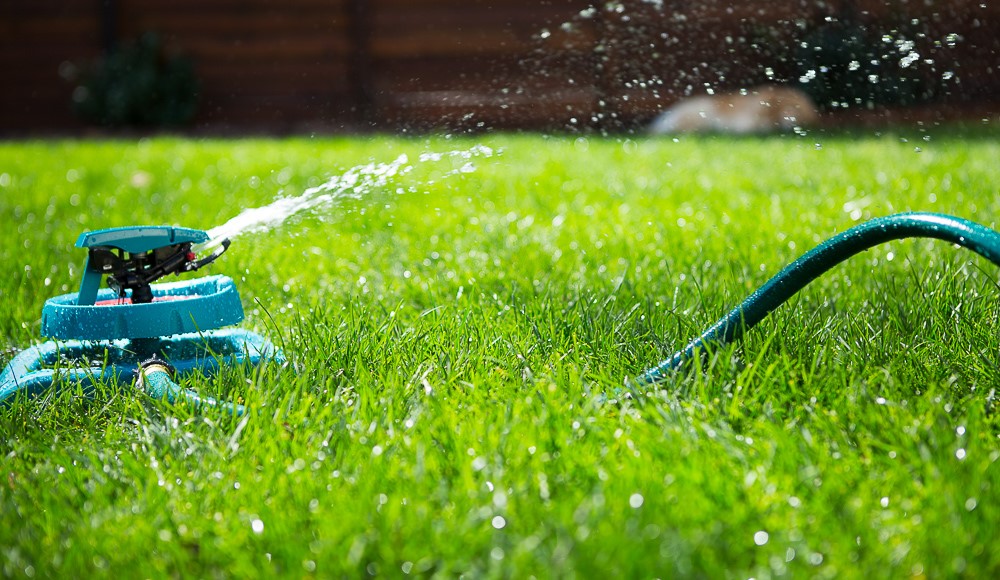
Observe how water sprays from each sprinkler head. Make sure all lawn areas receive water evenly. Adjust sprinkler angles to cover dry spots. Avoid watering sidewalks or driveways to save water. Proper coverage keeps your lawn green and reduces water bills.
Fine-tuning Timings
Set watering times based on your lawn’s needs and local climate. Start with shorter run times and increase if needed. Water early in the morning to reduce evaporation. Adjust the schedule seasonally for best results. Fine-tuning timings helps your lawn thrive while conserving water.
Maintaining Your System
Maintaining your timed watering system keeps your lawn healthy and your system efficient. Regular care prevents problems and saves water. Small checks ensure everything works well throughout the year. Follow these steps to keep your system in top shape.
Regular Inspections
Check your system every few weeks. Look for broken sprinkler heads or clogged nozzles. Clean dirt or debris from filters and screens. Make sure all pipes are secure and not leaking. Test the timer and valves to confirm they turn on and off as set.
Seasonal Adjustments
Change watering schedules with the seasons. Water less in cooler months and more in hot, dry weather. Adjust run times to match your lawn’s needs. Winterize your system before freezing weather to avoid damage. Remove or cover sprinklers if needed during winter.
Troubleshooting Common Issues
Fix low water pressure by checking for leaks or blockages. Replace worn or broken sprinkler heads quickly. Clear any clogs in the pipes or nozzles. Reset the timer if it stops working properly. Consult the manual for error codes or unusual behavior.
Frequently Asked Questions
What Is The Best Watering Schedule For My Lawn?
Water your lawn 2-3 times weekly, early morning, for 20-30 minutes each session. Adjust based on weather and soil moisture.
How To Keep Plants Watered While On Vacation For 2 Weeks?
Use self-watering pots or capillary wicks to supply water gradually. Set up an automatic drip irrigation system for consistent watering. Ask a friend to water your plants regularly. Group plants together to retain humidity. Mulch soil to reduce evaporation and keep roots moist.
How To Set Up An Automated Watering System?
Install a water source connection and automatic irrigation controller. Lay mainline, valves, pipes, and sprinklers. Connect control wires. Program timer with start times, run durations, and watering days. Test the system to ensure proper operation.
What Is The 30/30 Rule For Irrigation?
The 30/30 rule for irrigation means watering for 30 minutes every 30 days. It helps maintain healthy soil moisture without overwatering.
Conclusion
Setting up a timed watering system saves water and time. It keeps your lawn healthy and green. Choose the right timer and sprinkler for your needs. Follow the steps carefully for proper installation. Test the system to ensure it works well.
Adjust the schedule based on weather and lawn type. Regular maintenance helps the system last longer. Enjoy a beautiful lawn with less effort and worry. A simple system makes lawn care easier every day. Start today and watch your lawn thrive.