
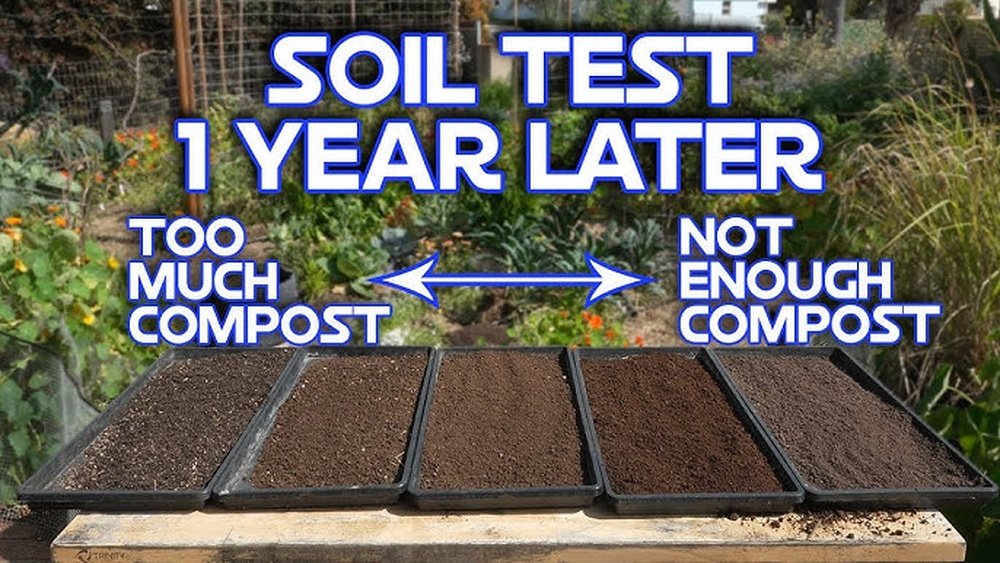
Are you noticing your plants struggling even though you’ve added plenty of compost to your soil? Too much compost can actually harm your garden, making it hard for your plants to grow strong and healthy.
But don’t worry—you can fix this and bring your soil back into balance. You’ll learn simple, practical steps to handle excess compost in your soil. Keep reading to discover how to protect your plants and create the perfect environment for them to thrive.
Signs Of Excess Compost
Too much compost in soil can cause problems for plants and soil health. It is important to notice signs that show excess compost is present. These signs help you fix the issue before plants suffer. Watch for changes in soil texture, plant health, and nutrient balance.
Soil Texture Changes
Excess compost makes soil feel different. It may become too soft or sticky. Water might not drain well. Soil could stay wet for a long time. This stops air from reaching roots. Roots need air to grow strong and healthy.
Plant Health Issues
Plants may look weak or sick with too much compost. Leaves can turn yellow or brown. Growth may slow down or stop. Some plants might wilt even if soil is wet. This shows roots are struggling to absorb water and nutrients.
Nutrient Imbalance Symptoms
Too much compost can cause nutrient problems. Soil might have too many nutrients like nitrogen. This can burn plants or stop them from growing well. Some nutrients may block others, causing shortages. Plants can show spots, curling leaves, or poor color.
Causes Of Compost Overload
Too much compost in soil can cause problems for plants. It affects soil balance and plant health. Understanding the causes helps prevent compost overload. Here are the main reasons soil ends up with too much compost.
Overapplication
Applying compost is good, but too much can harm soil. People often add more compost than plants need. This extra compost changes soil nutrients and water flow. Overapplication can lead to poor plant growth and nutrient lock-up.
Poor Compost Quality
Not all compost is equal. Low-quality compost may have too many salts or bad materials. This can damage soil and plants. Poor compost breaks down slowly or unevenly. It can cause nutrient imbalances and soil structure problems.
Lack Of Soil Testing
Without testing soil, it is hard to know nutrient levels. Many gardeners add compost blindly. This causes excess nutrients or harmful build-up. Soil testing guides how much compost to add safely. It prevents overload and keeps plants healthy.
Effects On Soil And Plants
Too much compost in the soil can change how plants grow and how healthy the soil stays. It is important to know what happens to the soil and plants with extra compost. Some effects can harm plant roots and stop them from getting enough air or water. Others can cause the soil to hold too many nutrients or change its natural balance. Understanding these effects helps in keeping the soil healthy and plants strong.
Reduced Aeration
Excess compost can fill the spaces between soil particles. This blocks air from moving through the soil. Plant roots need air to breathe and grow well. Without enough air, roots may start to rot or die. Poor aeration also slows down helpful soil microbes. These microbes need air to break down organic matter. Soil with less air feels heavy and wet. Plants in this soil struggle to absorb water and nutrients.
Nutrient Toxicity
Too much compost adds many nutrients to the soil. Some nutrients, like nitrogen and phosphorus, can become too high. High nutrient levels can burn plant roots. This causes leaves to turn yellow or brown. Plants may stop growing or produce fewer flowers and fruits. Nutrient toxicity also harms soil life. Beneficial insects and microbes can die from too many nutrients. Balanced nutrients are key for healthy plant growth.
Altered Ph Levels
Compost changes the soil’s pH, or its acidity and alkalinity. Too much compost can make soil too acidic or too alkaline. Most plants grow best in neutral pH. If the pH is off, plants cannot absorb nutrients properly. This leads to poor growth and weak plants. Soil pH also affects which microbes can live there. A wrong pH level reduces soil health and fertility.

Credit: soilsmatter.wordpress.com
Steps To Correct Excess Compost
Excess compost in soil can harm plant growth and soil health. Correcting this problem improves soil balance and plant vitality. Follow simple steps to fix too much compost and restore soil quality.
Diluting With Soil
Add regular garden soil to reduce compost concentration. Mix well to blend compost and soil evenly. This lowers nutrient levels and improves soil texture. Use clean soil free of weeds or contaminants.
Adding Amendments
Incorporate sand, perlite, or small gravel to lighten soil. These materials help balance compost richness and improve air flow. Adding organic matter like peat moss can also help. Amendments create a better environment for roots.
Improving Drainage
Too much compost can cause water to pool and suffocate roots. Create drainage by loosening soil and adding coarse materials. Raised beds or drainage channels also help excess water escape. Good drainage prevents root rot and promotes healthy growth.
Preventing Compost Overuse
Too much compost in soil can cause problems for plants. It may lead to poor growth and nutrient imbalance. Preventing compost overuse helps keep soil healthy and plants strong.
Careful steps can avoid using too much compost. Proper measuring, testing soil, and choosing good compost are key. These actions protect your garden from compost overload.
Proper Compost Measurement
Measure compost carefully before adding it to soil. Use a container or scoop to control the amount. Apply only what plants need to avoid excess nutrients.
Follow recommended amounts for different plants and soil types. Overuse can harm roots and stop water flow. Balance is important for a healthy garden.
Regular Soil Testing
Test soil regularly to check nutrient levels and pH. Soil tests show if compost is needed or too much is present. Adjust compost use based on test results.
Testing prevents adding unnecessary compost. It helps keep soil balanced and supports plant health. Use simple soil test kits or send samples to labs.
Choosing Quality Compost
Select compost made from natural materials and fully decomposed. Good compost has balanced nutrients and no harmful chemicals. Poor compost can add toxins or weed seeds.
Quality compost breaks down well in soil and feeds plants slowly. It reduces risk of overuse and soil damage. Buy from trusted sources or make your own carefully.

Credit: www.gardenmyths.com
Alternative Uses For Surplus Compost
Having too much compost in your soil can be a common problem. Instead of wasting it, find ways to use the extra compost around your home or garden. This section covers simple, helpful ideas to make the most of surplus compost.
Mulching
Spread compost over your garden beds as mulch. It helps keep soil moist and cool. Mulch also stops weeds from growing too much. Using compost mulch improves soil quality over time. It breaks down slowly and feeds your plants.
Compost Tea
Make compost tea by soaking compost in water. This liquid contains nutrients and helpful microbes. Use it to water your plants and give them a nutrient boost. Compost tea helps plants grow stronger and resist pests. It is easy to prepare and very useful.
Sharing With Neighbors
Give extra compost to friends or neighbors who garden. Sharing compost builds community and helps others grow healthy plants. It is a good way to reduce waste and spread the benefits of compost. Many gardeners will appreciate the free, rich compost.
Credit: www.youtube.com
Frequently Asked Questions
What Happens If You Add Too Much Compost To Soil?
Too much compost can cause nutrient imbalances and poor soil structure. It may lead to excessive nitrogen, harming plants. Overly rich soil can also retain too much moisture, causing root rot. Proper compost amounts ensure healthy, well-drained soil for optimal plant growth.
How Can I Fix Soil With Excess Compost?
To fix soil with excess compost, mix in sand, perlite, or garden soil. This improves drainage and balances nutrients. You can also dilute compost by adding organic matter like straw or leaves. Avoid adding more compost until soil conditions normalize.
Can Too Much Compost Harm My Plants?
Yes, too much compost can harm plants. It may cause nutrient burn or root damage. High nitrogen levels can stunt growth and reduce flowering. Excess moisture retention can lead to fungal diseases. Always apply compost in moderation for healthy plants.
How To Reduce Compost Levels In Garden Soil?
To reduce compost levels, remove some soil and replace it with fresh topsoil or sand. You can also plant cover crops to absorb excess nutrients. Another method is tilling the soil to mix and balance compost content naturally.
Conclusion
Too much compost can harm your soil and plants. Balance is key for healthy growth. Spread compost evenly and mix it well with soil. Use less compost in one spot to avoid problems. Check soil regularly to see how it changes.
Good soil helps plants grow strong and healthy. Take time to fix soil issues early. With care, your garden will thrive and produce well. Simple steps keep your soil in top shape. Keep learning and observing your garden’s needs.