
Are you ready to see your garden thrive like never before? Applying fertilizer to your garden soil is one of the simplest ways to boost plant growth and get vibrant blooms or bountiful veggies.
But if you’re unsure how much to use, when to apply it, or which type is best, your efforts might fall short. This guide will walk you through easy, effective steps to feed your soil the right way. Keep reading, and you’ll discover how to give your garden the nutrients it needs to flourish all season long.
:strip_icc()/Fertilizing-plants-0440837aeee64749832645ba62572f95.jpg)
Credit: www.bhg.com
Choosing The Right Fertilizer
Choosing the right fertilizer is key to a healthy garden. The right fertilizer helps plants grow strong and produce more flowers or vegetables. It improves soil quality and supports plant health. Knowing which fertilizer to use depends on your garden’s needs and the types of plants you grow.
Types Of Fertilizers
Fertilizers come in several forms. Granular fertilizers release nutrients slowly. Liquid fertilizers provide quick nutrients to plants. Some fertilizers are made for specific plants like tomatoes or roses. Choose one that matches your plant type and growth stage.
Organic Vs. Synthetic Options
Organic fertilizers come from natural sources like compost or manure. They improve soil health over time. Synthetic fertilizers are made in factories and work faster. They supply nutrients directly but may not improve soil structure. Both types have benefits depending on your garden goals.
Nutrient Requirements For Plants
Plants need three main nutrients: nitrogen, phosphorus, and potassium. Nitrogen helps leaves grow green and strong. Phosphorus supports root and flower development. Potassium strengthens the plant’s overall health. Check your soil and plant needs to pick the right nutrient balance.

Credit: yardandgarden.extension.iastate.edu
Preparing Your Garden Soil
Preparing your garden soil is the first step to healthy plants and good harvests. Soil needs care before adding fertilizer. Proper preparation helps plants absorb nutrients better. It also improves soil structure and supports root growth.
Soil Testing Methods
Testing soil shows what nutrients it lacks or has too much of. You can use a simple home test kit or send soil samples to a lab. Take samples from different parts of your garden for accurate results. Follow instructions carefully to get the best readings. Knowing your soil’s needs helps you choose the right fertilizer.
Improving Soil Texture
Soil texture affects water drainage and air flow to roots. Sandy soil drains too fast and may need organic matter. Clay soil holds water but can become hard and compact. Mix compost, peat, or aged manure to improve both types. Looser soil helps roots grow deep and strong.
Balancing Soil Ph
Soil pH measures how acidic or alkaline the soil is. Most plants prefer a pH between 6 and 7. Test your soil to find its pH level. Add lime to raise pH or sulfur to lower it. Balanced pH helps plants take up nutrients easily.
Timing Fertilizer Application
Timing fertilizer application matters for healthy garden growth. Applying fertilizer at the right time helps plants absorb nutrients better. It also reduces waste and protects the environment. Knowing when to fertilize makes your garden thrive.
Best Seasons For Fertilizing
Spring and fall are the best seasons for fertilizing garden soil. In spring, plants start growing and need nutrients. Fall helps prepare plants for winter and next year’s growth. Avoid fertilizing in extreme heat or cold. This keeps plants safe and healthy.
Frequency Of Application
Fertilize your garden every 4 to 6 weeks during the growing season. Too often can harm plants and soil. Follow instructions on the fertilizer package. Different plants may need different schedules. Regular feeding keeps plants strong and vibrant.
Avoiding Overfertilization
Overfertilization can burn roots and damage plants. Use only the recommended amount of fertilizer. Excess nutrients can wash away and pollute water. Watch plants for signs like yellow leaves or slow growth. Correct timing and amounts keep your garden safe.
Techniques For Applying Fertilizer
Applying fertilizer to garden soil helps plants grow strong and healthy. Different methods suit different plants and garden sizes. Choosing the right technique improves nutrient delivery and reduces waste. Here are simple ways to apply fertilizer effectively.
Broadcasting And Spreading
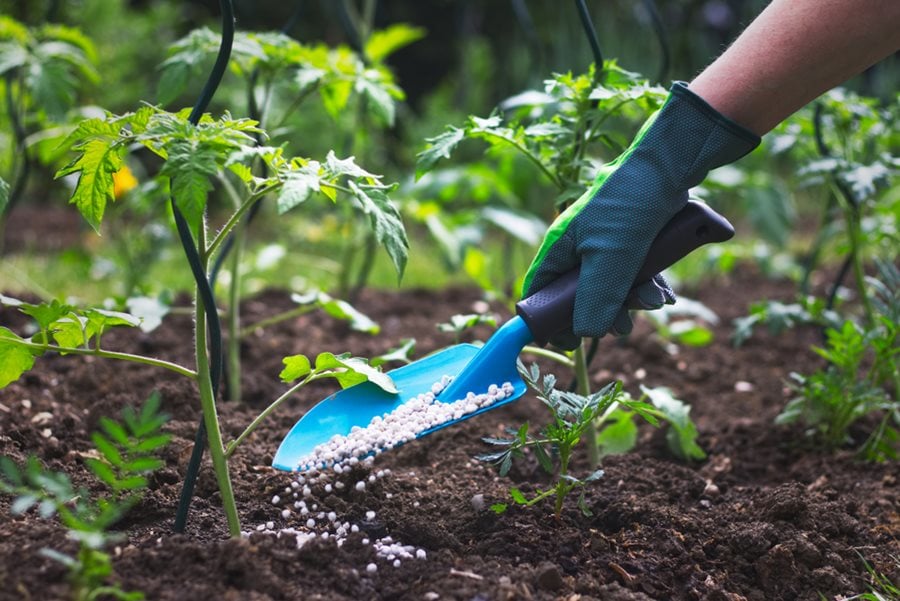
Broadcasting spreads fertilizer evenly over the soil surface. Use a hand spreader or scatter by hand for small areas. This method works well for lawns and large garden beds. After spreading, lightly rake or water the area to help fertilizer soak in. Avoid spreading too close to plant stems to prevent burning.
Side Dressing Plants
Side dressing places fertilizer near the plant roots, not on top. Apply fertilizer in a narrow band a few inches from the plant base. This method feeds plants during their growing season. Water the soil after applying to carry nutrients to the roots. Side dressing is ideal for vegetables and row crops.
Using Fertilizer Spikes Or Tablets
Fertilizer spikes or tablets release nutrients slowly into the soil. Insert spikes directly into the ground near plant roots. Tablets work well for potted plants or container gardens. This method reduces the need for frequent fertilizing. It provides steady nutrition over time, supporting healthy growth.
Watering After Fertilizing
Watering after applying fertilizer is a key step in gardening. It helps fertilizer reach plant roots. Without water, fertilizer can stay on the surface and not work well. Proper watering also stops fertilizer from burning plants.
Importance Of Proper Watering
Water moves fertilizer into the soil where roots absorb nutrients. It also stops fertilizer from washing away in wind. Too little water leaves fertilizer on leaves, which can harm plants. Proper watering keeps soil moist but not soaked.
How Much Water To Use
Use enough water to soak the soil about 6 inches deep. This helps nutrients reach roots effectively. Avoid flooding the soil as this can wash away fertilizer. A slow, steady watering is best for absorption.
Timing Watering With Fertilizer Application
Water immediately after spreading fertilizer. This activates the nutrients quickly. Wait a few days between watering if rain is expected. Avoid watering before fertilizer application to prevent runoff. Proper timing keeps nutrients in the soil longer.
Troubleshooting Common Issues
Applying fertilizer to garden soil can sometimes lead to problems. Knowing how to spot and fix these issues helps plants grow strong and healthy. Troubleshooting common problems saves time and protects your garden.
Signs Of Nutrient Deficiency
Plants need different nutrients to grow well. Yellow leaves often mean a lack of nitrogen. Purple or red leaves can show a phosphorus shortage. Pale leaves with brown edges may indicate potassium deficiency. Watch your plants closely. Early signs help you act fast.
Dealing With Fertilizer Burn
Fertilizer burn happens when too much fertilizer touches plant roots. Leaves turn brown and dry quickly. To fix this, water the soil deeply. This washes away extra fertilizer. Use less fertilizer next time. Spread it evenly around plants, not too close to stems.
Adjusting Fertilizer Based On Plant Response
Plants tell you what they need through their growth. If plants look healthy, keep using the same fertilizer amount. If they grow slowly or show spots, reduce fertilizer. Try a different fertilizer type if problems continue. Always adjust based on what plants show you.
Sustainable Fertilizing Practices
Sustainable fertilizing helps keep your garden healthy and the earth safe. It uses natural methods to feed plants. These methods improve soil without harming the environment. They also save money and reduce waste. Sustainable fertilizing supports strong plant growth over time.
Composting As A Fertilizer Source
Compost is rich in nutrients plants need. It comes from decomposed kitchen scraps and garden waste. Adding compost to soil improves its texture and moisture. Compost slowly releases nutrients, feeding plants for a long time. Using compost cuts down on chemical fertilizer use.
Using Cover Crops
Cover crops are plants grown to protect the soil. They add nitrogen and organic matter back to the earth. These crops stop soil erosion and keep weeds away. After growing, cover crops are turned into the soil as green manure. This process naturally boosts soil fertility and health.
Minimizing Environmental Impact
Use only the needed fertilizer amount. Excess can pollute water and harm wildlife. Apply fertilizers in early morning or late evening to reduce runoff. Avoid fertilizing before heavy rain. Choose organic or slow-release fertilizers for safer feeding. These steps protect your garden and nearby ecosystems.
Credit: www.gardendesign.com
Frequently Asked Questions
How Often Should I Apply Fertilizer To Garden Soil?
Apply fertilizer every 4 to 6 weeks during the growing season. Over-fertilizing can harm plants and soil health. Follow product instructions for best results. Adjust frequency based on plant type and soil condition.
What Is The Best Time To Fertilize Garden Soil?
Fertilize garden soil early in the morning or late afternoon. Avoid applying fertilizer during the hottest part of the day. This timing helps prevent nutrient loss and reduces plant stress. Spring and early summer are ideal seasons for fertilizing.
How Much Fertilizer Should I Use Per Square Foot?
Use 1 to 2 pounds of fertilizer per 100 square feet as a general guideline. Always check specific fertilizer packaging for exact rates. Applying the right amount ensures healthy plant growth without nutrient burn or waste.
Can I Apply Fertilizer Directly To Plant Roots?
Avoid placing fertilizer directly on roots. It can cause root burn and damage. Instead, spread fertilizer evenly around the base of plants, then water thoroughly to help nutrients absorb safely.
Conclusion
Applying fertilizer correctly helps your garden grow healthy and strong. Spread it evenly and avoid overuse to protect plants. Water the soil after applying fertilizer to help nutrients soak in. Regular feeding keeps soil rich and plants happy. Watch your garden closely and adjust as needed.
Good care leads to better blooms and harvests. Simple steps make a big difference in garden health. Keep learning and enjoy your growing garden!