
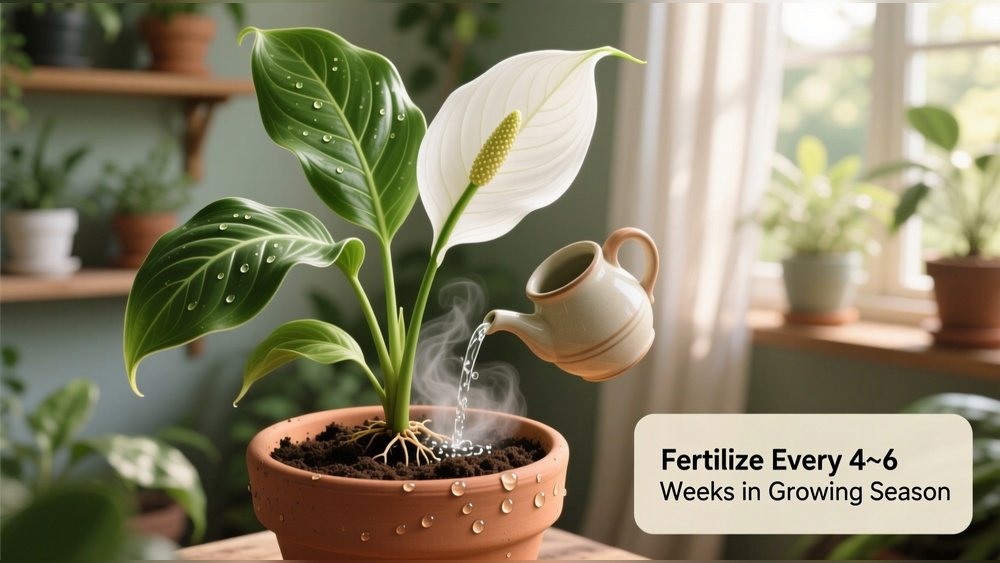
Are your indoor plants looking a little tired or struggling to grow? You might be missing one key step: proper fertilizing.
Giving your plants the right nutrients can make all the difference between dull leaves and vibrant, healthy growth. But how do you know what to use, when to apply it, and how much is just right? You’ll discover simple, effective ways to fertilize your indoor plants so they thrive year-round.
Keep reading to unlock the secrets that will turn your green space into a lush, lively oasis.
Credit: www.pennington.com
Choosing The Right Fertilizer
Choosing the right fertilizer is key to healthy indoor plants. Fertilizers provide essential nutrients that plants need to grow strong and green. Different plants need different nutrients. Picking the right type helps your plants thrive. Understanding fertilizer types and labels makes feeding your plants easier.
Types Of Fertilizers
Fertilizers come in many forms. Liquid fertilizers dissolve in water and feed plants quickly. Granular fertilizers release nutrients slowly over time. Slow-release fertilizers provide steady feeding for weeks. Choose a type based on how often you want to feed your plants. Some plants prefer liquid feed, while others do well with granules.
Organic Vs. Synthetic Options
Organic fertilizers come from natural sources like compost or manure. They improve soil health and release nutrients slowly. Synthetic fertilizers are made from chemical compounds. They deliver nutrients quickly and in precise amounts. Organic options support long-term soil health. Synthetic fertilizers offer fast results for nutrient-deficient plants.
Reading Fertilizer Labels
Fertilizer labels show nutrient ratios as N-P-K numbers. N stands for nitrogen, P for phosphorus, and K for potassium. These nutrients support leaf growth, roots, and flowers. Look for balanced numbers for general feeding. High nitrogen helps leafy plants. High phosphorus supports blooms. Always check the label to match your plant’s needs.
Credit: plantin.alibaba.com
When To Fertilize Indoor Plants
Knowing when to fertilize indoor plants helps them grow strong and healthy. Plants need nutrients to thrive. Fertilizing at the right time ensures they get the food they need. Overfeeding or underfeeding can harm your plants. Timing your fertilizer use with plant needs is key. It also saves you money and effort. Understanding your plant’s cycle helps you decide the best moments to feed it.
Seasonal Timing
Most indoor plants grow actively in spring and summer. These seasons are the best time to fertilize. Plants use more nutrients during warm months. Reduce feeding in fall and stop in winter. Plants rest and need fewer nutrients then. Fertilizing in winter can cause damage. Adjust the schedule based on your plant type. Some plants may need feeding year-round but less often.
Signs Your Plant Needs Fertilizer
Yellowing leaves can mean your plant lacks nutrients. Slow growth or weak stems also show a need. Pale or small leaves can signal feeding time. If your plant stops blooming, it may need food. Look for drooping or dry leaves too. These signs tell you to feed your plant soon. Check soil quality regularly to see if nutrients are low.
How To Apply Fertilizer
Applying fertilizer correctly helps indoor plants grow healthy and strong. It gives plants the nutrients they need without causing harm. Follow simple steps to make sure you feed your plants the right way.
Proper Dosage
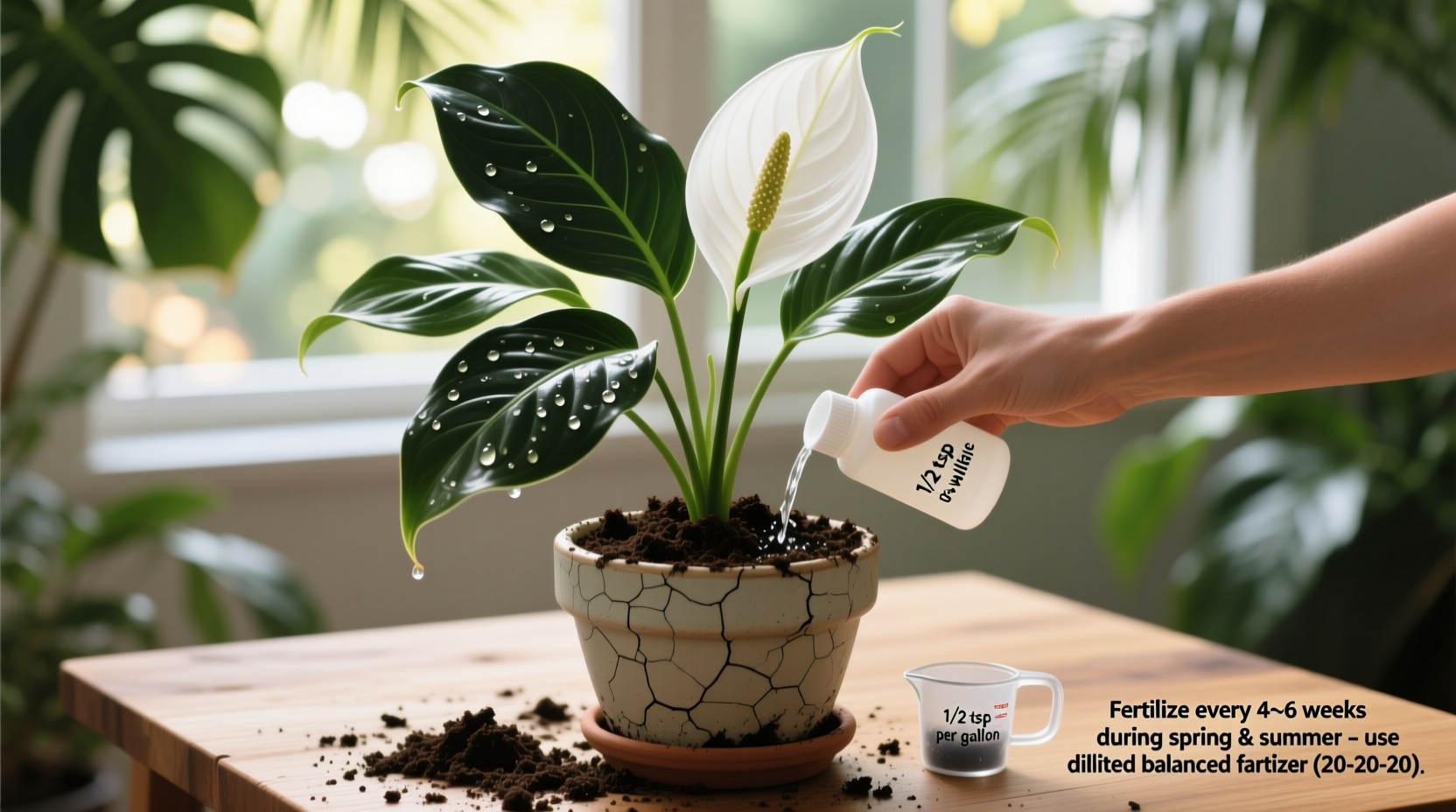
Use the amount of fertilizer recommended on the package. Too much can burn plant roots. Too little may not help the plant grow well. Measure carefully using a spoon or cup. Always start with less if unsure.
Methods Of Application
Water-soluble fertilizers mix with water and pour on soil. Slow-release pellets spread on soil surface for gradual feeding. Liquid fertilizers spray directly on leaves for quick nutrition. Choose the best method for your plant type.
Avoiding Overfertilization
Overfertilizing causes yellow leaves and weak roots. Always follow the schedule and dosage instructions. Water plants before and after applying fertilizer. Stop feeding if you see signs of stress. Let plants rest between feeding times.
Special Considerations For Different Plants
Different indoor plants need different care when fertilizing. Each type of plant uses nutrients in unique ways. Feeding them properly helps them grow healthy and strong. Understanding these needs prevents overfeeding or underfeeding your plants. This section covers the special rules for flowering plants, foliage plants, and succulents.
Flowering Plants
Flowering plants need more phosphorus to bloom well. Choose fertilizers with higher phosphorus levels. Feed them during their active blooming season. Avoid too much nitrogen, which can reduce flowers. Use a balanced fertilizer after blooming slows down. Water the plant before fertilizing for best results.
Foliage Plants
Foliage plants focus on leaf growth. They need more nitrogen to stay green and lush. Use fertilizers with a higher nitrogen ratio. Feed these plants regularly during the growing season. Reduce feeding in winter when growth slows. Always follow the instructions on the fertilizer package.
Succulents And Cacti
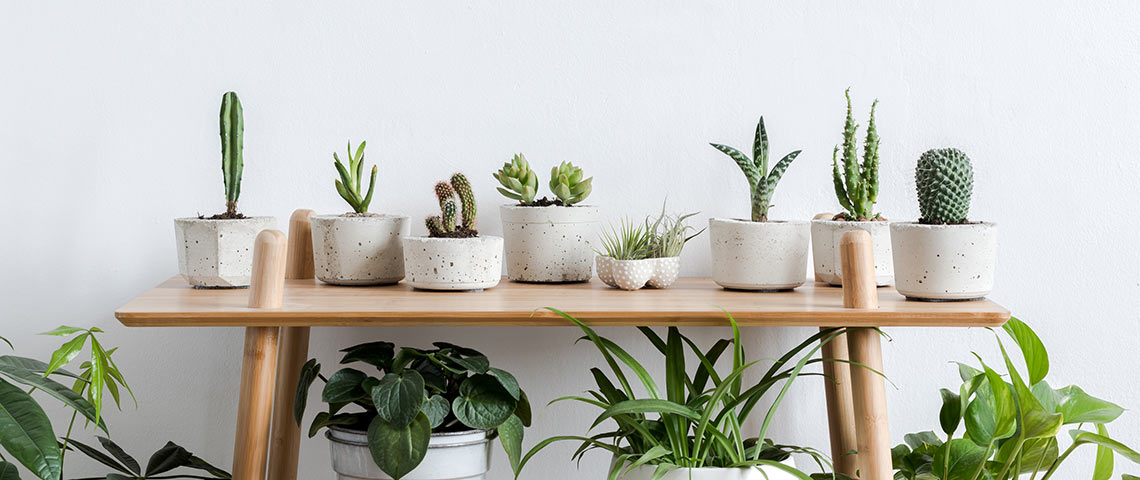
Succulents and cacti need less fertilizer than other plants. Use a diluted, balanced fertilizer to avoid burning roots. Fertilize only during spring and summer. Skip fertilizing in fall and winter to prevent stress. These plants prefer a low-nitrogen formula for healthy growth.
Maintaining Soil Health
Maintaining soil health is key to growing strong indoor plants. Healthy soil helps plants get the nutrients they need. It also supports good root growth and water retention. Without proper soil care, plants may struggle to thrive. Simple steps keep soil in good shape and boost plant health.
Soil Testing
Soil testing shows what nutrients your soil lacks. A simple test kit can measure pH and nutrient levels. Test soil every few months to track changes. Knowing soil condition helps you choose the right fertilizer. Avoids overfeeding or underfeeding your plants.
Amending Soil For Better Nutrient Retention
Adding organic matter improves soil quality. Compost, peat moss, or coconut coir hold nutrients well. These materials help soil stay moist longer. They also make soil lighter and easier for roots to grow. Mix amendments into soil before planting or during repotting. This keeps nutrients available for your indoor plants.
Credit: www.pennington.com
Troubleshooting Fertilizer Issues
Fertilizing indoor plants helps them grow strong and healthy. Yet, problems can happen with fertilizer use. Troubleshooting these issues quickly keeps plants thriving. Learn to spot signs of trouble early. Fixing fertilizer problems takes care and attention. Here are some common fertilizer troubles and how to solve them.
Nutrient Deficiencies
Plants need many nutrients to grow well. Lack of nutrients causes leaves to yellow or curl. Slow growth or pale leaves show nutrient problems. Each missing nutrient shows different signs. For example, yellow leaves with green veins often mean iron is low. Brown leaf edges may show potassium lack. Knowing these signs helps fix the problem fast.
Signs Of Fertilizer Burn
Too much fertilizer can harm plants. Fertilizer burn looks like brown, dry leaf tips. Leaves may also curl or drop suddenly. Soil can look white or crusty from salts. Plants can appear weak or stunted. Fertilizer burn happens when salt builds up in soil. Watch plants closely after feeding them fertilizer.
Corrective Measures
Fix nutrient problems by choosing the right fertilizer. Use balanced fertilizer with all needed nutrients. Follow package directions carefully for dose and timing. Water plants well to wash away excess fertilizer salts. Remove damaged leaves to help the plant focus on new growth. Repot plants if soil is too salty or old. Regular checks prevent problems from getting worse.
Frequently Asked Questions
How Often Should I Fertilize Indoor Plants?
Fertilize indoor plants every 4-6 weeks during growing seasons. Reduce or stop feeding in winter when growth slows. Use a balanced, water-soluble fertilizer for best results.
What Type Of Fertilizer Is Best For Indoor Plants?
Use a balanced, water-soluble fertilizer with equal NPK ratios. Organic options like worm castings or compost tea work well. Choose fertilizers formulated specifically for indoor plants to avoid overfeeding.
Can I Over-fertilize Indoor Plants?
Yes, over-fertilizing can burn roots and damage plants. Always follow label instructions and dilute fertilizers properly. Signs include yellow leaves and slowed growth.
When Is The Best Time To Fertilize Indoor Plants?
Fertilize during active growth periods, typically spring through early fall. Avoid feeding during dormancy in winter. Morning application helps nutrients absorb better.
Conclusion
Proper fertilizing keeps indoor plants healthy and growing strong. Choose the right fertilizer for each plant type. Follow instructions carefully to avoid overfeeding. Water plants well after applying fertilizer. Regular feeding helps plants stay green and vibrant. Watch your plants for signs of nutrient needs.
Healthy plants improve your indoor space and mood. Keep learning and enjoy your indoor garden’s growth. Simple care makes a big difference over time.