
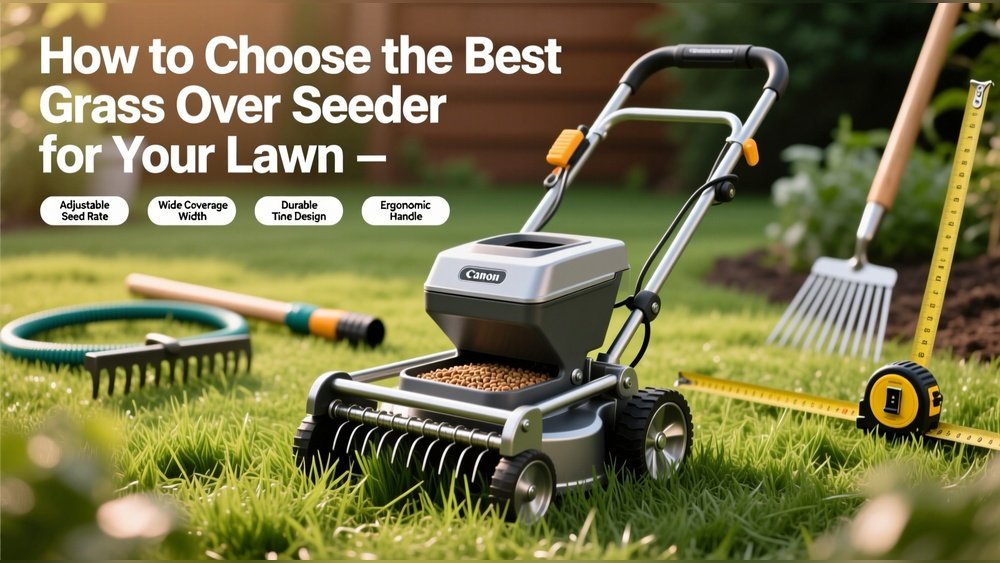
If you want a lawn that turns heads and feels soft underfoot, thick, healthy grass is your goal. But getting there isn’t always easy—especially when your lawn looks patchy or worn out.
That’s where overseeding comes in, a simple yet powerful way to breathe new life into your grass. The key to success? Picking the best lawn overseeder for thick grass that suits your yard’s needs. You’ll discover exactly how to choose the right overseeder so you can transform your lawn into a lush, green carpet that stands out in your Austin neighborhood.
Keep reading, and get ready to take your lawn to the next level!
Choosing The Right Overseeder
Picking the right overseeder is key for thick, healthy grass. The right tool saves time and improves seed coverage. Consider the size of your lawn and your budget before choosing. The overseeder must suit your lawn’s needs for best results.
Understanding different overseeder types and features helps you make the best choice. This guide breaks down the options and what to look for in an overseeder.
Types Of Overseeders
Several types of overseeders exist. Drop seeders release seed directly onto the soil surface. They are simple but may not work well on thick grass.
Spike seeders create holes in the soil to place seeds deeper. They improve seed-to-soil contact, which helps seed germinate better. Some models use rotating blades or tines to cut through grass and soil.
Slicer seeders slice the soil and grass surface to place seeds. They work well on dense lawns and can improve seed penetration. Each type fits different lawn conditions and overseeding goals.
Manual Vs. Power Overseeders
Manual overseeders are push-powered and require physical effort. They work well for small lawns and light overseeding jobs. Manual models cost less and are easy to store.
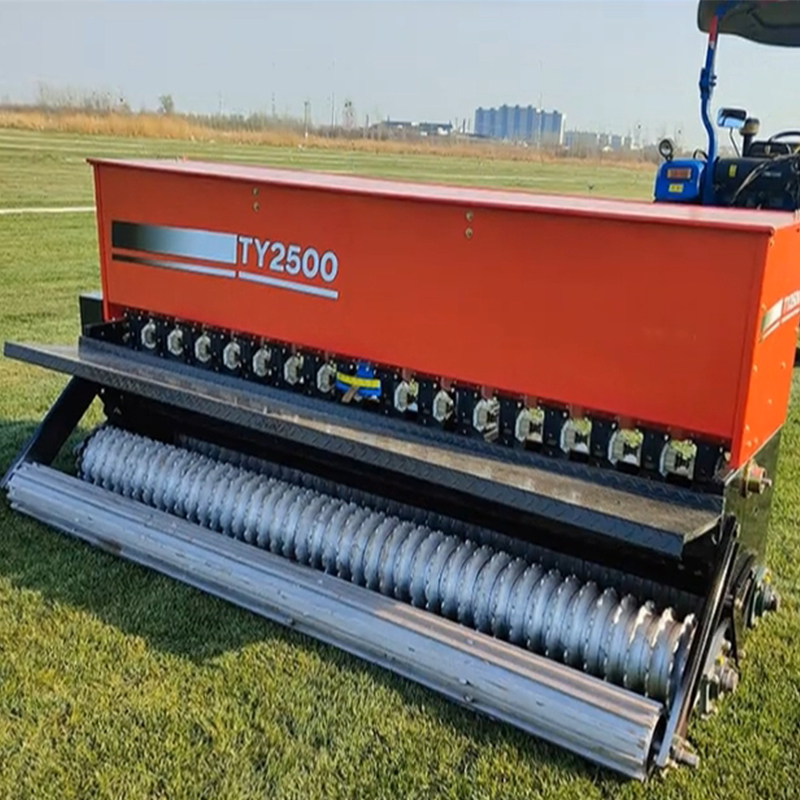
Power overseeders use gas or electric engines to do the work. They cover large areas quickly and reduce fatigue. These machines are best for big lawns or frequent overseeding.
Power overseeders often have adjustable depth and speed settings. They give more control over seed placement and soil penetration.
Features To Consider
Look for adjustable seeding rates to control how much seed you drop. This helps avoid overseeding too thick or too thin. Depth control is important to place seeds at the right soil level.
Wide seed hoppers reduce refilling time on large lawns. Durable wheels and blades help the overseeder handle rough terrain. Easy assembly and cleaning save time and effort.
Check for ergonomic handles to reduce strain during use. A lightweight design improves maneuverability, especially for manual overseeders.
Seed Selection For Thick Grass
Selecting the right seed is crucial for overseeding thick grass. The seed type impacts how well new grass grows alongside existing turf. Choose seeds that match your climate and soil type. Quality seeds improve lawn density and health quickly.
Good seed selection helps fill thin spots and promotes strong root systems. It also reduces weed growth by crowding them out. Focus on seeds designed for thick, durable lawns to achieve best results.
Best Grass Seeds For Overseeding
Choose grass seed varieties suited for your region. Kentucky bluegrass, perennial ryegrass, and fine fescues work well in cooler climates. Bermuda and zoysia grass seeds are ideal for warm areas like Austin, Texas. These seeds grow fast and blend well with existing grass.
Blended seed mixes also work well. They combine different grasses for better coverage and durability. Select a mix labeled for overseeding and thickening lawns.
Seed Quality And Purity
High-quality seeds germinate faster and grow healthier grass. Look for seeds with high germination rates, above 85%. Purity matters too. Pure seeds mean fewer weeds and better lawn uniformity.
Check seed packaging for certifications and test results. Avoid old or damaged seeds. Fresh seeds give better performance and thicker grass.
Seed Density And Coverage
Proper seed density ensures even grass growth. Too many seeds cause competition, leading to weak grass. Too few seeds leave bare patches.
Follow recommended seeding rates on the package. Spread seeds evenly across your lawn for uniform coverage. Use a lawn overseeder or spreader for best results.
Preparing Your Lawn
Preparing your lawn is an essential step before overseeding. A well-prepared lawn helps seeds grow strong and thick. Taking time to ready the soil and grass sets the stage for a lush, green lawn. Follow these steps to get your lawn ready for overseeding and ensure the best results.
Lawn Assessment And Repair
Start by checking your lawn for damaged or bare spots. Look closely for signs of pests or diseases. Mark areas that need repair or extra attention. Fix bare patches by loosening the soil and adding fresh topsoil. Removing dead grass helps new seeds make good contact with the soil. Repairing early gives new grass a better chance to grow thick.
Soil Aeration Techniques
Aerating the soil improves air, water, and nutrient flow to grass roots. Use a core aerator to remove small plugs of soil from the lawn. This creates space for seeds to settle and roots to grow deep. Aeration reduces soil compaction, which can block seed growth. Do this step a few days before overseeding for best results.
Removing Debris And Thatch
Clear leaves, sticks, and dead grass from the lawn surface. Thatch is a layer of dead grass that blocks seeds from reaching the soil. Use a dethatcher or rake to remove this layer. Removing debris and thatch allows seeds to contact soil directly. A clean lawn surface helps new grass grow evenly and thick.
Overseeding Techniques
Overseeding techniques play a key role in growing thick, healthy grass. Choosing the right method helps seeds reach the soil and sprout well. Proper overseeding ensures even seed spread and good soil contact. This section explains popular overseeding methods and tips to avoid common errors.
Slit Seeding Vs. Slice Seeding
Slit seeding uses narrow cuts to place seeds directly into the soil. These cuts are usually about 0.5 to 1 inch deep. This method protects seeds from birds and wind. It also improves seed-to-soil contact for better germination.
Slice seeding makes wider, shallower cuts. The slices help distribute seeds over a larger area. This works well for lawns with light thatch or uneven surfaces. Both methods improve seed placement compared to just spreading seeds on top.
Seed Distribution Methods
Seed spreaders help distribute grass seed evenly across the lawn. Drop spreaders release seeds directly below the tool. They offer precise control, ideal for smaller areas.
Broadcast spreaders scatter seeds in a wide pattern. They cover larger areas quickly but may waste seed if not used carefully. Mixing seed with sand can improve distribution and soil contact. Even seed distribution prevents thin patches and overcrowding.
Avoiding Overseeding Mistakes
Too much seed causes thick clumps that compete for water and nutrients. This slows growth and weakens grass. Do not overseed over wet or frozen soil. Seeds need good contact with loose soil for best results.
Raking or aerating before overseeding helps seeds reach the soil. Avoid walking on seeded areas until grass grows. Water the lawn lightly and often to keep seeds moist. These steps improve seed germination and lawn thickness.
Maintaining A Thick Lawn Post-overseeding
Maintaining a thick lawn after overseeding requires steady care and attention. Proper care helps new grass grow strong and healthy. It also keeps your lawn dense and green for longer. Focus on watering, fertilizing, and controlling weeds and pests. These steps support your lawn’s recovery and growth.
Watering Schedules
New grass needs consistent moisture to grow well. Water the lawn lightly every day for the first two weeks. This keeps the soil moist but not soggy. After seedlings appear, reduce watering to every other day. Gradually water less often but deeper to encourage strong roots. Early morning watering helps reduce evaporation and disease.
Fertilization Tips
Fertilizer provides nutrients new grass needs to grow. Use a balanced, slow-release fertilizer about four to six weeks after overseeding. Follow the package instructions carefully to avoid burning the grass. Avoid heavy fertilization right after seeding. It can harm tender young grass. Repeat fertilization during the growing season to keep grass thick and green.
Weed And Pest Control
Weeds compete with new grass for space and nutrients. Remove weeds by hand or use a gentle herbicide safe for new grass. Avoid harsh chemicals that can damage young seedlings. Pests like grubs and insects also harm grass roots. Watch for signs of pest damage and treat early with natural or chemical controls. Healthy grass resists weeds and pests better.

Credit: www.outsidepride.com
Local Factors In Austin, Texas
Choosing the right lawn overseeder depends a lot on Austin’s local environment. The city has unique factors that affect grass growth. Understanding these helps pick the best overseeder for thick, healthy grass.
Climate Considerations
Austin has a hot, humid climate with mild winters. Summers can be very dry and warm. Grass types that survive here need drought tolerance. Overseeders must handle these climate stresses well. A strong seed spreader helps grass get enough water and nutrients.
Soil Types In Austin
Austin’s soil is often rocky and clay-heavy. This soil drains slowly and can be compacted. Lawns need overseeders that can break through hard soil. A machine with strong tines or blades works best. It helps seeds reach soil and grow thick roots.
Seasonal Timing For Overseeding
Best overseeding time in Austin is early fall. The weather cools but soil stays warm. This helps seeds sprout quickly. Spring overseeding is possible but less ideal. Proper timing ensures grass grows thick before summer heat returns.
Budgeting And Cost Efficiency
Budgeting and cost efficiency play key roles in choosing the best lawn overseeder. Investing in the right tool saves money and ensures thick, healthy grass. Understanding costs upfront helps plan your lawn care without overspending. Consider the price, potential savings, and alternatives before making a decision.
Comparing Overseeder Prices
Lawn overseeder prices vary by brand, size, and features. Basic models cost less but may lack durability. Professional-grade overseeders have higher upfront costs. Check online stores and local retailers for price ranges. Balance cost with quality to avoid frequent replacements. Renting overseeders can reduce initial expenses.
Long-term Savings
Choosing a durable overseeder lowers repair and replacement costs. Thick grass reduces weed growth and lawn damage. This cuts down on herbicide and lawn repair expenses. Efficient overseeders save time, reducing labor costs. Proper maintenance extends the machine’s life and improves savings.
Diy Vs. Professional Services
DIY overseeding requires buying or renting equipment but saves labor fees. Professional services offer expertise and convenience but at higher prices. Consider lawn size and your skill level. For large areas, professionals might be cost-effective. Small lawns benefit more from DIY overseeding to save money.

Credit: www.rentalex.com
Credit: plantin.alibaba.com
Frequently Asked Questions
Can You Put Grass Seed Down Too Thick?
Yes, spreading grass seed too thick causes overcrowding. Seedlings compete for sunlight, water, and nutrients, resulting in weak growth and patchy grass.
Does Overseeding Make Grass Thicker?
Overseeding adds new grass seeds to existing lawns, filling bare spots and promoting thicker, healthier grass growth. It strengthens the lawn and reduces weeds naturally.
Can You Really Get Thick Grass With Planting Seed?
Yes, planting grass seed can produce thick grass. Proper overseeding fills thin areas, promoting a lush, dense lawn naturally.
What Is The Best Way To Seed A Large Area Of Grass?
The best way to seed a large grass area is by power seeding. This method uses machines to cut soil rows and plant seeds evenly. It ensures better seed-to-soil contact, improving germination and growth for a thick, healthy lawn.
Conclusion
Choosing the right lawn overseeder takes some thought and care. Focus on your lawn size, grass type, and budget first. A good overseeder helps spread seeds evenly for thick, healthy grass. Remember to check the machine’s ease of use and durability.
Proper overseeding brings a lush, green lawn that stands out. Keep your grass well-watered after overseeding to help seeds grow strong. With the right tool and care, your lawn will look fuller and healthier soon. A thick lawn is possible with simple, smart overseeding choices.