
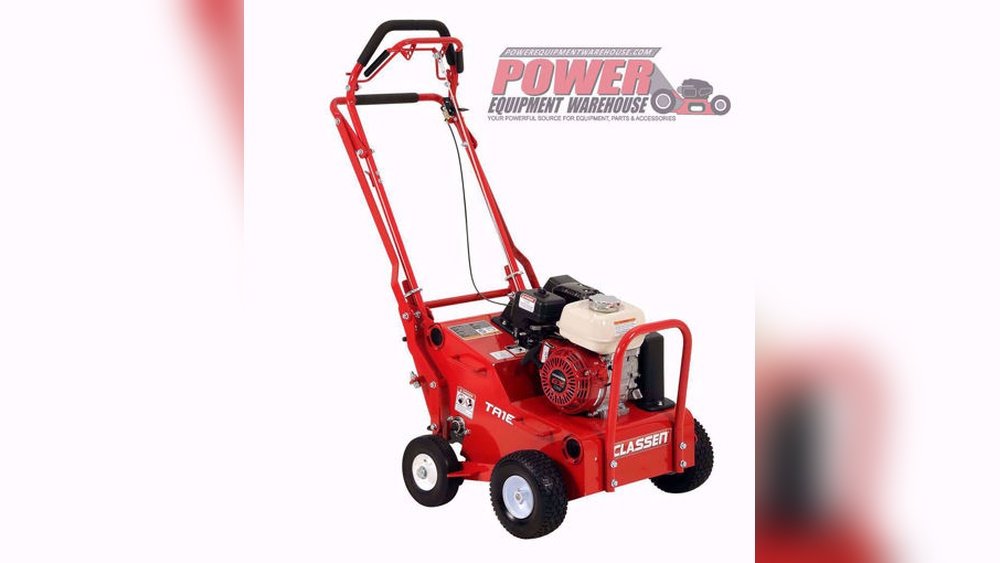
If you have a large lawn, you know how important it is to keep the grass healthy and vibrant. Aerating your lawn helps by letting air, water, and nutrients reach the roots more easily.
But when it comes to choosing a gas-powered aerator for your big yard, the options can feel overwhelming. You want a machine that is powerful, efficient, and easy to use without wasting time or energy. In this guide, you’ll discover exactly what to look for in a gas-powered aerator so your lawn gets the care it deserves.
Keep reading to find out how to make the best choice and enjoy a lush, green lawn all year long.
Types Of Aerators
Choosing the right type of aerator is key for maintaining a large lawn. Different aerators suit different soil and lawn conditions. Understanding the types helps you pick the best tool for your yard.
Core Vs Spike Aerators
Core aerators remove small plugs of soil from the lawn. This process reduces soil compaction and allows air, water, and nutrients to reach grass roots. Core aerators work best on large lawns with compacted soil. They create lasting holes that promote healthy grass growth.
Spike aerators use solid spikes to poke holes in the soil. They do not remove soil plugs but create small openings. Spike aerators suit lawns with loose or sandy soil. They provide mild aeration without disturbing soil structure deeply.
Tow-behind Vs Standalone Models
Tow-behind aerators attach to a lawn tractor or ATV. They cover large areas faster with less physical effort. Tow-behind models are ideal for very large lawns or commercial use. They require equipment to pull them but save time and energy.
Standalone aerators are self-powered machines you push or ride. They offer better control and maneuverability on uneven terrain. Standalone models fit medium to large lawns and do not need extra equipment. They provide efficient aeration with easy handling.
Soil And Lawn Assessment
Assessing your soil and lawn is the first step to select the right gas-powered aerator. Knowing your soil type and lawn condition helps you choose an aerator that meets your needs. This ensures better air, water, and nutrient flow to the roots. Let’s explore how to check soil compaction and evaluate lawn size and terrain.
Checking Soil Compaction
Soil compaction reduces air and water flow in the ground. Compacted soil feels hard and dense. You can test by pushing a screwdriver or similar tool into the soil. If it is difficult to push, the soil is compacted. Core aerators work best for compacted soils. They remove small plugs of soil, allowing air and water to penetrate better.
Evaluating Lawn Size And Terrain
Measure your lawn to know its size. Large lawns need aerators with wider coverage and more power. Also, check the terrain. Flat lawns are easier to aerate. Hilly or uneven lawns require an aerator with good stability and traction. Gas-powered aerators offer more strength for large or rough lawns. Match the aerator size to your lawn to save time and effort.
Gas-powered Aerator Features
Choosing the right gas-powered aerator depends on key features. These features affect how well the machine works on large lawns. Understanding them helps pick an aerator that meets your lawn’s needs. Focus on engine power, aeration depth, and how easy the machine moves.
Each feature plays a role in making lawn care easier and more effective. Let’s explore the important features to consider.
Engine Power And Performance
The engine drives the aerator’s tines into the soil. Higher engine power means better performance on tough, compacted ground. A strong engine handles large lawns with less strain. It also ensures the machine runs smoothly without stalling. Check the engine size, usually measured in cc (cubic centimeters). Larger cc means more power and longer working time.
Aeration Depth And Coverage
The depth of aeration affects how well air and water reach roots. Look for an aerator that offers adjustable tine depth. This feature helps treat different soil types and grass. Wider coverage means the machine covers more lawn area with each pass. Machines with wider aeration paths save time on large lawns. Choose one that balances depth and coverage to suit your lawn size.
Weight And Maneuverability
Weight impacts how easy the aerator is to push or pull. A heavy machine may be hard to move, especially on uneven ground. Maneuverability helps reach tight corners and edges. Look for features like comfortable handles and good wheel design. Some aerators have adjustable handles for better control. The right weight and design reduce fatigue and improve efficiency.

Credit: www.unitedrentals.com
Choosing Based On Lawn Needs
Selecting a gas-powered aerator for large lawns depends greatly on your lawn’s specific needs. Different lawns require different types of aeration to stay healthy and green. Understanding these needs helps you pick the best tool for the job.
Consider the size of your lawn, the soil condition, and how compacted the ground is. These factors guide your choice toward the right aerator type and features. Proper aeration improves air, water, and nutrient flow to grass roots.
Best Aerators For Large Lawns
Large lawns need powerful aerators that cover wide areas quickly. Gas-powered core aerators work well by removing small plugs of soil. This method loosens the ground and helps thick grass grow strong.
Look for models with wide tines and adjustable depth settings. These features allow you to customize aeration based on your lawn’s condition. Machines with large fuel tanks reduce refueling breaks.
Suitability For Soil Types
Different soil types need different aeration methods. Compact clay soils benefit most from core aerators. They remove soil plugs and reduce compaction effectively.
Looser sandy soils can use spike aerators. Spikes create holes without disturbing the soil structure too much. Choose an aerator that matches your soil type to avoid damage and improve lawn health.
Comfort And Usability
Comfort and usability are vital when selecting a gas-powered aerator for large lawns. Working with heavy equipment can be tiring. A comfortable aerator reduces fatigue and makes the task easier. Usability features allow smooth operation, saving time and effort. Consider these factors carefully to ensure a pleasant lawn care experience.
Handle Design And Controls
Choose an aerator with an ergonomic handle. Soft, padded grips improve comfort during use. Adjustable handles suit different user heights. Controls should be easy to reach and operate. Simple levers and buttons reduce confusion. Clear labels help avoid mistakes. A well-designed handle and controls make the aerator user-friendly.
Noise And Vibration Levels
Gas-powered aerators can be loud and vibrate strongly. Look for models with noise-reducing features. Lower noise levels protect your hearing. Reduced vibration minimizes hand and arm strain. Some aerators have anti-vibration mounts or padded grips. These features improve comfort during long use. Quiet and smooth operation enhances usability.
Maintenance And Durability
Maintaining a gas-powered aerator ensures it lasts long and performs well. Durability matters most for large lawns. Regular care protects the engine and parts from wear. Proper upkeep reduces repair costs and downtime. Knowing how to care for your aerator helps maintain its power and efficiency.
Engine Care Tips
Check the oil level before every use. Use the oil type recommended by the manufacturer. Clean or replace the air filter regularly to avoid engine damage. Keep the spark plug clean and replace it yearly. After use, run the engine briefly to burn off fuel residue. Store the aerator in a dry place to prevent rust and corrosion.
Spare Parts And Warranty
Choose an aerator with easy access to spare parts. Common parts include tines, belts, and filters. Check if parts are affordable and widely available. A good warranty covers engine and mechanical failures. Read the warranty terms carefully for coverage details. Reliable customer support helps solve problems quickly.
Budget And Cost Factors
Budget and cost play a key role in selecting a gas-powered aerator for large lawns. Knowing what to expect helps you find the right tool without overspending. Costs vary widely based on features, brand, and power. Balancing price and quality ensures you get good value for your money.
Comparing Prices
Gas-powered aerators come in many price ranges. Basic models start around $300. More powerful, durable models can cost over $1,000. Check prices from different sellers and brands. Look for any included accessories or warranties. Compare features against the price to find the best fit for your lawn size and needs.
Long-term Investment Considerations
Think about how often you will use the aerator. A higher initial cost may save money over time. Durable machines need fewer repairs and last longer. Fuel efficiency and maintenance costs also affect the total expense. Buying a good aerator can reduce the need for lawn services. This makes it a smart choice for large lawns.
Additional Accessories
Choosing the right additional accessories can improve the performance of your gas-powered aerator. These extras help customize the aerator to fit large lawn needs. They also make your work easier and more efficient. Accessories range from weight kits to storage solutions, each serving a specific purpose.
Weight Kits And Attachments
Weight kits add extra pressure to the aerator. This helps the tines penetrate tough, compacted soil. Heavier aerators work better on large lawns with dense soil. Attachments like dethatchers or seeders can be added. These tools combine aeration with other lawn care tasks. You save time by doing more in one pass.
Storage Solutions
Proper storage keeps your aerator safe and extends its life. Compact storage racks or covers protect the machine from dust and weather. Some storage units have wheels for easy movement. Choose solutions that fit your space and keep the aerator clean. This ensures the machine stays ready for the next use.
Safety Tips
Using a gas-powered aerator can make lawn care easier, but safety must come first. Large machines need careful handling to avoid accidents. Follow these safety tips to protect yourself and others while working on your lawn.
Proper Operation Practices
Read the user manual before starting the aerator. Check the machine for damage or leaks. Always start the aerator outdoors in a well-ventilated area. Keep hands and feet away from moving parts. Operate the aerator on flat, stable ground. Avoid loose clothing that can get caught. Turn off the engine before making adjustments or repairs. Never leave the aerator running unattended. Store fuel safely, away from heat sources.
Protective Gear Recommendations
Wear sturdy shoes with good grip to protect your feet. Use gloves to prevent blisters and cuts. Safety glasses shield your eyes from flying debris. Ear protection reduces noise damage from the engine. Dress in long pants to guard your legs. A dust mask helps if the soil is dry and dusty. Always have a first aid kit nearby for emergencies.
Credit: growcycle.com
Credit: www.themarthablog.com
Frequently Asked Questions
How Do I Choose The Right Aerator?
Choose an aerator based on soil type and lawn size. Use core aerators for compacted soil and large lawns. Opt for spike aerators on loose soil or smaller areas. Consider comfort, price, and storage for convenience. Gas-powered models suit large lawns for faster aeration.
Is A Spike Or Core Aerator Better?
Core aerators are better for compacted soil and larger lawns, promoting healthier grass. Spike aerators suit loose soil and smaller areas.
How To Aerate A Very Large Lawn?
Use a gas-powered core aerator or a tow-behind plug aerator for large lawns. Make multiple passes for better soil aeration. Choose based on soil compaction and lawn size. This method improves oxygen, water, and nutrient flow, promoting healthier, thicker grass efficiently.
What Type Of Aerator Is Best For A Lawn?
Core aerators work best for lawns with compacted soil, removing plugs for better air and water flow. Spike aerators suit loose soil and smaller lawns. For large, dense lawns, gas-powered core aerators save time and effort while promoting healthy, thick grass growth.
Conclusion
Choosing the right gas-powered aerator makes lawn care easier and more effective. Think about your soil type and lawn size first. Core aerators work best for compacted soil and large areas. Spike aerators suit looser soil and smaller lawns. Also, consider engine power and ease of use.
A good aerator saves time and improves grass health. Take time to compare features before buying. Your lawn will thank you with thicker, greener grass. Simple steps lead to a healthier, vibrant lawn all year round.