
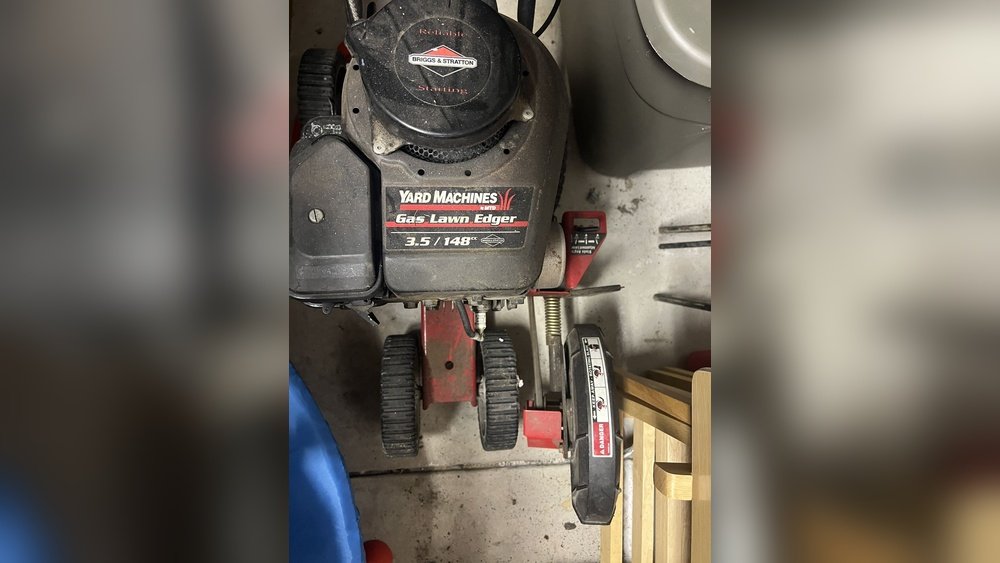
If you want your gas-powered edger to work smoothly and last for years, proper gas-powered edger maintenance is key. Ignoring simple care routines can lead to poor performance, costly repairs, or even safety hazards.
But don’t worry—maintaining your edger doesn’t have to be complicated or time-consuming. In this guide, you’ll learn easy steps to keep your machine running at its best. From cleaning and inspecting parts to knowing when to replace blades, these tips will save you frustration and help you create those perfect lawn edges you’ve been aiming for.
Ready to get started? Let’s dive in and make your gas-powered edger a reliable tool season after season.
Cleaning After Use
Cleaning your gas-powered edger after use keeps it running smoothly. Dirt and grass build-up can cause damage over time. A clean edger works better and lasts longer. Follow these simple steps after every use to maintain your tool in top shape.
Remove Debris And Dirt
Start by turning off the edger and letting it cool. Use a brush or cloth to remove grass clippings and dirt. Clean around the blade and wheels carefully. Avoid using water directly on the engine. Use a damp cloth for stubborn dirt. Removing debris prevents rust and blockages.
Inspect For Damage
Look closely at the blade for cracks or dullness. Check the guard and handles for cracks or loose parts. Inspect the wheels for wear or damage. Tighten any loose screws or bolts. Early damage detection avoids costly repairs. Replace any worn parts before the next use.
Blade Care
Blade care is essential for a gas-powered edger’s performance. A well-maintained blade cuts clean edges and protects the machine. Regular attention to the blade extends the tool’s life and keeps your yard looking sharp.
Checking the blade often helps spot damage early. Remove dirt, grass, and debris after each use. This prevents rust and wear. Proper blade care also means knowing when to replace it.
When To Replace The Blade
Replace the blade if it is bent, cracked, or severely worn. Dull edges reduce cutting power and strain the engine. Deep nicks or missing teeth make the blade unsafe to use. A new blade ensures clean cuts and smooth operation.
Do not wait for the blade to break during use. Replace it promptly to avoid damage to your edger and lawn. Regular replacement keeps your equipment running efficiently and safely.
Avoid Sharpening The Blade
Edger blades are not designed for sharpening like mower blades. Sharpening can change the blade’s shape and balance. This leads to poor cutting and can cause vibrations.
Vibrations may damage the edger’s motor or parts. It is safer and more effective to replace dull blades instead of sharpening. Keeping a fresh blade improves cutting quality and protects your tool.
Fuel System Maintenance
The fuel system is the heart of your gas-powered edger. Keeping it clean and working well prevents engine problems. Regular care helps the edger run smoothly and last longer.
Use Fuel Stabilizer
Add fuel stabilizer to the gas before storing your edger. It stops fuel from breaking down and clogging the system. Use stabilizer especially if you store the edger for more than 30 days. This simple step keeps the fuel fresh and the engine ready to start.
Check And Replace Fuel Filter
Inspect the fuel filter regularly for dirt and damage. A dirty filter blocks fuel flow and hurts performance. Replace the filter if it looks clogged or worn out. Clean fuel means the engine runs better and lasts longer. Changing the fuel filter is a small task that makes a big difference.
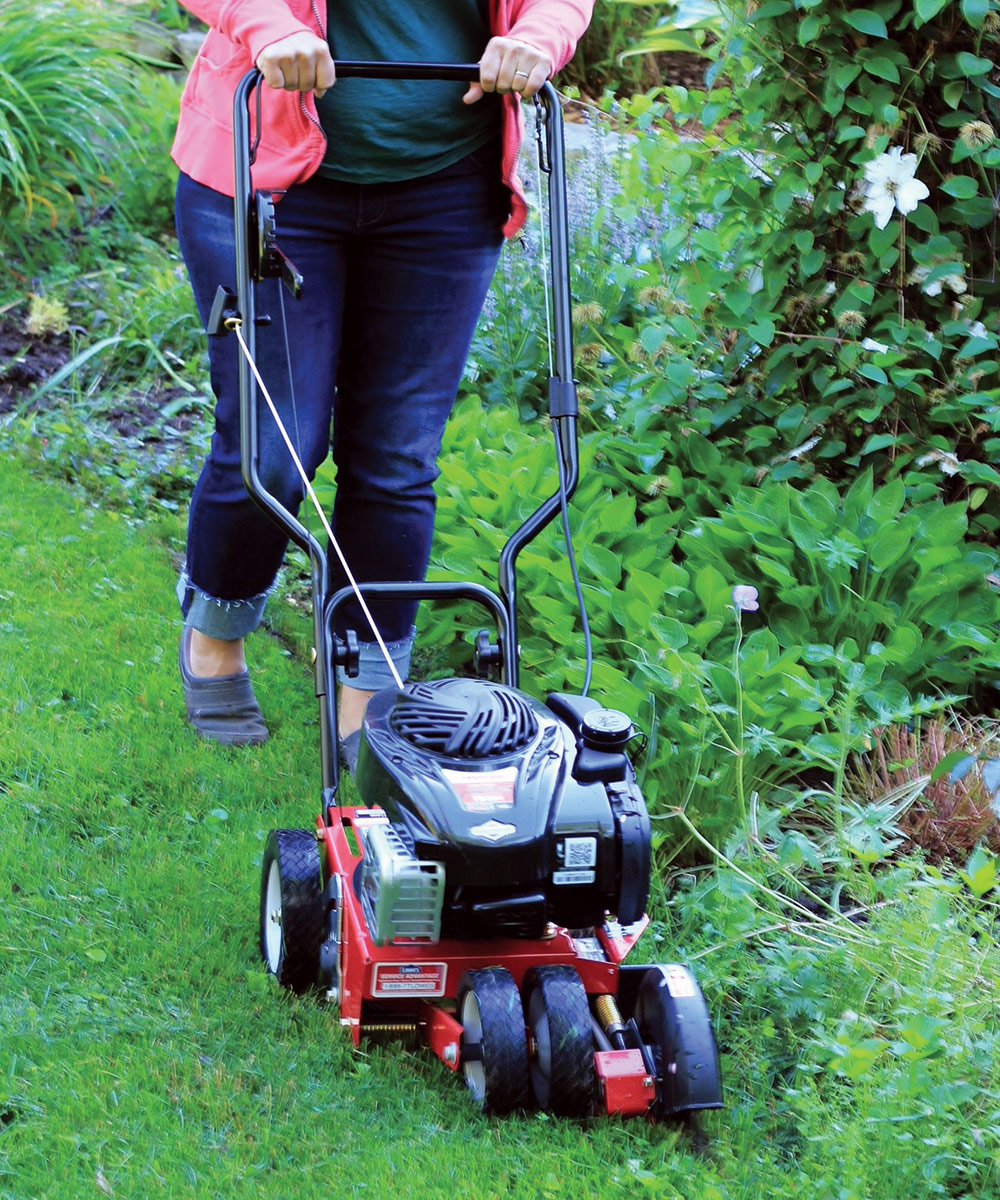
Credit: www.finegardening.com
Engine Care
Proper engine care is essential to keep your gas-powered edger running smoothly. Regular maintenance improves performance and extends engine life. Simple tasks like checking parts and cleaning help