
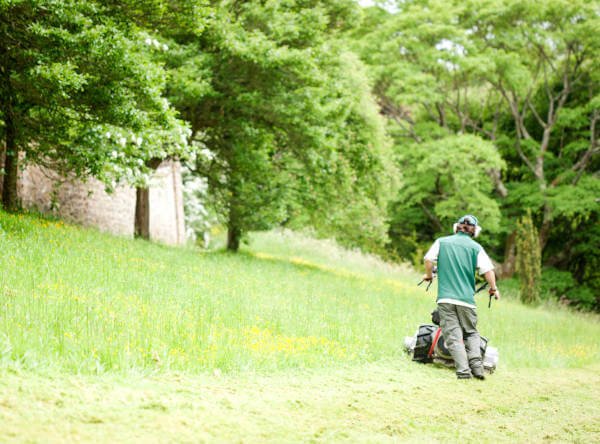
To mow a sloped lawn with a mower, use the side-to-side method for safety and efficiency. Managing a sloped lawn can be a daunting task, but with the right techniques and equipment, it’s entirely achievable. Whether you are a seasoned gardener or just getting started, understanding how to safely and effectively mow a sloped lawn is crucial. This comprehensive guide will provide you with valuable insights, expert tips, and practical strategies to master the art of mowing on uneven terrain. Learn how to mow a sloped lawn effectively to ensure both safety and efficiency.
Understanding Your Mower and Terrain
Choosing the Right Mower
Selecting the proper mower for your sloped lawn is essential. Consider these options:
- Self-Propelled Mowers: Ideal for moderate slopes, offering easier maneuverability.
- Riding Mowers: Suitable for large, gently sloping lawns. However, they can be dangerous on steeper inclines.
- Walk-Behind Mowers: Best for small, steep slopes as they allow for greater control.
Assessing the Slope
Before mowing, evaluate the steepness:
- Gentle Slopes (0-15 degrees): Most mowers can handle these with ease.
- Moderate Slopes (15-30 degrees): Require more attention and suitable mowers.
- Steep Slopes (above 30 degrees): Consider alternative landscaping or professional services.
Understanding your terrain helps determine the technique and equipment needed for safe mowing.
Safety Precautions
Essential Tips for Safe Mowing
- Wear Appropriate Gear: Use sturdy footwear and eye protection.
- Check the Weather: Mow when the grass is dry to avoid slipping.
- Inspect the Lawn: Remove debris that could cause accidents or damage the mower.
By prioritizing safety, you prevent potential injuries and equipment damage.
Effective Mowing Techniques
Side-to-Side Mowing
This is the most recommended method for safety:
- Start at the Bottom: Work your way up by mowing perpendicular to the slope.
- Avoid Vertical Mowing: Reduces the risk of tipping over or losing control.
- Overlap Slightly: Ensure even cutting across the slope.
These techniques help maintain balance and efficiency on a sloped lawn.
Maintaining Grass Length
Keep the grass slightly longer on slopes:
- Promotes Root Stability: Longer grass helps retain soil and reduces erosion.
- Improves Lawn Health: Longer grass can better withstand the stress of mowing on a slope.
Overall, proper grass maintenance supports a healthier lawn.
Common Challenges and Solutions
Dealing with Obstacles
- Trees and Bushes: Mow around them carefully, using a trimmer for finishing touches.
- Uneven Ground: Adjust the mower‘s cutting height as necessary.
Managing Steep Areas
For areas too steep to mow safely:
- Use a Trimmer: Effective for those hard-to-reach spots.
- Consider Ground Cover Plants: Reduce mowing needs and enhance soil stability.
Navigating these challenges ensures a well-maintained lawn without compromising safety.
Frequently Asked Questions
What is the best mower for steep slopes?
Self-propelled walk-behind mowers are best for steep slopes as they offer better control.
How often should I mow a sloped lawn?
Mow frequently enough to maintain 2-3 inches of grass to improve lawn health and reduce erosion.
Can I use a riding mower on a steep slope?
Riding mowers can be dangerous on steep slopes and are generally not recommended. Use walk-behind mowers instead.
What safety gear should I wear?
Wear sturdy footwear, eye protection, and appropriate clothing to ensure safety while mowing.