

Choose mower type, deck size, and power to match your lawn and budget.
If you want one clear, expert-backed riding mower buying guide, you are in the right place. I test, spec, and compare mowers for real yards with real obstacles. In this riding mower buying guide, I break down types, sizes, features, safety, and value so you can buy with confidence and cut smarter, not harder.

Start here: match the mower to your lawn
The fastest way to choose a mower is to size it to your property and layout. In this riding mower buying guide, I use simple rules that work in the field.
Use these quick ranges for deck width by property size:
- Under 0.5 acre: 30 to 34 inches. Great for tight gates and small yards.
- 0.5 to 1 acre: 34 to 42 inches. Balanced speed and agility.
- 1 to 2 acres: 42 to 48 inches. Popular sweet spot.
- 2 to 3 acres: 48 to 54 inches. Faster, fewer passes.
- 3+ acres: 54 to 60 inches or more. Choose a zero-turn for speed.
Pick the right platform:
- Lawn tractor: Best all-around for 0.5 to 2 acres. Pulls light tools.
- Garden tractor: Heavier frame and bigger engine. Handles hills and ground-engaging tools.
- Zero-turn mower (ZTR): Fast and nimble around trees and beds. Ideal for 1 to 5 acres of open lawn.
- Rear-engine rider: Compact and simple. Suits small, flat yards and narrow gates.
- Electric rider/ZTR: Low noise and less maintenance. Best for 1 to 3 acres if you have charging access.
A quick capacity rule I trust: width in inches × speed in mph × 0.008 gives acres per hour in real use. A 42-inch deck at 5 mph cuts about 1.7 to 2.1 acres per hour depending on layout and overlap. This riding mower buying guide keeps those numbers practical, not lab-perfect.

Key features that matter
Do not pay for fluff. Focus on features that change cut quality, comfort, and uptime. This riding mower buying guide ranks the specs that matter most.
Cutting system
- Deck construction: Stamped decks cut well in fine turf. Fabricated decks are stronger for rough use.
- Deck width and blades: More width and blades mean fewer passes and better clipping lift.
- Anti-scalp wheels: Help the deck ride over bumps to protect turf.
- Height adjustment: Look for easy, repeatable settings from about 1.5 to 4 inches.
Powertrain
- Engine power: Single-cylinder engines suit small decks. V-twins run cooler and handle hills and bagging better.
- Transmission: Hydrostatic drives give smooth control. Serviceable hydros last longer on hills or with heavy loads.
- Speed control: Cruise control on tractors reduces fatigue. ZTR lap bars should feel smooth and even.
Ergonomics and control
- Seat and suspension: High-back with armrests reduces back strain on long cuts.
- Steering feel: Light, precise steering is key in tight spaces.
- Visibility and controls: Clear fuel gauge, easy blade engagement, and reachable levers make work safer.
Attachments and versatility
- Bagging and mulching kits: Match kit to deck model for best airflow.
- Tow rating: Check the manual before pulling a cart, aerator, or spreader.
- Snow and leaf tools: Garden tractors accept snow blades and blowers. Some ZTRs accept collection systems.
Durability and service
- Frame and spindles: Heavier steel and greasable spindles wear better.
- Belt layout: Short, straight belt paths reduce slip and heat.
- Access: Flip-up decks, service ports, and easy battery access save time.
Gas vs electric: which is right for you?
Both gas and battery mowers can cut clean and fast. The right choice depends on your lawn size, storage, and noise limits. This riding mower buying guide keeps the trade-offs clear.
Choose gas if:
- You mow more than 2 to 3 acres or run lots of attachments.
- You have steep hills where torque is key.
- You want fast refueling and long run time.
Choose electric if:
- You mow 1 to 3 acres and value low noise and low upkeep.
- You can store and charge indoors with a standard outlet or a 240V charger.
- You want instant start, no gas, and fewer fluids to manage.
What to check on electric models:
- Battery capacity: Measured in amp-hours or kWh. Bigger packs cover more acres.
- Estimated acres per charge: Look for real-world ratings, not lab tests.
- Blade tip speed and motor watts: High tip speed is vital for a clean cut.
- Charger time and replacement cost: Plan for battery wear after many cycles.
Terrain, layout, and obstacles
Your yard’s shape can change the best choice more than raw acreage. This riding mower buying guide puts terrain first for a reason.
For slopes
- Most residential tractors are rated for up to 15 degrees. Always check the manual.
- ZTRs can slide on side hills. Climb slopes up and down, not across.
- Look for wide tires and a low center of gravity. Consider a ROPS and seatbelt on pro ZTRs.
For trees and beds
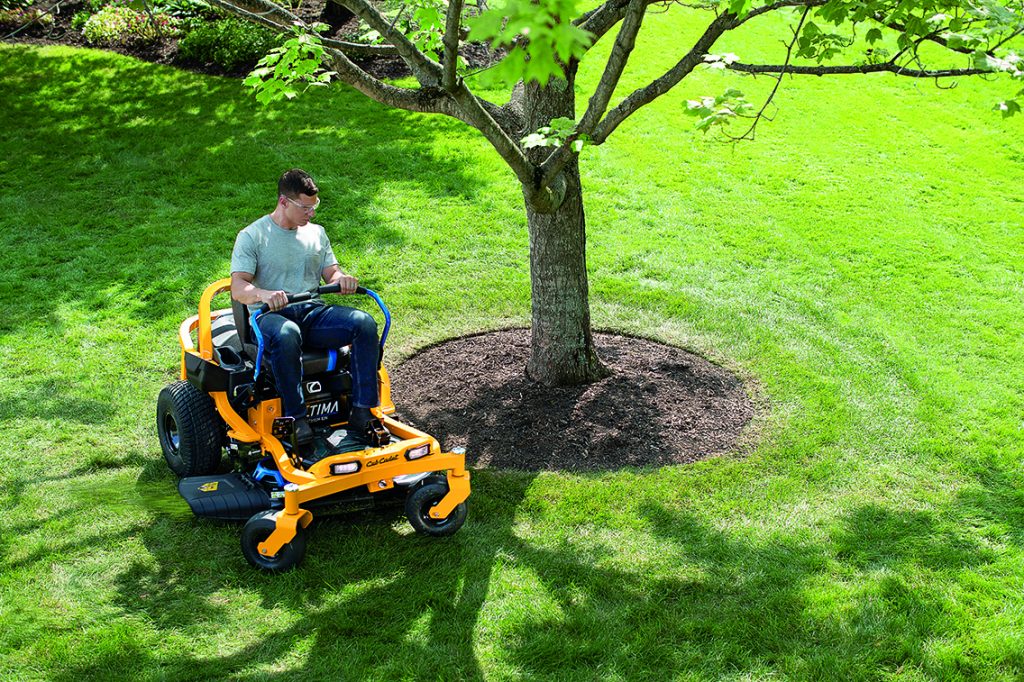
- ZTRs shine in tight turns around trees, beds, and play sets.
- Small decks slip through narrow gates and along curved borders.
- Trim paths reduce string trimming time. Plan them into your mowing pattern.
For rough ground
- Fabricated decks and larger front wheels ride smoother.
- Floating decks with gauge wheels prevent scalping.
- Garden tractors with locking differentials keep traction in dips.

Budget, value, and total cost of ownership
Sticker price is only part of the math. In this riding mower buying guide, I add fuel, blades, belts, and time.
Typical price ranges
- Rear-engine riders: About 1,400 to 2,200 dollars.
- Lawn tractors: About 2,000 to 3,500 dollars.
- Garden tractors: About 3,500 to 7,000 dollars.
- Residential ZTRs: About 3,200 to 7,500 dollars.
- Electric riders/ZTRs: About 3,000 to 6,000 dollars.
Ongoing costs
- Fuel or power: Gas adds up for big acres. Electricity often costs less per cut.
- Blades and belts: Plan for sharpening each 25 to 50 hours and blade swaps as needed.
- Maintenance time: Hydro oil, filters, and greasing take time. Electric cuts this list a lot.
Value tips from the field
- Pay for a better deck and transmission before paying for cup holders and lights.
- A dealer setup and first-service check can save headaches later.
- Used mowers can be great if hours are low and service records exist.

Dealer, warranty, and service support
Good support keeps you mowing in peak season. This riding mower buying guide rates support as a core feature, not a nice-to-have.
What to look for
- Warranty terms: Years and hours both matter. Many offer around 3 years or a set hour limit.
- Local dealer: Parts on hand and quick service beat a long drive and long wait.
- Setup quality: Deck leveling and tire pressure at delivery change cut quality on day one.
Smart questions to ask
- What is the turnaround in May and June?
- Do you stock belts, blades, filters, and common spindles?
- Is there mobile service or pickup options?
Safety essentials and operation tips
Safety is not optional. It is part of performance. This riding mower buying guide keeps safety simple and repeatable.
Core safety checks
- Read the manual and follow slope ratings.
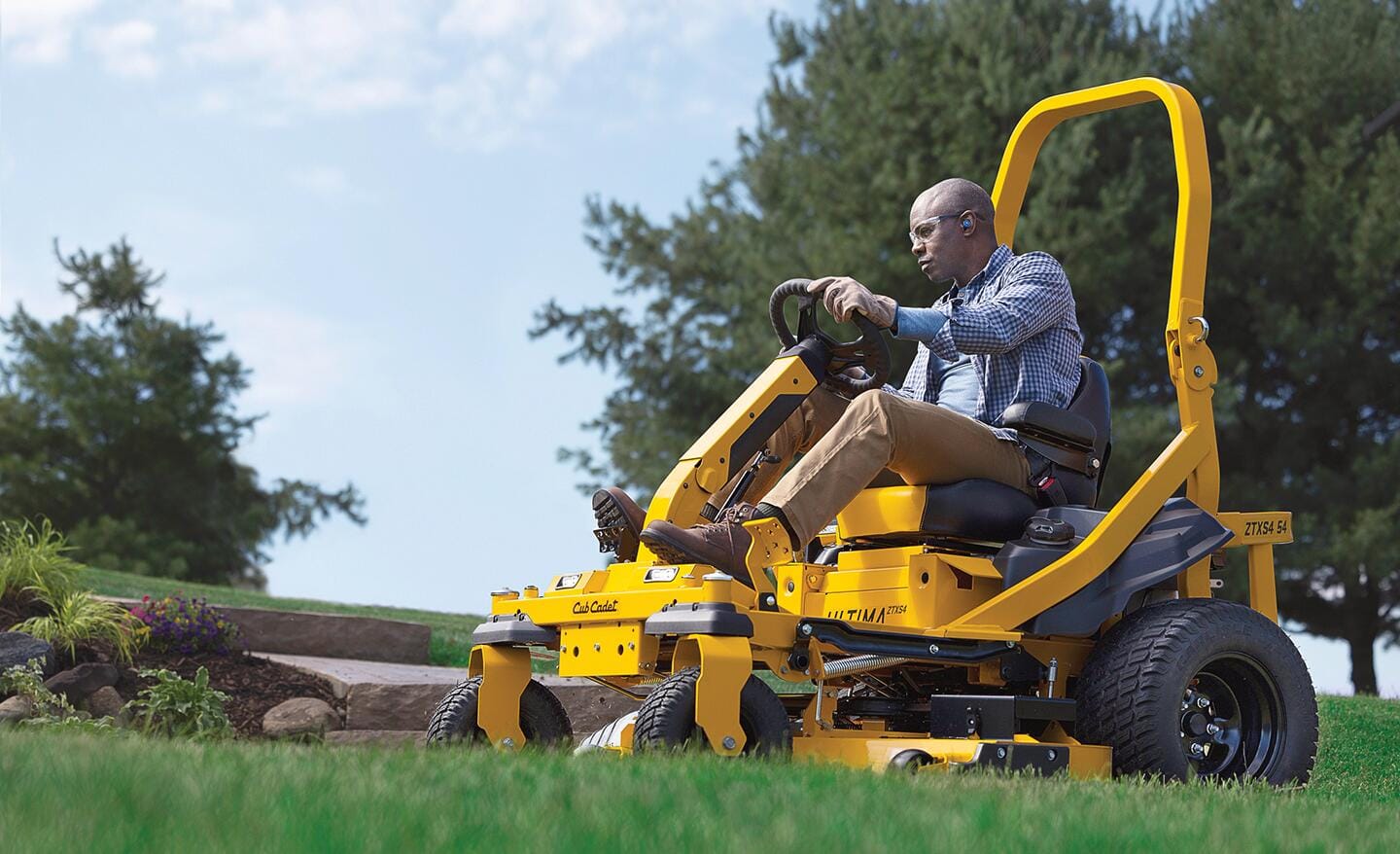
- Wear hearing and eye protection. Keep kids and pets inside.
- Use the seatbelt when a ROPS is installed.
Operating tips I teach new owners
- Mow dry grass to prevent clogging and tearing.
- Set blade height higher for the first spring cut, then adjust down.
- Overlap passes slightly. Change direction each week to protect turf health.

Pre-purchase checklist and test drive tips
A short test drive can reveal a lot. Bring this riding mower buying guide checklist to the store.
Before you buy
- Sit on the seat for five minutes. Check reach, vibration, and visibility.
- Engage blades at idle, then throttle up. Listen for smooth spin and minimal vibration.
- Turn lock to lock. Make a tight 180. Test reverse and hill starts if allowed.
Spec checks
- Verify deck gauge, spindle type, and belt path.
- Confirm tire size and pressure. Small changes alter ride and cut.
- Match bagger or mulch kit to the exact deck model number.
Maintenance, storage, and longevity
Take care of a mower and it will outlast the deck of cards you keep in the shed. This riding mower buying guide sticks to easy routines that work.
Simple schedule
- Change oil and filters around every 50 hours or as specified.
- Sharpen blades every 25 to 50 hours, more often in sandy soil.
- Grease spindles and pivot points if fittings are present.
Storage tips
- Keep it clean and dry. Blow off clippings after each cut.
- Use fuel stabilizer for gas models. Store batteries near half charge if off-season is long.
- Level the deck and check tire pressure before the first spring cut.
Longevity wins
- Fix belt squeal early before heat damages pulleys.
- Replace deck wheels and bushings when sloppy. It protects the deck shell.
- Keep a spare set of sharp blades ready. Swap and go.
Common mistakes to avoid
Most regrets come from size, slope, or service. This riding mower buying guide helps you skip the pain.
Mistakes I see often
- Buying too small a deck for a big yard, leading to long weekends and engine strain.
- Ignoring slope limits and losing traction on side hills.
- Overlooking parts support and waiting weeks for a belt or spindle.
Easy fixes
- Measure gates and tight spots before you shop.
- Time your current mow. Know your target hours per cut.
- Ask neighbors with similar lawns what actually works.
Frequently Asked Questions of riding mower buying guide
What size riding mower should I buy for 1 acre?
A 42 to 46 inch deck is the sweet spot for 1 acre. It balances speed and maneuvering without feeling bulky.
Is a zero-turn better than a lawn tractor?
Zero-turn mowers cut faster and turn tighter, which saves time. Lawn tractors handle towing and light ground work better.
Can I mow hills with a zero-turn?
You can if the slope is within the manual’s limit, often up to 15 degrees. Go up and down, not across, and consider wider tires for grip.
Gas or electric riding mower for 2 acres?
Both work. Gas offers longer run time, while electric lowers noise and maintenance if you can recharge between cuts.
How often should I sharpen blades?
Every 25 to 50 hours for most lawns. Sandy soil or sticks may need more frequent sharpening.
Conclusion
You now have a clear plan to size, spec, and test the right machine. Match deck width to acres, pick the platform for your terrain, and focus on the features that improve cut, comfort, and uptime. Use this riding mower buying guide to set a budget, check support, and stay safe for many seasons.
Ready to act? Measure your gates, time your current mow, and shortlist two models to test drive this week. If this helped, explore more guides, subscribe for updates, or drop your questions in the comments so I can help you choose with confidence.