

Last updated: October 2026 · Written by the LawnVibe editorial team.
Few things beat soaking in warm water under the open sky at the end of a long day. An outdoor hot tub can become the center of your backyard, a place to relax, ease sore muscles and spend time with family and friends. It is also a significant purchase that involves planning for the base, electrical supply, water care and ongoing costs. The best outdoor hot tub for you balances seating, features and footprint with the practical realities of installing and maintaining it.
Our recommendation is based on published product information and practical installation and safety guidance, not on hands-on testing. We feature one verified compact spa and a comfort accessory, and devote the rest of this guide to helping you plan a successful installation.
Our Top Picks

LifeSmart 4-Person Hot Tub (13 Jets, LED)
Best for: Small families wanting a compact hard-shell spa
A square, four-person hard-sided spa with 13 jets, LED lighting, four bucket seats and a pump and cover included. It holds about 205 gallons, which is compact by hot tub standards and easier to place on a patio or deck. Check the electrical requirements and the weight of the filled tub before buying, as both affect where it can go.
- Compact four-person layout with bucket seats
- 13 jets and LED lighting
- Pump and cover included
- Filled weight needs a solid, level base
- Electrical setup may require an electrician
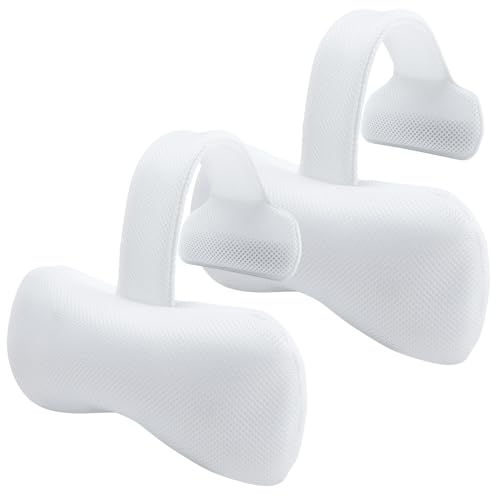
Hot Tub Pillow (2-Pack)
Best for: Adding neck and head comfort to any spa
A pair of hot tub pillows that attach to the spa wall to cushion your head and neck while you soak. Pillows are one of the cheapest ways to make long soaks more comfortable, and a two-pack covers two seats.
- Inexpensive comfort upgrade
- Two pillows for two seats
- Easy to remove for cleaning
- Fit depends on tub wall shape
- Needs regular cleaning to prevent mildew
At a Glance
| # | Product | Best for | Link |
|---|---|---|---|
| 1 | LifeSmart 4-Person Hot Tub (13 Jets, LED) | Small families wanting a compact hard-shell spa | Check price |
| 2 | Hot Tub Pillow (2-Pack) | Adding neck and head comfort to any spa | Check price |
Why We Picked the LifeSmart 4-Person Hot Tub
For many households, a compact four-person hard-shell spa is the sweet spot: enough room for a family or a couple with guests, but small enough to fit on a typical patio. The LifeSmart model combines 13 jets, bucket seats that hold each person in place, LED lighting for evening soaks and an included cover and pump. Its roughly 205-gallon capacity keeps the filled weight and heating demand lower than larger spas. A pair of hot tub pillows adds neck support for longer soaks.
Types of Outdoor Hot Tubs
Hard-Shell Acrylic Spas
Rigid acrylic or composite shells with molded seats, many jets and insulated cabinets. They are durable and comfortable but heavy and require a solid base and often dedicated wiring.
Inflatable Hot Tubs
Portable, affordable tubs that inflate and plug into a standard outlet. They heat slowly and are less insulated, with fewer comfort features, but they are easy to set up and store.
Rotomolded Plug-and-Play Spas
One-piece plastic shells that often run on 120V power. Lighter and simpler than acrylic spas, with fewer jets.
Wood-Fired and Cedar Tubs
Traditional wooden tubs heated by a wood stove. Rustic and off-grid but require more effort to heat and maintain.
Swim Spas
Large spas with a current for swimming in place. Expensive and require substantial space and infrastructure.
How to Choose the Best Outdoor Hot Tub
Size and Seating
Count regular users and add one seat. Remember that seat layouts vary; bucket seats hold you in place, while open benches allow more people to squeeze in. Lounger seats are comfortable but take space.
Jets
More jets do not always mean a better massage. Look at where jets are placed, whether they are adjustable and whether different seats offer different massage styles.
Power Requirements
Many hard-shell spas require a dedicated 240V circuit with a GFCI disconnect, installed by a licensed electrician. Some compact models run on 120V. Confirm requirements before buying.
Insulation and Cover
Good insulation and a tight-fitting, thick cover reduce heat loss and running costs. Replace a waterlogged cover promptly.
Filtration and Water Care
Check filter size and accessibility. Some spas include ozone or UV systems that help reduce chemical use.
Weight
A filled hot tub with people can weigh several thousand pounds. The base must be engineered for it.
Choosing a Location
Place the tub where it is easy to reach from the house, especially in cold weather. Consider privacy from neighbors, views, shade and wind exposure. Avoid placing it under trees that drop leaves and sap. Make sure there is access for delivery and for service panels, and keep it away from overhead power lines.
Preparing the Base
A level, solid base is essential. Options include a reinforced concrete pad, a compacted gravel base with a frame or prefabricated spa pad, or a deck specifically engineered to hold the load. Decks often need extra joists and posts; consult a qualified professional. An uneven base can stress the shell and void warranties.
Electrical Safety
Water and electricity demand respect. Use a licensed electrician to install dedicated circuits, GFCI protection and a disconnect within sight of the tub, following local electrical codes. Never use extension cords with hot tubs unless the manufacturer specifically allows it for a plug-in model. Keep the area around the tub free of standing water and electrical devices.
Hot Tub Water Care Basics
Healthy water depends on filtration, sanitizing and balance. Run the filtration system daily, keep a sanitizer such as chlorine or bromine at recommended levels, and test the water a few times a week with test strips or a kit. Keep pH and alkalinity in the recommended range, shock the water after heavy use and clean filters regularly. Drain, clean and refill every few months. The CDC's hot tub guidance explains how to reduce the risk of waterborne illness.
Hot Tub Safety
Keep water temperature at or below 104 degrees Fahrenheit and limit soak times, especially at higher temperatures. Pregnant women, young children, and people with heart conditions or other health concerns should check with a doctor before using a hot tub. Avoid alcohol while soaking. Keep a locking safety cover on the tub when not in use to protect children and pets, and never leave children unattended.
Running Costs
Ongoing costs include electricity for heating and pumps, water care chemicals, filter replacements, occasional water changes and eventual cover replacement. Costs vary widely with climate, insulation, usage and local electricity rates. A good cover, sheltered location and lower standby temperature help reduce energy use.
Hot Tub Accessories Worth Considering
Useful accessories include a cover lifter to make opening the cover easier, sturdy steps with a handrail, hot tub pillows for neck support, a floating thermometer, towel racks and a small cabinet for chemicals stored safely out of children's reach.
Landscaping Around a Hot Tub
Create privacy with lattice screens, tall planters, ornamental grasses or a pergola. Use slip-resistant paving around the tub, and add soft lighting along paths. Avoid plants that drop a lot of debris or attract bees near the water.
Winter Hot Tub Use
Hot tubs are especially enjoyable in winter, but cold weather increases heating costs. Keep the cover on whenever the tub is not in use and keep the water circulating. If you plan to shut down the tub for winter in a freezing climate, follow the manufacturer's winterizing instructions carefully, as frozen water can crack pipes and equipment.
Health Benefits and Realistic Expectations
Warm water and massage jets can help many people relax, ease muscle tension and unwind before bed. Some people with stiff joints find warm water soothing. Hot tubs are not a medical treatment, though, and anyone with heart conditions, high or low blood pressure, diabetes, or who is pregnant should talk to a doctor before soaking. Stay hydrated, limit soak time to around 15 to 20 minutes at typical temperatures, and get out if you feel dizzy, nauseated or overheated.
Hard-Shell vs Inflatable: Which Is Right for You?
An inflatable hot tub costs far less, plugs into a standard outlet and can be packed away, which suits renters and anyone unsure how much they will use a spa. It heats more slowly, loses heat faster in cold weather and offers bubbles rather than targeted jets. A hard-shell spa costs more and needs a solid base and often dedicated wiring, but it heats faster, holds heat better, offers more comfortable seating and stronger massage, and lasts much longer. If you plan to use the tub year-round for many years, a hard-shell spa is usually the better investment.
Delivery and Installation Planning
Measure gates, paths and corners between the street and the installation site before ordering. Hard-shell spas are delivered on their side on a dolly or by crane in tight spaces. Clear a path, prepare the base before delivery day and schedule the electrician so the tub can be filled and started soon after it arrives. Fill using a garden hose with a pre-filter if your water is hard or high in metals.
Hot Tub Etiquette for Guests
Ask guests to rinse off before getting in, which keeps water cleaner and reduces sanitizer demand. An outdoor shower nearby makes this easy; see our guide to the best outdoor shower for pool areas. Keep glass away from the tub, provide plastic cups and set clear rules for children.
Choosing a Cover
The cover is critical for energy efficiency, safety and keeping debris out. Look for a thick, tapered cover that sheds water, with locking straps to keep children out and wind from lifting it. Over time, covers absorb moisture and become heavy; replace yours when it sags or no longer seals tightly.
Draining and Refilling Step by Step
- Turn off power at the breaker.
- Attach a hose to the drain valve or use a submersible pump to empty the tub.
- Remove and clean or replace filters.
- Wipe down the shell with a non-foaming spa cleaner and rinse.
- Refill through the filter well to reduce air locks in the plumbing.
- Restore power, run the pumps and balance the water before adding sanitizer.
- Let the water heat to temperature with the cover on.
Maintaining Your Hot Tub Through the Year
Weekly, test water and add sanitizer as needed, and rinse filters. Monthly, deep-clean filters with a filter cleaner and check the cover for damage. Every few months, drain and refill. Once a year, inspect the cabinet, steps and equipment, and consider a professional service check. A simple routine keeps the water clear and equipment running smoothly.
Common Hot Tub Mistakes
Common mistakes include installing on an uneven or inadequate base, skipping professional electrical work, choosing a tub too large for the space, neglecting water testing, using a waterlogged cover, setting the temperature too high and placing the tub far from the house where it becomes inconvenient in cold weather.
Reducing Hot Tub Energy Use
Keep the cover on and strapped down whenever the tub is not in use, since most heat escapes from the water surface. Lower the set temperature a few degrees during weeks you will not use the tub, rather than turning it off completely in cold weather. A windbreak of fencing, shrubs or a privacy screen reduces heat loss from wind. Run filtration cycles during off-peak electricity hours if your utility offers time-of-use rates, and keep filters clean so pumps work efficiently.
The Bottom Line on the Best Outdoor Hot Tub
For many households, a compact four-person hard-shell spa like the LifeSmart model offers a great balance of comfort, features and footprint. Add a pair of hot tub pillows for neck support during long soaks. Before buying, plan the base, confirm the electrical requirements with a licensed electrician, budget for water care and running costs, and choose a convenient, private location. With good planning, an outdoor hot tub can be a relaxing retreat for years.
Frequently Asked Questions
What size hot tub should I buy?
Choose seating for the number of people who will regularly use it, plus one. Two to four person tubs suit couples and small families and fit more easily on patios and decks.
What base does a hot tub need?
A level, solid base that can support the filled weight, such as a reinforced concrete pad, compacted gravel with a frame, or a deck engineered for the load. Always follow the manufacturer's base requirements.
Do hot tubs need special wiring?
Many hard-shell spas require a dedicated circuit, often 240V, with a GFCI disconnect installed by a licensed electrician. Some smaller models run on standard 120V outlets. Check the specifications.
How often should I change hot tub water?
Many manufacturers suggest every three to four months, depending on use and water care. Regular testing and sanitizing keep water safe between changes.
What temperature should a hot tub be?
Most people soak between about 100 and 102 degrees Fahrenheit. Health guidance generally caps hot tub temperature at 104 degrees, with shorter soaks at higher temperatures.