
Last updated: October 2026 · Written by the LawnVibe editorial team.
Are galvanized raised beds safe for vegetables? For most home gardeners, the short answer is yes. Galvanized steel is steel coated with zinc to prevent rust, and zinc is an essential plant micronutrient. Small amounts of zinc can move into the soil over time, mostly near the walls and more in acidic soil, but in typical garden conditions this is not expected to harm plants or people. Keep soil pH near neutral, buy beds intended for gardening from reputable brands and avoid unknown paints or salvaged industrial metal.
This article summarizes general guidance from university extension services and materials science, not original laboratory testing. If you are choosing a bed, see our guide to the best metal raised garden bed.
Quick Answer
For most home gardeners, the short answer is yes. Galvanized steel is steel coated with zinc to prevent rust, and zinc is an essential plant micronutrient. Small amounts of zinc can move into the soil over time, mostly near the walls and more in acidic soil, but in typical garden conditions this is not expected to harm plants or people.
Key takeaways:
- Galvanized raised beds are widely considered safe for vegetable gardening when made for that purpose, filled with good soil and kept near neutral pH.
- Choose reputable products, avoid salvaged metal and unknown coatings and follow basic soil care.
What Is Galvanized Steel?
Galvanizing coats steel with a protective layer of zinc, usually by dipping it in molten zinc (hot-dip galvanizing) or by coating sheet steel during manufacturing. The zinc corrodes slowly in place of the steel, protecting it from rust for many years. You can read more about the process in the galvanization article on Wikipedia.
How Zinc Behaves in Garden Soil
Zinc is naturally present in soils and is a micronutrient that plants need in small amounts. Over years, tiny amounts of zinc from the coating can move into nearby soil, especially if the soil is acidic or constantly wet against the metal. Most of any increase is concentrated within a short distance of the bed walls. In soils with near-neutral pH and organic matter, zinc tends to bind to soil particles rather than move freely into plants.
Why Soil pH Matters
Metals are more soluble in acidic conditions. If your soil or compost is very acidic, more zinc may dissolve from the coating and become available to plants. Most vegetables prefer a pH of roughly 6.0 to 7.0, which also limits metal mobility. A simple soil test helps you keep pH in the ideal range; add lime if your soil is too acidic, following test recommendations. Avoid filling beds entirely with very acidic materials such as pure peat.
What About Lead and Cadmium?
Historically, some galvanizing baths contained small amounts of lead, and zinc ores can contain trace cadmium. Modern galvanizing standards and coatings for consumer garden products generally keep these impurities low, but quality varies by manufacturer. To reduce uncertainty, buy beds marketed for food gardening from established brands, avoid salvaged materials such as old roofing, troughs or industrial sheeting and do not use beds with peeling or unknown coatings.
Zinc-Aluminum-Magnesium and Powder-Coated Beds
Many modern garden beds use steel coated with a blend of zinc, aluminum and magnesium, sometimes with a powder-coated finish. These coatings are designed for long outdoor life and corrosion resistance. Reputable garden bed brands market these products for vegetable growing. As with galvanized beds, avoid damaging the coating during assembly and keep soil pH near neutral.
Comparing Metal Beds With Other Materials
Untreated cedar and redwood are natural and safe but eventually rot. Older pressure-treated lumber treated with chromated copper arsenate (CCA) is not recommended for vegetable beds; modern treated lumber uses different preservatives that many extension services consider lower risk, though some gardeners still prefer to avoid it. Plastic and composite beds are another option. Galvanized and coated steel offer a durable, rot-proof alternative with low risk when used sensibly.
Practical Steps to Garden Safely in Metal Beds
Test your soil pH and keep it near neutral. Fill beds with quality topsoil and compost rather than very acidic mixes. Keep root crops a few inches from the walls if you want extra caution. Wash vegetables before eating, as you would with any garden produce. Replace beds if the coating is badly damaged or rusting through. These simple habits reduce any potential risk to very low levels.
Do Metal Beds Affect Plant Growth?
Most gardeners grow vegetables successfully in galvanized and coated steel beds. Plants rarely show zinc toxicity in normal conditions. More common issues are heat near the walls in hot climates and faster drying, which mulch and consistent watering solve. Our guide on how to plant vegetables in a raised bed covers spacing and layout.
How Long Do Galvanized Raised Beds Last?
The lifespan of a galvanized bed depends on coating thickness, soil and climate. In typical garden conditions, quality galvanized and coated steel beds commonly last many years, often outlasting untreated wood. Coatings wear faster in constantly wet, acidic or salty conditions, such as near the coast or when filled with acidic peat-based mixes. Inspect beds each season for scratched coating and rust spots.
Signs Your Metal Bed Needs Attention
Look for white powdery deposits (zinc corrosion products), reddish rust spots where the coating has worn through, sharp or flaking edges and bowed or separating panels. Light white residue is a normal part of zinc weathering. Red rust means the steel underneath is exposed. Small spots can be cleaned and touched up with a zinc-rich cold galvanizing paint designed for outdoor use, applied only to the outside of the bed if you prefer.
Testing Your Soil
A basic soil test measures pH and major nutrients and often includes micronutrients such as zinc. Many university extension services offer low-cost testing. If you are concerned about metals, ask whether your lab offers a heavy metals panel. Results help you adjust pH and fertility and give you peace of mind. Test before planting and every few years after.
Best Soil Mix for Metal Beds
A balanced mix of quality topsoil and compost, or a commercial raised bed mix, provides good structure, nutrients and near-neutral pH. Avoid filling beds entirely with peat moss, which is acidic and dries out quickly. Adding compost each season maintains organic matter, which binds metals and supports healthy soil life. Our guide to the best soil amendments for raised beds explains options, and best potting soil for raised beds compares mixes.
Should You Seal or Paint the Inside?
Sealing the inside of a garden bed is generally unnecessary and can introduce coatings not intended for soil contact. If you want an extra barrier, some gardeners staple untreated natural burlap or landscape fabric along the inside walls, which allows drainage. Avoid plastic sheeting, which traps moisture against the metal and can accelerate corrosion.
Metal Beds in Hot Climates
In very hot regions, metal walls can heat the outer few inches of soil. Lighter colors reflect more heat. Mulching the soil surface, planting heat-tolerant crops near the edges, shading the walls with trailing plants and watering deeply all help. Many gardeners in hot climates use metal beds successfully with these steps.
Children and Pets Around Metal Beds
Choose beds with rolled or capped edges to prevent cuts. Supervise young children during assembly, since panels can have sharp edges before they are fitted. Once assembled, quality beds are safe for family gardening and are popular for school and community gardens.
Galvanized Beds and Organic Gardening
Many organic gardeners use galvanized and coated steel beds. Organic certification rules focus on inputs such as fertilizers and pest control and on avoiding prohibited treated lumber, so certified growers should check with their certifier about specific materials. For home gardens, quality galvanized beds are a common choice among gardeners who follow organic practices.
What Extension Services Say
Many university extension services have published guidance on raised bed materials. The general message is that galvanized steel is an acceptable choice for vegetable beds, that untreated rot-resistant wood is also fine and that older CCA-treated wood and unknown salvaged materials should be avoided. Recommendations may differ slightly by region, so check with your local extension office for advice specific to your soil and climate.
Comparing Risk Sensibly
Everyday exposure to zinc from food and the environment is normal, and zinc is an essential nutrient for people too. The potential added amount from a garden bed is generally small compared with natural soil levels and dietary intake. Gardening safely is more about choosing appropriate materials, maintaining healthy soil and practicing basic hygiene, such as washing produce, than about avoiding metal beds altogether.
When to Choose a Different Material
If your soil is naturally very acidic and difficult to correct, if you garden near the coast where salt accelerates corrosion, or if you simply prefer natural materials, untreated cedar, stone or composite beds are reasonable alternatives. Our guide to the best outdoor garden beds for vegetables compares several materials.
Buying Checklist for a Safe Metal Bed
Choose a bed sold for vegetable gardening by an established brand. Look for galvanized or zinc-aluminum-magnesium coated steel with rolled or capped edges. Read product details for coating type and steel thickness. Avoid beds with unknown paints. Make sure the size and depth suit your crops and that internal braces are included for long beds.
Caring for the Coating
The coating is what protects the steel, so treat it gently. Avoid striking panels with metal tools, do not drag sharp stones across the walls and use a soft brush rather than abrasive scrubbers when cleaning. When digging near the edges, use a trowel or hand fork carefully. Small precautions keep the protective layer intact for many more seasons.
Recycling Old Metal Beds
At the end of their life, steel beds are recyclable at most scrap metal facilities. Remove soil and any fabric liners first.
Container Gardening Comparisons
If you grow in galvanized buckets, tubs or troughs, the same principles apply: choose products sold for planting, add drainage holes, use a quality potting mix with near-neutral pH and avoid old containers with unknown history. Smaller containers have more soil in contact with metal relative to their volume, so pH management matters slightly more.
Key Takeaway for Beginners
If you are new to gardening, do not let concerns about galvanized steel stop you from starting. Choose a reputable bed, fill it with good soil, test pH and enjoy growing your own food.
Supplies for Safe, Healthy Metal Beds
These products help you keep soil healthy in metal beds. Details come from Amazon listings; we have not hands-on tested them.

Vego Garden 9-in-1 Modular Metal Raised Bed, 17 Inch Tall
Best for: Vegetable gardeners wanting a flexible, long-lasting bed
A modular 17-inch-tall kit that builds one of nine shapes, made from steel with a zinc, aluminum and magnesium coating for corrosion resistance per Vego.
- Nine layout options
- Coated steel for longevity
- Rolled safety edges
- Assembly takes time
- Premium cost

Luster Leaf Rapitest Soil Test Kit
Best for: Checking pH at home
A home soil test kit for pH and major nutrients.
- Quick pH check
- Inexpensive
- Less precise than a lab test

FoxFarm Raised Bed Planting Mix, 1.5 cu ft
Best for: Filling beds with balanced soil
An all-purpose raised bed planting mix for vegetables and flowers.
- Ready to use
- Balanced blend
- Many bags needed for deep beds
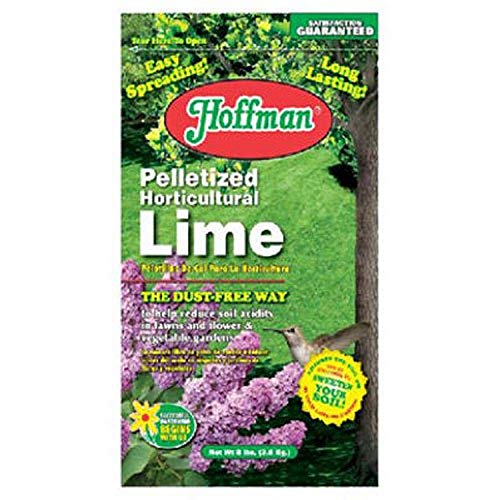
Hoffman Pelletized Garden Lime, 8 lb
Best for: Raising acidic soil pH
Pelletized lime for correcting acidic garden soil based on a soil test.
- Easy to spread
- Small bag for beds
- Apply only per soil test results

Rakukiri GRS Certified Galvanized Oval Raised Bed, 5 ft
Best for: Eco-minded gardeners
A 0.8 mm galvanized oval bed made with recycled material and GRS certification per the seller.
- Recycled material
- Thicker 0.8 mm sheet per listing
- 11-inch height is shallower
Choose a quality bed from our best metal raised garden bed guide.
Common Myths
One myth is that galvanized beds poison vegetables; in typical conditions, the evidence does not support this. Another is that all metal beds are the same; coatings and steel quality vary considerably. A third is that lining beds with plastic makes them safer; plastic liners can trap water against the metal and cause other problems.
Final Thoughts on Whether Galvanized Raised Beds Are Safe
Galvanized raised beds are widely considered safe for vegetable gardening when made for that purpose, filled with good soil and kept near neutral pH. Choose reputable products, avoid salvaged metal and unknown coatings and follow basic soil care. To pick a quality bed, compare options in our best metal raised garden bed guide.
More Questions People Ask
Do galvanized beds leach chemicals?
They can release small amounts of zinc over time, mainly in acidic or constantly wet conditions. In typical garden soil this is generally not considered harmful.
Is Vego Garden safe for vegetables?
Vego markets its zinc-aluminum-magnesium coated steel beds for vegetable gardening, and such coatings are designed for long-term outdoor garden use.
Can I use a galvanized stock tank as a raised bed?
Many gardeners do. Add drainage holes, use a near-neutral soil mix and buy new tanks from reputable suppliers rather than old tanks of unknown history.
Is galvanized steel better than treated wood?
Galvanized steel avoids wood preservatives and rot. Modern treated lumber is considered lower risk than old CCA wood, but many vegetable gardeners prefer metal or untreated wood.
Frequently Asked Questions
Are galvanized raised beds safe for growing vegetables?
Galvanized steel beds are widely used for food gardens and are generally considered low risk in normal garden soil. The coating is mostly zinc, a plant micronutrient, and leaching is usually small, especially when soil pH is near neutral.
Does zinc from galvanized beds leach into soil?
Small amounts of zinc can move into soil over time, mainly near the walls and more in acidic conditions. Plants need zinc in small amounts, and typical garden conditions are not expected to cause problems.
What about lead or cadmium in galvanized steel?
Modern hot-dip galvanizing uses mostly zinc, though trace impurities can occur. Buying from reputable brands, preferring beds marketed for food gardening and checking product information reduces uncertainty.
Are painted or powder-coated metal beds safe?
Powder coatings and zinc-aluminum-magnesium coatings sold for garden beds are generally intended for outdoor and garden use. Avoid beds with unknown paints, and avoid repurposing industrial metal of unknown origin.
Should I line a galvanized raised bed?
Lining is not usually necessary. If you prefer extra caution, a natural barrier such as untreated burlap or simply keeping plants a few inches from the walls works. Avoid plastic liners that trap water.