
Last updated: October 2026 · Written by the LawnVibe editorial team.
If you are asking why does my trimmer line keep breaking, the cause is usually one of a handful of fixable problems: old, brittle line; the wrong diameter or shape for your vegetation; repeated contact with fences, concrete and rocks; a worn eyelet that cuts the line; poor winding that causes snaps inside the head; or technique that buries the line in thick growth. Fix the underlying cause and you will spend more time trimming and less time reloading.
This troubleshooting guide is based on manufacturer recommendations and general equipment practice; nylon, the material most line is made from, absorbs and loses moisture, as described in the nylon article on Wikipedia. If you need new line, see our guide to the best string trimmer line.
Quick Answer
If you are asking why does my trimmer line keep breaking, the cause is usually one of a handful of fixable problems: old, brittle line; the wrong diameter or shape for your vegetation; repeated contact with fences, concrete and rocks; a worn eyelet that cuts the line; poor winding that causes snaps inside the head; or technique that buries the line in thick growth. Fix the underlying cause and you will spend more time trimming and less time reloading.
Key takeaways:
- Most line breakage comes down to old line, the wrong size or shape, hard-surface contact, worn eyelets, poor winding or technique.
- Work through the causes one by one, starting with fresh line in the right diameter and shape for your yard.
Quick Diagnosis Table
| Symptom | Likely Cause | Fix |
|---|---|---|
| Line snaps after a few minutes in grass | Old, brittle line | Replace with fresh line, store properly |
| Breaks every time you hit the fence | Hard surface contact, shaped line | Use round line, change technique |
| Breaks off flush at the eyelet | Worn or sharp eyelet | Replace eyelet or head |
| Snaps inside the head | Loose or crossed winding, welding | Rewind tightly, correct direction |
| Breaks in thick weeds | Line too thin or wrong shape | Use thicker (within spec) or square line |
| Line too short after feeding | Feed mechanism or spool issue | Inspect spool, spring and head |
1. The Line Is Old and Brittle
Nylon line loses moisture over time, especially in hot, dry sheds and garages. Brittle line snaps easily even in light grass. Bend a piece sharply: if it cracks or turns white at the bend, it is likely too dry. Replace it with fresh line and store spools in a cool, dark place in a sealed bag.
2. The Line Is Too Thin
Line thinner than your trimmer can handle, or simply too thin for your vegetation, breaks quickly in weeds. Check your manual for the recommended diameter and use the upper end of that range if you cut thick growth. Our trimmer line size chart shows typical sizes.
3. The Wrong Shape for the Job
Square and star lines cut weeds well but chip against hard surfaces. If you edge along sidewalks and fences often, round line will last longer. Learn more in our comparison of square vs round trimmer line.
4. Hitting Hard Surfaces
Fences, concrete, brick, rocks, tree trunks and metal edging all cut line quickly. Approach them slowly with just the tip of the line, keep the head angled away and avoid wrapping line around posts. Consider a bed of mulch or a mowing strip along fences to reduce the trimming needed.
5. A Worn or Damaged Eyelet
Eyelets are the small holes where line exits the head. Metal or plastic eyelets wear over time and can develop sharp edges or grooves that cut the line, causing breaks right at the head. Inspect them and replace eyelets or the head if they are worn.
6. Poor Winding
Line wound loosely, crossed over itself or in the wrong direction can bind, snap inside the head or fail to feed. Wind tightly and evenly in the direction of the arrows, keep the two lines separated and do not overfill. See how to wind trimmer line on a spool.
7. Line Welding From Heat
In hot weather or with long running times, friction can fuse wound line together inside the spool. When you bump to feed, the welded line snaps. Let the trimmer cool, rewind fresh line and avoid overfilling. Some line types resist welding better than others.
8. Cutting With Too Much Line
Burying the head in thick grass makes the whole line length do the work, increasing drag and breakage. Cut with the tip of the line, working from the top of tall growth down in layers, and move at a steady pace.
9. Too Much Line Extended
If the line is longer than the guard's cutoff blade allows, it whips excessively and breaks. The cutoff blade trims line to the correct length; make sure it is intact and sharp.
10. Feeding Problems Mistaken for Breaking
Sometimes line is not breaking but failing to feed, leaving short stubs that appear broken. A worn bump knob, weak spring or damaged spool can cause this. Our guide on how to fix a string trimmer that's not feeding line covers feed issues.
How to Test Whether Your Line Is Too Old
A simple bend test helps. Pull a few inches of line from the spool and fold it sharply. Fresh line flexes and springs back. Old line may crack, show a white stress mark or snap. You can also compare a piece from the outside of the spool with a piece from deeper inside; outer wraps exposed to air often dry out first. If in doubt, a fresh spool is inexpensive compared with the time lost to constant breaks.
Storing Line to Prevent Breakage
Keep spools out of direct sunlight and away from heat sources such as water heaters or hot attics. A sealed plastic bag or airtight container slows moisture loss. Some users add a damp paper towel to the bag to maintain humidity; avoid soaking spools for long periods, which can make winding messy. Buy line in quantities you will use within a season or two.
Inspecting the Trimmer Head
Remove the head cover and spool and look for cracks, worn eyelets, damaged spool flanges, a weak spring and worn bump knobs. Clean out grass, dirt and melted line fragments. Replace worn parts or the entire head if several components are damaged. A fresh head often solves breakage and feeding problems at once.
Technique Tips for Fewer Breaks
Hold the trimmer so the head is level for trimming and slightly tilted for edging. Sweep from side to side in a smooth arc, cutting with the tip of the line. For tall grass, cut from the top down in stages. Slow down near hard surfaces and obstacles. Keep the engine or motor at full speed; low speed reduces cutting efficiency and increases tangling.
When the Problem Is the Trimmer, Not the Line
If line breaks constantly despite fresh line, correct size and good technique, check whether the trimmer is running at the right speed. An engine that is not reaching full RPM, often due to a clogged air filter, old fuel or a dirty spark arrestor, makes the line drag and break. Battery trimmers with low charge can behave similarly. Our guide on how to fix a string trimmer that bogs down covers these issues.
Choosing a More Durable Line
Composite and co-extruded lines combine a tough outer layer with a flexible core, resisting breakage better than basic monofilament. Round composite lines are especially durable around hard edges. Premium lines cost more but can save money if they reduce breaks significantly.
Trimming Around Trees and Posts
Trimmer line wrapped around tree trunks damages bark and can kill young trees. Around trees, posts and fences, use mulch rings, hand shears or approach with just the very tip of the line. Reducing the number of obstacles you trim around also reduces breakage.
Breakage Problems by Trimmer Type
Battery Trimmers
Battery trimmers often use thinner line and lighter heads. When the battery runs low, head speed drops and line tends to tangle and break. Keep batteries charged, use the line diameter the maker specifies and consider twisted or round line for durability. Some battery heads are designed for specific line types, so check the manual.
Gas Trimmers
Gas trimmers can run thicker line, but breakage often increases when the engine is not reaching full speed. Fresh fuel, a clean air filter and a properly gapped spark plug keep the engine at the right RPM. Very old line or the wrong shape for edging remain common causes.
Corded Electric Trimmers
Corded trimmers typically use .065 line, which is thin and breaks more often in weeds. Use them for light trimming and approach hard edges carefully. Make sure the extension cord is the correct gauge so the motor gets full power.
Weather and Breakage
Hot, dry weather can make line more brittle and increase welding inside the spool. Very cold weather also makes nylon stiffer. Trimming wet grass increases drag and clumping. When possible, trim when grass is dry and temperatures are moderate.
Fixed-Line Heads as an Alternative
If you constantly fight bump-feed problems, a fixed-line head that uses pre-cut lengths can reduce breakage inside the head, since there is no winding. You replace individual pieces as they wear. Make sure any aftermarket head is compatible with your trimmer and rated for its power.
Keeping a Simple Breakage Log
For a few sessions, note when line breaks: along the fence, in thick weeds, inside the head or at the eyelet. Patterns quickly point to the cause. For example, breaks always at the eyelet suggest worn hardware, while breaks only near concrete suggest switching to round line.
Step-by-Step Troubleshooting Order
Start with the easiest checks. First, replace old line with a fresh spool in the correct diameter. Second, rewind it tightly and in the right direction. Third, inspect and replace worn eyelets or the head. Fourth, adjust your technique and switch shape if you trim along hard edges. Fifth, check that the engine or battery delivers full power. Working in this order fixes most breakage problems quickly and cheaply.
Reducing How Much You Need to Trim
The less line contacts hard edges, the less it breaks. Install mowing strips along fences and beds, use mulch rings around trees, and widen beds so the mower handles more of the edge. These small landscape changes cut trimming time and line use significantly.
When to Replace the Whole Head
If the spool is cracked, the eyelets are deeply grooved and the bump knob is worn flat, replacing the entire head is often cheaper than replacing parts one at a time. Choose an OEM head or a universal head rated for your trimmer.
Safety Reminder
Always stop the trimmer and remove the battery or disconnect the spark plug wire before inspecting or rewinding the head.
Durable Trimmer Lines to Reduce Breakage
These lines are designed for durability. Match the diameter to your manual. Details come from Amazon listings; we have not hands-on tested them.

Husqvarna Titanium Force .095 Trimmer Line, 840 ft
Best for: Everyday trimming with fewer breaks
A round, dimpled, co-extruded commercial-grade line designed for durability and energy efficiency.
- Durable co-extruded design
- Easy to wind
- Round profile cuts less sharply than square

Arnold Xtreme .095 Professional Trimmer Line, 800 ft
Best for: Lasting longer between reloads
A 4-point star line with hardened cutting edges and a soft inner core for flexibility.
- Hardened edges
- Large spool
- Profile may weld if overheated

Desert Extrusion Cyclone .095 Trimmer Line, 285 ft
Best for: Budget-friendly reliable line
A commercial nylon copolymer line made in the USA.
- Made in USA
- Consistent quality
- Smaller spool

Oregon Gatorline .095-Inch Square Trimmer Line, 1134 ft
Best for: Gas trimmers and mixed weeds
Square-profile .095 line that Oregon says slices vegetation with a clean, even pass, in a large spool for frequent use.
- Square edges cut cleanly
- Large spool
- Fits standard .095 heads
- Square line can be harder to wind on some heads
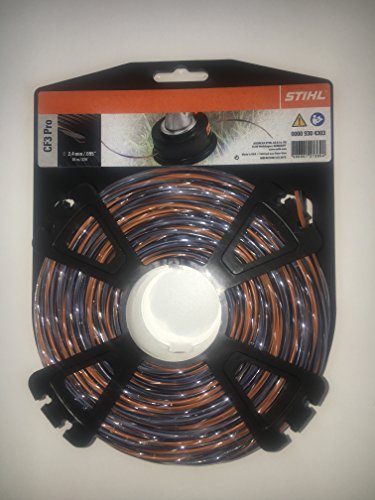
STIHL CF3 Pro Carbon Trimmer Line, 2.4 mm
Best for: Pros and heavy brush cutters
A three-component, cross-shaped line with a carbon fiber core for strength and longevity per Stihl.
- Carbon fiber core
- Cross shape cuts aggressively
- Small 70 m spool
- Premium cost
Compare all picks in our best string trimmer line guide.
Common Mistakes
Common mistakes include storing line in a hot shed, buying cheap line, using shaped line for heavy edging, ignoring worn eyelets, winding loosely, exceeding the recommended diameter and plunging the head into thick vegetation.
Final Thoughts on Why Trimmer Line Keeps Breaking
Most line breakage comes down to old line, the wrong size or shape, hard-surface contact, worn eyelets, poor winding or technique. Work through the causes one by one, starting with fresh line in the right diameter and shape for your yard. For durable options, see our best string trimmer line picks.
More Questions People Ask
Why does my weed eater string keep popping off?
Common causes are brittle line, worn eyelets, loose winding or hitting hard surfaces. Fresh line wound tightly usually solves it.
Is it normal for trimmer line to break?
Some wear is normal, especially along edges, but frequent snapping in light grass points to old line, the wrong size or a worn head.
Can a dull cutoff blade cause line breakage?
A damaged or missing cutoff blade lets line extend too far, increasing whip and breakage. Check that the guard blade is intact.
Does trimmer line expire?
Line does not have a printed expiry, but nylon dries out over time and becomes brittle, especially in heat.
Frequently Asked Questions
Why does my trimmer line keep breaking?
The most common causes are old, brittle line, line that is too thin or the wrong shape for your vegetation, frequent contact with hard surfaces, a worn or sharp eyelet, poor winding and cutting with too much of the line rather than the tip.
Why does trimmer line break inside the head?
Line that snaps inside the head is often caused by loose or crossed winding, welding from heat, a damaged spool or a worn eyelet with sharp edges.
Does soaking trimmer line help?
Some users soak line in water to restore flexibility to dried-out nylon. Results vary, and fresh, properly stored line is more reliable.
Should I use thicker line if mine keeps breaking?
Only within your trimmer's specified range. If you are already at the maximum, try a tougher composite or round line instead of going thicker.
How do I stop trimmer line breaking on fences?
Use round line for edging along fences and concrete, approach hard surfaces slowly with just the tip and consider a trimmer guard or fence-friendly technique.