

Last updated: October 2026 · Written by the LawnVibe editorial team.
Learning how to store a chainsaw correctly before winter, or any break longer than a month, prevents the most common springtime problem: a saw that will not start because stale fuel has gummed up the carburetor. The basic process is to deal with the fuel, clean the saw, check the chain, bar, air filter and spark plug, protect the bar with a scabbard and store the saw in a dry, ventilated place away from ignition sources. It takes about half an hour and saves repair bills.
These steps follow general guidance from chainsaw manufacturers and the Outdoor Power Equipment Institute, which promotes fuel safety for small engines. Your owner's manual has the final word for your model. If you are planning a new saw for next season, see our guide to the best gas chainsaw.
Why Chainsaw Storage Matters
Gasoline begins to degrade within weeks. Ethanol-blended fuel absorbs moisture and can separate, leaving water and varnish in the tank, fuel lines and carburetor. Bar oil can slowly seep out, attracting dust and making a mess. Sawdust and moisture trapped around the chain and sprocket encourage rust. A saw put away dirty and fueled is far more likely to need a carburetor cleaning in spring.
Top picks from our guide: Best Gas Chainsaw : Picks for Yard Work, Firewood and Big Trees


As an Amazon Associate we earn from qualifying purchases. Prices and availability can change; check the current price on Amazon.
What You Need
Gather a brush and rags, a bar groove cleaner or flat screwdriver, compressed air if available, the combination wrench (scrench) that came with the saw, a replacement spark plug if needed, fuel stabilizer or ethanol-free pre-mixed fuel, a drain pan, a scabbard (bar cover) and gloves.
Step 1: Decide How to Handle the Fuel
There are two common approaches, and manufacturers differ. The first is to empty the tank into an approved container, then start the saw and let it idle until it stops to burn the fuel out of the carburetor. The second is to fill the tank with fuel treated with stabilizer, or with ethanol-free pre-mixed fuel, and run the saw for a minute so treated fuel reaches the carburetor. Check your manual for which approach your manufacturer recommends. Never store a saw with untreated pump gas for months.
Step 2: Empty or Top Up the Bar Oil
Bar and chain oil can leak during storage, especially if the saw is stored on its side. Many owners empty the oil tank for long storage. If your manual says to leave it, top it up and store the saw so drips are contained, for example on a tray.
Step 3: Clean the Saw Thoroughly
Remove the chain cover (clutch cover) and clean sawdust and oily debris from around the sprocket, chain brake band and bar mount. Brush off the cylinder fins and starter housing so the engine can cool properly next time. Wipe down the body with a rag. Avoid spraying water into the engine or electrical parts.
Step 4: Remove and Clean the Bar and Chain
Take off the bar and chain. Clean the bar groove with a groove cleaner and clear the oil holes so oil flows freely next season. Check the bar rails for burrs and file them smooth. Flip the bar when you reinstall it to spread wear evenly. Inspect the sprocket nose for smooth rotation.
Step 5: Sharpen or Replace the Chain
The off-season is the perfect time to sharpen the chain or replace it if the cutters are worn down or damaged. Our guide on how to sharpen a chainsaw chain at home explains filing. If the bar or chain needs replacement, see how to replace a chainsaw bar and chain. Lightly oil the chain before storage to protect it from rust.
Step 6: Clean or Replace the Air Filter
Remove the air filter and clean it according to the manual, often with warm soapy water or by gently tapping out debris, then let it dry completely. Replace it if it is torn or heavily clogged.
Step 7: Check the Spark Plug
Remove and inspect the spark plug. Replace it if the electrode is worn or heavily fouled. Some owners add a few drops of 2-stroke oil into the cylinder and pull the cord slowly a couple of times to coat the cylinder walls for long storage; check whether your manual recommends this.
Step 8: Inspect for Wear and Damage
Look for cracked fuel lines, a frayed starter cord, loose screws, a worn chain catcher and damaged anti-vibration mounts. Order parts now so the saw is ready in spring.
Step 9: Store It Properly
Fit the scabbard over the bar and chain. Store the saw in a dry, well-ventilated area such as a shed or garage, away from furnaces, water heaters, pilot lights and other ignition sources. Keep it out of reach of children. Store it level or as shown in the manual to minimize leaks, ideally on a shelf or hung securely.
Storing Fuel Over the Winter
Mixed fuel that is not stabilized is commonly recommended to be used within about 30 days. Over winter, either use up leftover mix in another 2-stroke tool, dispose of it properly at a hazardous waste facility, or treat it with stabilizer. Sealed ethanol-free canned fuel generally lasts longer. Store fuel in an approved container away from the house.
Storing a Battery Chainsaw
Battery chainsaws do not need fuel treatment, but the bar, chain and bar oil steps still apply. Remove the battery and store it indoors at moderate temperatures, at the partial charge level the manufacturer recommends. Avoid storing batteries in freezing sheds.
Getting the Chainsaw Ready in Spring
Reinstall the bar and chain if you removed them and set the tension. Refill with fresh mixed fuel and bar oil. Check the spark plug and air filter. Prime and start following the normal cold start procedure in our guide on how to start a gas chainsaw. Let it warm up and check that the chain oils the bar by holding the tip near a light surface at high revs.
How Long Can a Chainsaw Sit Without Being Used?
A chainsaw can sit for months without harm if it is stored correctly, with the fuel handled properly and the saw clean and dry. Problems start when untreated fuel sits in the carburetor for more than a few weeks, or when moisture and sawdust cause rust. If your saw will be idle for more than about 30 days at any time of year, use the storage steps in this guide rather than just setting it aside.
Short-Term Storage Between Jobs
Between regular jobs during the cutting season, you do not need the full winter routine. Keep the saw clean, fit the scabbard, top up bar oil, use fuel within a few weeks and store it level in a dry place. Brush off sawdust after every session, especially around the clutch cover, where wet chips can trap moisture against the sprocket and chain brake band.
Best Places to Store a Chainsaw
A dedicated shelf or wall bracket in a dry garage or shed is ideal. Many owners keep their saw in a hard carrying case, which protects it from dust and knocks and contains small oil drips. Avoid basements with fuel-burning appliances and avoid storing the saw inside the living space because of fuel vapors. Keep it off concrete floors where condensation and damp can promote rust. Hang or shelve it high enough to be out of reach of children.
Preventing Rust and Corrosion
Moisture is the enemy during storage. Wipe the chain and bar with a light coat of bar oil, keep the scabbard on and avoid storing the saw in a humid spot. A small tray under the saw catches any oil that seeps out. In coastal or very humid climates, check the saw once mid-winter and reapply a light coat of oil if you see surface rust.
Keeping Rodents Out
Mice and other rodents sometimes nest in equipment stored in sheds over winter and can chew fuel lines and wiring. Store the saw in a closed case or cabinet if rodents are a problem, keep the area clean and check air intakes and the starter housing for nesting material before the first spring start.
Transporting a Chainsaw Safely
When moving the saw to and from storage, fit the scabbard, engage the chain brake and carry it by the front handle with the bar pointing behind you. In a vehicle, secure it so it cannot slide or tip, ideally in a case, and keep fuel containers upright and separate from the passenger area.
Should You Have a Dealer Service the Saw?
If your saw ran poorly last season, an off-season service by an authorized dealer can be worthwhile. Dealers can clean or rebuild the carburetor, replace worn parts and check the clutch and anti-vibration system. Booking service in winter usually means shorter waits than in spring, when demand peaks.
Chainsaw Winter Storage Checklist
Use this quick checklist before you put the saw away. Fuel emptied and engine run dry, or tank filled with stabilized or ethanol-free fuel, as your manual recommends. Bar oil tank emptied or topped up per the manual. Clutch cover removed and sprocket area cleaned. Bar groove and oil holes cleared, rails dressed and bar flipped. Chain sharpened or replaced and lightly oiled. Air filter cleaned or replaced. Spark plug checked or replaced. Fuel lines, starter cord and chain catcher inspected. Scabbard fitted. Saw stored level in a dry, ventilated place away from ignition sources and children. Parts ordered for anything worn.
Storing Chainsaw Accessories
Do not forget the rest of your kit. Store files, the scrench, spare chains and bar oil together in a labeled box. Keep spare chains in a sealed bag with a light coat of oil to prevent rust. Wash and dry chainsaw chaps according to the maker's instructions before storing them, and keep your helmet out of direct sunlight, which can degrade the shell over time.
Chainsaw Storage Supplies
These items make off-season storage easier. Details come from Amazon listings; we have not hands-on tested them.

Husqvarna Genuine Chainsaw Scabbard, 18 to 22 Inch
Best for: Covering 18 to 22-inch bars
A genuine Husqvarna bar and chain cover for safe storage and transport.
- Genuine part
- Protects chain and hands
- Check bar length fit

STIHL Woodsman Chain Saw Carrying Case
Best for: Dust-free storage and transport
A hard carrying case for storing and transporting a chainsaw; confirm fit for your saw size.
- Contains drips and dust
- Easy to carry
- Check compatibility with non-Stihl saws
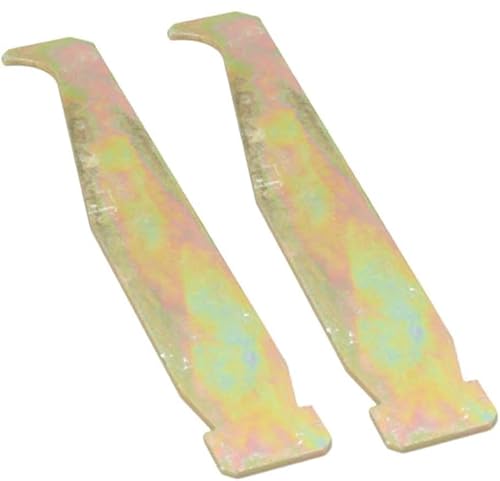
GANPUB Bar Groove Cleaner, 2 Pack
Best for: Cleaning the bar before storage
A simple tool for scraping debris from the guide bar groove.
- Inexpensive
- Easy to use
- Basic plastic tool

Husqvarna X-Guard All Season Bar and Chain Oil, 1 Gallon
Best for: Refilling next season
An all-season bar and chain oil from Husqvarna.
- All-season formula
- Gallon size
- Store sealed and upright

Husqvarna XP+ 50:1 Ethanol-Free Pre-Blended Fuel, 4 Pack
Best for: Avoiding stale-fuel starting problems
Ethanol-free 50:1 pre-blended 2-cycle fuel that avoids mixing errors and stale pump gas.
- No mixing
- Ethanol free
- Only for 50:1 engines
If your saw is worn out, compare models in our best gas chainsaw guide before spring.
Common Chainsaw Storage Mistakes
Common mistakes include leaving untreated fuel in the tank, storing the saw dirty and full of sawdust, leaving the chain dull, storing it on its side so oil leaks, keeping it near a heater or pilot light, leaving it in a damp shed without a cover and forgetting to order worn parts until the day you need the saw.
Final Thoughts on How to Store a Chainsaw
Storing a chainsaw properly is simple: handle the fuel as your manual recommends, clean the saw, service the bar, chain, filter and plug, cover the bar and store it level in a dry, safe spot. Your saw will start easier and last longer. And if your current saw is worn out, compare options in our best gas chainsaw guide before next season.
More Questions People Ask
Can I leave mixed gas in my chainsaw over winter?
Only if it is stabilized or ethanol-free pre-mixed fuel and your manual allows it. Untreated mixed gas can go stale in weeks and gum up the carburetor.
Should I take the chain off for storage?
You do not have to, but removing the bar and chain makes cleaning easier. Lightly oil the chain and store it in a sealed bag or reinstall it with the scabbard on.
Why is my chainsaw leaking oil in storage?
Bar oil can seep through the oil pump and bar mount when the saw sits, especially on its side or in warm temperatures. Empty the tank or store the saw on a tray.
Does cold weather damage a stored chainsaw?
Cold itself is not usually a problem, but moisture and condensation can cause rust. Store in a dry place and keep batteries for cordless saws indoors.
Frequently Asked Questions
Should I drain the gas from my chainsaw before storing it?
For storage longer than about a month, many manufacturers recommend emptying the fuel tank and running the engine until it stops, or filling with stabilized or ethanol-free fuel. Follow your owner's manual.
Should I empty the bar oil before storage?
Some manufacturers recommend emptying the chain oil tank for long storage because oil can seep out. Others allow leaving it. Check your manual and store the saw so leaks are contained.
Is it better to store a chainsaw vertically or horizontally?
Storing a chainsaw level or as the manual shows reduces fuel and oil leaks. A wall hook or shelf with the bar covered by a scabbard works well.
Can I store a chainsaw in a cold garage or shed?
Yes, if the space is dry and ventilated and away from ignition sources. Avoid damp spots that cause rust and keep it out of reach of children.
How do I start a chainsaw after winter storage?
Refill with fresh fuel and bar oil, check chain tension and the spark plug, prime the bulb, then follow the normal cold start procedure. Expect a few extra pulls.