

Last updated: October 2026 · Written by the LawnVibe editorial team.
Knowing how to start a gas chainsaw properly saves your arm, your patience and your saw. The short version: engage the chain brake, place the saw on firm ground, prime the bulb, set the choke for a cold engine, pull until the engine pops, move the choke off full, and pull again until it runs. A warm saw usually starts without choke. Most starting problems come from technique, especially leaving the choke on too long and flooding the engine, or from stale fuel.
The steps below follow the general procedure used by major manufacturers. Every model is slightly different, so read your owner's manual for the exact control positions. If you are still choosing a saw, our guide to the best gas chainsaw compares models with easier starting systems.
Before You Start: Safety and Pre-Start Checks
Put On Your Protective Gear
Before the engine ever runs, wear eye protection, hearing protection, sturdy gloves, chainsaw chaps or cut-resistant trousers, a helmet and boots. Starting is when the chain is most likely to move unexpectedly if the brake is off or the idle is set too high.
Choose a Safe Starting Spot
Move at least 10 feet away from where you fueled the saw, because spilled fuel and vapors can ignite. Pick flat, clear ground with no stones, debris or people near the bar.
Check Fuel and Bar Oil
Make sure the fuel tank holds fresh, correctly mixed fuel for a 2-stroke saw, typically 50:1 unless your manual says otherwise. Fuel older than about a month without stabilizer can cause hard starting. Fill the bar oil tank at the same time. Our guide on how to mix chainsaw oil and gas correctly explains ratios.
Inspect the Chain and Brake
Check that the chain is correctly tensioned, sharp and seated in the bar groove. Test that the chain brake moves freely. A chain that is too loose can come off the bar; see how tight a chainsaw chain should be.
Top picks from our guide: Best Gas Chainsaw : Picks for Yard Work, Firewood and Big Trees


As an Amazon Associate we earn from qualifying purchases. Prices and availability can change; check the current price on Amazon.
Know Your Saw's Starting Controls
Chain Brake
The chain brake is the lever in front of the top handle. Push it forward to engage. Always start with the brake engaged so the chain cannot turn if the engine revs.
Choke
The choke restricts airflow to enrich the fuel mixture for a cold engine. Many saws have a lever with full choke, half choke (or fast idle) and run positions. Some brands combine choke and stop controls into one lever. You can read more about how a choke valve works.
Primer Bulb
The primer, or purge bulb, is a small clear bubble. Pressing it draws fuel into the carburetor and pushes air out of the fuel lines. Press until you see fuel in the bulb, usually several presses.
Decompression Valve
Larger saws often have a decompression button that releases some compression so the cord is easier to pull. Press it before each pull if your saw has one; it usually resets when the engine fires.
On/Off Switch and Throttle Lockout
Make sure the ignition switch is in the on position. The throttle trigger cannot be squeezed until you press the throttle lockout on the rear handle.
How to Start a Cold Gas Chainsaw
Step 1: Engage the Chain Brake
Push the front hand guard forward until it locks.
Step 2: Prime the Engine
Press the primer bulb until fuel is visible in it, typically six to ten presses depending on the model.
Step 3: Set Full Choke
Pull the choke lever out or move it to the full choke position. On many saws this also sets the fast idle.
Step 4: Press the Decompression Valve
If your saw has a decompression button, press it now.
Step 5: Get Into a Secure Starting Position
There are two approved methods. For the ground start, put the saw on the ground, place your right foot through the rear handle, hold the front handle firmly with your left hand and keep the bar clear of the ground and obstacles. For the leg-lock start, grip the rear handle between your knees or thighs and hold the front handle with your left hand. Use whichever method your manual shows.
Step 6: Pull the Starter Cord
Pull the cord slowly until you feel resistance, then give a firm, quick pull. Do not pull the cord all the way out, and do not let it snap back; guide it back in.
Step 7: Listen for the First Pop
After a few pulls, the engine will usually fire briefly and stop, often called a pop or false start. This means fuel is reaching the cylinder.
Step 8: Move the Choke Off Full
Immediately move the choke to the half-choke or run position as your manual directs. Continuing to pull on full choke is the most common way to flood a saw.
Step 9: Pull Until It Runs
Pull again. The engine should start and run at a fast idle within a few pulls.
Step 10: Drop to Normal Idle and Release the Brake
Briefly squeeze and release the throttle to drop the engine from fast idle to normal idle. Let the engine warm up for a few seconds, then disengage the chain brake by pulling the hand guard back toward the handle. The chain should not move at idle. If it does, the idle speed needs adjusting.
How to Start a Warm Gas Chainsaw
If the saw has been running in the last few minutes, the engine is warm and normally does not need full choke. Engage the chain brake, set the fast idle or start position if your model requires it, and pull the cord. The saw should start in one to three pulls. If it was just refueled after running dry, you may need to press the primer bulb a few times.
Starting Saws With Easy-Start Features
Many modern saws are designed to reduce pull effort. Systems sold under names like Smart Start or i-Start use springs or optimized ignition to make each pull easier, and some saws have a single combined choke and stop lever that simplifies the sequence. The core order is the same: brake on, prime, choke, pull, choke off, pull. Follow the labeled positions on your saw.
How to Fix a Flooded Chainsaw
You will know the saw is flooded if it will not start, you can smell strong fuel and the spark plug looks wet. To clear it, turn the choke off to the run position, hold the throttle wide open with the lockout pressed if your manual allows it, and pull the cord several times to clear excess fuel. If it still will not start, remove the spark plug, dry or replace it, pull the cord a few times with the plug out to vent fuel, then reinstall the plug and try again without choke. Always do this away from any ignition source.
Why a Chainsaw Won't Start
Common causes include stale or incorrectly mixed fuel, a flooded engine, a fouled or worn spark plug, a clogged air filter, a blocked spark arrestor screen, a dirty carburetor or a faulty fuel filter. Our troubleshooting guide on how to fix a chainsaw that won't start walks through each one.
The Dangerous Drop Start
A drop start means holding the rear handle and throwing the saw down while yanking the cord. It is common but unsafe, because you have only one hand on the saw as the chain may begin to move, and the bar can swing toward your legs. Chainsaw manufacturers and safety trainers advise against it. Always use the ground or leg-lock method.
Starting a Chainsaw in Cold Weather
Cold weather makes fuel vaporize less easily, so you may need a few extra primer presses and slightly longer on choke. Store the saw somewhere dry and use fresh fuel. Let the engine warm up before cutting. Some saws have a winter mode that directs warm air to the carburetor; check your manual.
Starting a New Chainsaw for the First Time
A new saw comes with a dry fuel system, so it may take more primer presses and more pulls than usual. Read the manual's first-use section, fill both fuel and bar oil, and confirm chain tension before starting. Some manufacturers recommend a short break-in period with varied throttle use.
Shutting Down Safely
Release the throttle so the engine returns to idle, engage the chain brake and switch the ignition off or move the combined lever to stop. Let the saw cool before refueling or storing it.
Starting a Chainsaw After Long Storage
A saw that has sat for months needs extra attention. Drain any old fuel, because gasoline with ethanol can separate and leave varnish in the carburetor. Refill with fresh mix, check the spark plug for corrosion, clean the air filter and inspect the fuel line for cracks. Press the primer bulb until fuel flows clearly and expect a few extra pulls. If it still will not start after a reasonable effort, the carburetor may need cleaning.
Checking the Spark Plug
A spark plug that is fouled with carbon or wet with fuel will prevent starting. Remove it with the plug wrench supplied with most saws, inspect the electrode and clean or replace it. Check the gap against your manual. Reconnect the boot firmly; a loose boot is a surprisingly common reason a saw will not fire.
Pull Cord Technique That Saves Your Arm
Use a smooth, controlled pull rather than a wild yank. Pull the handle out slowly until the pawls engage and you feel compression, then pull briskly. Keep your arm close to the saw, avoid pulling at an angle that rubs the cord on the housing, and guide the handle back. A worn or frayed cord should be replaced before it breaks mid-pull.
Idle Speed and Chain Movement
After the saw starts and settles to idle, the chain should stay still. If the chain creeps at idle, the idle speed is too high or the clutch is worn. Many saws have an idle adjustment screw marked T or LA. Small adjustments are often covered in the manual, but carburetor tuning beyond that is best left to a dealer.
Gear That Makes Starting Easier and Safer
These items help with safe, reliable starts. Details come from Amazon listings; we have not hands-on tested them.
Husqvarna 450 Rancher 20-Inch Gas Chainsaw
Best for: Upgrading from a hard-starting saw
A 50.2cc saw with Smart Start, designed to reduce pull effort, per Husqvarna.
- Smart Start system
- Versatile 20-inch bar
- Heavier than 16-inch saws

Husqvarna XP+ 50:1 Ethanol-Free Pre-Blended Fuel, 4 Pack
Best for: Avoiding stale-fuel starting problems
Ethanol-free 50:1 pre-blended 2-cycle fuel that avoids mixing errors and stale pump gas.
- No mixing
- Ethanol free
- Only for 50:1 engines
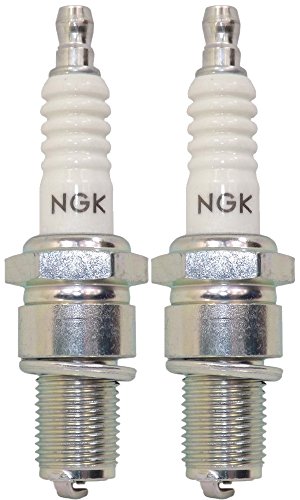
NGK BPMR7A Spark Plug
Best for: Fixing hard starts from a worn plug
A common replacement plug for many Stihl, Husqvarna and Poulan saws; confirm the plug type in your manual.
- Fits many popular saws
- Inexpensive fix
- Check your model compatibility

FORESTER Apron-Style Chainsaw Chaps
Best for: Leg protection for homeowners
Apron-style chainsaw chaps with cut-resistant layers designed to help stop a moving chain.
- Leg protection while cutting
- Adjustable fit
- Check sizing and protection rating

NoCry 6-in-1 Chainsaw Helmet with Face Shield and Ear Muffs
Best for: Head, face and hearing protection
A chainsaw helmet combining hard hat, mesh face shield and ear muffs.
- Three protections in one
- Adjustable
- Mesh shield does not replace safety glasses
Compare more saws with easy-start systems in our best gas chainsaw guide.
Common Mistakes When Starting a Gas Chainsaw
Common mistakes include starting with the chain brake off, leaving the choke on full after the first pop, over-priming, pulling the cord to its full length, letting the cord snap back, drop starting, starting near where you refueled and using stale fuel. Each of these either damages the saw, floods the engine or puts you at risk.
Final Thoughts on How to Start a Gas Chainsaw
Starting a gas chainsaw is easy once you follow the sequence: chain brake on, prime, full choke, pull until it pops, choke off, pull until it runs, then blip the throttle to idle. Start on the ground or with a leg lock, never drop start, and use fresh, correctly mixed fuel. If your saw still refuses to start, use our troubleshooting guide, and if you are shopping for an easier-starting model, compare the best gas chainsaw options.
More Questions People Ask
Should I use full choke every time I start my chainsaw?
No. Full choke is for a cold engine. A warm engine usually starts in the run or fast-idle position, and using full choke on a warm saw often floods it.
How many times should I press the primer bulb?
Press until you see fuel in the bulb, often six to ten presses on a cold start. Over-priming can contribute to flooding.
Why does my chainsaw start then die?
Common causes are moving the choke off too early on a very cold engine, stale fuel, a clogged air filter or fuel filter, or an idle speed set too low.
Can I start a chainsaw with the chain brake off?
You should not. Starting with the brake engaged prevents the chain from turning if the engine revs at fast idle.
Frequently Asked Questions
How do you start a cold gas chainsaw?
Engage the chain brake, press the primer bulb several times, set full choke, pull the starter cord until the engine pops, move the choke to the half or run position, then pull again until it starts. Release the fast idle by squeezing the throttle.
How do you start a warm chainsaw?
A warm engine usually needs no choke. Engage the chain brake, set the fast idle or start position if your saw requires it, and pull the cord. It should start in one to three pulls.
Why does my chainsaw flood?
Flooding usually happens from leaving the choke on full after the engine pops, priming too much or repeatedly pulling with the choke closed. Too much fuel wets the spark plug and prevents ignition.
Is drop starting a chainsaw safe?
No. Drop starting, where you throw the saw down while pulling the cord, reduces control and is a common cause of injuries. Start the saw on the ground or held firmly between your legs per the manual.
How many pulls should it take to start a chainsaw?
A healthy saw in good tune often starts within a few pulls on a cold start and one to three pulls when warm. If it needs many more, check fuel, choke technique and the spark plug.