
Last updated: October 2026 · Written by the LawnVibe editorial team.
The right chainsaw safety gear is the difference between a minor scare and a life-changing injury. Every time you start a chainsaw, you should wear head protection, eye protection, hearing protection, chainsaw chaps or cut-resistant trousers, sturdy gloves and protective boots. Professionals add a face screen, high-visibility clothing and a first aid kit. This checklist explains each item, what to look for and how to keep it in good condition.
This guide is based on published occupational safety guidance and manufacturer recommendations, not hands-on product testing. For choosing a saw itself, see our guide to the best gas chainsaw.
Why Chainsaw PPE Matters
A chainsaw chain moves very fast, and contact injuries happen in a fraction of a second, often from kickback when the upper tip of the bar touches wood. Legs, hands and the head and face are the most exposed areas. Personal protective equipment (PPE) cannot replace safe technique, but it can greatly reduce the severity of an injury. Workplace rules from the U.S. Occupational Safety and Health Administration require protective equipment for workers using chainsaws, and the same logic applies at home. Read our guide on chainsaw kickback prevention to reduce the chance of an accident in the first place.
Top picks from our guide: Best Gas Chainsaw : Picks for Yard Work, Firewood and Big Trees


As an Amazon Associate we earn from qualifying purchases. Prices and availability can change; check the current price on Amazon.
The Complete Chainsaw Safety Gear Checklist
| Body Area | Gear | What to Look For |
|---|---|---|
| Head | Safety helmet | Rated hard hat, adjustable suspension |
| Face | Mesh face screen | Attaches to helmet, flips up |
| Eyes | Safety glasses or goggles | Impact-rated lenses |
| Ears | Ear muffs or plugs | Suitable noise reduction rating |
| Hands | Work or chainsaw gloves | Good grip, cut protection on the back of the left hand |
| Legs | Chainsaw chaps or trousers | Cut-resistant layers, correct length |
| Feet | Chainsaw or safety boots | Protective toe, cut-resistant material, grip |
| Body | Fitted clothing, high-vis | No loose clothing, visible color |
| Kit | First aid kit, phone | Includes pressure bandages |
Head Protection: Chainsaw Helmets
Falling branches and kickback both threaten the head. A chainsaw helmet combines a hard hat with an attached face screen and ear muffs, so all three protections stay in place together. Look for a helmet that meets recognized standards for industrial head protection, has an adjustable ratchet suspension and fits comfortably. Replace a helmet after a significant impact or when the shell becomes brittle from sun exposure, following the maker's guidance.
Face and Eye Protection
Mesh Face Screens
A mesh screen protects your face from flying chips and twigs and improves airflow so it fogs less than a solid visor. It does not stop fine dust, so it is a supplement, not a replacement, for eye protection.
Safety Glasses and Goggles
Wear impact-rated safety glasses or goggles under the face screen every time. Chips, sawdust and bar oil spray can all cause eye injuries. Tinted lenses help in bright sun, while clear lenses suit shade and overcast days.
Hearing Protection
Gas chainsaws are loud enough to damage hearing over time. Ear muffs that attach to the helmet are convenient, while foam earplugs are a good backup. Choose protection with an adequate noise reduction rating and wear it for every cutting session, even short ones.
Leg Protection: Chainsaw Chaps and Trousers
How Chaps Work
Chainsaw chaps and trousers contain layers of long, strong fibers. When a moving chain cuts the outer shell, these fibers are pulled out and wrap around the drive sprocket, stopping or slowing the chain quickly. This is why chaps that have been cut should be replaced.
Chaps vs Chainsaw Trousers
Apron-style chaps strap over your regular pants, making them easy to put on and adjust, and they are popular with homeowners. Chainsaw trousers have protection built in, fit more closely and are favored by those who cut often. Both protect the front of the legs; some trousers offer more wraparound coverage.
Getting the Right Fit
Chaps should cover from the waist to about 2 inches above the ground at the boot top. Too short leaves the lower leg exposed, and too long can be a trip hazard.
Hand Protection: Chainsaw Gloves
Gloves improve grip, reduce vibration and protect against cuts, splinters and hot parts. Chainsaw-specific gloves may include cut protection on the back of the left hand, which is the hand most exposed in a kickback. Choose a snug fit so you can still operate the controls precisely.
Foot Protection: Chainsaw Boots
Boots should have protective toes, ankle support and slip-resistant soles. Purpose-made chainsaw boots add cut-resistant material in the front. At minimum, wear sturdy leather work boots; never run a chainsaw in sneakers or sandals.
Clothing and Visibility
Wear close-fitting clothing with no loose sleeves, scarves or drawstrings that could catch in the chain. Long sleeves protect against scratches. Bright or high-visibility colors help others see you, especially when felling trees or working near roads. Tie back long hair.
First Aid and Emergency Planning
Keep a first aid kit with pressure bandages and gauze nearby, along with a charged phone. Avoid working alone whenever possible, and let someone know where you are cutting and when you expect to finish. Know the location of the nearest emergency care.
Safety Features on the Saw Itself
PPE works best alongside a saw with working safety features: a chain brake, chain catcher, throttle lockout, hand guards and a low-kickback chain. Check these before each use. Learn the correct starting procedure in our guide on how to start a gas chainsaw.
Caring for Your Safety Gear
Inspect PPE before each use. Wash chaps according to the manufacturer's instructions, as some cleaning methods can reduce the effectiveness of the fibers. Store gear dry and out of direct sunlight. Replace chaps after any cut, helmets after significant impacts and gloves when worn through.
Safe Cutting Habits That Complement PPE
Keep both hands on the saw, stand to the side of the cutting line, never cut above shoulder height, avoid cutting with the bar tip, watch for tension in bent limbs and keep bystanders well away. For felling, plan escape routes and follow the steps in how to fell a tree safely with a chainsaw.
Understanding Safety Labels and Standards
Product labels can help you compare gear. In the United States, head protection is commonly marked to ANSI Z89.1, eye protection to ANSI Z87.1, and chainsaw leg protection is often tested to ASTM F1897. Hearing protectors carry a noise reduction rating, or NRR. European gear may carry EN standards instead. Standards and ratings change over time, so check the current label and the manufacturer's information rather than relying on a product title alone.
Which Gear Matters Most on a Budget?
If you cannot buy everything at once, prioritize the gear that protects against the most common and most severe injuries. Leg protection comes first, because the legs are frequently struck when a saw kicks back or slips through a cut. Eye and hearing protection are inexpensive and essential. Next, add a helmet system, especially if you will cut anything overhead or fell trees. Gloves and proper boots complete the basic kit. Avoid cheap items with no protection rating, since they may give a false sense of security.
Safety Gear for Different Chainsaw Jobs
Cutting Firewood
Bucking logs on the ground exposes the legs and feet most. Chaps, boots, gloves, eye and hearing protection are the core. A helmet is still wise because kickback can drive the saw upward.
Felling Trees
Felling adds the risk of falling branches and the tree itself, so a helmet with face screen is essential, along with high-visibility clothing and a planned escape route. Never fell large trees near buildings or power lines yourself; hire a professional arborist.
Storm Cleanup
Storm damage brings tangled limbs under tension, unstable footing and debris. Wear full PPE, work slowly, cut tension carefully and never work near downed power lines. Fatigue is a major risk during long cleanups, so take frequent breaks.
Pruning and Limbing
Limbing a fallen tree involves many small cuts close to your body, which raises kickback risk. Keep the saw close, maintain stable footing and keep your chaps fastened.
Do Battery Chainsaws Need the Same Gear?
Yes. Battery chainsaws are quieter, so hearing protection needs may be lower for short tasks, but the chain is just as capable of causing serious injury. Wear eye protection, gloves, leg protection and boots with any chainsaw, and add a helmet for overhead work or felling.
Fit and Comfort Make Gear Wearable
Gear that is uncomfortable tends to be left in the shed. Try on chaps with your usual boots, adjust helmet suspension so it sits securely, choose gloves that let you feel the controls and pick breathable materials for hot days. Comfortable PPE is PPE you will actually wear.
Working in Hot and Cold Weather
In hot weather, choose lighter chaps or ventilated trousers, take frequent breaks and drink water, since heat stress affects judgment. In cold weather, layer under your protective gear rather than over it, and wear insulated gloves that still allow a firm grip. Wet conditions make footing slippery, so boot tread becomes even more important.
A Quick Pre-Cut Safety Routine
Make safety automatic with a short routine before every session. First, put on your gear in the same order each time: boots, chaps, gloves, glasses, helmet with ear muffs and face screen. Second, inspect the saw: chain sharpness and tension, chain brake, chain catcher, throttle lockout and fuel and bar oil levels. Third, scan the work area for people, pets, obstacles, overhead hazards and escape routes. Finally, make sure your phone and first aid kit are nearby. The whole routine takes a few minutes and quickly becomes habit.
Teaching Family Members and New Users
If someone else in the household will use the chainsaw, make sure they wear the full kit and understand the controls, starting procedure and kickback zone before cutting. Start them on small logs on the ground, supervise closely and consider a local chainsaw safety course offered by extension services, equipment dealers or forestry organizations.
Keep Bystanders Out of the Work Zone
PPE protects you, not the people around you. Keep children, pets and helpers at a safe distance whenever the saw is running, and at least two tree lengths away when felling. Agree on clear hand signals with any helper, and stop the saw before anyone approaches.
Chainsaw Safety Gear to Consider
These items cover the core checklist. Details come from Amazon listings; check sizing and protection ratings on each label. We have not hands-on tested them.

FORESTER Apron-Style Chainsaw Chaps
Best for: Leg protection for homeowners
Apron-style chainsaw chaps with cut-resistant layers designed to help stop a moving chain.
- Leg protection while cutting
- Adjustable fit
- Check sizing and protection rating

NoCry 6-in-1 Chainsaw Helmet with Face Shield and Ear Muffs
Best for: Head, face and hearing protection
A chainsaw helmet combining hard hat, mesh face shield and ear muffs.
- Three protections in one
- Adjustable
- Mesh shield does not replace safety glasses
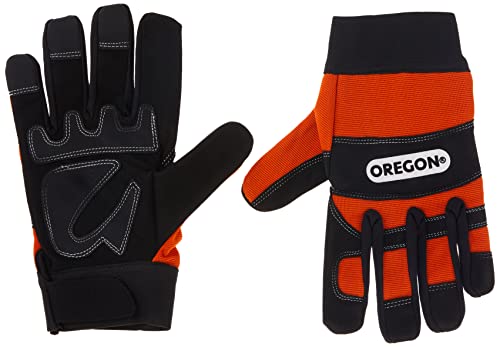
Oregon Protective Chainsaw Gloves, Left-Hand Protection
Best for: Left-hand cut protection
Leather chainsaw work gloves with protection on the left hand, which is most exposed in kickback.
- Left-hand protection
- Leather grip
- Check sizing

DEWALT DPG54 Protective Safety Glasses, 4 Pack
Best for: Wearing under a mesh face screen
Smoke-lens protective glasses in a four-pack, so you always have a spare.
- Four pairs
- Tinted for sun
- Tinted lens not ideal in shade

3M E-A-R Push-Ins Corded Ear Plugs, NRR 28
Best for: Backup hearing protection
Corded push-in ear plugs rated NRR 28 dB, 100 pairs.
- Easy to insert
- Corded
- Muffs are easier to wear all day

Medique 73901 Standard Trauma First Aid Kit
Best for: Keeping trauma supplies nearby
A trauma first aid kit to keep near your cutting area.
- Trauma-focused contents
- Compact
- Learn first aid to use it well
Pair your gear with a safe, well-chosen saw from our best gas chainsaw guide.
Common Chainsaw Safety Gear Mistakes
Common mistakes include skipping PPE for quick jobs, wearing chaps that are too short, relying on a face screen without glasses, using ordinary jeans instead of cut-resistant protection, ignoring worn or previously cut chaps, wearing loose clothing and working alone without a phone or first aid kit.
Final Thoughts on Chainsaw Safety Gear
Before every cut, run through the checklist: helmet, face screen, safety glasses, hearing protection, gloves, chaps or chainsaw trousers and boots. Good gear costs far less than an emergency room visit. Pair it with safe technique and a well-maintained saw, and see our best gas chainsaw guide if you are upgrading your saw.
More Questions People Ask
Can I use jeans instead of chainsaw chaps?
No. Ordinary denim offers little protection against a moving chain. Chaps or chainsaw trousers contain special fibers designed to stop the chain.
What color chainsaw helmet is best?
Bright orange or high-visibility colors make you easier to see, which helps when others are nearby or you are working near roads.
Do I need chaps for a small electric chainsaw?
Yes. Even small saws can cause serious leg injuries. Wear leg protection with any chainsaw.
How long do chainsaw helmets last?
Follow the manufacturer guidance on replacement intervals and replace any helmet after a significant impact or if the shell shows cracking or sun damage.
Frequently Asked Questions
What safety gear do you need to run a chainsaw?
At minimum: head protection, eye protection, hearing protection, chainsaw chaps or cut-resistant trousers, sturdy gloves and protective boots. A face screen and high-visibility clothing are also recommended.
Do chainsaw chaps really work?
Chainsaw chaps contain layers of long fibers that are designed to be pulled into the drive sprocket and stop the chain quickly on contact. They greatly reduce injury risk but are not a guarantee, especially at high chain speeds.
Are safety glasses enough with a mesh face shield?
No. A mesh face screen stops larger chips but not fine particles, so wear safety glasses or goggles underneath.
How often should chainsaw chaps be replaced?
Replace them after they have been cut, as damaged fibers may not stop a chain again, and whenever the outer shell or labels show heavy wear. Follow the manufacturer's care guidance.
Do I need steel-toe boots for chainsaw work?
Sturdy boots with protective toes and good grip are strongly recommended. Purpose-made chainsaw boots include cut-resistant material for added protection.